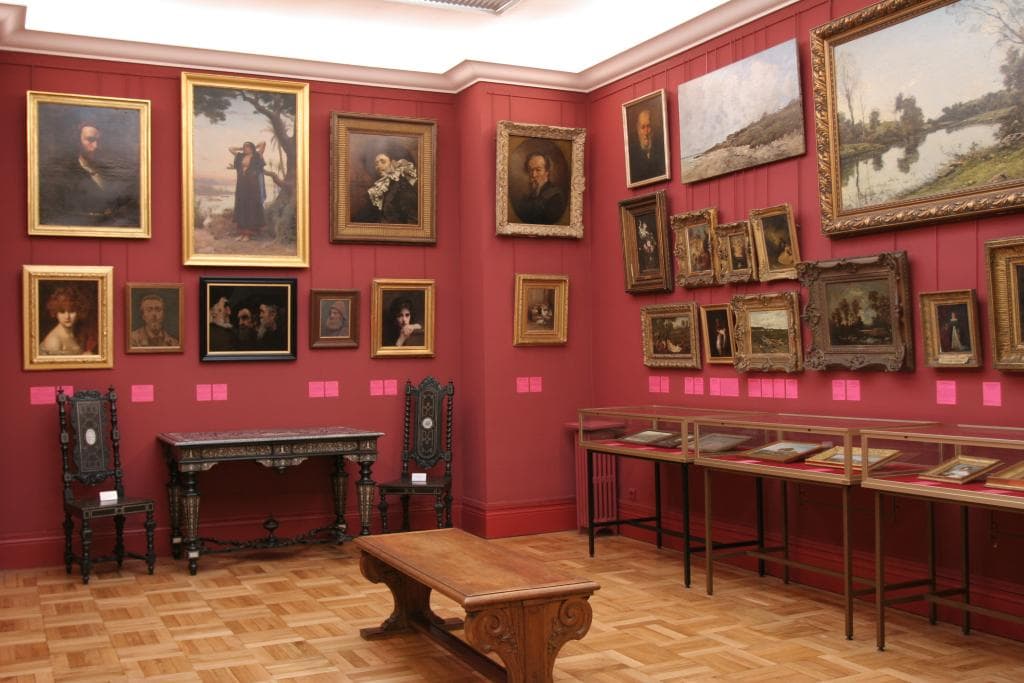
Antoine Lécuyer Museum
Discover 18th-century pastel masterpieces by Maurice-Quentin de La Tour and a diverse art collection in this elegant Saint-Quentin museum.
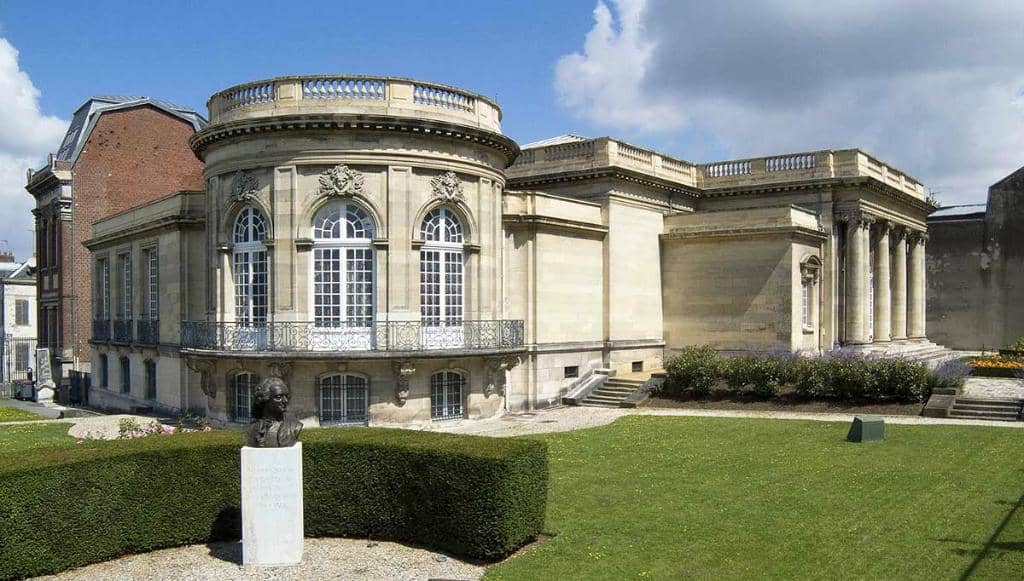
Highlights
Must-see attractions

Social
From TikTok & Reddit
Best Time
Fewer crowds, better viewing
Antoine Lécuyer Museum
Best Time
Fewer crowds, better viewing
Highlights
Must-see attractions
Discover 18th-century pastel masterpieces by Maurice-Quentin de La Tour and a diverse art collection in this elegant Saint-Quentin museum.
"Astonishingly lifelike faces and vibrant detail make La Tour's pastels truly magnifique!"
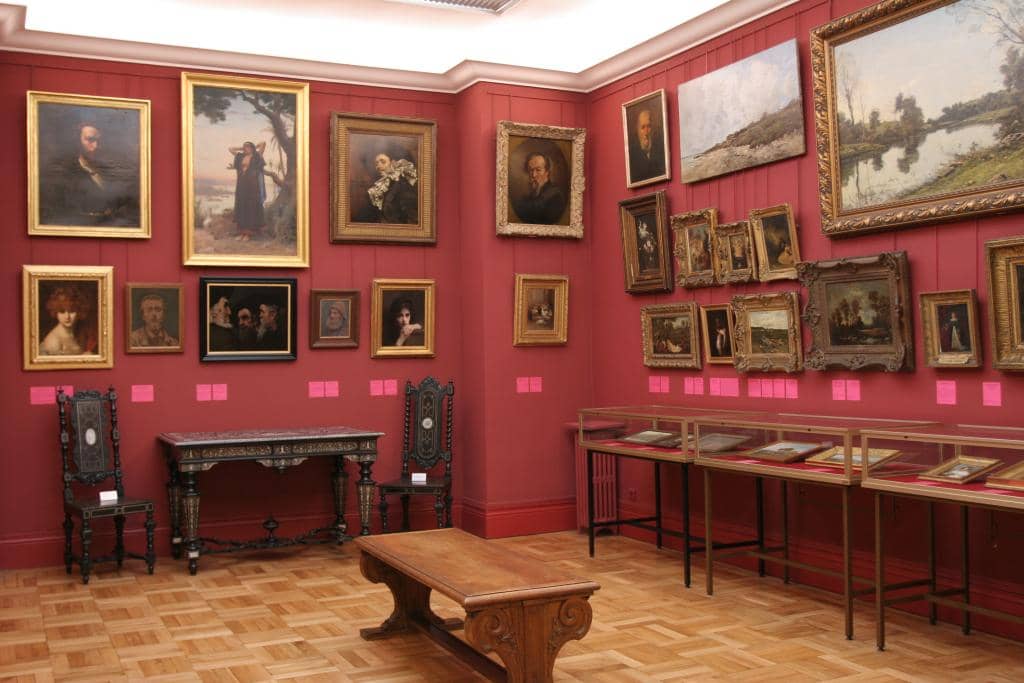
Adjust to the low light
The pastels are in dim rooms for preservation. Give your eyes a moment to adjust for the best viewing experience. 👀
Explore beyond La Tour
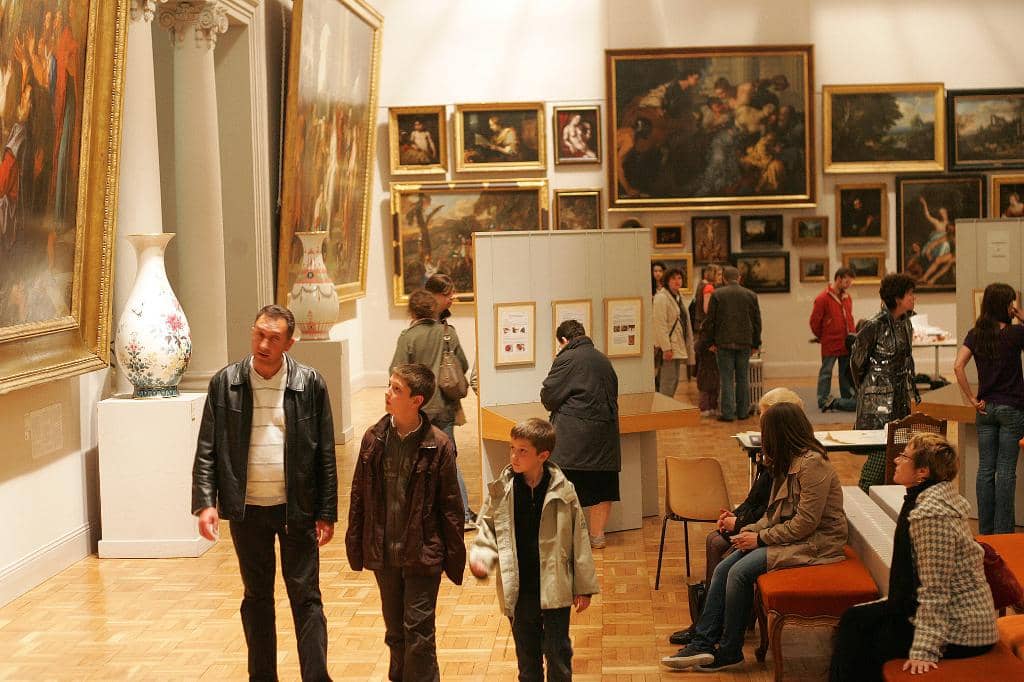
Don't miss the diverse oil paintings, sculptures, and cabinet of curiosities from other generous donations. 🎁
Quick Facts
Hours
Rating
4.5 · 266 reviews
Type
Museum
Highlights
Discover the most iconic attractions and experiences
Maurice-Quentin de La Tour Pastels
Astonishingly lifelike 18th-century pastel portraits capturing the essence of their subjects with vibrant detail.
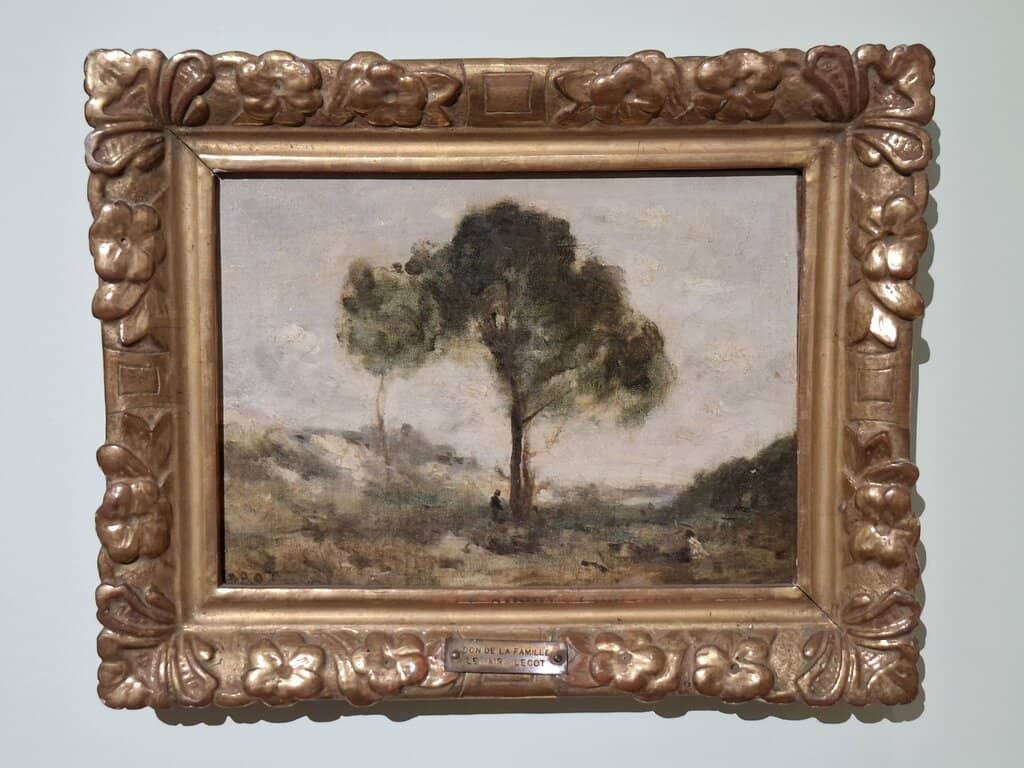
Le Sérurier Brothers' Collection
A rich assortment of oil paintings, sculptures, and intriguing objects donated to the city, expanding the museum's artistic scope.
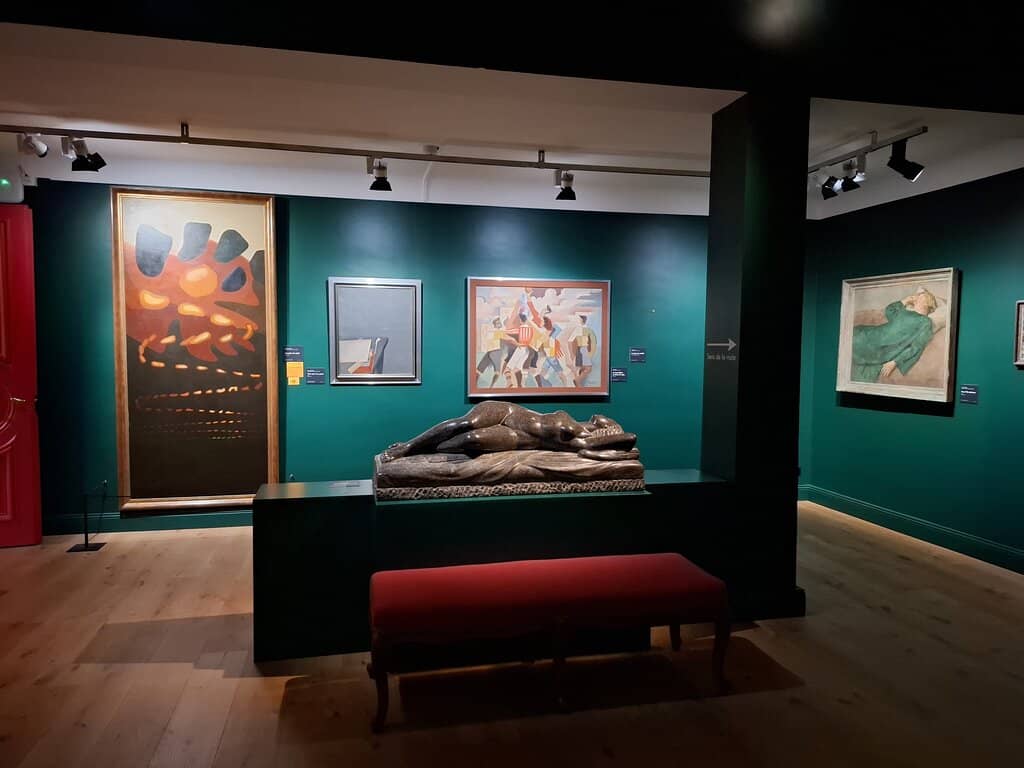
Cabinet of Curiosities
Discover a fascinating array of unique and unusual items, offering a glimpse into historical collections and scientific interests.
Plans like a pro.
Thinks like you
Planning Your Visit
Protecting Delicate Pastels
Beyond the Pastels
Best Times
Insider Tips
from TikTok, Instagram & Reddit
Adjust to the low light
The pastels are in dim rooms for preservation. Give your eyes a moment to adjust for the best viewing experience. 👀
Explore beyond La Tour
Don't miss the diverse oil paintings, sculptures, and cabinet of curiosities from other generous donations. 🎁
Combine with city sights
Saint-Quentin has more to offer! Plan a full day to explore the city alongside your museum visit. :city_sunrise:
Appreciate the detail
Notice the incredible detail in clothing, wigs, and makeup – the faces are truly alive. ✨
Tips
from all over the internet
Adjust to the low light
The pastels are in dim rooms for preservation. Give your eyes a moment to adjust for the best viewing experience. 👀
Explore beyond La Tour
Don't miss the diverse oil paintings, sculptures, and cabinet of curiosities from other generous donations. 🎁
Combine with city sights
Saint-Quentin has more to offer! Plan a full day to explore the city alongside your museum visit. :city_sunrise:
Appreciate the detail
Notice the incredible detail in clothing, wigs, and makeup – the faces are truly alive. ✨
What Travellers Say
Reviews Summary
Visitors consistently praise the Antoine Lécuyer Museum for its exceptional collection of Maurice-Quentin de La Tour's pastel portraits, noting their astonishing lifelike quality and vibrant detail. The museum is described as a small but fine institution, with a well-presented and diverse collection that extends beyond the pastels to include oil paintings and sculptures. While the dim lighting is a necessary preservation measure, it can be a point of adjustment for some.
"The Musée des Beaux-Arts Antoine Lécuyer is primarily known for the pastel portraits of Maurice-Quentin de La Tour (1704-1788). Pastel drawings are very light-sensitive, so these works hang in relatively dark spaces. And if I understand correctly, not all the artworks are displayed simultaneously, but only partially to protect them from excessive light. But they are fantastic works! Considering that some of the people depicted truly went above and beyond to perfect their appearance, which you can clearly see in their clothes, hairstyles, wigs, and makeup, it's astonishing how lifelike the faces are. Almost every portrait reveals a character and shows people of flesh and blood. There's a beautiful French word for this: magnifique!
But the collection is larger and more diverse than the La Tour's. It was primarily created through two private collections donated to the city of Saint-Quentin. Banker Antoine Lécuyer (1793-1878) donated his collection of La Tour's, and shortly afterward, the city also received an art collection from the brothers Félix and Josias Le Sérurier. The collection has since grown.
All in all, it's a small but very fine museum. The presentation is largely beautiful and surprising. So if you're near Saint-Quentin, come see it. But make it at least a full day, because the city has many more beautiful sights to offer."
Jan Schlichtenhorst
"It’s a wonderful museum with an impressive collection, tucked away in the small but endearing city of Saint-Quentin. I enjoy visiting whenever I can to soak in the beauty of its paintings and sculptures."
Frederic
"This is a fabulous small museum about 90min train ride from Paris. Great explanation of the peculiar genius of Maurice de la Tour and his mind-bending pastel technique (how did he get all those nuanced colors and transparency out of chalk!!?!)
The rest of the museum is well done as well, I was pleasantly surprised!"
Michael Finocchiaro
What People Like
What People Dislike
Frequently Asked Questions
🚇 🗺️ Getting There
The museum is located in Saint-Quentin. It's about a 90-minute train ride from Paris, making it a feasible day trip. Check local transport options within Saint-Quentin for the best way to reach the museum from the train station.
Information on specific parking availability near the museum can be limited. It's advisable to check local Saint-Quentin city resources or consider public transport options within the city.
🎫 🎫 Tickets & Entry
Museum hours can vary, so it's always best to check the official museum website or contact them directly for the most up-to-date opening times before your visit.
Admission fees can change. It's recommended to visit the museum's official website or inquire directly for current ticket prices and any potential discounts.
For smaller museums like this, advance booking might not always be necessary, but it's a good idea to check their policy, especially during peak tourist seasons or for special exhibitions.
🎫 🏛️ Onsite Experience
The museum is most renowned for its exceptional collection of 18th-century pastel portraits by Maurice-Quentin de La Tour. These works are celebrated for their lifelike quality and nuanced colors.
Pastel drawings are extremely sensitive to light. The dim lighting is a crucial preservation measure to protect these delicate artworks from fading and damage over time.
The museum also houses a diverse collection of oil paintings, sculptures, and a fascinating cabinet of curiosities, largely thanks to donations from collectors like Antoine Lécuyer and the Le Sérurier brothers.
While the art is impressive, the dim lighting and focus on historical portraits might be more engaging for older children or those with a specific interest in art history. Consider the child's temperament.
A visit to the museum itself can take 1-2 hours, depending on your interest level. However, many visitors recommend dedicating a full day to Saint-Quentin to explore the city's other attractions as well.
📸 📸 Photography
Photography policies can vary. It's essential to look for signage within the museum or ask staff if photography is permitted, especially for the light-sensitive pastel works.
If photography is allowed, it's usually restricted to non-flash to protect the artworks. Be mindful of other visitors and avoid obstructing pathways.
Social
from TikTok, Instagram & Reddit