Napoleon III Chalets
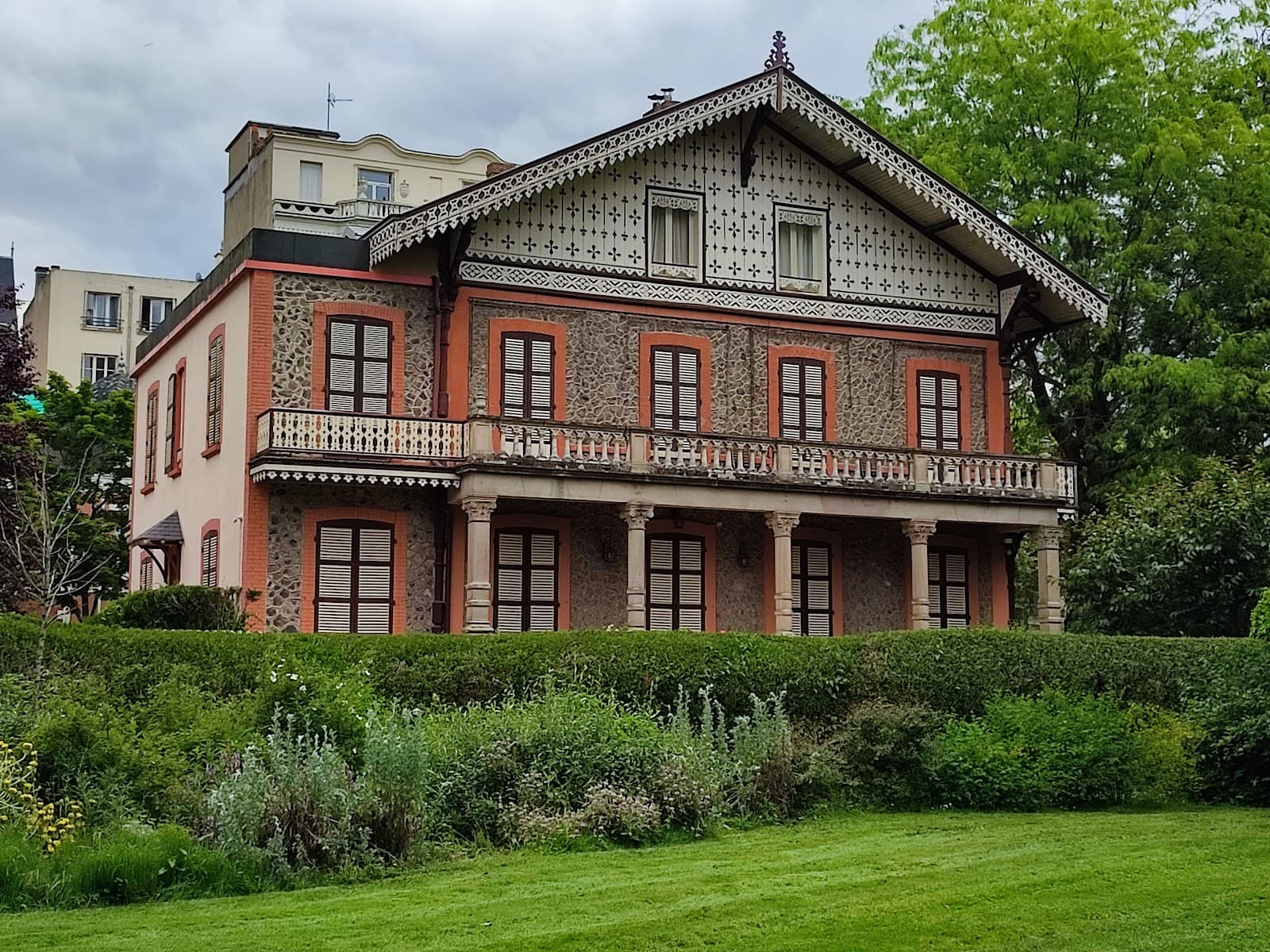
Charming 19th-century chalets blending Swiss and colonial styles, set beside the serene Parc Napoléon III in Vichy.
Highlights
Must-see attractions

Social
From TikTok & Reddit
Best Time
Fewer visitors, peaceful atmosphere
Napoleon III Chalets
Best Time
Fewer visitors, peaceful atmosphere
Highlights
Must-see attractions
Charming 19th-century chalets blending Swiss and colonial styles, set beside the serene Parc Napoléon III in Vichy.
"A must-see iconic site in Vichy, showcasing amazing architecture and a beautiful park."
📸 Capture the Details
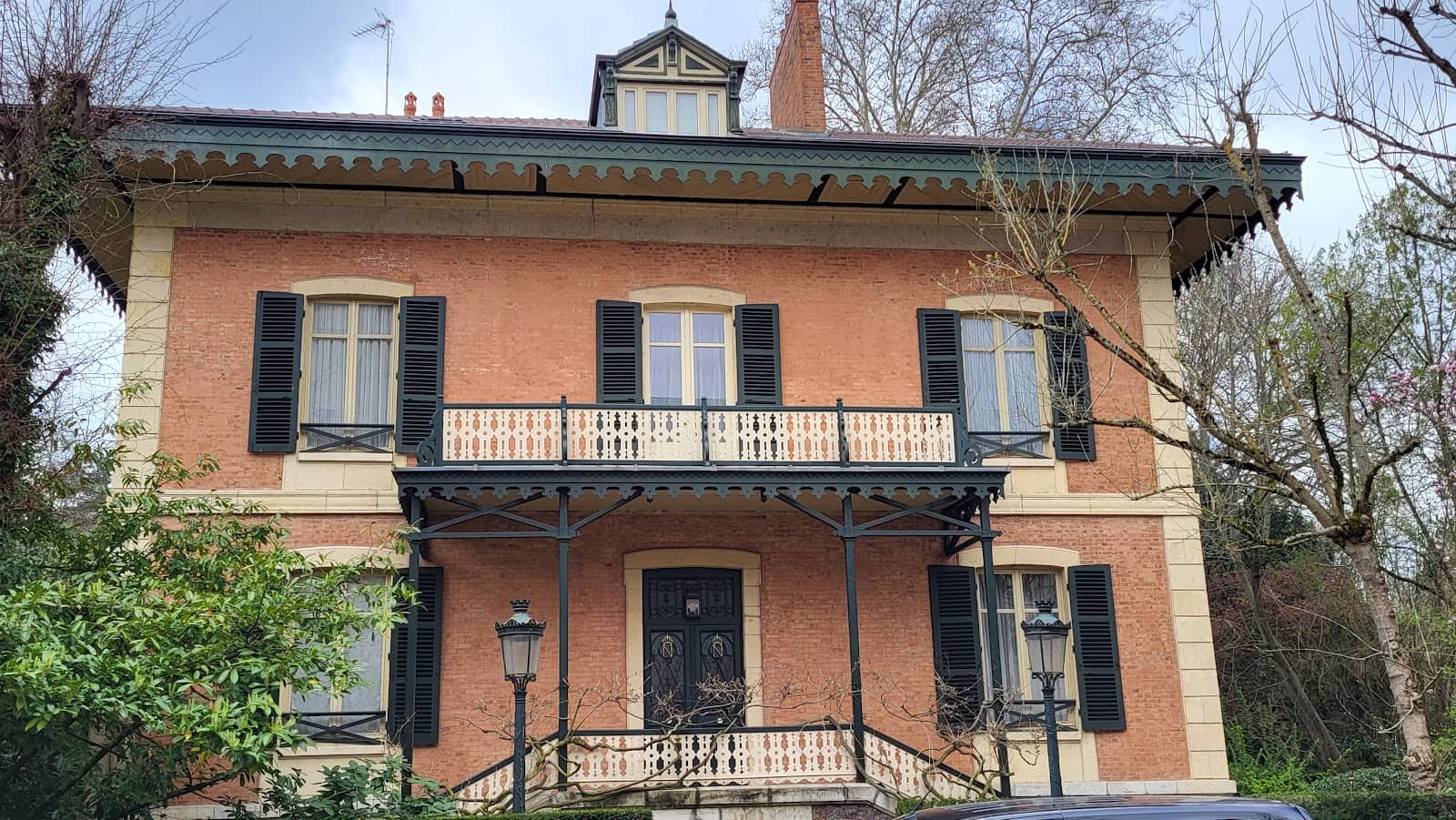
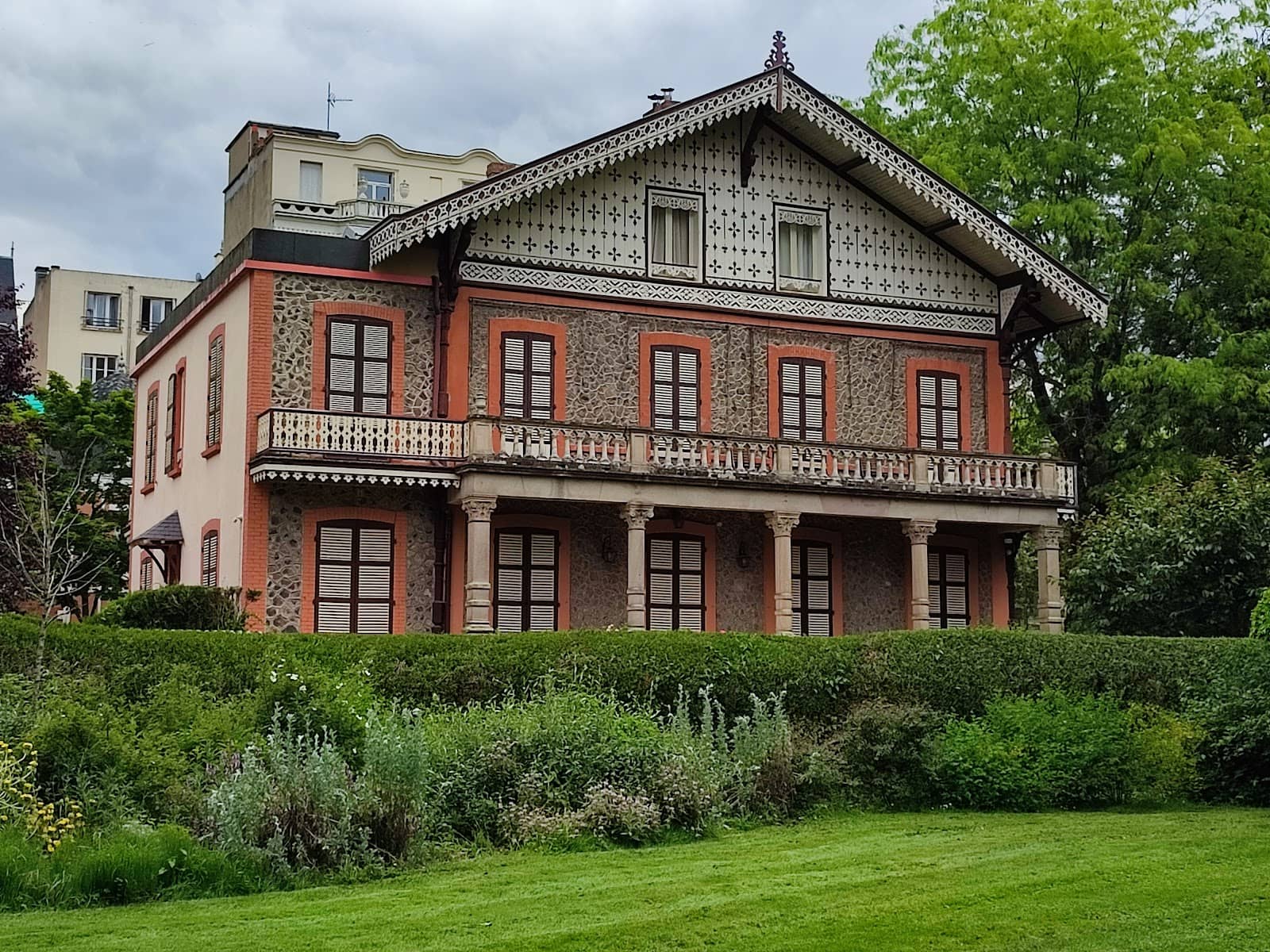
Focus on the unique architectural elements like the ironwork and mixed materials. The park offers great vantage points.
🚶♀️ Stroll the Park
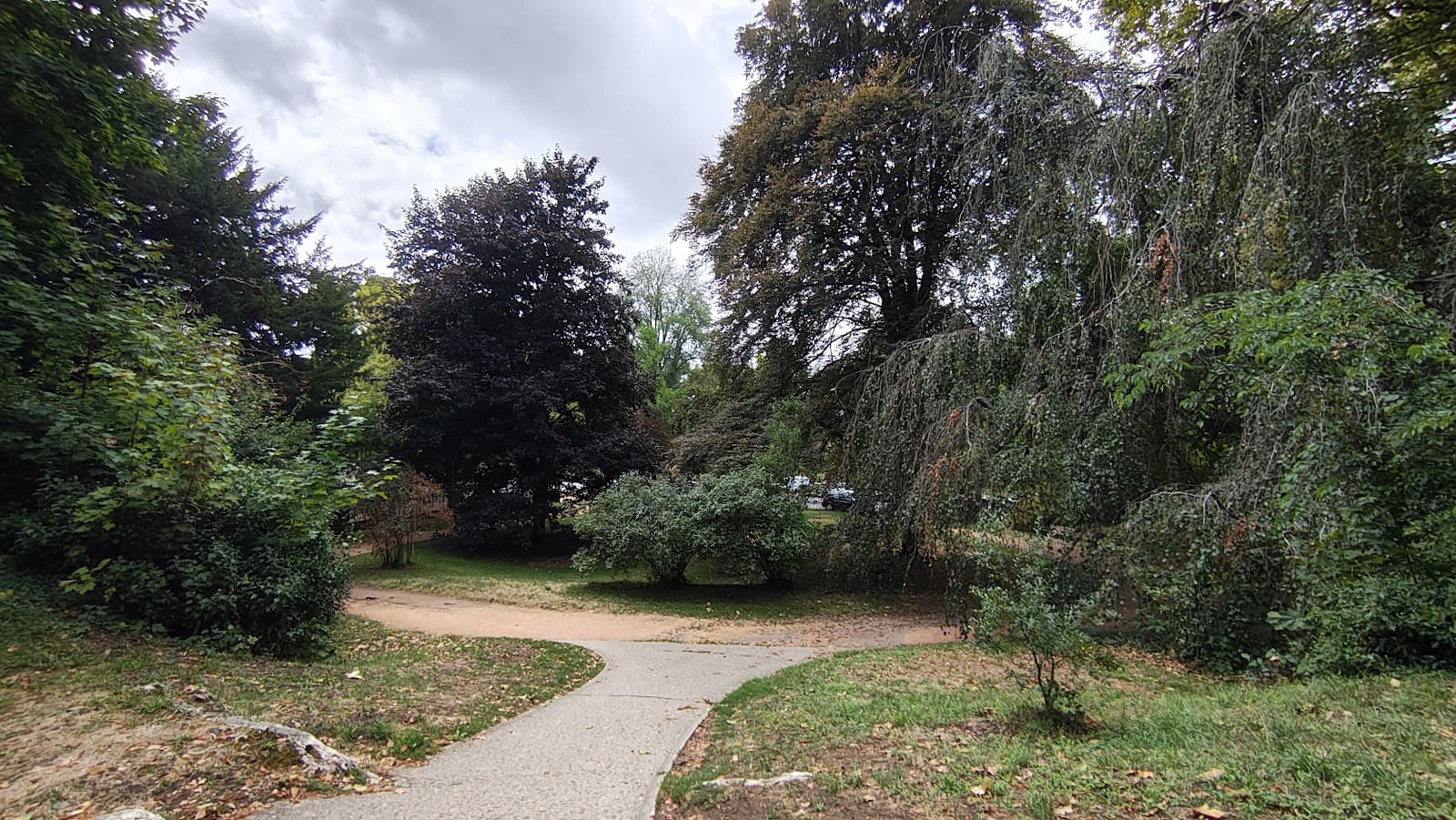
The adjacent Parc Napoléon III is a must-see. Enjoy the diverse trees and serene atmosphere.
Quick Facts
Hours
Rating
4.7 · 36 reviews
Type
Lodging
Highlights
Discover the most iconic attractions and experiences
Emperor's Chalet
Boulevard des États-Unis
The Emperor's personal retreat, designed for privacy with park views. Note the imperial 'N' on the door.
Eugénie or Empress Chalet
Boulevard des États-Unis
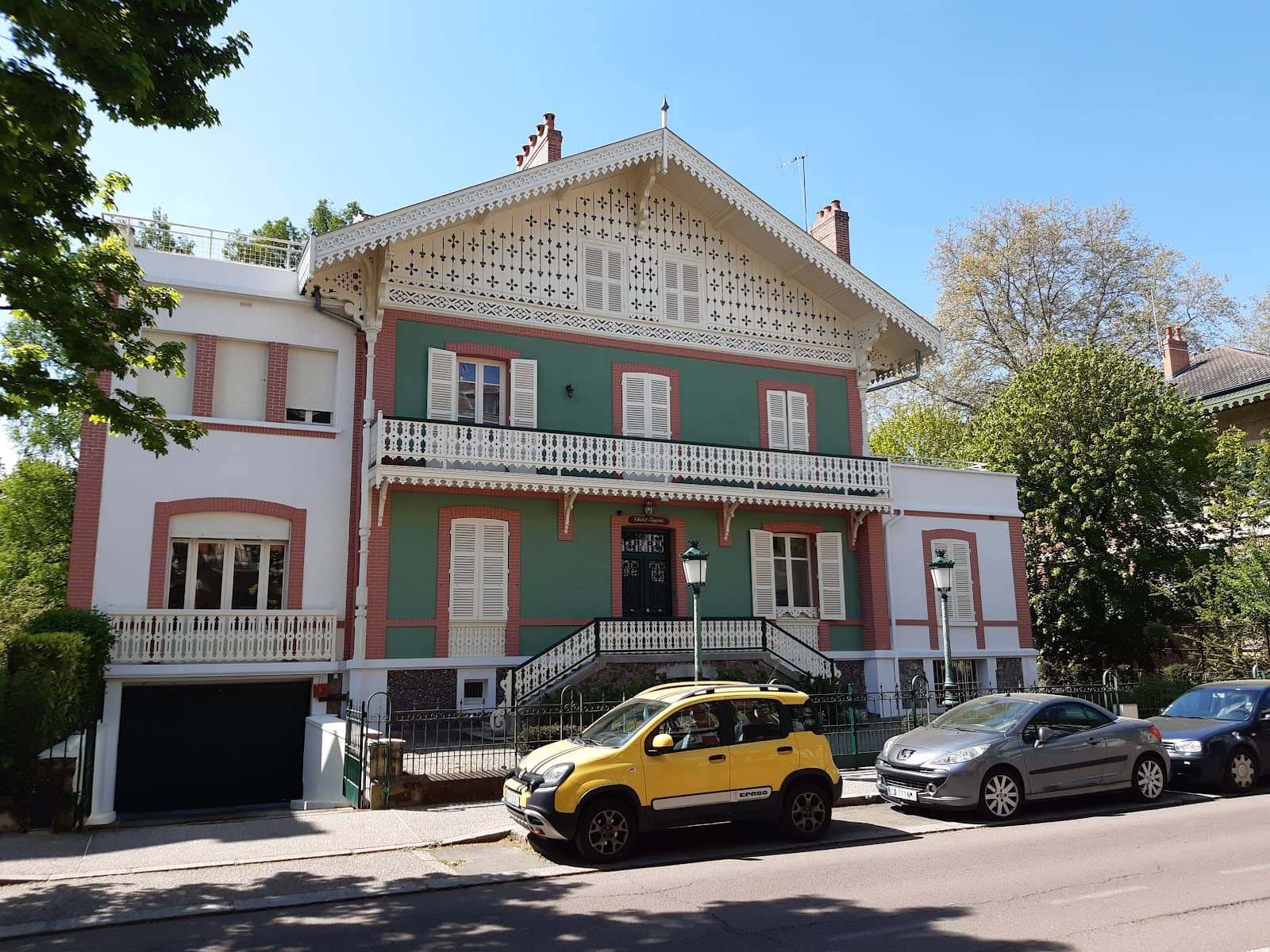
Originally for the Emperor's guests, this chalet reflects the elegance of the imperial entourage.
Parc Napoléon III
Adjacent to the chalets
A beautifully landscaped park with diverse trees, offering a peaceful stroll and lovely views of the chalets.
Plans like a pro.
Thinks like you
Planning Your Visit
Timing Your Visit for Privacy
Architectural Inspiration
Best Times
Insider Tips
from TikTok, Instagram & Reddit
📸 Capture the Details
Focus on the unique architectural elements like the ironwork and mixed materials. The park offers great vantage points.
🚶♀️ Stroll the Park
The adjacent Parc Napoléon III is a must-see. Enjoy the diverse trees and serene atmosphere.
🕰️ Check Opening Times
While the exteriors are always visible, some interior access or guided tours might have specific hours.
Tips
from all over the internet
📸 Capture the Details
Focus on the unique architectural elements like the ironwork and mixed materials. The park offers great vantage points.
🚶♀️ Stroll the Park
The adjacent Parc Napoléon III is a must-see. Enjoy the diverse trees and serene atmosphere.
🕰️ Check Opening Times
While the exteriors are always visible, some interior access or guided tours might have specific hours.
What Travellers Say
Reviews Summary
Visitors consistently praise the Napoleon III Chalets for their unique and beautiful architecture, noting the charming blend of Swiss and colonial styles. The adjacent Parc Napoléon III is also a highlight, offering a peaceful and scenic environment for a stroll. While the chalets are primarily viewed from the exterior, their historical significance and picturesque setting make them a worthwhile stop in Vichy.
"Amazing architecture"
Hana Halouani
"Another iconic site in the city of Vichy, well worth a visit.
Along Boulevard des Etats-Unis, six chalets were built between 1862 and 1864 for Emperor Napoleon III and his entourage. They were inspired by Swiss chalets as well as American colonial architecture, using stone, brick and wood. The Marie-Louise chalet (no. 109) was first built in 1863 to house the Emperor. However, the latter only stayed there for one season, judging that the large balconies overlooking the street were detrimental to his privacy. He therefore had the Emperor's Chalet (no. 107) built, which this time overlooks the park. The ironwork of the door is decorated with the letter N, surmounted by the imperial crown. The other chalets were dedicated to the suite and the stewardship of Napoleon III... the chalet des Roses, the chalet de Clermont-Tonnerre (no. 109 bis), the chalet known as the Empress or Eugénie (no. 105) was originally reserved for the Emperor's guests. Two others Chalets are located at the entrance to the bridge, one reserved for the park ranger's quarters, the other for administration (now destroyed).
A historic site, a must-see."
Gilles Lemoine
"The Emperor's Chalets, located along the Boulevard des Etats-Unis, between Rue de Belgique and Rue Petit, were commissioned by Napoleon III. He even had two of them built. These served as inspiration for others. Swiss chalets were very fashionable in France in the late 18th century.
A total of seven chalets were built to accommodate the most important members of the Emperor's court during their stay in Vichy. The chalets were constructed of stone and wood. The windows were English-style bow windows (similar to English colonial houses).
In the summer of 1862—during Napoleon III's second stay in Vichy—les Parcs d'Allier (Parc Napoléon III, Parc Kennedy, Parc du Soleil, and Parc des Bourins) were built in the English style. A 1.5-kilometer-long dike separated these parks from the Allier River, thus protecting the houses from flooding.
North of Parc Napoleon III, you can see several ponds, remnants of the artificial river arm excavated here in 1867. From 1910 onward, the Parcs de l'Allier were further expanded southward (by approximately 7 hectares), bringing their total area to approximately 21 hectares today.
Around 2,000 trees have been planted in the four parks, including many remarkable for their rarity, shape, age, and size. Parc Napoleon III, with its 136 different species, offers the greatest botanical diversity. The most representative trees are provided with an accompanying information board."
Tim De Zitter
What People Like
What People Dislike
Frequently Asked Questions
🚇 🗺️ Getting There
The chalets are located along Boulevard des États-Unis in Vichy, easily accessible by car or public transport. Many visitors find it a pleasant walk from the city center, especially when combined with a visit to the adjacent Parc Napoléon III.
Street parking is generally available along Boulevard des États-Unis and surrounding streets. However, during peak seasons, it might be more challenging to find a spot. Consider arriving earlier in the day.
Yes, local bus routes often serve the Boulevard des États-Unis area. Check the Vichy public transport schedule for the most convenient lines and stops.
🎫 🎫 Tickets & Entry
The chalets are primarily viewed from the exterior, and the surrounding park is publicly accessible. Therefore, no tickets are generally required for a basic visit.
While exterior viewing is free, guided tours that might offer interior access or deeper historical context are sometimes available through local tourism offices. It's best to check with the Vichy tourist information center for current offerings.
The chalets themselves are historic buildings and are typically viewed from the outside. The adjacent Parc Napoléon III has its own park hours, which are usually from dawn until dusk.
📸 📸 Photography
The most picturesque views are often from across Boulevard des États-Unis, offering a clear perspective of the chalets against the park. The park itself provides lovely framing with its trees.
Yes, photography for personal use is generally permitted. However, always be respectful of the historic nature of the site and any private residences if applicable.
The 'golden hours' – shortly after sunrise and before sunset – offer beautiful, soft light that enhances the architectural details and the park's ambiance.
🎫 🌳 Onsite Experience
Beyond admiring the chalets, visitors can explore the expansive Parc Napoléon III, enjoy a leisurely walk along the Allier River, or visit other Vichy attractions like the thermal baths and opera house.
The exteriors of the chalets and the main paths in Parc Napoléon III are generally accessible. However, some older structures might have uneven terrain or steps. It's advisable to check specific accessibility details if needed.
Yes, children often enjoy exploring the park and imagining life during Napoleon III's era. The open spaces of the park are great for them to run around.
Social
from TikTok, Instagram & Reddit