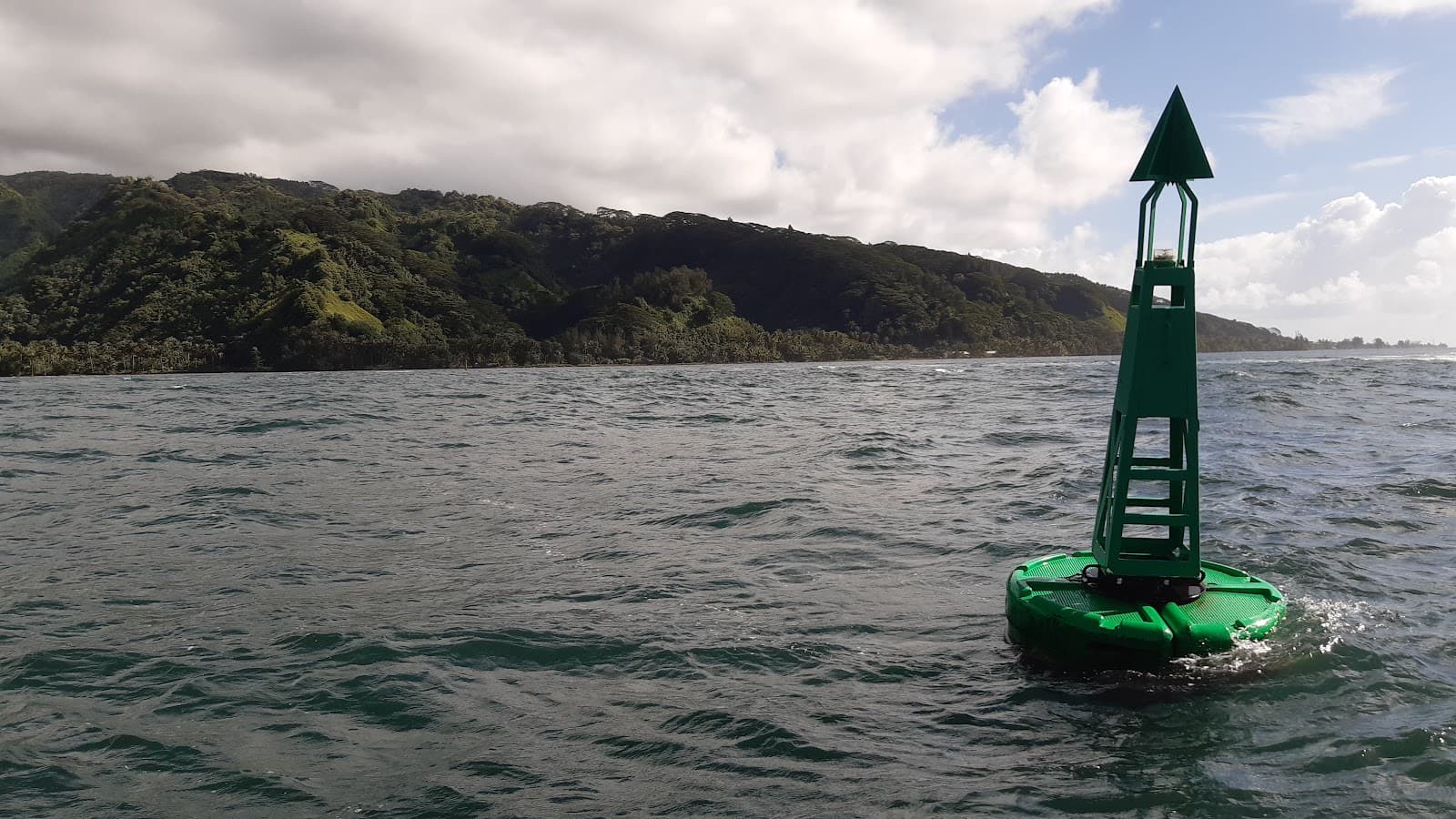
Hitia'a Lava Tubes
Step into the Earth's ancient past by exploring the fascinating lava tubes of Hitia'a, sculpted by volcanic flows.
Highlights
Must-see attractions

Social
From TikTok & Reddit
Best Time
Explore in the light
Hitia'a Lava Tubes
Best Time
Explore in the light
Highlights
Must-see attractions
Step into the Earth's ancient past by exploring the fascinating lava tubes of Hitia'a, sculpted by volcanic flows.

🔦 Bring a Headlamp!
Essential for navigating the dark. Phone lights are often insufficient.
👟 Wear Sturdy Shoes
Closed-toe shoes are a must for uneven, rocky surfaces.
Quick Facts
Highlights
Discover the most iconic attractions and experiences
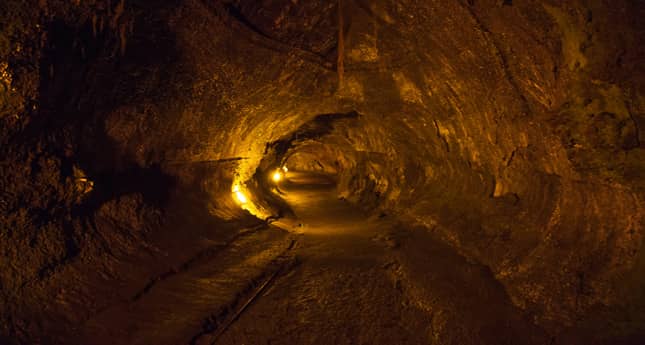
The Main Lava Tube
Hitia'a
Explore the largest and most accessible lava tube, a testament to ancient volcanic activity. Walk through a natural tunnel formed by molten rock.
Cave Formations
Various tubes
Marvel at the unique rock formations and textures created as lava cooled and hardened over millennia. Witness the raw power of nature.
Geological History
Hitia'a
Learn about the volcanic origins of these tubes, formed by flowing lava from shield volcanoes. Understand the geological processes that shaped the landscape.
Plans like a pro.
Thinks like you
Planning Your Visit
Gear Up for Darkness

Respect the Caves
Best Times
Insider Tips
from TikTok, Instagram & Reddit
🔦 Bring a Headlamp!
Essential for navigating the dark. Phone lights are often insufficient.
👟 Wear Sturdy Shoes
Closed-toe shoes are a must for uneven, rocky surfaces.
💧 Stay Hydrated
Especially if hiking to or within the tubes. Carry water.
🚫 Don't Touch Walls
Preserve the delicate cave formations for others.
Last Minute Advice?
Leaving for Tahiti and Mo’orea in 48 hours. Thanks to everyone in this Community- ya’ll rock. Any last pieces of advices? Places to go? Restaurants? Things to Avoid?? Cheers!
Tips
from all over the internet
🔦 Bring a Headlamp!
Essential for navigating the dark. Phone lights are often insufficient.
👟 Wear Sturdy Shoes
Closed-toe shoes are a must for uneven, rocky surfaces.
💧 Stay Hydrated
Especially if hiking to or within the tubes. Carry water.
🚫 Don't Touch Walls
Preserve the delicate cave formations for others.
🗺️ Check Trail Status
Some tubes may have seasonal closures or require specific permits.
What Travellers Say
Reviews Summary
Visitors rave about the unique geological formations and the thrill of exploring these ancient lava flows. The experience is often described as awe-inspiring and educational, offering a tangible connection to volcanic history. However, some find the darkness challenging and wish for clearer signage or more guided options.
What People Like
What People Dislike
Frequently Asked Questions
🚇 🗺️ Getting There
Access to the Hitia'a Lava Tubes typically involves a drive to the Hitia'a region. From there, you'll likely need to follow local signage or GPS coordinates to reach the specific tube entrances. It's advisable to check recent visitor reports or local tourism sites for the most up-to-date access information, as routes can sometimes change.
Parking availability can vary. Some popular tube entrances might have designated parking areas, while others may require parking along the roadside. It's best to arrive early, especially during peak seasons, to secure a spot.
Depending on the specific location and road conditions, a standard vehicle is usually sufficient. However, if the access roads are unpaved or rough, a vehicle with higher clearance might be beneficial. Always check local road conditions before you go.
Public transport options to remote natural attractions like the Hitia'a Lava Tubes are often limited. It's generally recommended to have your own vehicle or arrange for private transportation for the most convenient access.
Using a GPS device or a reliable navigation app on your phone is highly recommended. Download offline maps as cell service can be spotty in these natural areas.
🎫 🎫 Tickets & Entry
Entry to many natural lava tube formations, including those in Hitia'a, is often free. However, some managed sites might have small entrance fees or require permits for exploration. It's always wise to check the official tourism website or local park information for the most current entry requirements.
Natural lava tubes typically do not have set opening or closing hours, as they are open to the elements. However, it's best to visit during daylight hours for safety and visibility. Some managed cave tours might have specific operating times.
Many lava tubes can be explored independently, provided you have the necessary safety gear like headlamps and sturdy shoes. For more complex or less-trafficked tubes, hiring a local guide can enhance your experience and ensure safety.
Generally, there are no strict age restrictions for visiting natural lava tubes. However, the terrain can be challenging, so it's up to parents or guardians to assess if the conditions are suitable for young children.
Policies regarding pets can vary. In many natural areas, pets are allowed on trails but must be kept on a leash. Always check local regulations before bringing your pet to ensure compliance.
🎫 🧭 Onsite Experience
Wear sturdy, closed-toe shoes with good grip for navigating uneven and potentially slippery surfaces. Layers of clothing are recommended as cave temperatures can be cooler than outside. Bring a hat if you plan on crawling.
A reliable headlamp or a powerful flashlight is crucial. Phone lights are generally not bright enough and leave your hands occupied. Bringing a backup light source is also a good idea.
The time needed varies greatly depending on the size and complexity of the tube. A short, simple tube might take 30 minutes, while a more extensive system could take several hours. Plan accordingly and allow ample time.
While many tubes are safe for solo exploration, it's always recommended to go with at least one other person. Inform someone of your plans and expected return time. Be aware of your surroundings and potential hazards like loose rocks.
Hazards include uneven footing, potential for falling rocks, complete darkness, and disorientation. Some tubes may also have confined spaces or require crawling. Always proceed with caution and be aware of your limits.
📸 📸 Photography
Use a tripod for stability in low light. Experiment with long exposure settings to capture the cave's atmosphere. A wide-angle lens is useful for capturing the scale of the tubes.
Utilize your headlamp or flashlight to illuminate the scene. Consider bringing an additional portable light source to highlight specific features. Experiment with different angles and distances for dramatic effect.
Tripods are generally allowed in natural lava tube areas, but be mindful of other visitors and the fragile environment. Ensure your tripod is stable on uneven ground.
Expect to capture dramatic shots of rock formations, the unique textures of cooled lava, and the eerie beauty of the dark interiors. Wide shots showcasing the scale of the tubes and close-ups of geological details are popular.
It can be challenging, but with the right equipment and techniques, you can achieve stunning results. Practice with your lighting and camera settings beforehand to maximize your chances of success.






Social
from TikTok, Instagram & Reddit