Church of the East
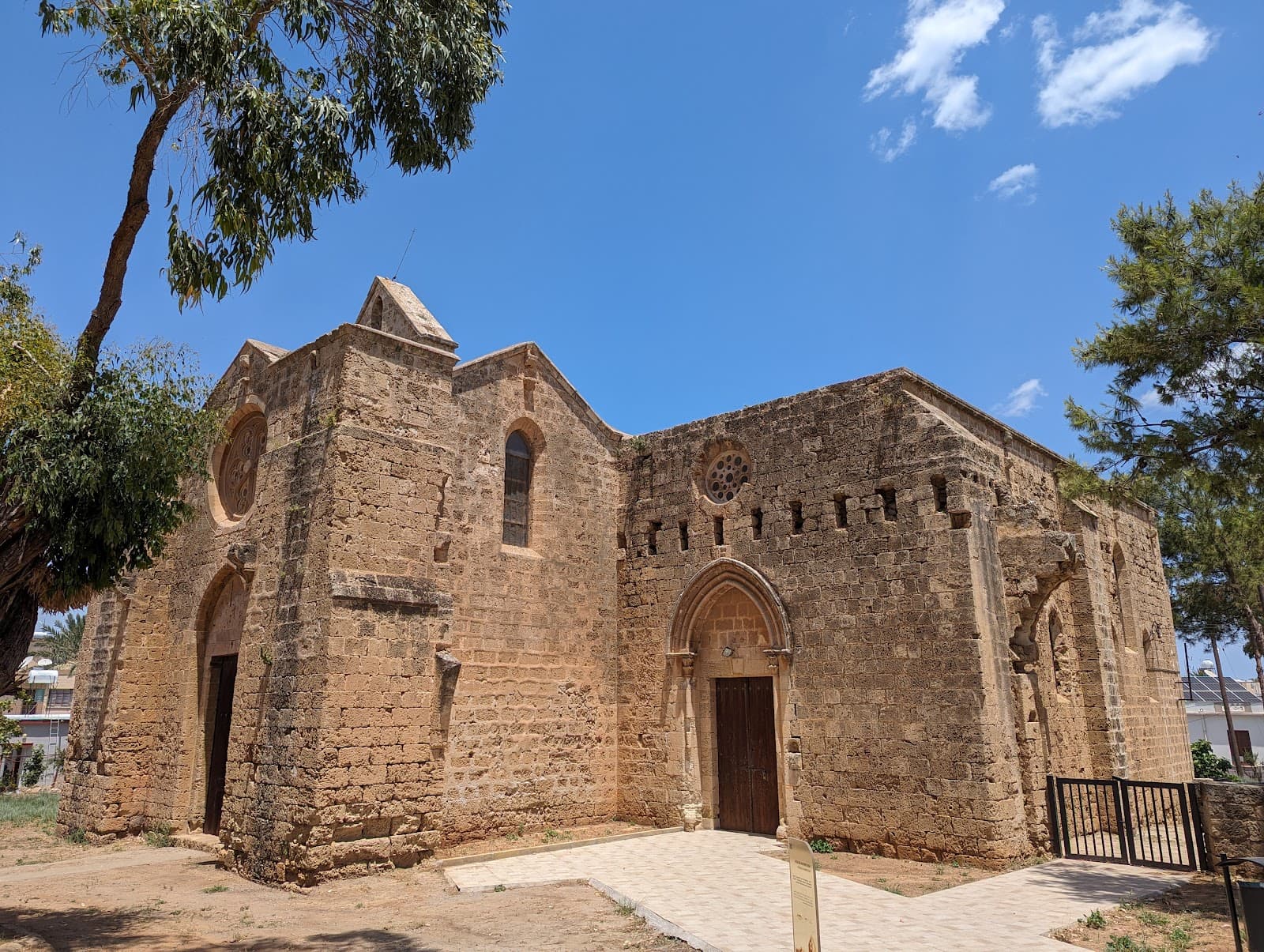
A historical gem in Famagusta, this church showcases centuries of religious and architectural evolution, from Nestorian roots to Greek Orthodox use.
Highlights
Must-see attractions

Social
From TikTok & Reddit
Best Time
Fewer crowds, better light
Church of the East
Best Time
Fewer crowds, better light
Highlights
Must-see attractions
A historical gem in Famagusta, this church showcases centuries of religious and architectural evolution, from Nestorian roots to Greek Orthodox use.
"One of the most historical churches in Famagusta area. Absolutely breathtaking."
👗 Dress Modestly
Cover shoulders and knees out of respect for this place of worship.
📚 Grab a Booklet
Check the booklets inside for historical info and a map of nearby sites.
Quick Facts
Rating
4.8 · 27 reviews
Type
Church
Highlights
Discover the most iconic attractions and experiences
Architectural Grandeur
Main Sanctuary
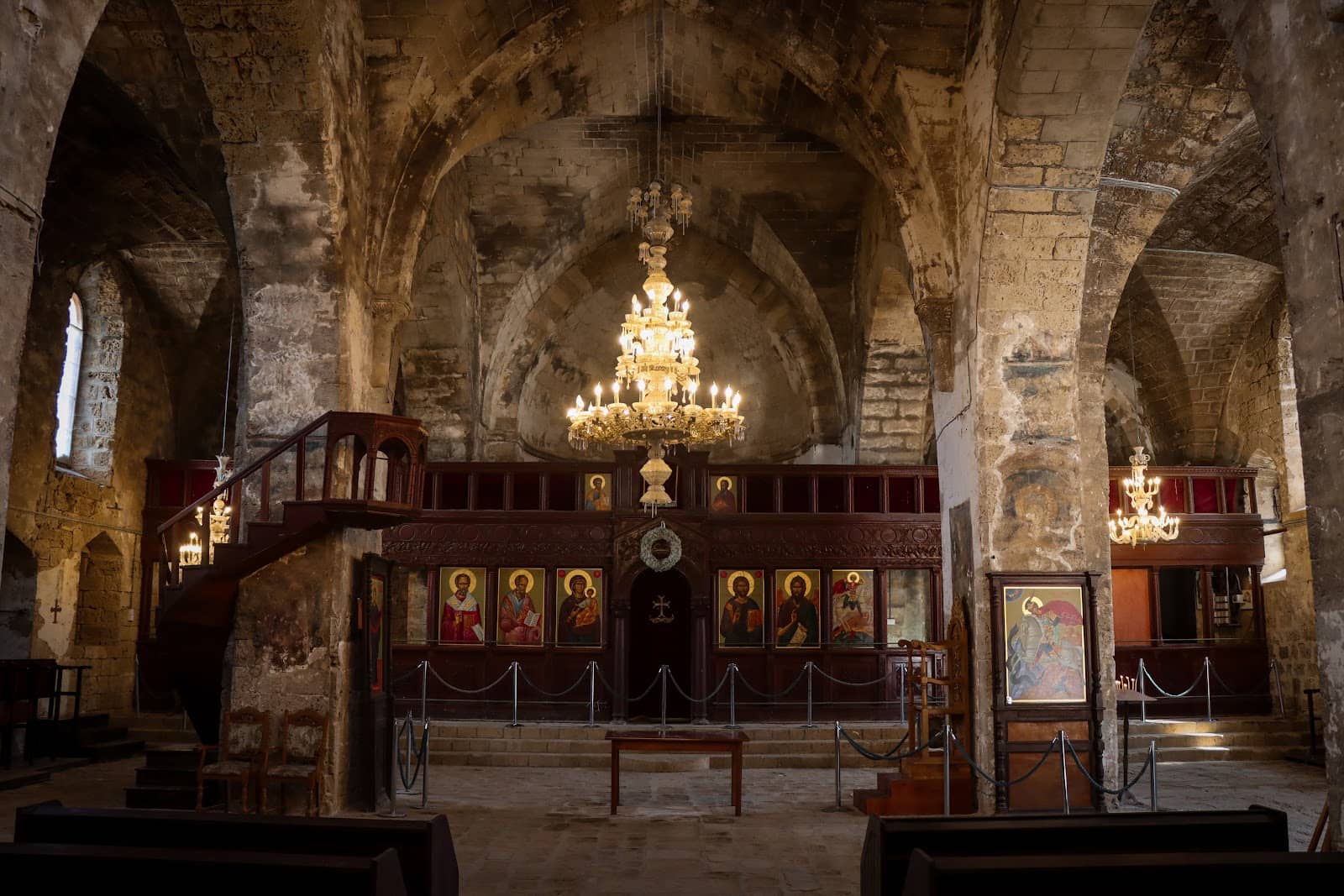
Admire the blend of architectural styles, from its original single-aisled design to later additions, including a striking rose window.
Historical Layers
Throughout the church
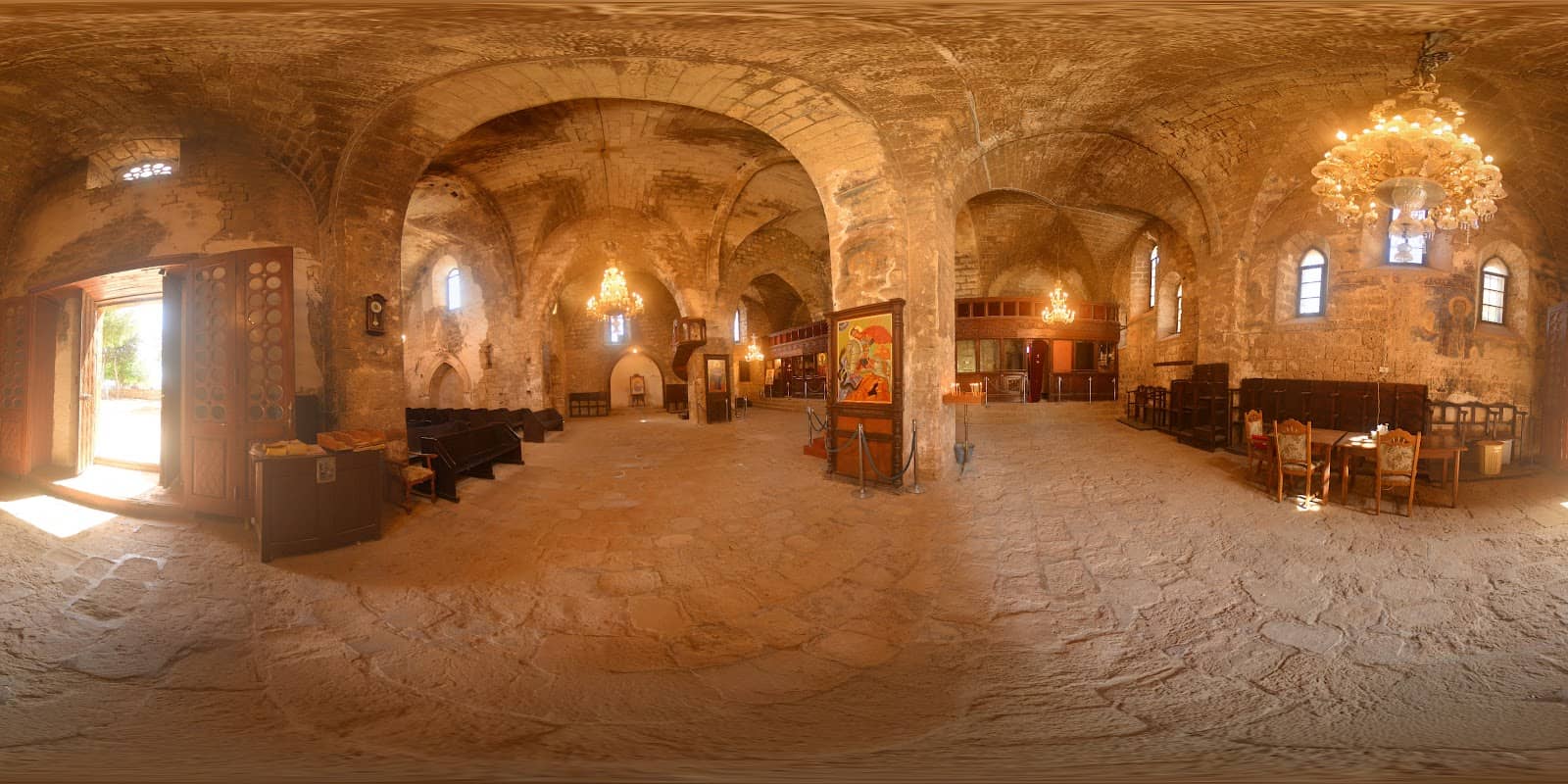
Explore the remnants of its Nestorian past, its time as a Greek Orthodox church, and its varied uses over centuries.
Ewangaleyon (Gospel Book)
Inside the church
Learn about the Ewangaleyon, the book of Gospels central to its liturgical practices, divided into lectionary sections.

Plans like a pro.
Thinks like you
Planning Your Visit
Respectful Visitation
Historical Significance
Best Times
Insider Tips
from TikTok, Instagram & Reddit
👗 Dress Modestly
Cover shoulders and knees out of respect for this place of worship.
📚 Grab a Booklet
Check the booklets inside for historical info and a map of nearby sites.
📸 Photo Etiquette
Be mindful of photography rules; some visitors have faced restrictions.
⏳ Allow Ample Time
Soak in the history; don't rush your visit to this significant site.
Tips
from all over the internet
👗 Dress Modestly
Cover shoulders and knees out of respect for this place of worship.
📚 Grab a Booklet
Check the booklets inside for historical info and a map of nearby sites.
📸 Photo Etiquette
Be mindful of photography rules; some visitors have faced restrictions.
⏳ Allow Ample Time
Soak in the history; don't rush your visit to this significant site.
What Travellers Say
Reviews Summary
Visitors praise the Church of the East for its rich history and breathtaking architecture, noting its significance as a former Nestorian and Greek Orthodox site. While some find the historical context fascinating, a few have encountered unexpected entry fees or felt closely monitored during their visit.
"I was blessed to be able to attend a Christmas service that was held here last year. The church is wonderful and in such a lovely location. Was a whole new experience get to have a service in a Greek Orthodox church. The icons on display and the lighting designs are beautiful and alluring. Do go visit it while you're in Famagusta. It's rich with history."
Joshua Daniel Mukiibi
"It's open between 9 am - 5 pm, you can check the booklets inside to learn about the place and find a map that shows other historical places"
Fevzi Arslan
"The Nestorians mainly arrived after the fall of Acre in 1291. They were mainly merchants, and extremely wealthy.
This church was reputedly built in 1359 by Francis Lakhas, who is said to be so rich that he once ground up a diamond to spread on his food, just to show that he could afford to do it.
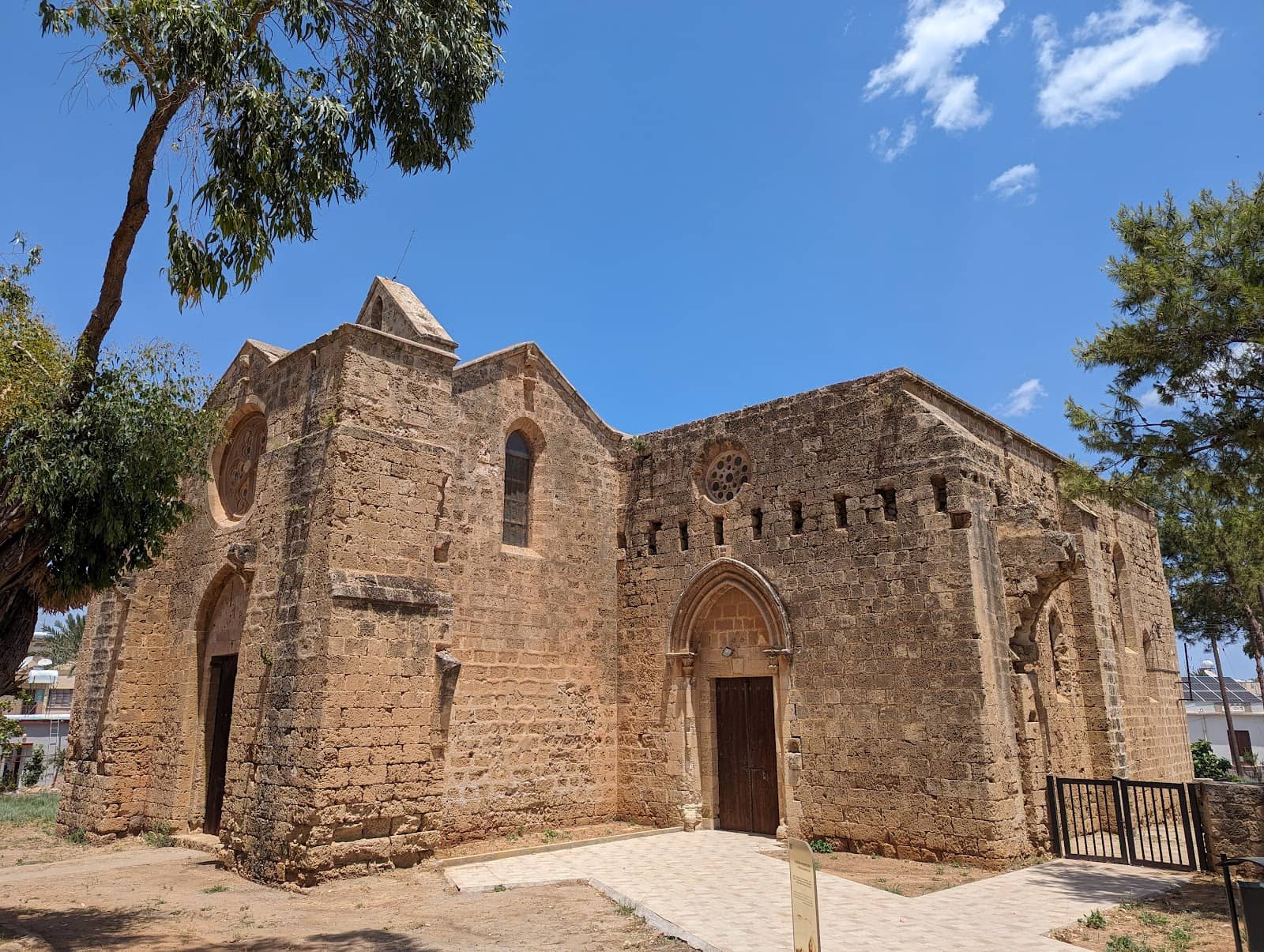
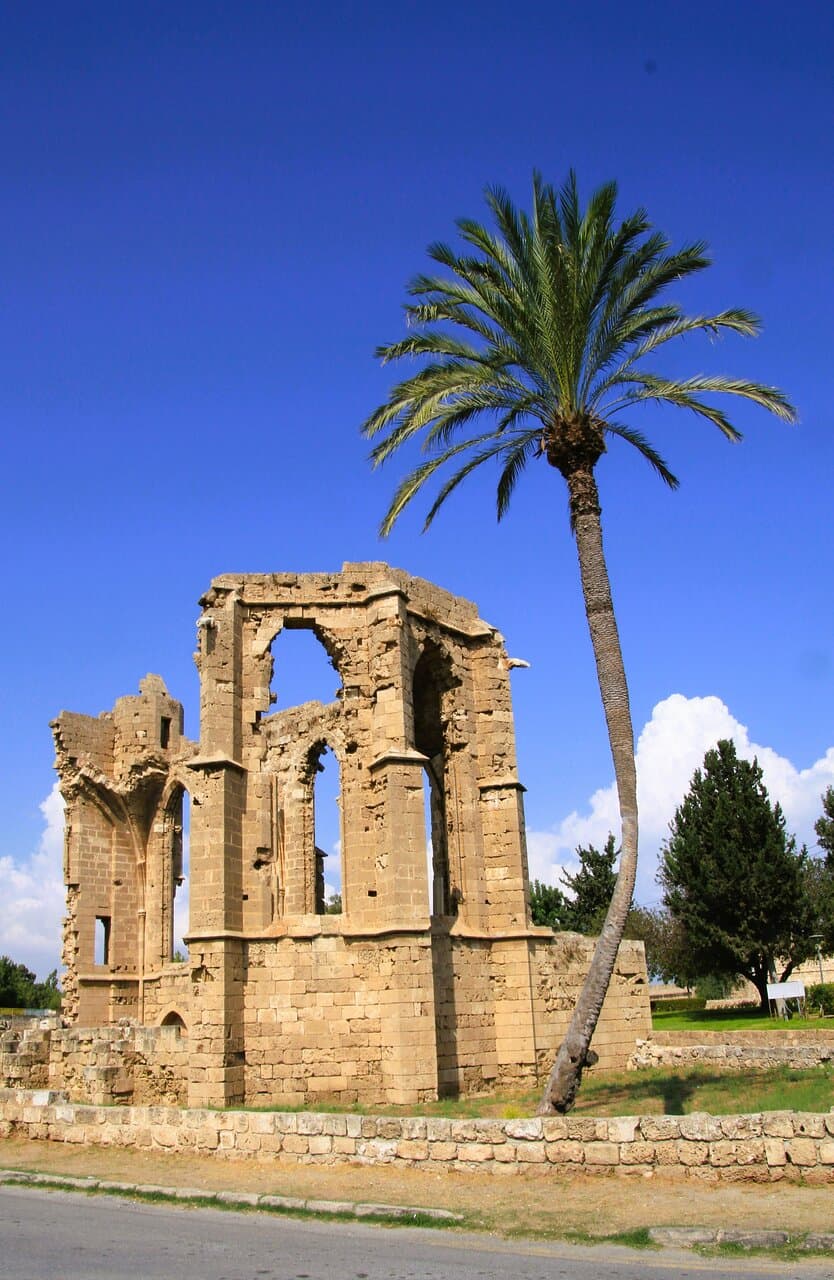
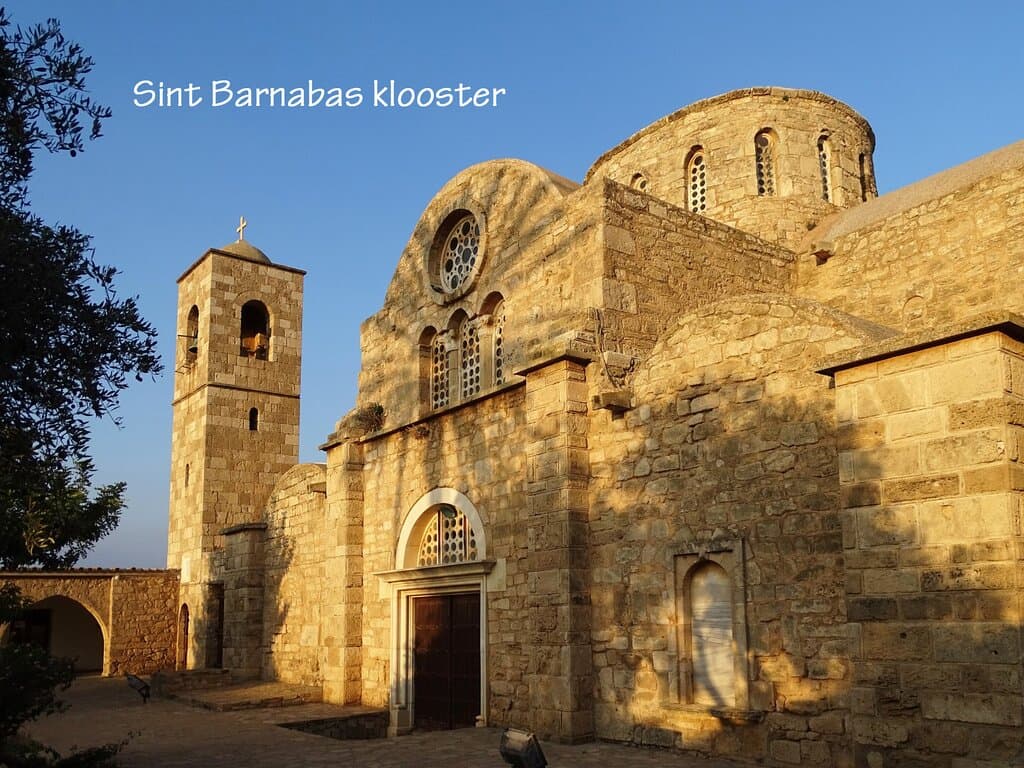
In spite of his great wealth, the church he built was simple, although there is a rather attractive rose window above the entrance. It was originally single aisled with a half-domed apse. At a later stage, two more aisles were added, and two pointed arches were opened in the north and south walls so that the aisles could communicate. It is thought that the belfry to the west is a later addition.
During Ottoman times, the church became redundant, as was used as a camel stable. In the mid 19th century, the church was converted to Greek Orthodox to serve the small Greek Cypriot community in Famagusta.
The Greeks dedicated the church to Ayios Yeoryios Exorinos (St George the exiler). Legend has it that if you swept up some dust from the floor of this church and put it in your enemy's house, it would cause their death or exile within a year. The church continued to serve the Greek Cypriots till 1963."
Ian Fergusson-Sharp
What People Like
What People Dislike
Frequently Asked Questions
🚇 🗺️ Getting There
The Church of the East is located in Famagusta, Northern Cyprus. If you are arriving by car, there is usually parking available nearby. Public transportation options might be limited, so consider a taxi or rental car for easier access.
Public transport options to reach the Church of the East can be infrequent. It's advisable to check local bus schedules in Famagusta or consider alternative transport like taxis for a more convenient journey.
Most visitors arrive in Famagusta via Ercan International Airport (ECN) in Northern Cyprus. From there, you can arrange a transfer or taxi to your accommodation and then to the church.
The Church of the East is a prominent historical site in Famagusta. It's often referred to by its historical names or as part of the old city's attractions. Using a GPS or asking locals for directions to the historical center should lead you there.
If coming from other parts of Cyprus, you might need to take a bus or taxi to Famagusta. Intercity bus services are available, connecting major towns.
🎫 🎫 Tickets & Entry
The Church of the East is typically open from 9 am to 5 pm. However, it's always a good idea to verify these hours before your visit, as they can sometimes change.
While some historical sites may have fees, information suggests that entry to the Church of the East might be free or have a nominal charge. Be aware that some visitors have reported unexpected fees.
Online booking for tickets to the Church of the East is generally not available. Entry is usually on a walk-in basis during its operating hours.
Visitors are advised to dress modestly, covering shoulders and knees, as it is a place of worship. Some visitors have experienced close monitoring or specific entry requirements.
Visiting in the morning, shortly after opening, or later in the afternoon can help you avoid the peak crowds and enjoy a more peaceful experience.
🎫 🏛️ Onsite Experience
Originally built by Nestorians in 1359, it later served the Greek Orthodox community and even functioned as a camel stable. Its history reflects the diverse cultural influences in Famagusta.
Key features include its original single-aisled design, a half-domed apse, later added aisles with pointed arches, and a notable rose window above the entrance.
Photography policies can vary. Some visitors have reported being allowed to take photos, while others have encountered restrictions or fees. Be respectful and check for any posted signs.
The Ewangaleyon is the book of Gospels, containing the four canonical Gospels in the Peshitta text, used in the liturgical practices of the Church of the East.
Official guided tours may not be readily available. However, you can learn a lot from the informational booklets provided inside the church and by exploring the historical context yourself.
📸 📸 Photography
The rose window above the entrance offers a unique photographic opportunity. The interior, with its historical architecture and potential for atmospheric lighting, is also a great subject.
Some visitors have noted that photography can be restricted or may incur a fee. It's best to be discreet and respectful of any rules in place.
Natural light filters in through the windows, including the rose window, creating a unique ambiance. Consider visiting during daylight hours for the best natural lighting conditions.
Tripod usage is often restricted in historical religious sites to protect the structures and avoid obstructing other visitors. It's advisable to avoid using one unless explicitly permitted.
The intricate details of the architecture, the historical textures of the stone, and the play of light and shadow are all highly photogenic. The rose window is a particular highlight.

Social
from TikTok, Instagram & Reddit