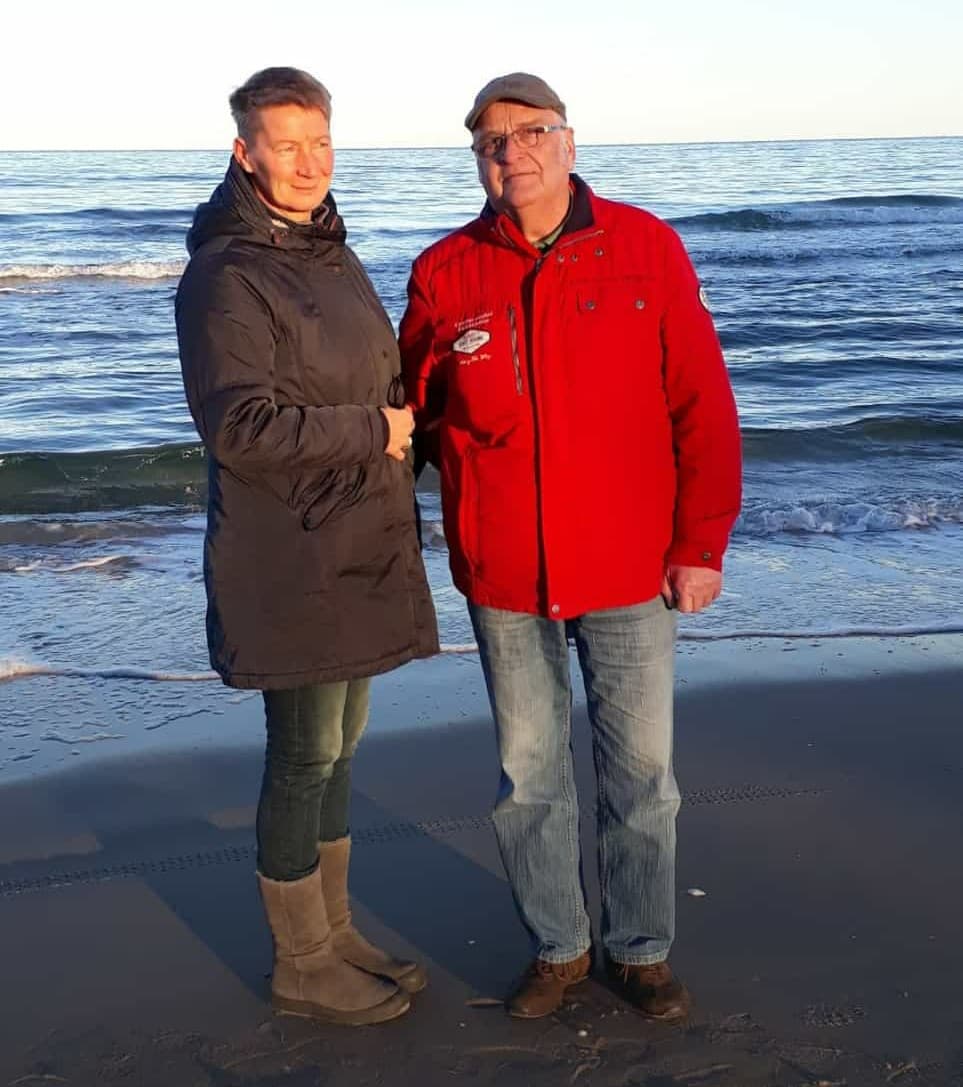
Baltic Sea Coast
Experience the diverse beauty of the Baltic Sea Coast, from Germany's dramatic chalk cliffs to Poland's vast sandy beaches and charming seaside towns.
Highlights
Must-see attractions

Social
From TikTok & Reddit
Best Time
Golden light, fewer crowds
Baltic Sea Coast
Best Time
Golden light, fewer crowds
Highlights
Must-see attractions
Experience the diverse beauty of the Baltic Sea Coast, from Germany's dramatic chalk cliffs to Poland's vast sandy beaches and charming seaside towns.

Pack for all weather
The Baltic coast weather is unpredictable. Bring layers, a waterproof jacket, and sunscreen! ☂️ :sunwithface:
Explore beyond the beaches
Discover charming seaside towns and historical sites inland for a richer Baltic coast experience. :housewithgarden: 🏰

Quick Facts
Highlights
Discover the most iconic attractions and experiences
Rügen's Chalk Cliffs
Jasmund National Park, Germany
Iconic white cliffs meeting the turquoise sea. A breathtaking natural wonder offering stunning views and hiking trails.
Sopot Pier
Sopot, Poland
Europe's longest wooden pier, stretching into the Baltic Sea. A lively promenade with shops, restaurants, and sea air.
Wolin National Park
Wolin Island, Poland
Pristine beaches, ancient forests, and a chance to see European bison. Offers a wilder, more natural Baltic coast experience.
Plans like a pro.
Thinks like you
Planning Your Visit
Embrace the Baltic Breeze
Navigating the Coastline
Best Times
Insider Tips
from TikTok, Instagram & Reddit
Pack for all weather
The Baltic coast weather is unpredictable. Bring layers, a waterproof jacket, and sunscreen! ☂️ :sunwithface:
Explore beyond the beaches
Discover charming seaside towns and historical sites inland for a richer Baltic coast experience. :housewithgarden: 🏰
Book ferries in advance
If planning island hops or cross-border trips, secure ferry tickets early, especially in peak season. ⛴️ 🎟️
Rent a bike
Many coastal paths are perfect for cycling. It's a great way to see the German or Polish Baltic coast at your own pace. 🚲
Tips
from all over the internet
Pack for all weather
The Baltic coast weather is unpredictable. Bring layers, a waterproof jacket, and sunscreen! ☂️ :sunwithface:
Explore beyond the beaches
Discover charming seaside towns and historical sites inland for a richer Baltic coast experience. :housewithgarden: 🏰
Book ferries in advance
If planning island hops or cross-border trips, secure ferry tickets early, especially in peak season. ⛴️ 🎟️
Rent a bike
Many coastal paths are perfect for cycling. It's a great way to see the German or Polish Baltic coast at your own pace. 🚲
What Travellers Say
Reviews Summary
Visitors consistently praise the beautiful sandy beaches, the refreshing sea air, and the charming seaside towns along the Baltic Sea Coast. The diverse landscapes, from dramatic cliffs to unique sand dunes, are a major draw. While some find the weather unpredictable, the overall experience is described as relaxing and picturesque, with good value for money, especially on the Polish side.
What People Like
What People Dislike
Frequently Asked Questions
🚇 🗺️ Getting There
The Baltic Sea Coast is accessible by train and car from major German and Polish cities. For the German Baltic coast, cities like Hamburg and Berlin are good starting points. For the Polish Baltic coast, Warsaw and Krakow are common departure points. Driving offers the most flexibility to explore various towns and beaches along the Baltic coast.
Public transport is decent in larger towns and cities along the Baltic coast, with bus and train connections. However, to reach more secluded beaches or smaller villages on the German Baltic coast or Polish Baltic coast, a car is highly recommended for convenience and exploring the full extent of the Baltic coast.
Yes, you can fly into airports near the Baltic Sea Coast. For the German Baltic coast, consider airports like Rostock-Laage (RLG) or Hamburg (HAM). For the Polish Baltic coast, Gdansk Lech Walesa Airport (GDN) is a major gateway. From there, you can rent a car or take public transport.
Traveling between the German and Polish Baltic coast is best done by car, offering scenic drives and the freedom to stop at various points. Ferries are also an option for certain routes, and trains connect major cities on both sides of the Baltic coast.
Absolutely! The Baltic coast is renowned for its extensive cycling paths, particularly along the German Baltic coast and parts of the Polish Baltic coast. Many routes are well-maintained and offer stunning sea views, making it a popular way to explore the Baltic coast.
🎫 🎫 Tickets & Entry
Most natural beaches along the Baltic Sea Coast are free to access. However, some popular resort towns on the German Baltic coast or Polish Baltic coast might have small entry fees for specific beach sections or promenades during peak season. Always check local signage.
Yes, national parks like Jasmund National Park (Germany) and Wolin National Park (Poland) on the Baltic coast may have small entrance fees or parking charges. These fees contribute to the conservation of these beautiful natural areas along the Baltic coast.
Visiting Sopot Pier in Poland typically involves a small entrance fee, especially during the summer months. This fee helps maintain the pier and its facilities. Other attractions along the Baltic coast vary in price.
For many popular attractions and national parks on the Baltic Sea Coast, purchasing tickets online in advance is recommended, especially during peak season. This can save you time and sometimes offer discounts. Check the official websites for the German Baltic coast and Polish Baltic coast attractions.
Seaside towns on the Baltic coast generally have shops and restaurants open from morning until late evening, especially during summer. Attractions like museums or historical sites will have specific opening hours, which are best checked online before your visit to the Baltic coast.
🎫 🧭 Onsite Experience
The iconic chalk cliffs of Rügen on the German Baltic coast are a must-see. On the Polish Baltic coast, explore the unique landscapes of Wolin National Park and the moving sand dunes of Słowiński National Park. The diverse natural beauty of the Baltic coast is a major draw.
Families will love the sandy beaches for swimming and sandcastle building. Many towns offer playgrounds, mini-golf, and boat trips. Visiting seal sanctuaries or aquariums along the German or Polish Baltic coast can also be a hit with kids. The Baltic coast offers plenty of family fun.
Yes, the Baltic Sea Coast offers excellent hiking. Explore the trails in Jasmund National Park for stunning cliff views, or wander through the forests and coastal paths of Wolin National Park on the Polish Baltic coast. The varied terrain makes for enjoyable hikes across the Baltic coast.
You might spot various seabirds, seals, and even porpoises in the waters of the Baltic Sea. Inland, especially in national parks like Wolin, you can find deer, wild boar, and European bison. Birdwatching is particularly popular along the Baltic coast.
For the German Baltic coast, consider towns like Binz, Sellin, or Stralsund. On the Polish Baltic coast, Sopot, Hel Peninsula, and Kolobrzeg are highly recommended. Each offers unique architecture and a distinct atmosphere along the Baltic coast.
🍽️ 🍽️ Food & Dining
Freshly caught fish is a highlight! Try Baltic herring (Matjes), plaice, cod, and eel. Many restaurants along the German and Polish Baltic coast serve fish prepared in various ways – fried, smoked, or in hearty stews. Don't miss the local smoked fish stands.
While seafood is prominent, most restaurants on the Baltic Sea Coast now offer vegetarian and vegan dishes. Look for vegetable gratins, pasta dishes, or salads. Some establishments are increasingly catering to diverse dietary needs along the Baltic coast.
Dining prices on the Baltic coast can vary. Casual eateries and fish stands offer more affordable meals, while upscale restaurants in popular resorts on the German or Polish Baltic coast will be pricier. Expect to pay around €15-€25 for a main course in a mid-range restaurant.
Seek out smaller, family-run restaurants away from the main tourist strips for more authentic experiences on the Baltic coast. Local markets are also great places to sample regional produce and snacks. Ask locals for their favorite spots along the Baltic coast.
Yes, you'll find plenty of charming cafes and bakeries offering delicious pastries, cakes, and coffee. They are perfect for a mid-day break or a sweet treat while exploring the towns and beaches of the Baltic coast. Look for local specialties like 'Paszteciki' in Poland.
📸 📸 Photography
The chalk cliffs of Rügen, the historic piers like Sopot Pier, picturesque harbor towns, and the vast sandy beaches are incredibly photogenic. Sunrises and sunsets over the Baltic Sea offer dramatic lighting for stunning photos along the Baltic coast.
Early morning and late afternoon (golden hours) provide the best light for photography on the Baltic coast, minimizing harsh shadows and creating a warm, inviting atmosphere. Midday can be good for capturing the vibrant blues of the sea and sky.
Drone regulations vary across the German Baltic coast and Polish Baltic coast. Always check local rules and restrictions before flying, especially in national parks or near protected areas. Respect privacy and avoid flying over populated areas on the Baltic coast.
A wide-angle lens is great for capturing landscapes and seascapes. A telephoto lens can be useful for wildlife spotting. A sturdy tripod is recommended for sunrise/sunset shots. Don't forget a polarizing filter to enhance the sea and sky on the Baltic coast.
Focus on the distinctive seaside architecture, like the 'Bäderarchitektur' (resort architecture) on Germany's Baltic coast or the colorful buildings in Polish coastal towns. Look for interesting details, balconies, and historical facades. Capturing these elements adds character to your Baltic coast photos.
Social
from TikTok, Instagram & Reddit