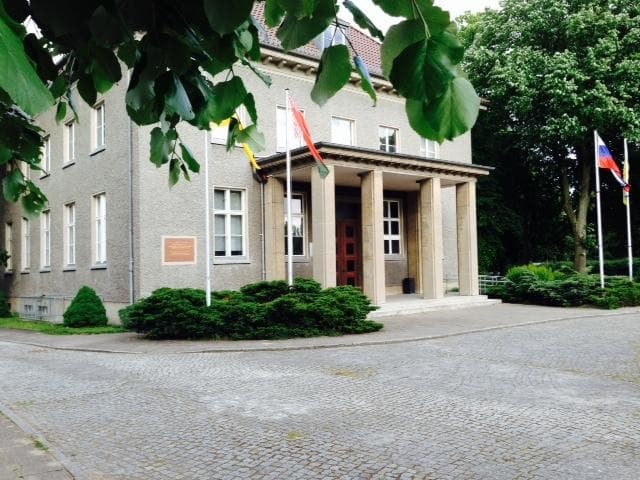
German-Russian Museum Berlin-Karlshorst
Witness the site of Nazi Germany's WWII surrender and explore the Eastern Front's history. Free entry, profound impact.
Highlights
Must-see attractions

Social
From TikTok & Reddit
Best Time
Fewer crowds, more reflection
German-Russian Museum Berlin-Karlshorst
Best Time
Fewer crowds, more reflection
Highlights
Must-see attractions
Witness the site of Nazi Germany's WWII surrender and explore the Eastern Front's history. Free entry, profound impact.
"A must-visit for history lovers, offering a powerful and detailed insight into WWII's end."
🎯 Free Admission!
Entry is completely free, but donations are welcome to help maintain this historic site.
⏰ Allow ample time
Plan for 1-2 hours to fully appreciate the detailed exhibitions and the significant surrender room.
Quick Facts
Hours
Rating
4.6 · 1,848 reviews
Type
Museum
Highlights
Discover the most iconic attractions and experiences
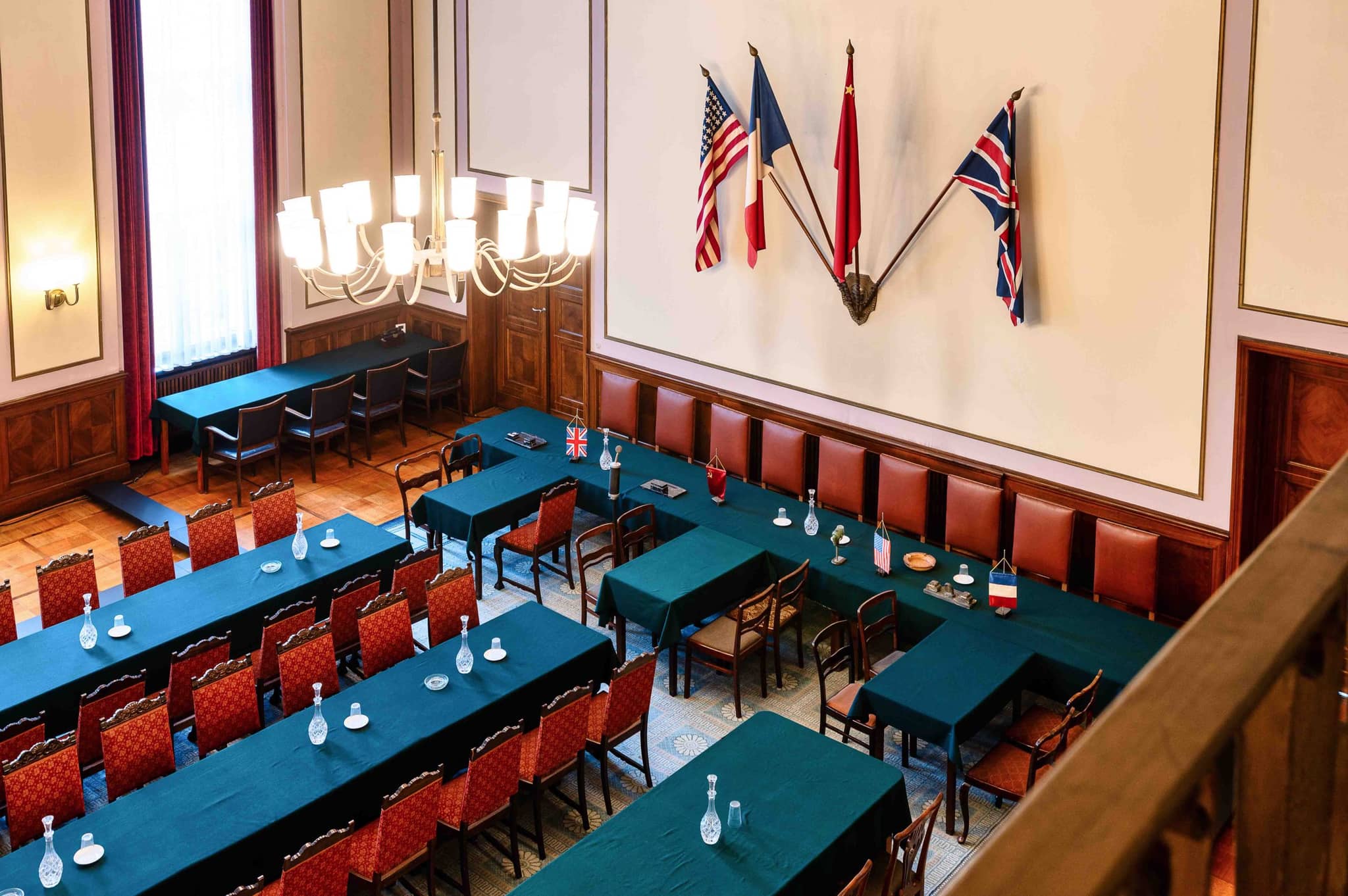
The Surrender Room
Main Floor
Stand in the very room where Nazi Germany signed its unconditional surrender in 1945. It's preserved as it was.

Eastern Front Exhibition
Explore the often-overlooked war on the Eastern Front with original documents, photos, and artifacts.
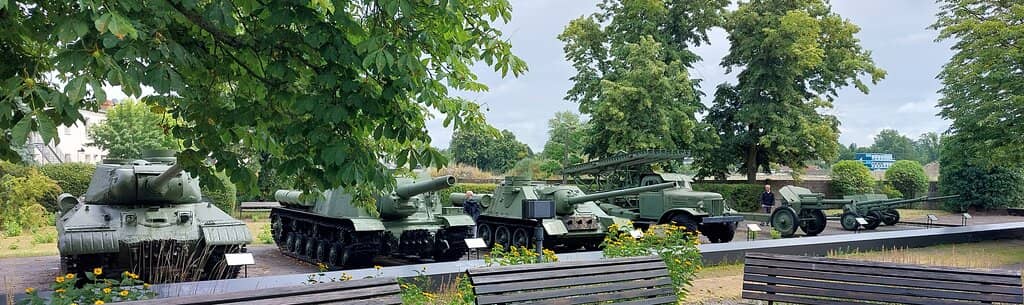
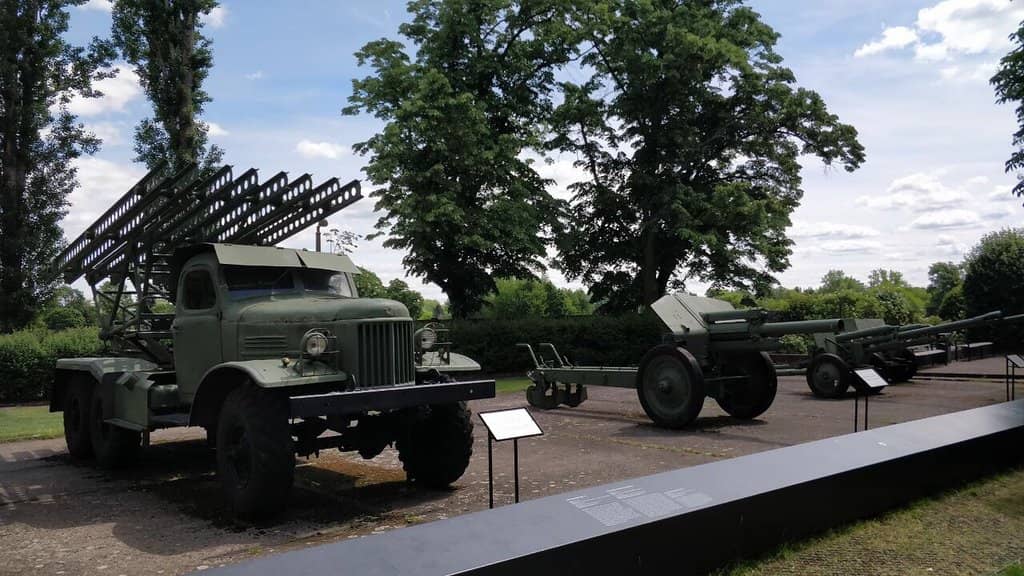
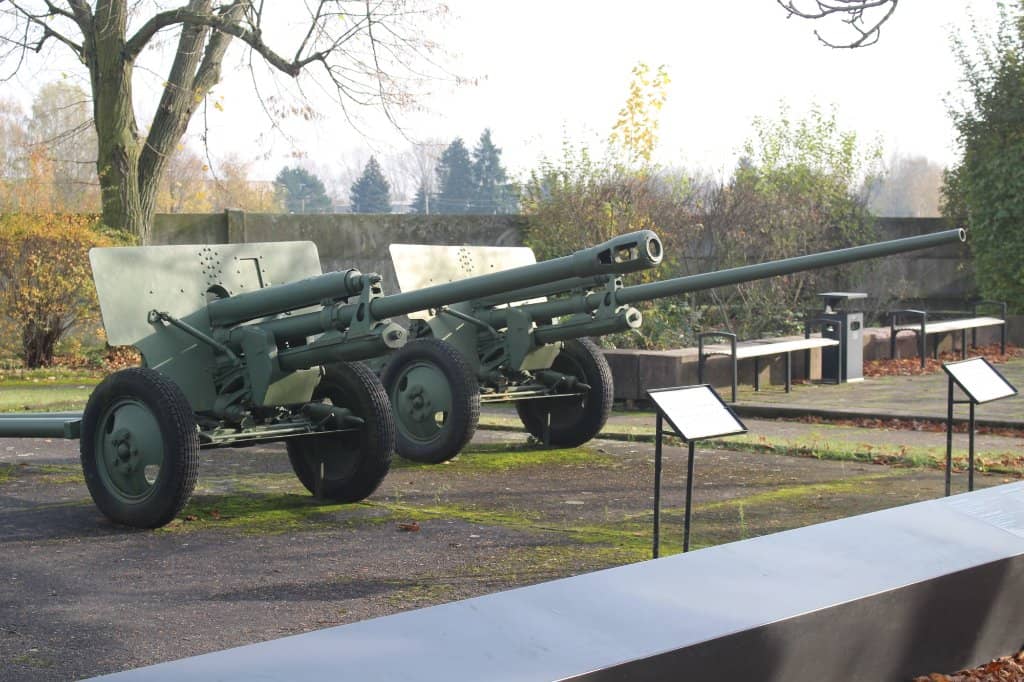
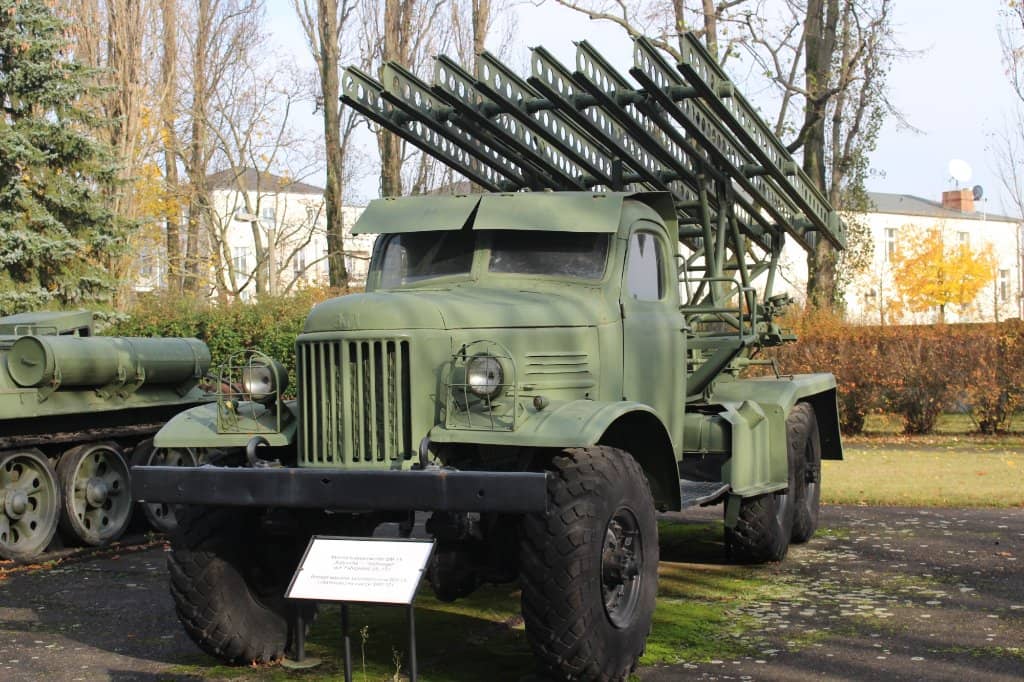
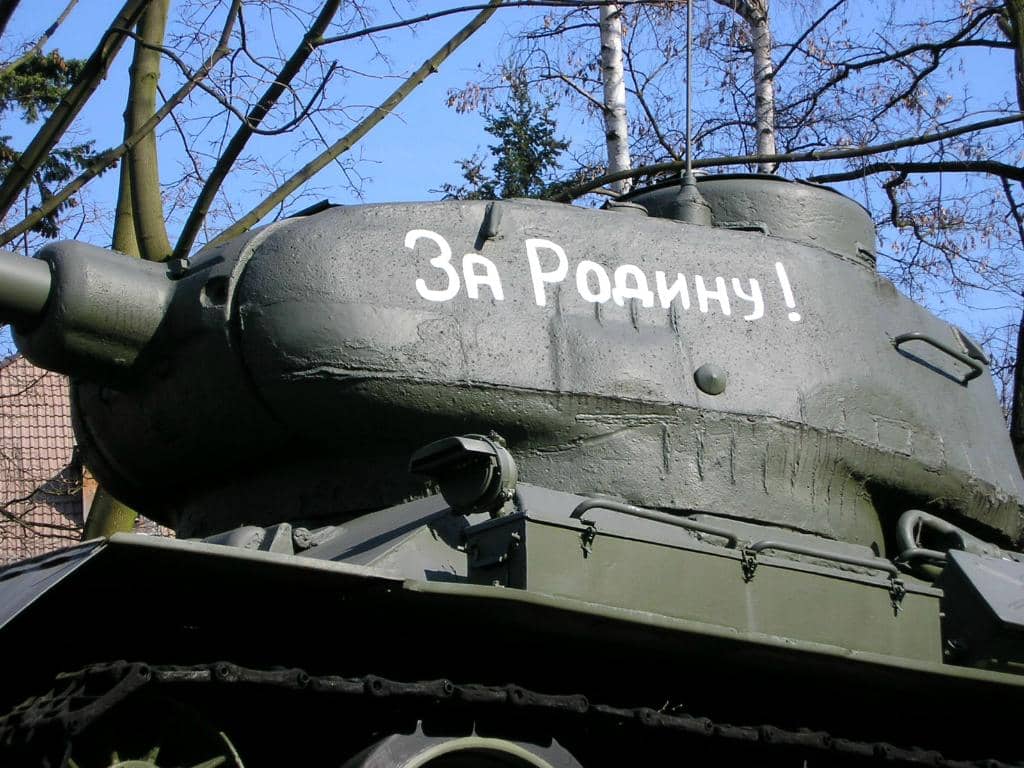
Soviet Military Equipment
Outside
See preserved Soviet tanks and armored vehicles from WWII displayed outside the museum.
Plans like a pro.
Thinks like you
Planning Your Visit
Free Entry, Profound History
Location & Accessibility
Best Times
Insider Tips
from TikTok, Instagram & Reddit
🎯 Free Admission!
Entry is completely free, but donations are welcome to help maintain this historic site.
⏰ Allow ample time
Plan for 1-2 hours to fully appreciate the detailed exhibitions and the significant surrender room.
📚 Multilingual Displays
Exhibits are in German, Russian, and English, making it accessible for international visitors.
🧳 Free Lockers Available
Secure your belongings in the complimentary lockers provided by the museum.
Tips
from all over the internet
🎯 Free Admission!
Entry is completely free, but donations are welcome to help maintain this historic site.
⏰ Allow ample time
Plan for 1-2 hours to fully appreciate the detailed exhibitions and the significant surrender room.
📚 Multilingual Displays
Exhibits are in German, Russian, and English, making it accessible for international visitors.
🧳 Free Lockers Available
Secure your belongings in the complimentary lockers provided by the museum.
What Travellers Say
Reviews Summary
Visitors consistently praise the German-Russian Museum Berlin-Karlshorst for its profound historical significance, free admission, and well-curated, multilingual exhibitions. Many find the surrender room particularly impactful, offering a tangible connection to the end of WWII. While the subject matter is heavy, the museum is highly recommended for its informative and balanced presentation of the Eastern Front and post-war history.
"An amazing museum and completely free of charge. The exhibitions are well-curated, covering WWII and post-war history with depth and balance.
All displays are presented in German, Russian, and English, which makes it accessible and easy to follow. There’s a lot to see inside, including authentic documents, weapons, propaganda, tanks outside, and multimedia content."
Arnold “Traveller”
"Extremely informative museum, it displays the events on the Eastern Front in a way that is not influenced by politics nor propaganda and is generally ill-covered in school or documentaries. It features lots of original photos and documents, complemented by several small arms and four armoured vehicles outside, perfectly preserved. I would suggest planning one hour for a short visit and a bit less than two hours for a thorough tour."
Andrea Tocci
"A must-visit for anyone interested in European history. The Museum Berlin-Karlshorst offers a powerful and detailed insight into World War II, especially the Eastern Front and the events surrounding Germany’s surrender. The exhibitions are informative, well-organized, and emotionally impactful. It’s not just a museum—it’s a place that makes you reflect. Highly recommended for history enthusiasts and anyone wanting to better understand Europe’s past."
Adrian R.
What People Like
What People Dislike
Frequently Asked Questions
🚇 🗺️ Getting There
The museum is easily accessible via public transport. Take the S-Bahn (S3 or S7) to Karlshorst station. From there, it's a pleasant 10-15 minute walk to the museum.
Limited street parking may be available in the surrounding residential areas, but public transport is highly recommended for ease of access.
S-Bahn lines S3 and S7 both stop at Karlshorst station, making them convenient options from various parts of Berlin.
The museum is generally accessible, with exhibits on the main floor being easily navigable. Inquire directly about specific accessibility needs.
The S-Bahn ride from Alexanderplatz to Karlshorst station typically takes around 20-25 minutes, followed by a short walk.
🎫 🎫 Tickets & Entry
The museum offers free admission to all visitors, making it an accessible historical site for everyone. Donations are appreciated.
The museum is typically open from Tuesday to Sunday, with hours usually from 10 AM to 6 PM. It's always best to check their official website for the most current hours.
No, advance booking is not required as admission is free. You can visit spontaneously during opening hours.
The museum occasionally hosts special exhibitions and events. Check their website or social media for announcements regarding these.
Yes, the museum provides free lockers where you can store larger bags and belongings for your convenience.
🎫 🧭 Onsite Experience
You can explore exhibits on WWII's Eastern Front, the German surrender in 1945, and the post-war Soviet presence in Germany. The surrender room is a highlight.
A brief visit can take about an hour, but for a thorough exploration of the exhibits, plan for closer to two hours.
Yes, all displays are presented in German, Russian, and English, ensuring accessibility for a wide range of visitors.
Photography is generally permitted for personal use, but it's always advisable to check for any specific restrictions within certain exhibition areas.
This building is where Nazi Germany signed its unconditional surrender to the Allied forces on May 8, 1945, effectively ending WWII in Europe. It also served as Marshal Zhukov's headquarters. +1
📸 📸 Photography
Photography for personal use is generally allowed, but it's wise to look for signs indicating areas where it might be restricted.
The historic surrender room, with its preserved furniture and atmosphere, is a very significant and photogenic spot. The exterior with Soviet military vehicles also offers great photo opportunities.
Visitors often share photos of the surrender room, historical documents, artifacts, and the outdoor Soviet military equipment.
Yes, with good lighting and composition, smartphones can capture compelling images, especially in the well-lit exhibition spaces.
While not always explicitly stated, it's a good practice to avoid using flash photography, especially near sensitive artifacts, to prevent damage.
Social
from TikTok, Instagram & Reddit