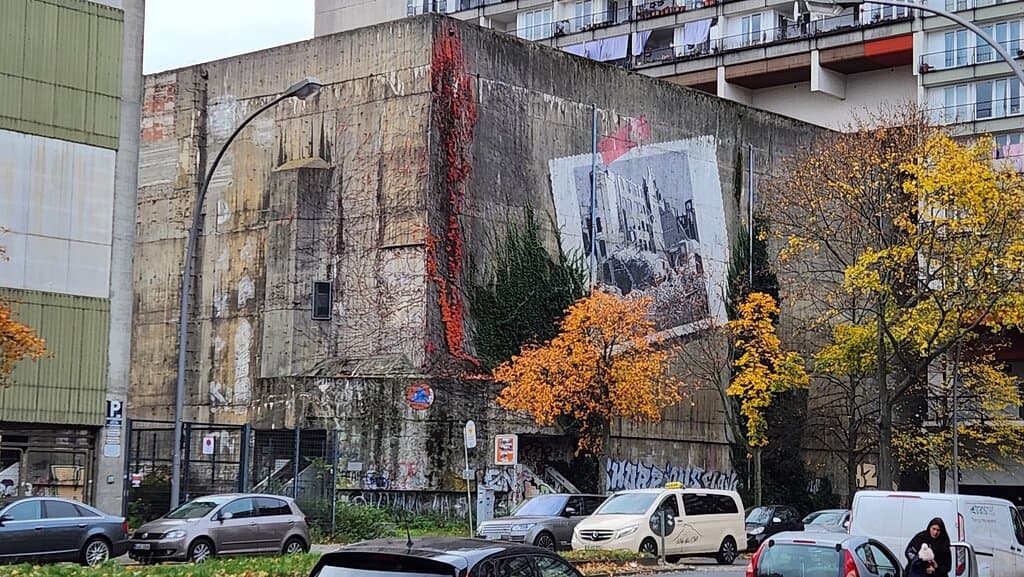
Hochbunker Pallasstraße
A colossal WWII bunker in Berlin, a resilient architectural marvel integrated into modern housing, serving as a historical monument.
Highlights
Must-see attractions

Social
From TikTok & Reddit
Best Time
Best light for photos
Hochbunker Pallasstraße
Best Time
Best light for photos
Highlights
Must-see attractions
A colossal WWII bunker in Berlin, a resilient architectural marvel integrated into modern housing, serving as a historical monument.
"A relic of the past, hiding in plain sight in Schöneberg."
📸 Photography Opportunities
Capture the bunker's scale and its unusual integration with modern buildings. Look for unique angles!
📅 Check for Events
The bunker sometimes hosts art installations or exhibitions. Check local listings for access.
Quick Facts
Rating
4.4 · 57 reviews
Type
Historical Place
Highlights
Discover the most iconic attractions and experiences
The Imposing Exterior
Pallasstraße, Schöneberg
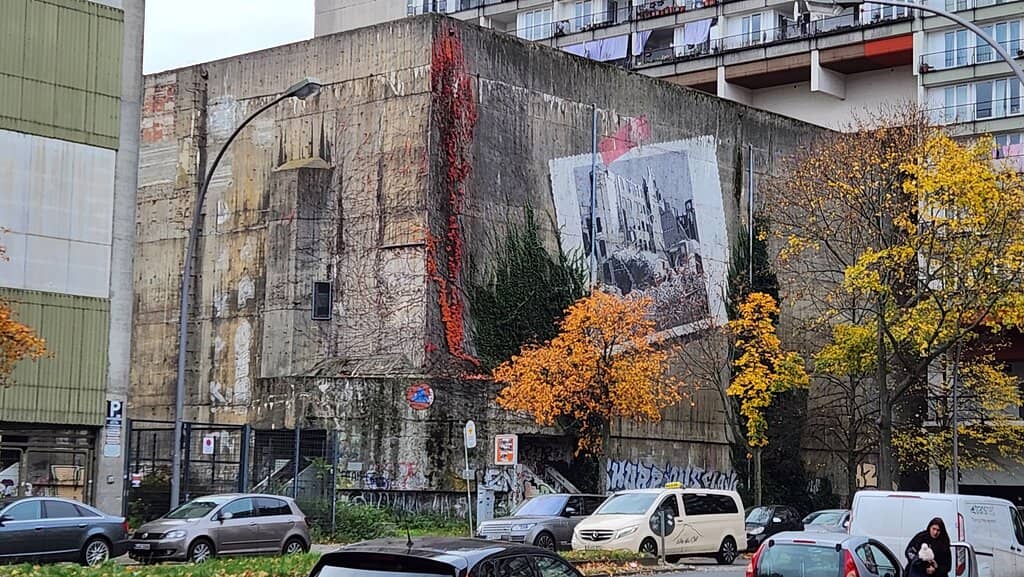
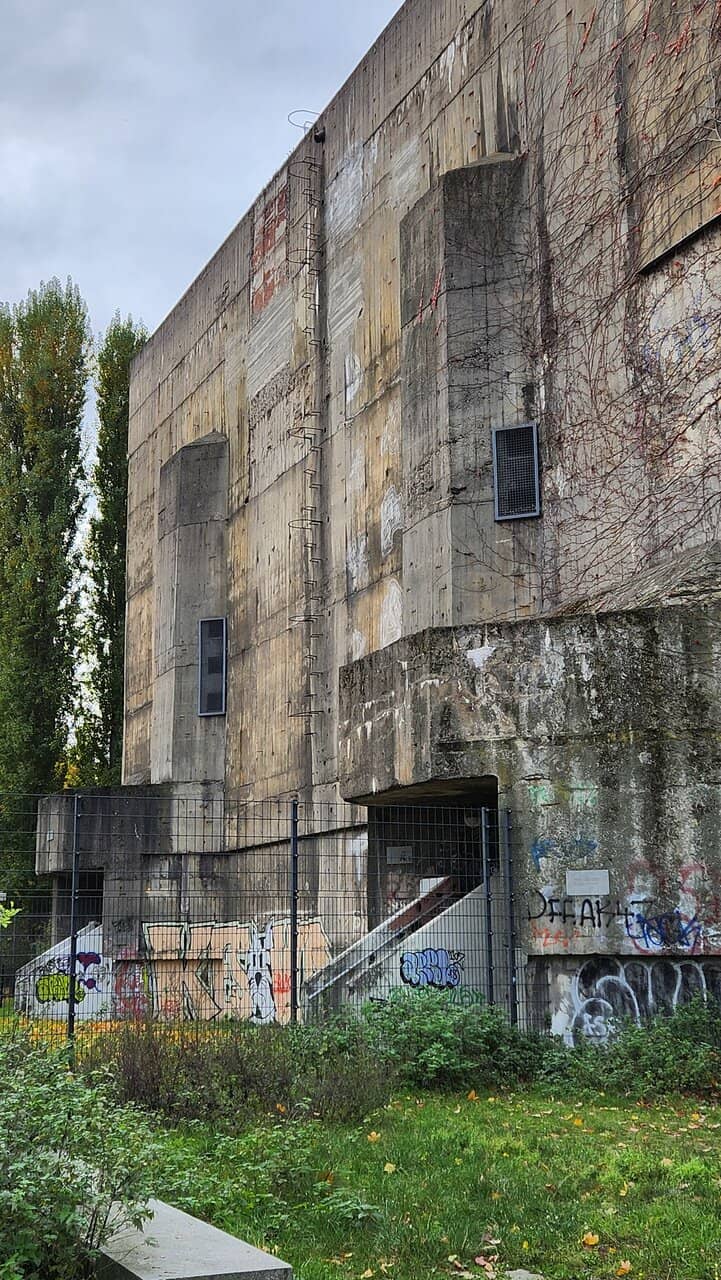
A colossal WWII bunker, a testament to brutalist architecture and historical resilience, now integrated into modern city life.
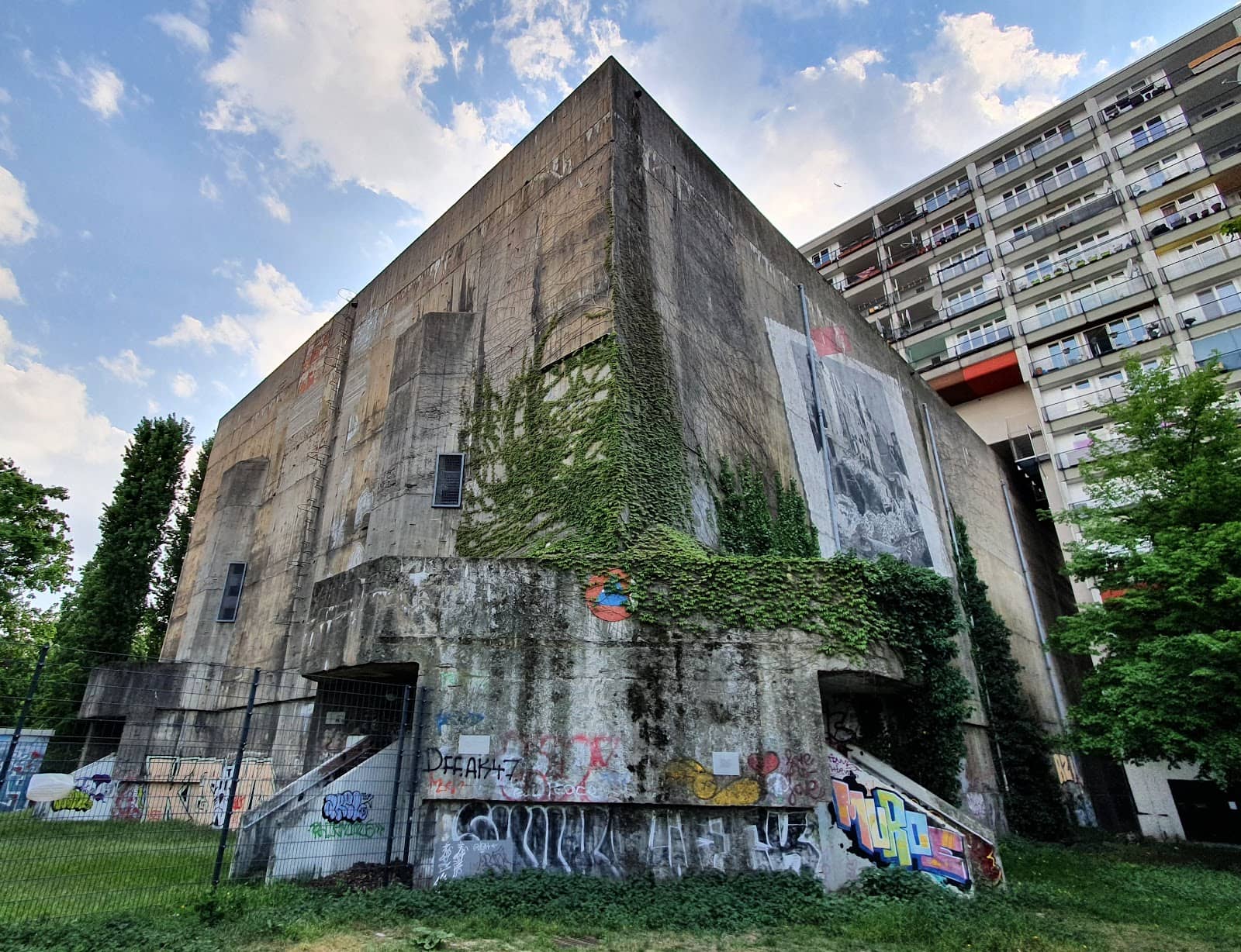
Architectural Integration
Pallasstraße, Schöneberg
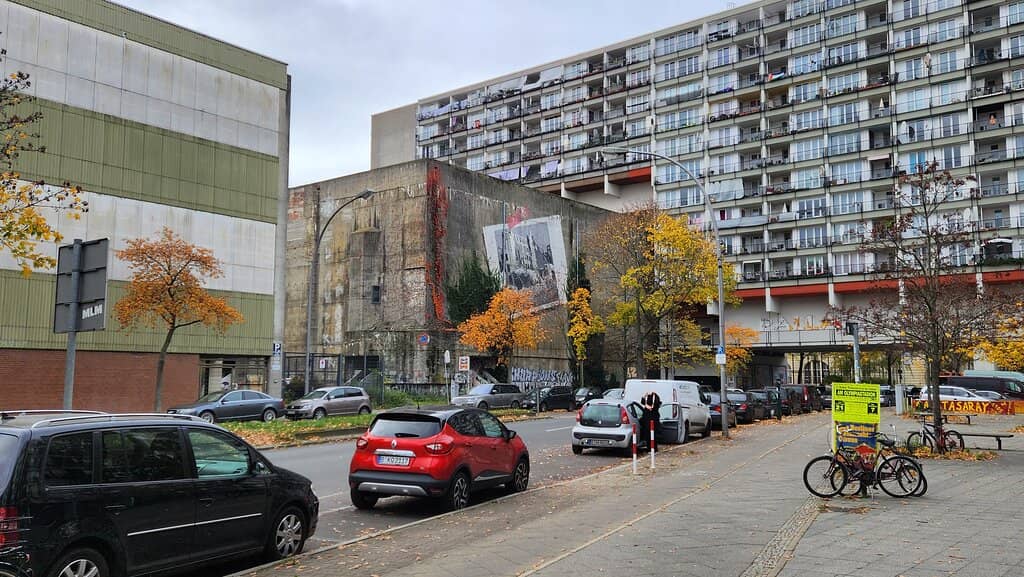
Witness how a massive concrete bunker coexists with residential housing, a truly unique Berlin urban landscape.
Memorial & Exhibition Space
Pallasstraße, Schöneberg
Discover the bunker's role as a 'place of remembrance' and its use for art installations and historical exhibitions.
Plans like a pro.
Thinks like you
Planning Your Visit
Access & Viewing
Historical Significance
Best Times
Insider Tips
from TikTok, Instagram & Reddit
📸 Photography Opportunities
Capture the bunker's scale and its unusual integration with modern buildings. Look for unique angles!
📅 Check for Events
The bunker sometimes hosts art installations or exhibitions. Check local listings for access.
🚶♂️ Explore the Area
Wander around Schöneberg to appreciate how this massive structure is part of the neighborhood.
📚 Understand the History
Research its WWII origins and Cold War significance for a richer visit.
Tips
from all over the internet
📸 Photography Opportunities
Capture the bunker's scale and its unusual integration with modern buildings. Look for unique angles!
📅 Check for Events
The bunker sometimes hosts art installations or exhibitions. Check local listings for access.
🚶♂️ Explore the Area
Wander around Schöneberg to appreciate how this massive structure is part of the neighborhood.
📚 Understand the History
Research its WWII origins and Cold War significance for a richer visit.
What Travellers Say
Reviews Summary
Visitors are captivated by the sheer scale and unique architectural integration of the Hochbunker Pallasstraße, seeing it as a striking relic of Berlin's past. While direct interior access is often limited, its imposing exterior and historical significance make it a noteworthy sight for photographers and history enthusiasts. Some visitors note the difficulty in accessing the interior and wish for more consistent exhibition schedules.
"The bunker plus the apartment building, which is built partially on top of the old bunker are worth a visit for architecture fans and photographers. Unfortunately, there doesn’t seem to be away to get closer to the bunker or even get a glimpse inside.
At the time of my visit there was an art installation on the eastern side of the complex which featured a lot of stereo speakers, which made for even more interesting pictures."
Tim Gründler
"Unfortunately, it's closed. You can only see the building and read a couple of panels on the overgrown wall."
Jap Jab
"To this day, the gray high-rise bunker, only the shell of which was completed, is a reminder of the National Socialist dictatorship and the Second World War. It was built in 1944/45 by Soviet forced laborers. They were housed in the neighboring Augusta School, today's Sophie Scholl School. The bunker on Pallasstraße was supposed to house the technology of the nearby telecommunications office, but that never happened. After the war, US soldiers tried several times in vain to blow up the bunker. Out of consideration for the surrounding buildings, no sufficiently large blasts could be carried out. During the Cold War there were repeated discussions about the concrete block. Against much resistance, it was expanded at the request of the Western Allies in 1986-89 to become the largest civil defense bunker in Berlin with four locks and over 4,800 places. In 2002 a »>place of remembrance« was inaugurated at the bunker, drawing attention to the fate of the forced laborers. Since then it has repeatedly served as an exhibition venue. The bunker was finally desecrated in 2010 and placed under monument protection in 2011"
Arne
What People Like
What People Dislike
Frequently Asked Questions
🚇 🗺️ Getting There
The Hochbunker Pallasstraße is located in the Schöneberg district of Berlin. It's easily accessible by public transport. The nearest U-Bahn stations are Kleistpark (U7) and Nollendorfplatz (U1, U2, U3, U4), both a short walk away. Buses also serve the area.
Street parking is available in the surrounding residential areas, but it can be challenging to find a spot, especially during peak hours. It's generally recommended to use public transportation.
Yes, you can walk around the exterior of the bunker to admire its imposing structure and how it's integrated with the surrounding buildings.
🎫 🎫 Tickets & Entry
Direct public access inside the bunker is usually limited. It primarily serves as an exhibition space for temporary events or art installations. It's best to check for current exhibition schedules or guided tours.
The bunker itself doesn't have fixed public opening hours as it's not a permanent museum. Opening hours are dependent on any ongoing exhibitions or events. Always check in advance.
If there is an exhibition or event, you will likely need to purchase a ticket for that specific event. Viewing the exterior is free.
No, the bunker is not always open to the public. Its accessibility is often tied to special events or exhibitions.
📸 📸 Photography
The best photo opportunities are from street level, capturing the bunker's massive scale against the sky or its juxtaposition with the residential buildings. Experiment with different angles to highlight its unique architecture.
If you are visiting during an exhibition, photography rules will depend on the specific event. It's advisable to check the guidelines for the exhibition you are attending.
There are no general restrictions on photographing the exterior of the bunker. However, always be respectful of the surrounding residential areas.
🎫 🏛️ History & Significance
The bunker was constructed in 1944/45 during World War II, primarily by Soviet forced laborers.
After WWII, attempts by US soldiers to blow it up failed due to its robust construction and the need to protect surrounding buildings. It was later expanded during the Cold War for civil defense.
It serves as a monument and a 'place of remembrance' for forced laborers. It also frequently hosts art installations and exhibitions.
'Hochbunker' translates to 'high bunker' or 'multi-story bunker,' referring to its significant height and multiple levels.
Social
from TikTok, Instagram & Reddit