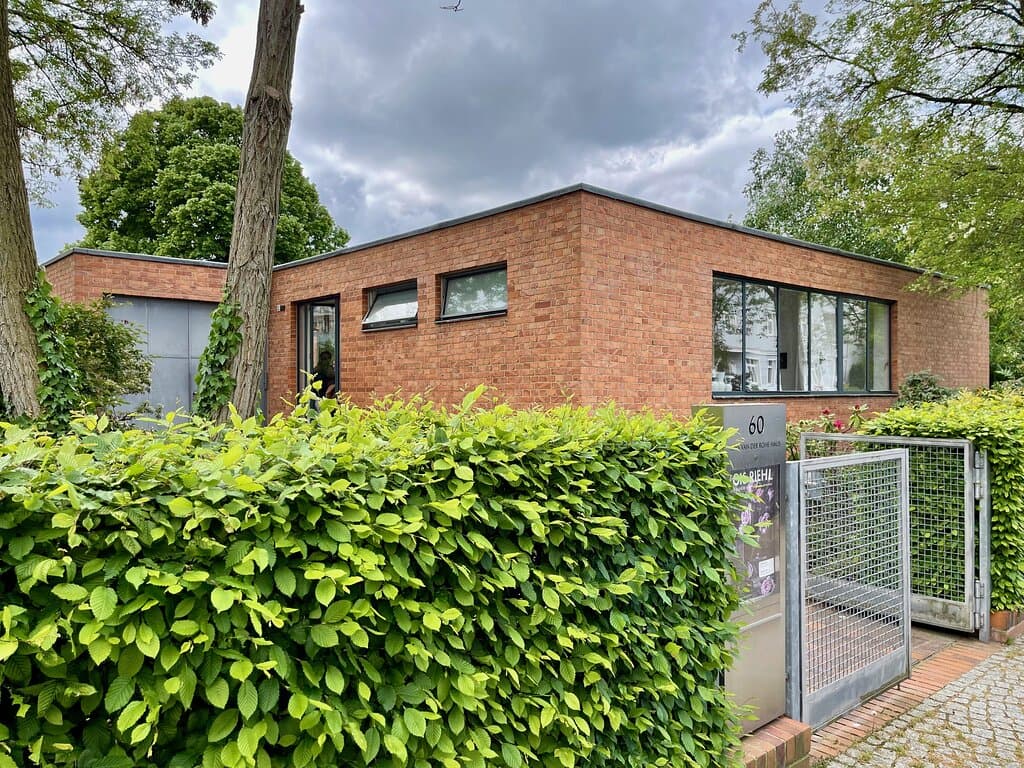
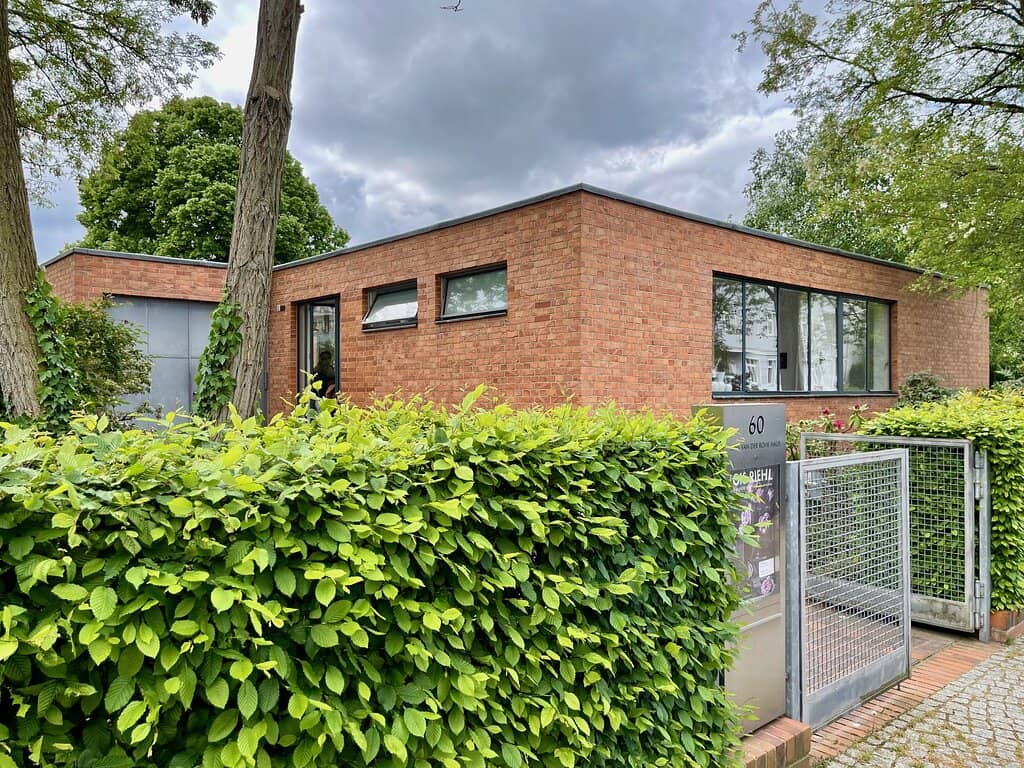
Mies van der Rohe Haus Berlin
A serene modernist masterpiece by Mies van der Rohe, blending architecture with nature. Free entry.
Highlights
Must-see attractions

Social
From TikTok & Reddit
Best Time
Unlock deeper insights
Mies van der Rohe Haus Berlin
Best Time
Unlock deeper insights
Highlights
Must-see attractions
A serene modernist masterpiece by Mies van der Rohe, blending architecture with nature. Free entry.
"A beautiful piece of architecture in a residential area. Free entry, stunning rooms and peaceful gardens by the lake."
🎯 Check Tour Schedules
Guided tours are offered monthly. Book in advance or arrive early!
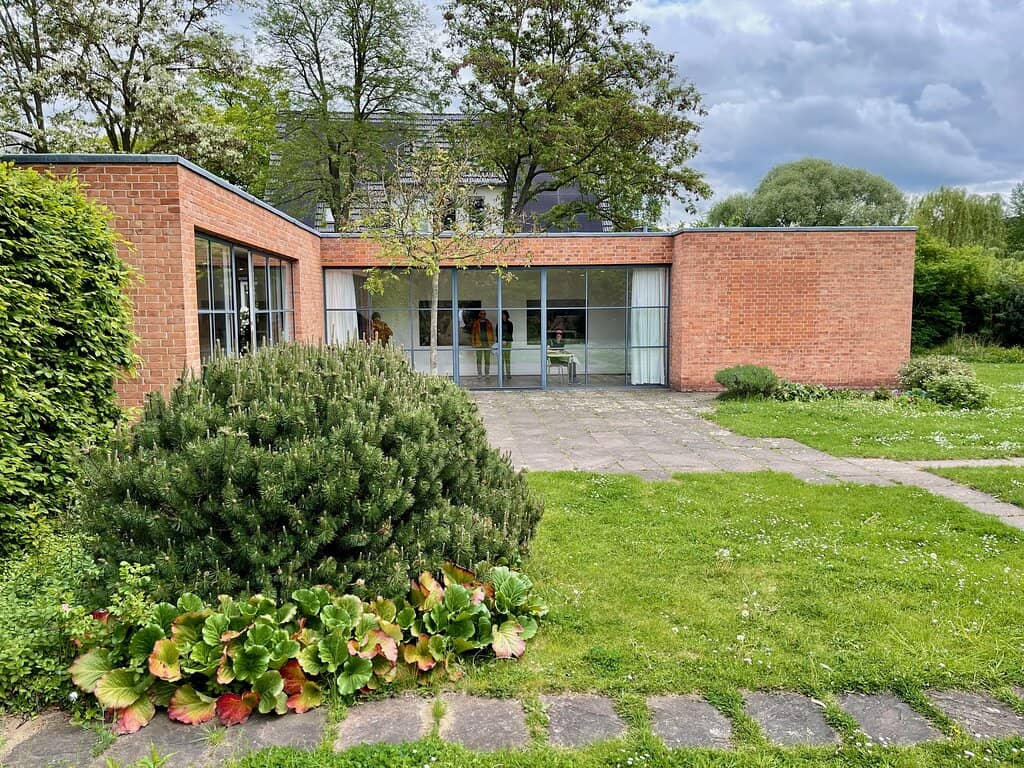
🚶♀️ Enjoy the Garden
The peaceful garden by the lake is a highlight. Perfect for a relaxing stroll.
Quick Facts
Hours
Rating
4.6 · 439 reviews
Type
Museum
Highlights
Discover the most iconic attractions and experiences
The Iconic Glass Facade
Exterior
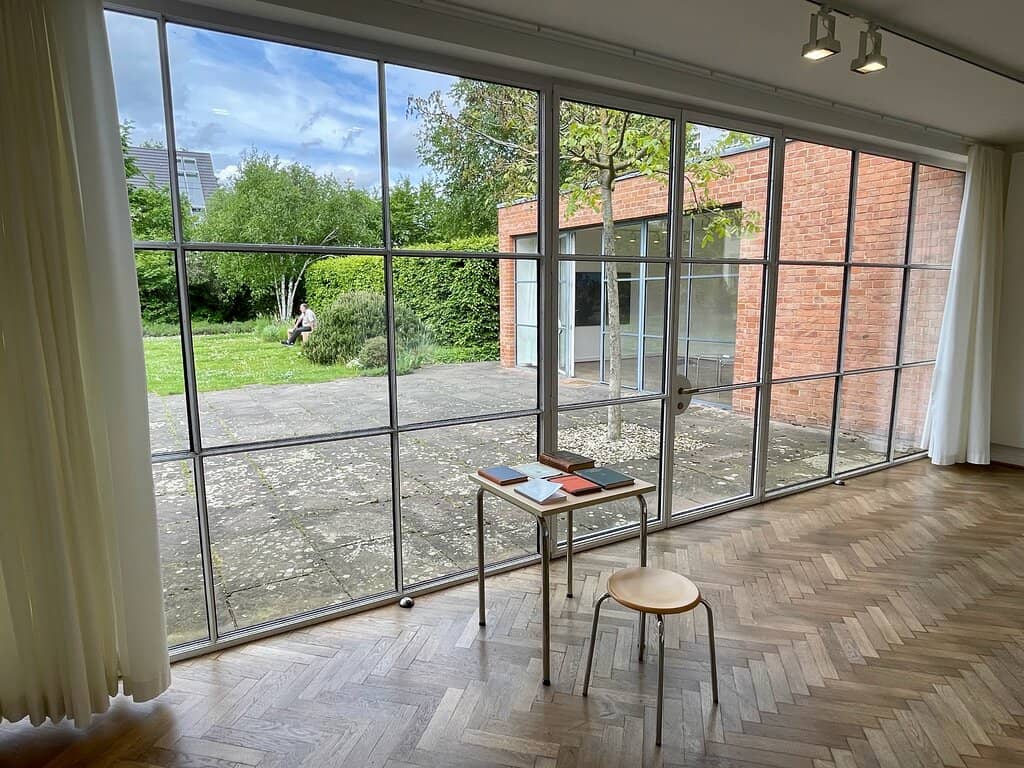
Mies van der Rohe's signature use of glass blurs indoor and outdoor spaces, creating a seamless connection with nature.

Serene Garden and Lake Views
Exterior
Wander through the meticulously maintained garden, offering tranquil views of the Obersee.
Minimalist Interior Design
Interior
Experience the 'less is more' philosophy with clean lines, open spaces, and thoughtful material choices.
Plans like a pro.
Thinks like you
Planning Your Visit
Embrace the Tranquility
Timing is Key for Tours
Best Times
Insider Tips
from TikTok, Instagram & Reddit
🎯 Check Tour Schedules
Guided tours are offered monthly. Book in advance or arrive early!
🚶♀️ Enjoy the Garden
The peaceful garden by the lake is a highlight. Perfect for a relaxing stroll.
💰 Free Entry, Donations Welcome
Appreciate this architectural gem without an admission fee. Donations are encouraged.
📸 Capture the Light
The extensive use of glass creates stunning reflections and plays of light.
Tips
from all over the internet
🎯 Check Tour Schedules
Guided tours are offered monthly. Book in advance or arrive early!
🚶♀️ Enjoy the Garden
The peaceful garden by the lake is a highlight. Perfect for a relaxing stroll.
💰 Free Entry, Donations Welcome
Appreciate this architectural gem without an admission fee. Donations are encouraged.
📸 Capture the Light
The extensive use of glass creates stunning reflections and plays of light.
📚 Scan for History
QR codes on benches offer historical context about the house and its surroundings.
What Travellers Say
Reviews Summary
Visitors praise the Mies van der Rohe Haus for its stunning modernist architecture and serene garden setting, calling it a peaceful escape and a masterpiece of 'less is more.' While entry is free and the design is universally admired, some guests have noted unwelcoming interactions near closing time, suggesting a need for improved visitor reception.
"The Mies van der Rohe Haus in Berlin is a masterpiece that perfectly encapsulates the pioneering vision of Ludwig Mies van der Rohe, one of the most influential architects of the 20th century. This gem of modernist architecture, originally known as the Lemke House, is a striking example of Mies' "less is more" philosophy, where simplicity and functionality are elevated to an art form.
Located in a tranquil garden setting, the house exudes a serene elegance with its clean lines, open spaces, and extensive use of glass. The structure’s minimalistic design brilliantly blurs the boundaries between the interior and the exterior, allowing nature to become an integral part of the living space. The carefully considered proportions and the use of high-quality materials give the house a timeless quality, making it as relevant and inspiring today as it was when it was first built in 1932.
Visiting the Mies van der Rohe Haus is not just an architectural experience but a journey through history. The house has been meticulously preserved and restored, offering a glimpse into Mies’ vision of modern living. The on-site exhibitions often focus on the house's historical context, as well as Mies' broader work and influence, providing a deeper understanding of his architectural legacy.
All in all, it is a place where you can truly appreciate the genius of Mies van der Rohe and experience the peaceful harmony that great architecture can bring to life.
Important note: the entry is free, but you can also give donation. There is a WC inside the building for visitors."
Yusuf Hadi
"The museum is small and simply gives you access to one of the houses desgined by the master accompanied by a gallary. The history of it available via QR code on one of the benches on another bank of Obersee."
Andrei Safronenka
"How NOT to welcome visitors, even if it's just before closing time:
(Us just inside the entrance door): “Hello.”
(Tall man with blue designer glasses, without a greeting or smile, emerging from a back room, in a harsh tone, obviously waiting for us to leave): “I'm closing now.”
We leave immediately.
Dear management, you know who that was, right?
No matter how important the Mies van der Rohe Haus is, or how great his legacy, your institution has reception problems and is not exactly welcoming to visitors. Please work on this so that this monument can preserve its place in architectural history and inspire the public."
Jeremy Gray
What People Like
What People Dislike
Frequently Asked Questions
🚇 🗺️ Getting There
The Mies van der Rohe Haus is accessible by public transport. Take a tram to the nearest stop and enjoy a short walk through the residential area. It's a worthwhile tram ride from the city center.
Parking can be limited in the residential area. Public transport is generally recommended for easier access.
Several tram lines serve the area. Check your preferred navigation app for the most up-to-date routes and schedules to reach Haus Lemke.
🎫 🎫 Tickets & Entry
The house is generally open for visitors, but specific hours can vary. It's best to check the official website or local listings before your visit.
No, entry to the Mies van der Rohe Haus is free. However, donations are gratefully accepted to help maintain this architectural treasure.
Yes, you can explore the house and its grounds independently. However, guided tours offer a deeper understanding of the architecture and history.
Guided tours are typically offered only once a month. It's crucial to check the schedule in advance and plan your visit accordingly.
Tickets are not required as entry is free. However, for the monthly guided tours, it's advisable to arrive early to ensure a spot.
📸 📸 Photography
Photography is generally permitted for personal use, allowing you to capture the minimalist beauty. Be mindful of other visitors and any specific signage.
The exterior with the glass facade reflecting the garden and lake, as well as the interior spaces showcasing the clean lines, are prime photography locations.
Drone usage is typically restricted in residential areas and around historical sites. It's best to check local regulations before attempting to fly a drone.
🎫 🏛️ Architecture & History
The house, originally known as Haus Lemke, was designed by the renowned modernist architect Ludwig Mies van der Rohe.
This Bauhaus gem was constructed in 1932, showcasing Mies van der Rohe's pioneering architectural vision.
It is a prime example of modernist architecture, embodying Mies van der Rohe's 'less is more' philosophy with its clean lines and functional design.
The house has a layered history, serving as a family residence, then occupied by the Red Army, and later used as a storage site before its restoration.
On-site exhibitions often focus on Mies van der Rohe's broader work, influence, and the historical context of the house, providing a deeper understanding of his legacy.
Social
from TikTok, Instagram & Reddit