Museum der Dinge
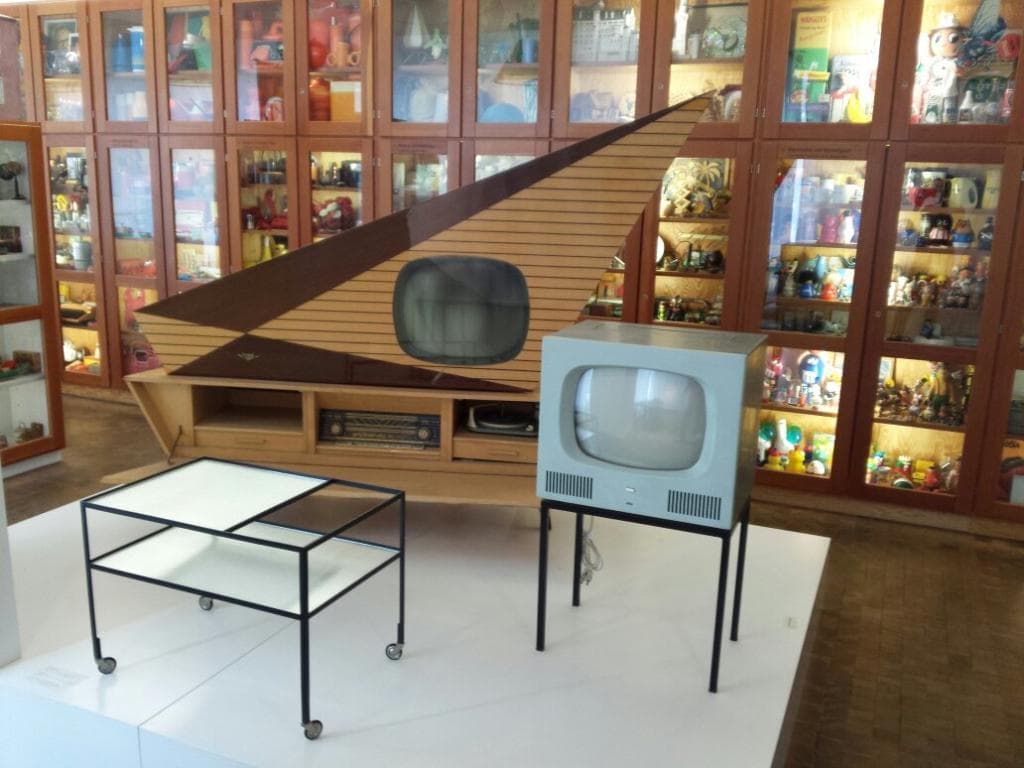
A unique museum showcasing mass-produced objects from the 20th & 21st centuries, housed in an Art Deco factory.
Highlights
Must-see attractions

Social
From TikTok & Reddit
Best Time
Fewer crowds, more space to explore
Museum der Dinge
Best Time
Fewer crowds, more space to explore
Highlights
Must-see attractions
A unique museum showcasing mass-produced objects from the 20th & 21st centuries, housed in an Art Deco factory.
"An unexpectedly diverse collection of stuff! Worth a visit for the sheer variety."
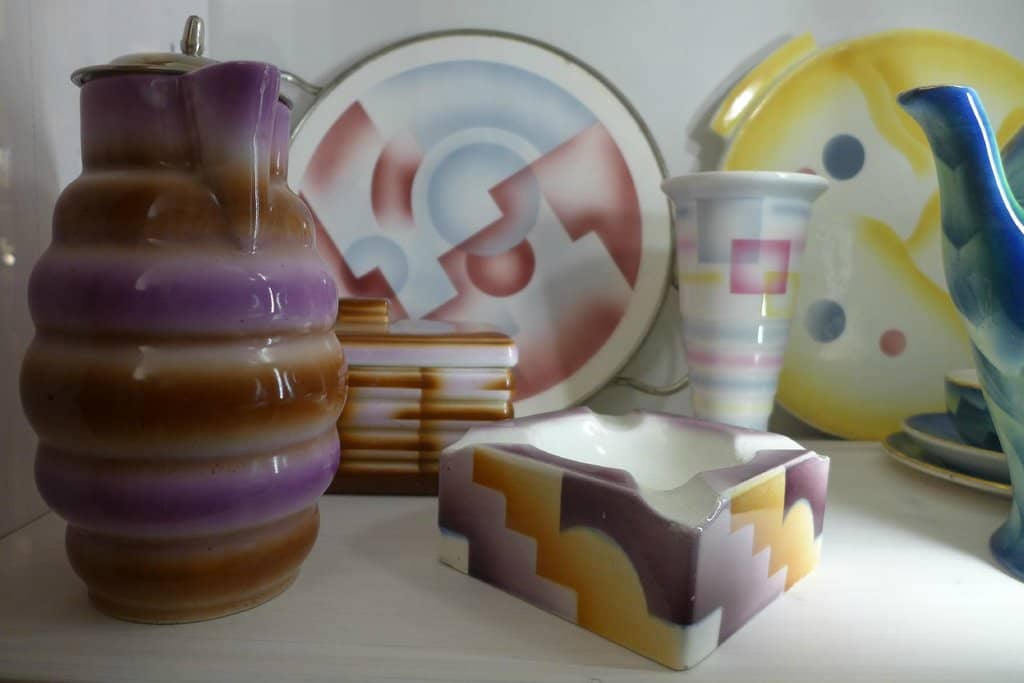
📸 Bring Your Camera
Many visitors take lots of photos to research items later. The objects are visually intriguing!
🤔 Be Ready to Research
Information is often limited, especially in English. Come curious and ready to learn more on your own.
Quick Facts
Hours
Rating
4.4 · 448 reviews
Type
Museum
Highlights
Discover the most iconic attractions and experiences
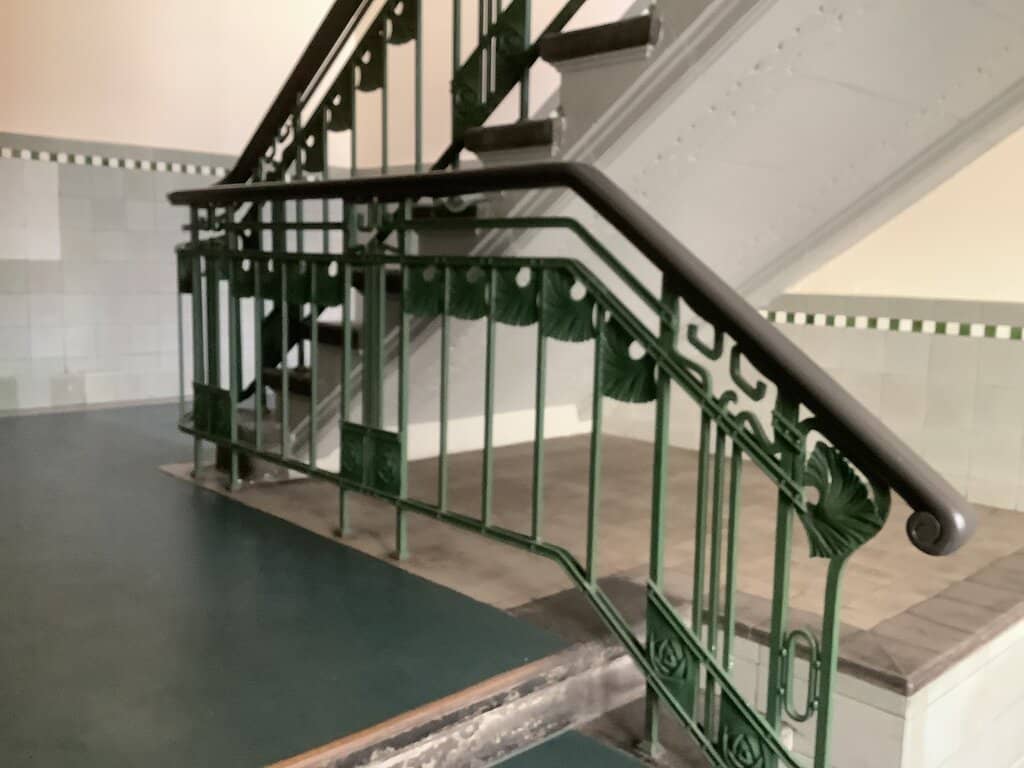
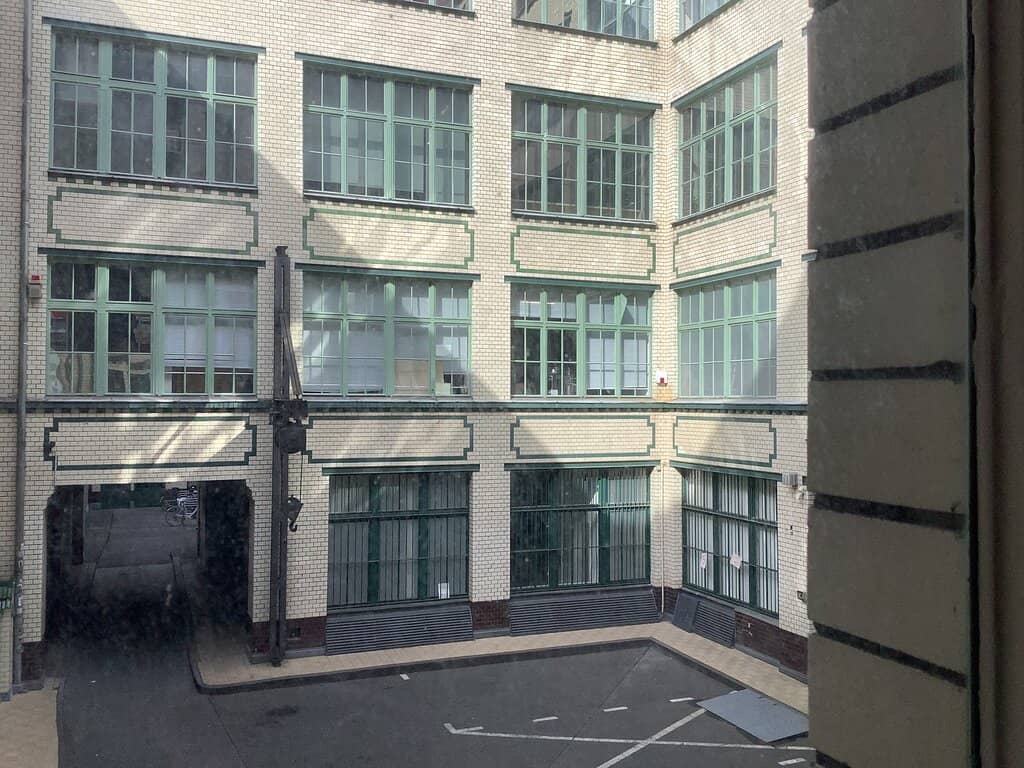
The Art Deco Factory Building
Exterior and Staircase
An impressive old factory with beautiful Art Deco architecture. Worth admiring the building itself.
Mass Production Treasures
Exhibition Halls
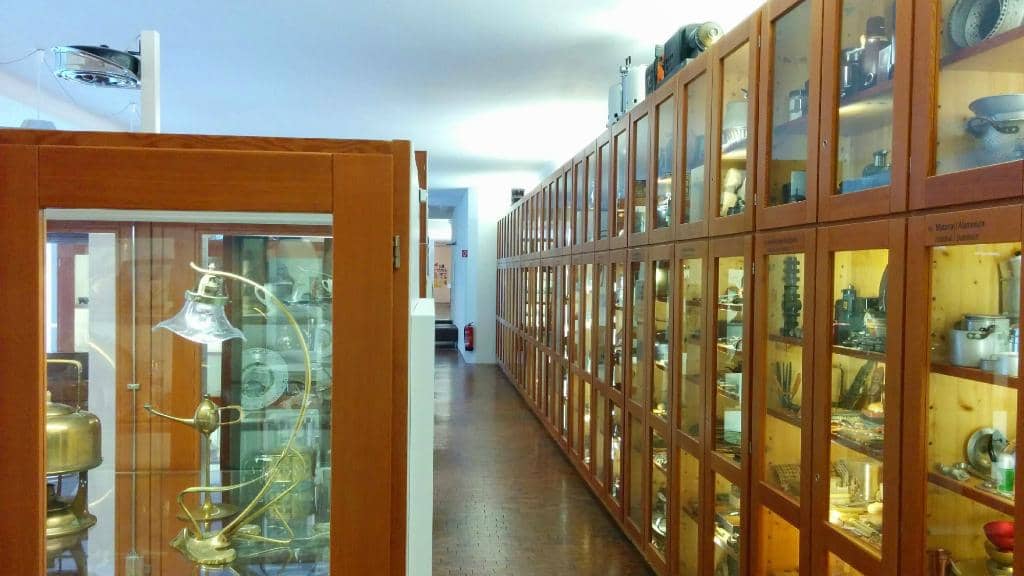
Discover a diverse collection of everyday objects from 20th & 21st-century mass manufacturing.
The Intriguing Shop
Ground Floor
A well-curated shop offering unique items, a delightful extension of the museum's theme.
Plans like a pro.
Thinks like you
Planning Your Visit
Manage Expectations: It's Intimate, Not Immense
Embrace the Mystery: Information is Sparse
Best Times
Insider Tips
from TikTok, Instagram & Reddit
Does anyone know some really good museums / archives in Berlin?
Someone was saying how good the Museum of Musical Instruments is on here the other - i totally agree. I was wondering: what are some other cool / unknown Berlin musuems? I know that Charité has a \*really\* cool and weird museum - and then there are out of the way museums…
📸 Bring Your Camera
Many visitors take lots of photos to research items later. The objects are visually intriguing!
🤔 Be Ready to Research
Information is often limited, especially in English. Come curious and ready to learn more on your own.
What's an underrated museum or art gallery in Berlin?
Is there any museum or art gallery that you feel is very underrated and doesn't get as much attention as it should? Anything that's worth a visit, but won't be featured in the standard lists? :)
🚶♀️ Admire the Building
Don't miss the beautiful Art Deco architecture of the old factory building.
☕ Explore the Neighborhood
The area boasts amazing Turkish pastry shops and restaurants.
Tips
from all over the internet
📸 Bring Your Camera
Many visitors take lots of photos to research items later. The objects are visually intriguing!
🤔 Be Ready to Research
Information is often limited, especially in English. Come curious and ready to learn more on your own.
🚶♀️ Admire the Building
Don't miss the beautiful Art Deco architecture of the old factory building.
☕ Explore the Neighborhood
The area boasts amazing Turkish pastry shops and restaurants.
What Travellers Say
Reviews Summary
Visitors find the Museum der Dinge to be a unique and visually intriguing space, packed with a diverse collection of mass-produced objects. While some appreciate the intimate scale and the opportunity for personal discovery, others note the limited English information and the museum's small size. The Art Deco building and the well-curated shop are often highlighted as positive aspects.
"nice museum, but really small and a bit empty. i expected them to have more things…"
alex hirst
"Housed in an old factory which is a lovely art deco building. Interesting shop. Absolutely packed with items, but I did not find it very engaging. There was not much information and very little in English and the items were not particularly self explanatory. It was like someone had beautifully curated an old hoarder’s house after they had passed away. I would recommend walking up the stairs and looking at the nice building and visiting the shop, but not bothering with the museum."
Megan Morris
"The collection of items is interesting. The presentation of them is terrible. 1) very little english text 2) text is arbitrary, about vague design ideals, rather than about the items 3) storytelling destroyed by "wokeness". For example, there is a portable tanning machine from 50s, I have never seen anything like it. They could tell about the design, who and how used it. But no, they had to say "but of course, tanned skin was only viewed as positive for white people" we all freaking know this, this isn't a history museum, did you honestly have nothing more relevant to say?"
Denis Lochmelis
What People Like
What People Dislike
Frequently Asked Questions
🚇 🗺️ Getting There
The Museum der Dinge is located in Berlin. Public transport is recommended. You can reach it via U-Bahn or S-Bahn to nearby stations, followed by a short walk. Check BVG for the most current routes and schedules.
Parking in this area of Berlin can be challenging. It's best to rely on public transportation to avoid the hassle of finding a parking spot.
Taking the U-Bahn or S-Bahn is generally the most efficient way. Plan your route using a local transit app for real-time information.
🎫 🎫 Tickets & Entry
Opening hours can vary, so it's always best to check the official Museum der Dinge website or their social media channels for the most up-to-date information before your visit.
Admission fees are typically reasonable for this museum. Check their official website for current ticket prices and any potential discounts.
While some museums offer online booking, it's advisable to check the Museum der Dinge's official website to see if advance ticket purchase is available or recommended.
The museum's focus on mass-produced objects might appeal to older children interested in design and history. However, the lack of extensive English text and interactive elements might be a consideration for younger visitors.
🎫 🧭 Onsite Experience
Expect a fascinating collection of everyday objects from the 20th and 21st centuries, highlighting mass production and industrial design. It's a unique look at the things that fill our lives. +1
Reviews suggest that English text is limited. Visitors often find themselves relying on visual interpretation and personal curiosity to understand the exhibits.
Given its intimate size and the nature of the exhibits, a visit of 1-2 hours is usually sufficient for most visitors to explore and appreciate the collection.
No, the Museum der Dinge is described as a small museum. It's more about curated collections than vast exhibition spaces.
This refers to the Museum der Dinge itself, as it is part of the Werkbundarchiv, focusing on the history and impact of designed objects.
🍽️ 🍽️ Food & Dining
The museum itself does not typically have a cafe. However, the surrounding neighborhood is known for its excellent Turkish pastry shops and diverse bistros.
You'll find a great selection of local eateries and cafes in the vicinity. Many visitors recommend exploring the area for authentic Turkish cuisine and other local flavors.
📸 📸 Photography
Photography policies can vary. It's best to check for signage upon arrival or inquire with museum staff. Many visitors do take photos to document the unique items.
Focus on the sheer variety and unexpected nature of the mass-produced objects. The presentation, though sometimes sparse on text, offers visually interesting compositions.
Social
from TikTok, Instagram & Reddit