Prora KdF-Seebad
Prora, the longest building in the world, is a monumental Nazi-era resort complex on Rügen, now a site of historical exploration and modern redevelopm...
Highlights
Must-see attractions

Social
From TikTok & Reddit
Best Time
Pleasant weather, fewer crowds
Prora KdF-Seebad
Best Time
Pleasant weather, fewer crowds
Highlights
Must-see attractions
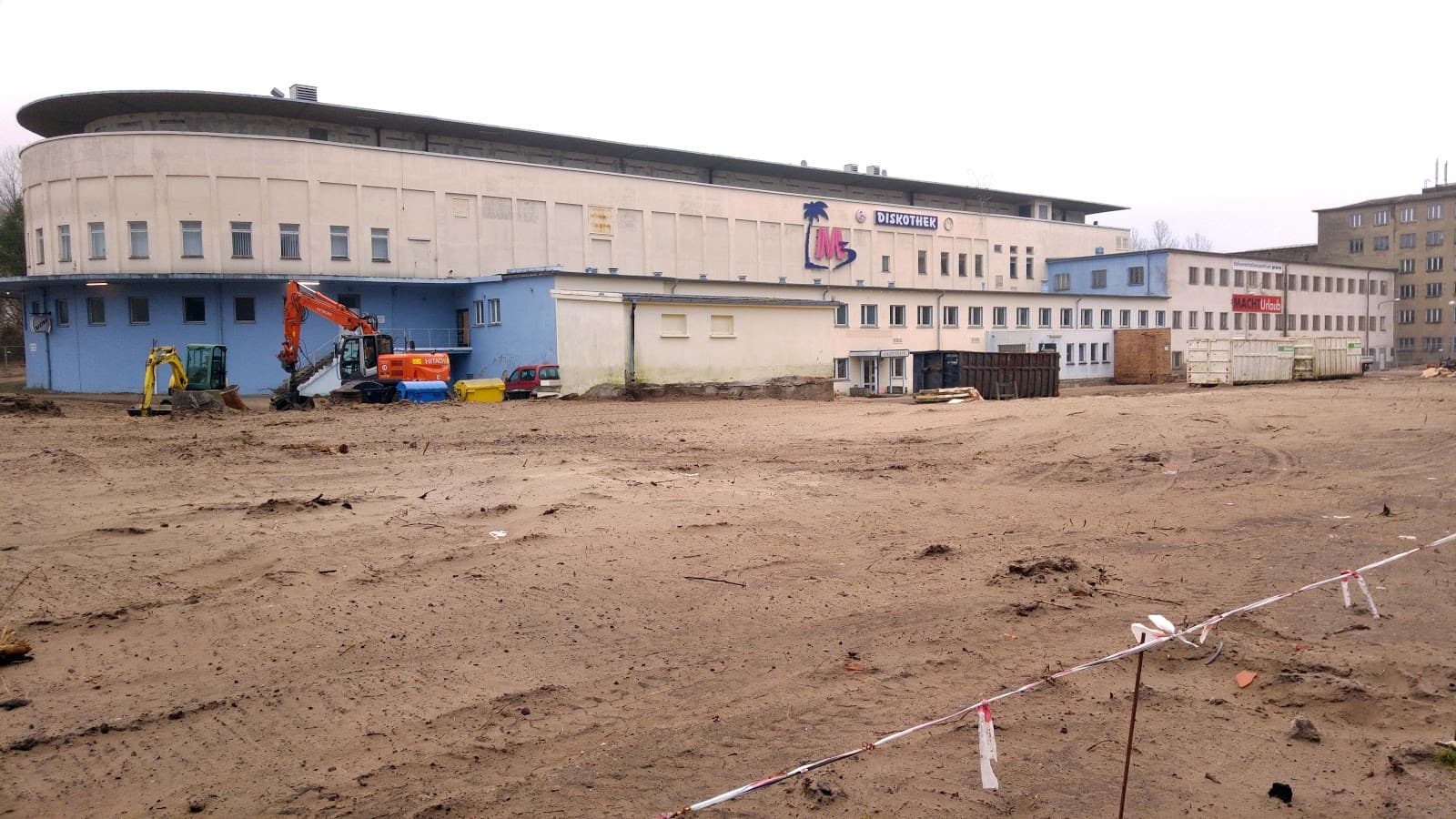
Prora, the longest building in the world, is a monumental Nazi-era resort complex on Rügen, now a site of historical exploration and modern redevelopment.
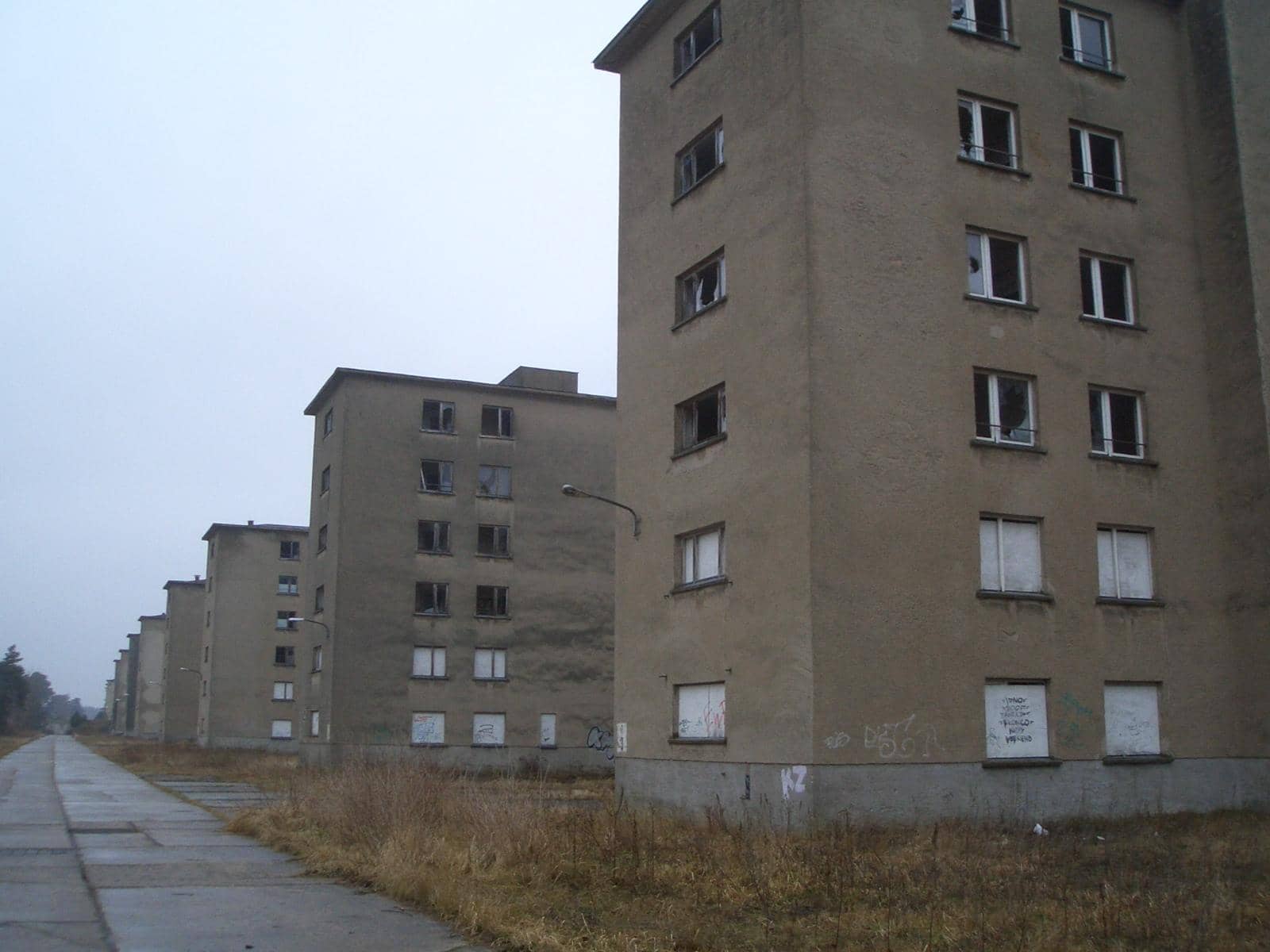
"A place of history, a place to remember war, a place which is getting occupied by nature."
🚶♀️ Explore the Ruins Safely
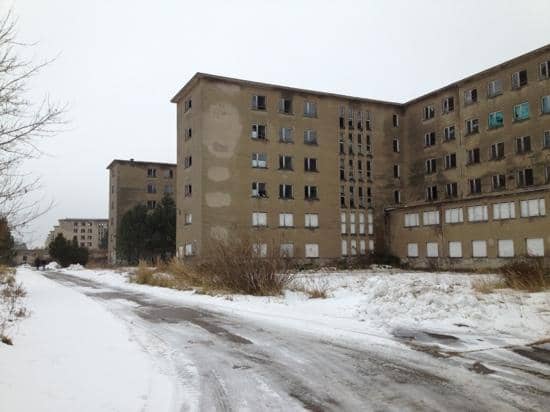
Look for openings in fences to access ruins, but be cautious. Guided tours offer safe exploration.
📸 Capture History's Layers
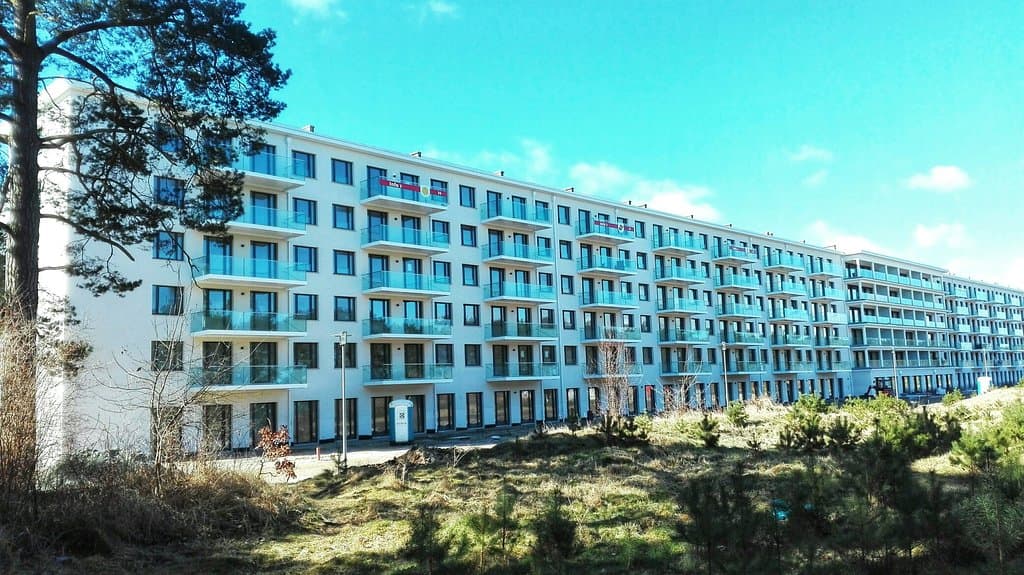
Photograph both the decaying ruins and the modern renovations for a full perspective.
Quick Facts
Hours
Rating
4.3 · 1,787 reviews
Type
Historical Landmark
Address
Highlights
Discover the most iconic attractions and experiences
The Colossal KDF Structure
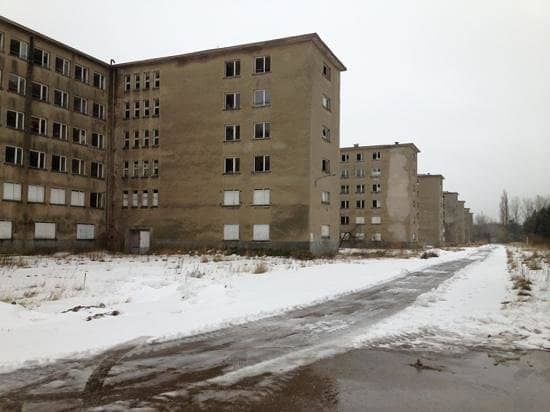
The entire 4.5 km length
Witness the sheer scale of this monumental Nazi-era seaside resort, the longest building in the world.

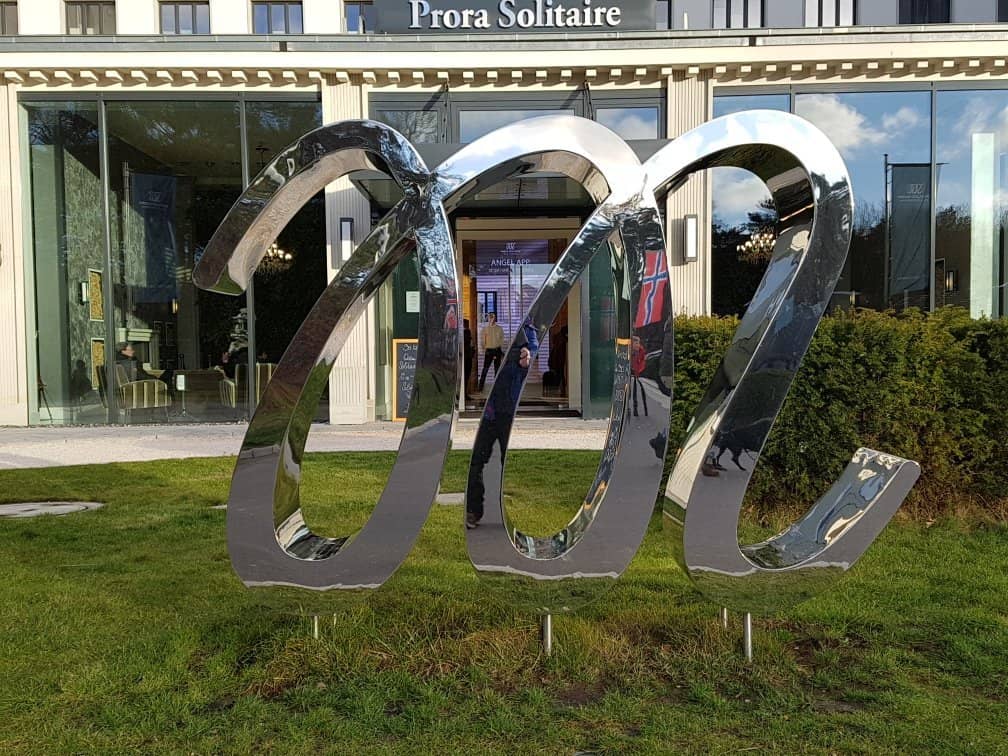
Ruins and Nature's Reclamation
Fenced-off sections
Explore the haunting beauty of the decaying structures, where nature is slowly reclaiming the concrete.
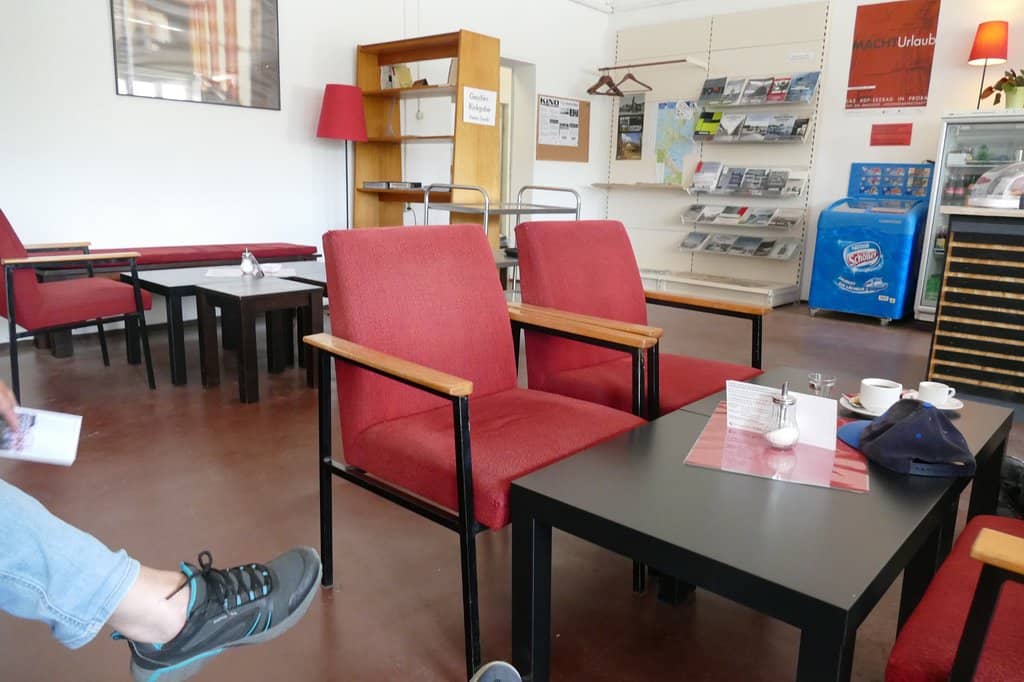
Renovated DDR Era Sections
Modernized blocks
Discover how these buildings were repurposed during the GDR era and see the ongoing modern transformations.
Plans like a pro.
Thinks like you
Planning Your Visit
Navigating Prora's Past and Present
Accessing the Ruins and Beyond
Best Times
Insider Tips
from TikTok, Instagram & Reddit
🚶♀️ Explore the Ruins Safely
Look for openings in fences to access ruins, but be cautious. +1 Guided tours offer safe exploration.
📸 Capture History's Layers
Photograph both the decaying ruins and the modern renovations for a full perspective.
🚗 Parking and Access
Paid parking is available. Roads to some areas can be a bit tricky.
💡 Understand the History
Learn about its Nazi origins and DDR repurposing for a richer visit.
Tips
from all over the internet
🚶♀️ Explore the Ruins Safely
Look for openings in fences to access ruins, but be cautious. +1 Guided tours offer safe exploration.
📸 Capture History's Layers
Photograph both the decaying ruins and the modern renovations for a full perspective.
🚗 Parking and Access
Paid parking is available. Roads to some areas can be a bit tricky.
💡 Understand the History
Learn about its Nazi origins and DDR repurposing for a richer visit.
What Travellers Say
Reviews Summary
Prora is a site of immense historical significance, with visitors often struck by the sheer scale of the Nazi-era construction and its subsequent transformations. Many appreciate the opportunity to explore both the haunting ruins and the modernized sections, gaining a comprehensive understanding of its layered past. However, some find the ruins difficult to access or less impressive than anticipated, and parking can be a minor inconvenience.
"Paid parking lot and you can visit the ruins from a hole in the fence."
Ellen Anna Kovačíková (kovacikovaart)
"The ruins were actually hard to find and it’s really nothing special. We managed to get into the property since there were some places where the fence was missing but didn’t worth it."
Judit Bekker
"The ruins are interesting, however, I would recommend visiting the newly renovated buildings as well. You get a glimpse of how the structures were used during the DDR times. The grounds by the hostel are very well done with various outdoor activities to enjoy. See the pics for the DDR reference."
John Hill
What People Like
What People Dislike
Frequently Asked Questions
🚇 🗺️ Getting There
Prora is located about 6 km north of Binz. You can reach it by car, with paid parking available. Public transport options like buses also serve the area, connecting it to nearby towns on Rügen.
Yes, bus lines connect Prora to Binz and other towns on Rügen. Check local schedules for the most up-to-date information.
Many visitors explore on foot, walking along the vast complex. Consider a guided tour for historical context and access to specific areas.
Yes, there are paid parking lots available for visitors. +1 The road leading to some areas can be a bit challenging.
Cycling is a great option on Rügen. There are cycle paths that can lead you to Prora, offering scenic views along the way.
🎫 🎫 Tickets & Entry
Access to the exterior ruins might be possible through openings in the fence, but it's not officially sanctioned. +1 For organized tours or access to renovated sections and museums, tickets are required. Check the official Prora documentation center for details.
The opening hours vary depending on the specific section you wish to visit (e.g., museums, documentation centers, renovated blocks). It's best to check the official website for the most current information.
Yes, guided tours are highly recommended to understand the history and explore safely. They often provide access to areas not otherwise visible.
Entry to the general grounds might be free, but specific museums, exhibitions, and guided tours will have associated costs. Parking also incurs a fee.
While you can walk around the exterior and potentially find ways into some ruin sections, an independent visit might lack context. Guided tours offer a more comprehensive experience.
🎫 🧭 Onsite Experience
You can see the immense scale of the original Nazi resort, explore its decaying ruins, and visit renovated sections that served during the DDR era and are now modern accommodations.
Prora can be interesting for older children who can grasp the historical context. The renovated areas offer some outdoor activities. However, exploring the ruins might be less suitable for very young children due to safety concerns.
The sheer length of the building, the contrast between decay and renovation, and the surrounding nature offer many photographic opportunities.
A minimum of 2-3 hours is recommended to get a feel for the place, especially if taking a guided tour. You could easily spend half a day exploring.
The renovated sections, particularly those housing hostels and museums, typically have visitor facilities like restrooms and cafes.
📸 📸 Photography
Early morning or late afternoon light can create dramatic shadows and highlight the textures of the concrete and nature.
Drone usage regulations can be strict, especially in historical or protected areas. It's essential to check local drone laws and obtain any necessary permits before flying.
Prora is excellent for architectural photography, urban exploration (urbex) shots of ruins, and capturing the interplay of man-made structures with nature.
Photography policies may vary within the renovated sections. Some areas might allow it, while others, especially private accommodations or specific exhibitions, may have restrictions.
A wide-angle lens is useful for capturing the vast scale of the building. A telephoto lens can be good for details. Consider a tripod for low-light conditions.


Social
from TikTok, Instagram & Reddit