
State Natural History Museum
Explore ancient fossils, diverse wildlife, and geological wonders at this educational hub.

Highlights
Must-see attractions

Social
From TikTok & Reddit
Best Time
Fewer crowds, more relaxed viewing
State Natural History Museum
Best Time
Fewer crowds, more relaxed viewing
Highlights
Must-see attractions
Explore ancient fossils, diverse wildlife, and geological wonders at this educational hub.
"Astonishing recreations and a wealth of detail make this museum a must-visit for all ages."
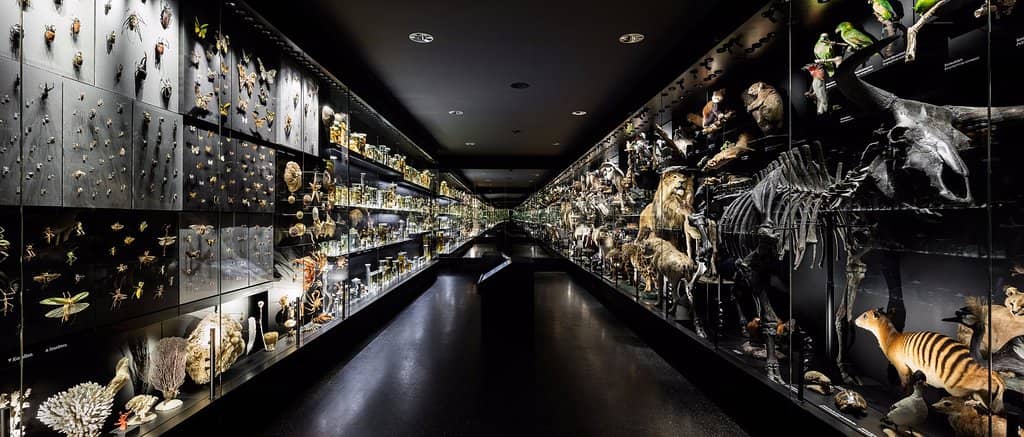
Free Admission Alert! :money_with_wings:
Many state museums are free! Confirm entry fees beforehand to save money.
Check for Special Exhibits ✨
Rotating exhibits offer unique insights. Plan your visit around them if possible.
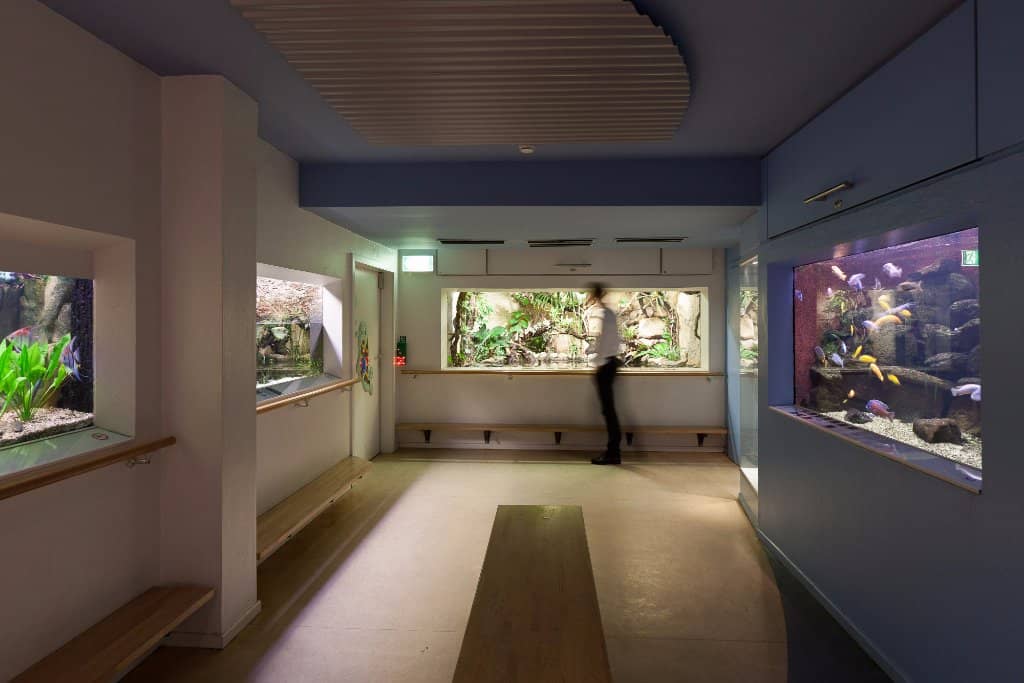
Quick Facts
Hours
Rating
4.6 · 1,979 reviews
Type
Museum
Highlights
Discover the most iconic attractions and experiences
Dinosaur Hall
Marvel at ancient skeletons and fossils, offering a glimpse into prehistoric life.
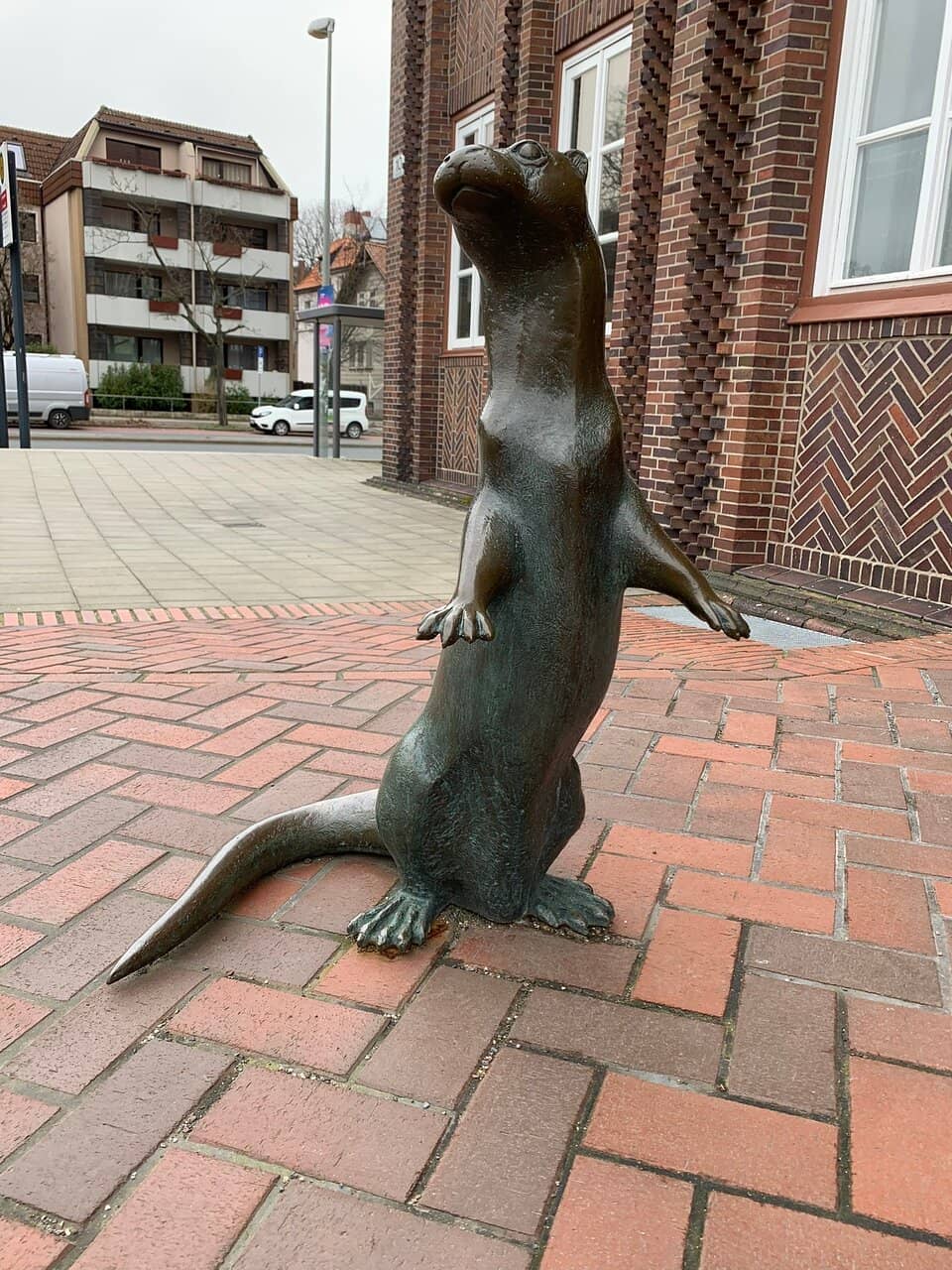
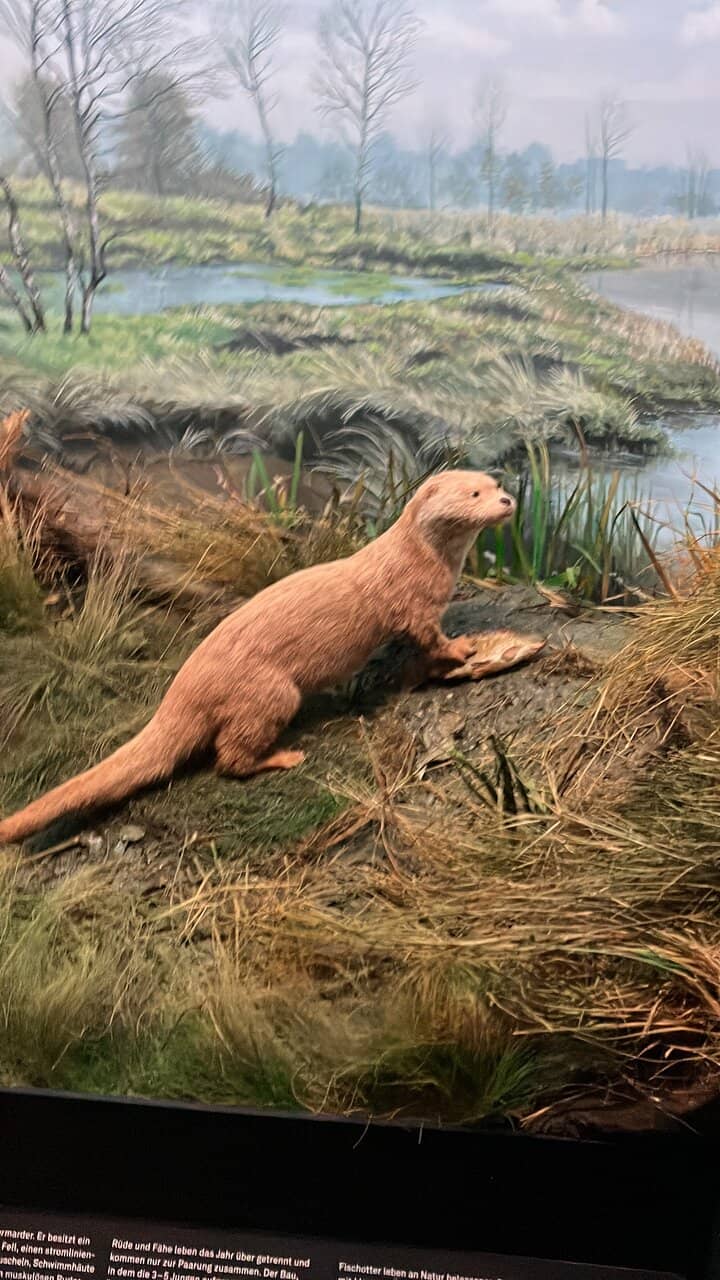
Wildlife Dioramas
See meticulously recreated animal habitats showcasing biodiversity.
Geology & Mineral Collections
Explore stunning rock formations and rare minerals from around the world.
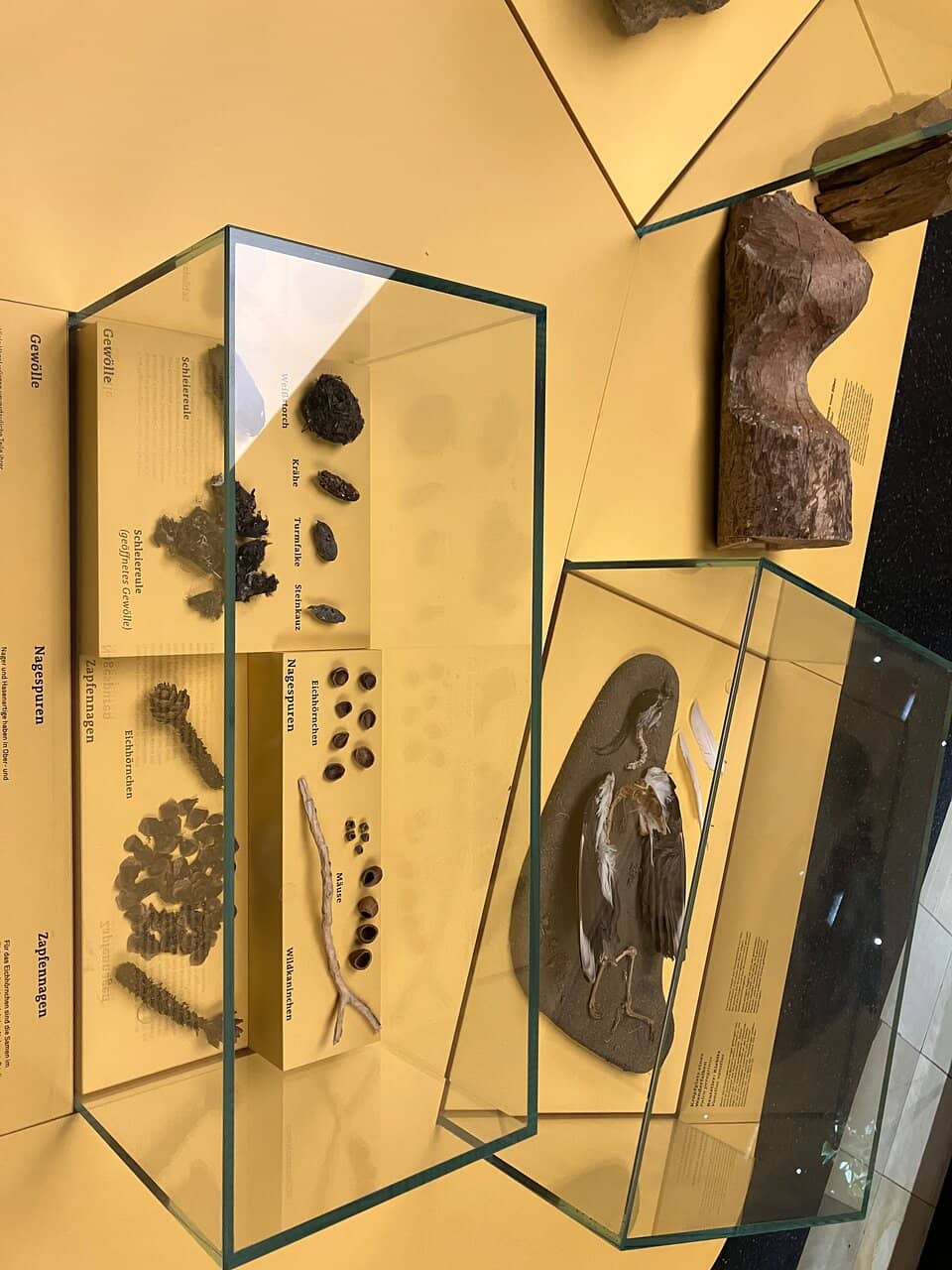
Special Exhibitions
Discover rotating displays on topics like the 'plastic age' or local natural wonders.
Plans like a pro.
Thinks like you
Planning Your Visit
Plan Your Visit
Navigating the Exhibits
Best Times
Insider Tips
from TikTok, Instagram & Reddit
Free Admission Alert! :money_with_wings:
Many state museums are free! Confirm entry fees beforehand to save money.

Check for Special Exhibits ✨
Rotating exhibits offer unique insights. Plan your visit around them if possible.
Wear Comfy Shoes :athletic_shoe:
You'll be doing a lot of walking across multiple floors.
Photography Policy :camera_with_flash:
Some museums charge for photography. Check rules to capture your memories.
Tips
from all over the internet
Free Admission Alert! :money_with_wings:
Many state museums are free! Confirm entry fees beforehand to save money.
Check for Special Exhibits ✨
Rotating exhibits offer unique insights. Plan your visit around them if possible.
Wear Comfy Shoes :athletic_shoe:
You'll be doing a lot of walking across multiple floors.
Photography Policy :camera_with_flash:
Some museums charge for photography. Check rules to capture your memories.
Multilingual Signage? :globe_with_meridians:
If visiting an international location, be aware signage might be in the local language.
What Travellers Say
Reviews Summary
Visitors often praise the State Natural History Museum for its engaging exhibits, particularly the dinosaur halls and wildlife dioramas, and its educational value for all ages. The low entry cost or free admission is a significant plus. However, some reviews mention issues with staff rudeness or signage being exclusively in the local language, which can detract from the experience.
"Beautiful museum,3 floors, the staff are nice and the place is clean and organized.
It doesn’t hold too many things but still very fun and informative."
Sara daydream
"Very interesting museum with some astonishing recreations of various animals. There were many exhibitions, as well as a special exhibition with a focus on the present “plastic age”. Although almost all of the signs/information boards were written on German, and the fact that many of the animations were old and outdated, i would still very much recommend the museum to anyone visiting. The low ticket price is also a big factor here."
Jakob Bach Jensen
"I recently visited the National Museum of Nature and was impressed by the variety of exhibits and natural wonders on display. The museum is spread out over several floors, and each one offers something unique and interesting. One of the highlights for me was seeing different species of animals displayed in their natural habitats. I also enjoyed learning about dinosaurs through the fossils on display and the history of humans through archaeological exhibits. A nice touch was the display of an asteroid found in the area. The aquarium with its beautiful fish was also a treat. Overall, I had a great time at the museum and would highly recommend it, especially for families with kids. There's so much to see and learn, and it's a fantastic way to spend a day."
Vadim Sv
What People Like
What People Dislike
Frequently Asked Questions
🚇 🗺️ Getting There
Many State Natural History Museums are located on university campuses or in city centers, making them accessible by public transport. Check the museum's official website for specific directions, parking information, and nearby public transit options. Some are conveniently located near other attractions, like the Sam Noble Oklahoma Museum of Natural History on the University of Oklahoma campus.
Parking availability varies greatly. Some museums offer dedicated parking lots, while others are in areas where you'll need to use public parking garages or street parking. It's best to check the museum's website for the most up-to-date parking information and any associated fees.
Yes, many state museums are well-served by public transportation. Bus routes and train lines often stop near major museums, especially those located in urban areas or on university campuses. Research local transit maps to find the best route for your journey.
Often, state museums are situated near other points of interest. For example, the A.G. Leventis Museum of Natural History is on the Obafemi Awolowo University Campus, offering a chance to explore the grounds. Always check the museum's location and surrounding area for potential combination visits.
Operating hours can differ, but most state museums are open Tuesday through Sunday, with closures on major holidays. It's crucial to verify the specific hours for the museum you plan to visit on their official website, as they can change seasonally or for special events.
🎫 🎫 Tickets & Entry
Many state museums offer free general admission, making them very accessible. However, some may have a small entry fee, and special exhibitions often require a separate ticket. Always check the museum's official website for the most current pricing information.
For general admission to free museums, advance booking is usually not required. However, if there's a fee or a popular special exhibition, it's advisable to book tickets online in advance to secure your spot and potentially save time.
Some museums offer discounted rates for specific groups like students, seniors, or children. Check the 'Visit' or 'Tickets' section of the museum's website for details on any available concessions.
Photography policies vary. Many museums allow personal photography without flash, but some may charge a fee for cameras or prohibit photography in certain areas. Always look for signage or ask staff about the rules.
Re-entry policies differ. Some museums allow you to leave and return on the same day with your ticket stub, while others have a strict no re-entry policy. It's best to confirm this with the museum staff upon arrival or check their website.
🎫 🧭 Onsite Experience
Highlights often include dinosaur halls with impressive skeletons, detailed wildlife dioramas showcasing ecosystems, and fascinating geology or mineral collections. Many museums also feature special exhibits on current environmental issues or local natural history.
Absolutely! State Natural History Museums are fantastic for kids, with many offering interactive displays, dinosaur fossils, and engaging exhibits on animals and nature. Some even have dedicated play areas.
To fully appreciate the exhibits, plan for at least 2-3 hours. If you want to see everything in detail or attend a special exhibition, you might need half a day or more.
Some museums offer guided tours led by knowledgeable docents, which can greatly enhance your understanding of the exhibits. Check the museum's schedule or inquire at the information desk upon arrival.
Most museums provide restrooms, gift shops, and sometimes cafes or snack bars. Check the museum's website for information on accessibility, coat checks, and locker availability.
🍽️ 🍽️ Food & Dining
Many larger state museums have on-site cafes or restaurants offering light meals, snacks, and beverages. However, smaller or university-affiliated museums might have limited dining options. It's always a good idea to check the museum's website for their dining facilities.
Generally, bringing outside food and drinks is discouraged or prohibited inside the exhibition halls to protect the artifacts. However, some museums have designated picnic areas or outdoor spaces where you can enjoy your own food.
If the museum doesn't have a cafe, or if you prefer other options, there are usually restaurants, cafes, or food courts in the vicinity, especially if the museum is located in a city center or on a university campus.
Museum cafes often serve a range of options from sandwiches and salads to hot meals and pastries. They cater to a broad audience, including families, so expect kid-friendly choices as well.
Prices at museum cafes can sometimes be higher than typical off-site restaurants due to convenience. However, they offer a convenient way to refuel without leaving the museum.
📸 📸 Photography
In most cases, personal photography without flash is permitted. However, some exhibits or special displays might have restrictions. Always look for signs or ask museum staff if you're unsure.
While general photography is often free, some museums charge a separate fee for using cameras, especially for professional shoots or if you wish to use a tripod. Check the museum's policy beforehand.
Yes, certain sensitive exhibits, temporary displays, or areas with copyrighted material may prohibit photography. These restrictions are usually clearly marked.
The dinosaur halls, impressive dioramas, and unique mineral formations often make for great photo opportunities. Look for well-lit areas and interesting perspectives.
Selfie sticks are often prohibited in museums to prevent accidental damage to exhibits or to avoid obstructing other visitors. It's best to leave them at home or check the museum's specific rules.






Social
from TikTok, Instagram & Reddit