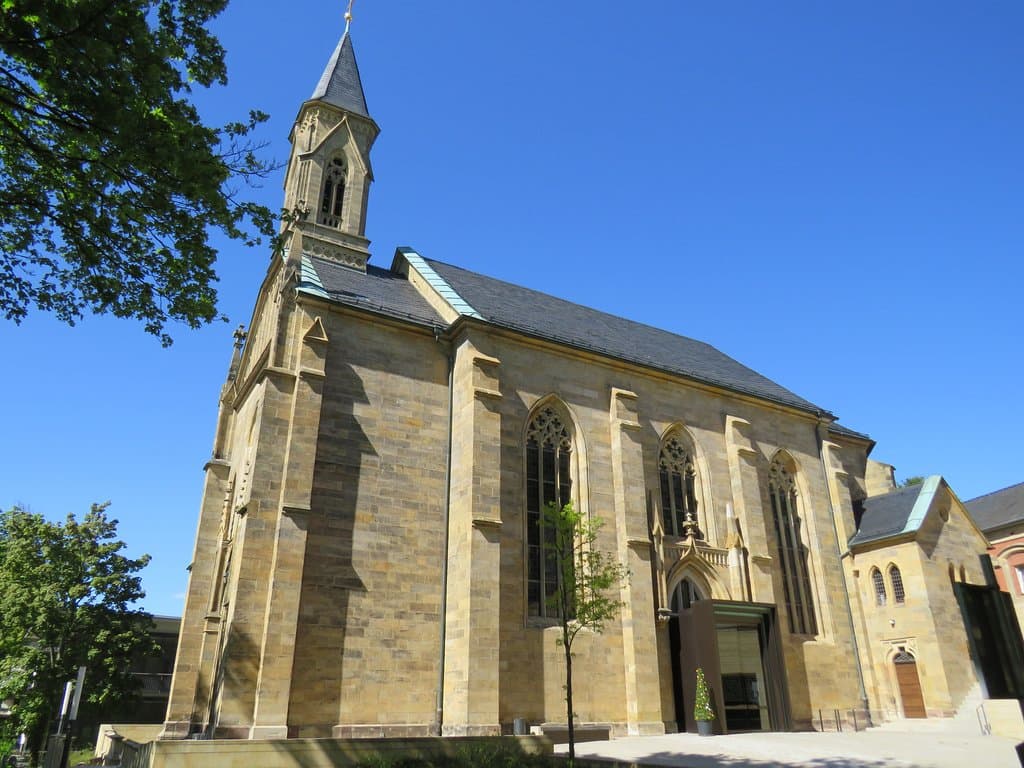
St. Augustine Church
A 19th-century Gothic church in Coburg, notable as the burial site of Tsar Ferdinand I of Bulgaria.
Highlights
Must-see attractions

Social
From TikTok & Reddit
Best Time
Fewer crowds, peaceful atmosphere
St. Augustine Church
Best Time
Fewer crowds, peaceful atmosphere
Highlights
Must-see attractions
A 19th-century Gothic church in Coburg, notable as the burial site of Tsar Ferdinand I of Bulgaria.
"A beautiful piece of history in Coburg, this 19th-century Gothic church holds royal relics."
Check Service Times
Confirm mass schedules to avoid disruption during your visit. :calendar:
Respectful Attire
Dress modestly as it's an active place of worship. :dress:
Highlights
Discover the most iconic attractions and experiences
Gothic Architecture
Exterior and Interior
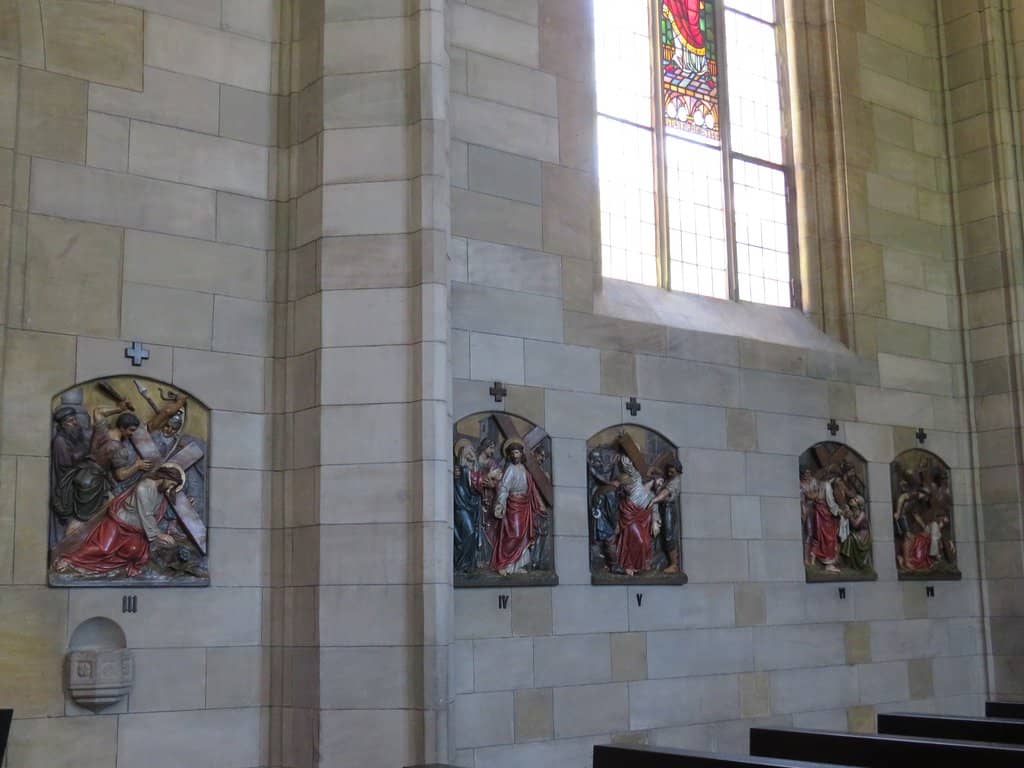
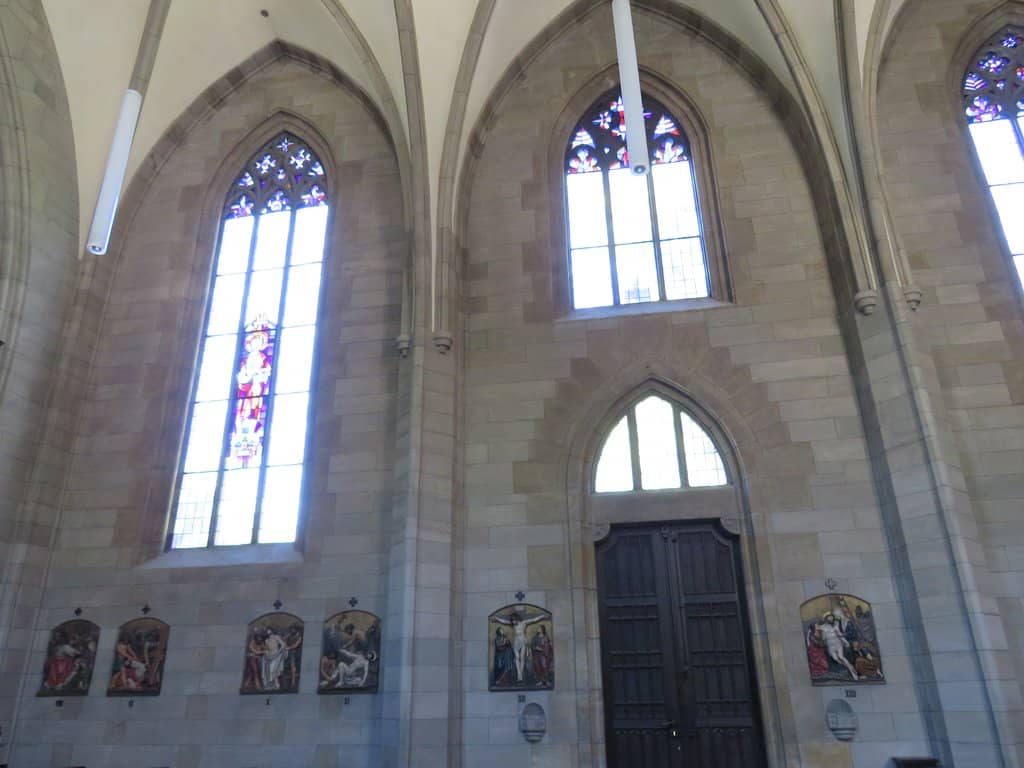
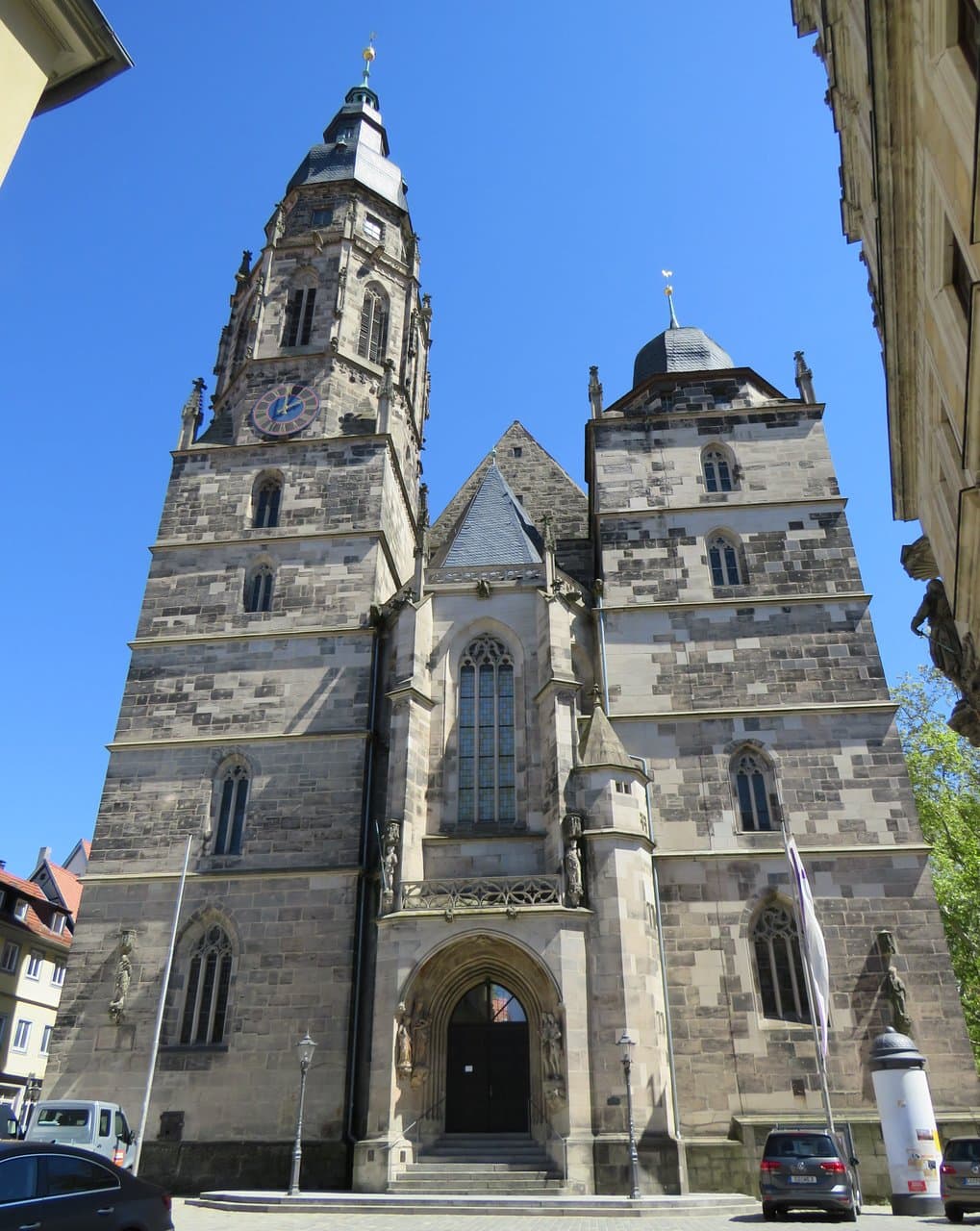
Admire the stunning 19th-century Gothic design, a testament to historical architectural styles.
Royal Burial Site
Interior
Discover the resting place of Tsar Ferdinand I of Bulgaria, a significant historical figure.
Historical Significance
Throughout the Church
Experience a beautiful piece of history in Coburg, reflecting its rich past.
Plans like a pro.
Thinks like you
Planning Your Visit
Timing Your Visit
Understanding Its Significance
Best Times
Insider Tips
from TikTok, Instagram & Reddit
Check Service Times
Confirm mass schedules to avoid disruption during your visit. :calendar:
Respectful Attire
Dress modestly as it's an active place of worship. :dress:
Appreciate the History
Learn about Tsar Ferdinand I's burial for a richer experience. :scroll:
Coburg Exploration
Combine your visit with other Coburg attractions. :city_sunrise:
Tips
from all over the internet
Check Service Times
Confirm mass schedules to avoid disruption during your visit. :calendar:
Respectful Attire
Dress modestly as it's an active place of worship. :dress:
Appreciate the History
Learn about Tsar Ferdinand I's burial for a richer experience. :scroll:
Coburg Exploration
Combine your visit with other Coburg attractions. :city_sunrise:
What Travellers Say
Reviews Summary
Visitors describe St. Augustine Church as a beautiful piece of 19th-century Gothic history in Coburg. Its significance as the burial site for Tsar Ferdinand I of Bulgaria is frequently noted as an interesting historical feature. While generally appreciated, some reviews are brief, indicating a straightforward visit.
"19th century church which follows the gothic style. contains relics of royal family members."
david antoun
"Tsar Ferdinand I of Balgaria was buried there. It was an interesting place to visit ."
Iliyan Chomakov
"A beautiful piece of history in Coburg"
ksudha
What People Like
What People Dislike
Frequently Asked Questions
🚇 🗺️ Getting There
St. Augustine Church is located in Coburg, Germany. It's accessible by public transport within the city. If arriving by train, you can take a local bus or enjoy a walk from the main station to reach the church. Parking may be available nearby, but it's advisable to check local regulations.
Yes, St. Augustine Church is a prominent landmark in Coburg. Its central location makes it relatively easy to find, especially if you are exploring the city center.
🎫 🎫 Tickets & Entry
Entry to St. Augustine Church is typically free, as it is a functioning Catholic church. However, donations are always appreciated to help with its upkeep and preservation.
The opening hours can vary as it is an active place of worship. It's best to check the official church schedule or local tourist information for the most up-to-date hours, especially to avoid visiting during mass times.
While you can technically be inside during a service, it's generally recommended to visit outside of mass times to fully appreciate the architecture and historical elements without disruption. If you do attend a service, please be respectful of worshippers.
🎫 🏛️ Onsite Experience
St. Augustine Church in Coburg is a notable example of 19th-century Gothic architecture, characterized by its pointed arches, ribbed vaults, and ornate detailing.
Yes, St. Augustine Church is known to contain the relics of royal family members, most notably the burial site of Tsar Ferdinand I of Bulgaria.
Photography policies can vary. It's best to look for signage or ask church officials if photography is permitted, especially if using flash, to ensure you are not disturbing services or worshippers.
🎫 📜 History & Significance
St. Augustine Church is significant for its 19th-century Gothic design and its role as a historical site, particularly as the burial place for Tsar Ferdinand I of Bulgaria.
Tsar Ferdinand I was the ruler of Bulgaria from 1887 to 1918. His burial in St. Augustine Church highlights the historical connections between royalty and the church.
For Different Travelers
Tailored advice for your travel style
History Enthusiasts
Religious Visitors
Deep Dives
In-depth insights and expert knowledge
Architectural Marvel: Gothic Style
The church's design likely incorporates elements that were popular during the Gothic Revival period, aiming to evoke a sense of historical continuity and religious devotion. Exploring the interior allows for a closer appreciation of the craftsmanship involved in creating such a detailed and imposing structure. It's a visual journey into a specific era of architectural history.
A Royal Resting Place
Visiting the tomb offers a tangible connection to a past era of monarchy and political influence. It's a solemn reminder of the church's enduring significance not just as a place of worship, but as a repository of historical memory and a site of national importance for Bulgaria, even in its resting place abroad. The presence of royal relics adds a unique layer of historical intrigue to the church.
Social
from TikTok, Instagram & Reddit