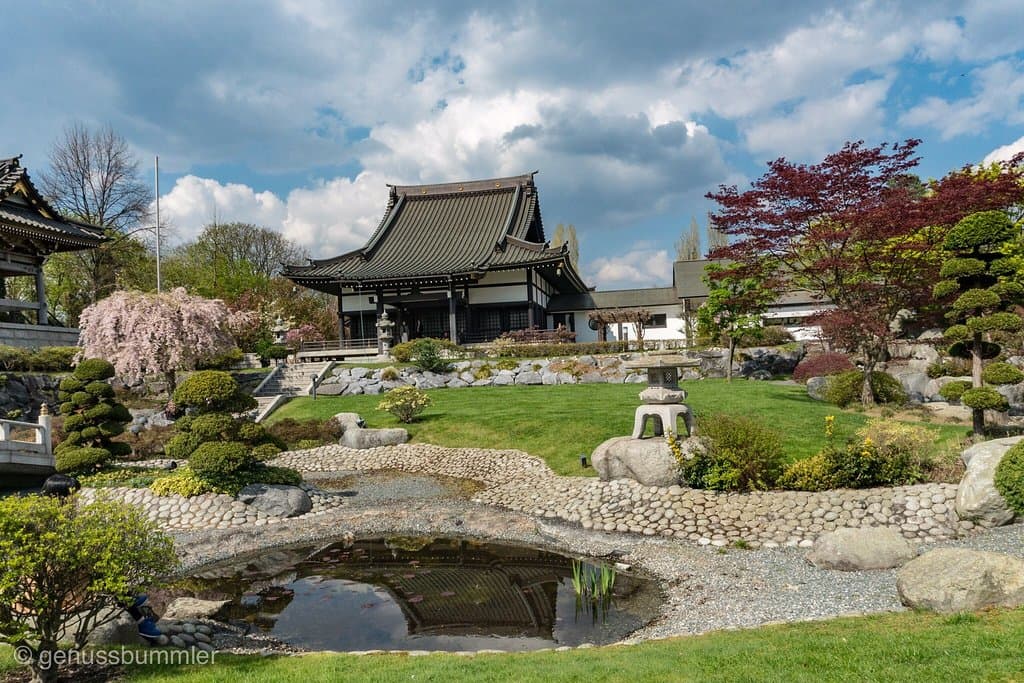
EKO-Haus of Japanese Culture
A serene Japanese temple, cultural center, and gardens offering a peaceful escape and cultural immersion in Dusseldorf.

Highlights
Must-see attractions

Social
From TikTok & Reddit
Best Time
Fewer crowds, more peaceful
EKO-Haus of Japanese Culture
Best Time
Fewer crowds, more peaceful
Highlights
Must-see attractions
A serene Japanese temple, cultural center, and gardens offering a peaceful escape and cultural immersion in Dusseldorf.
"A beautiful, peaceful place to relax and enjoy the scenery, with courteous staff."
🎯 Weekday Visits Recommended
Avoid weekends and Mondays for a quieter experience. Weekdays offer the best chance for peaceful enjoyment.
🤫 Respect the Silence
Keep noise levels low, especially in the garden, to maintain the tranquil atmosphere.
Highlights
Discover the most iconic attractions and experiences
Japanese Garden
Eko-Haus Grounds
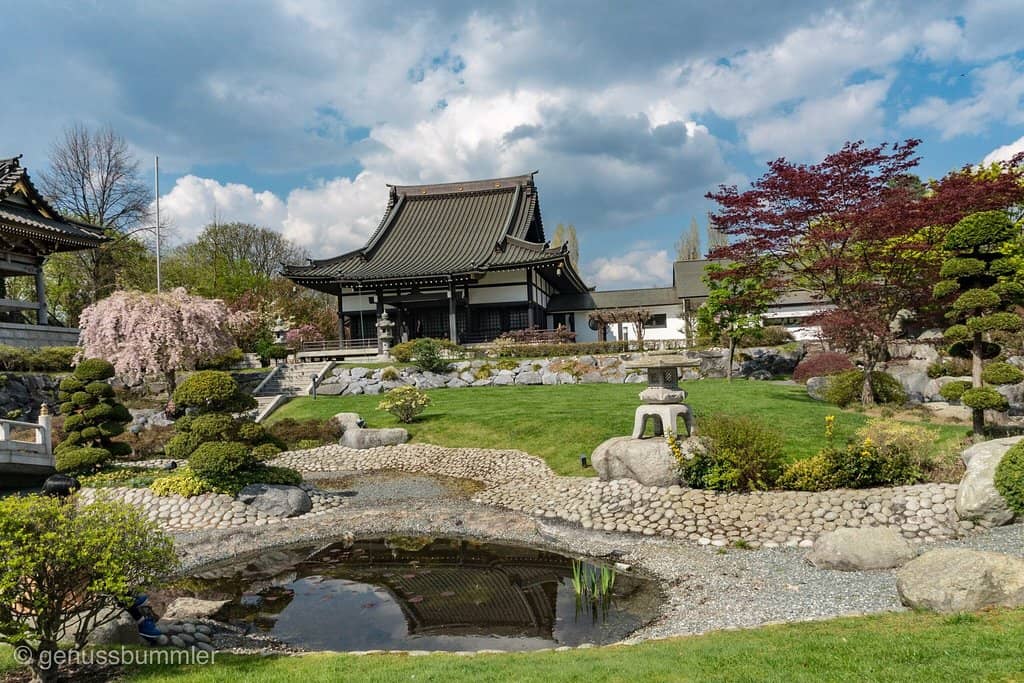
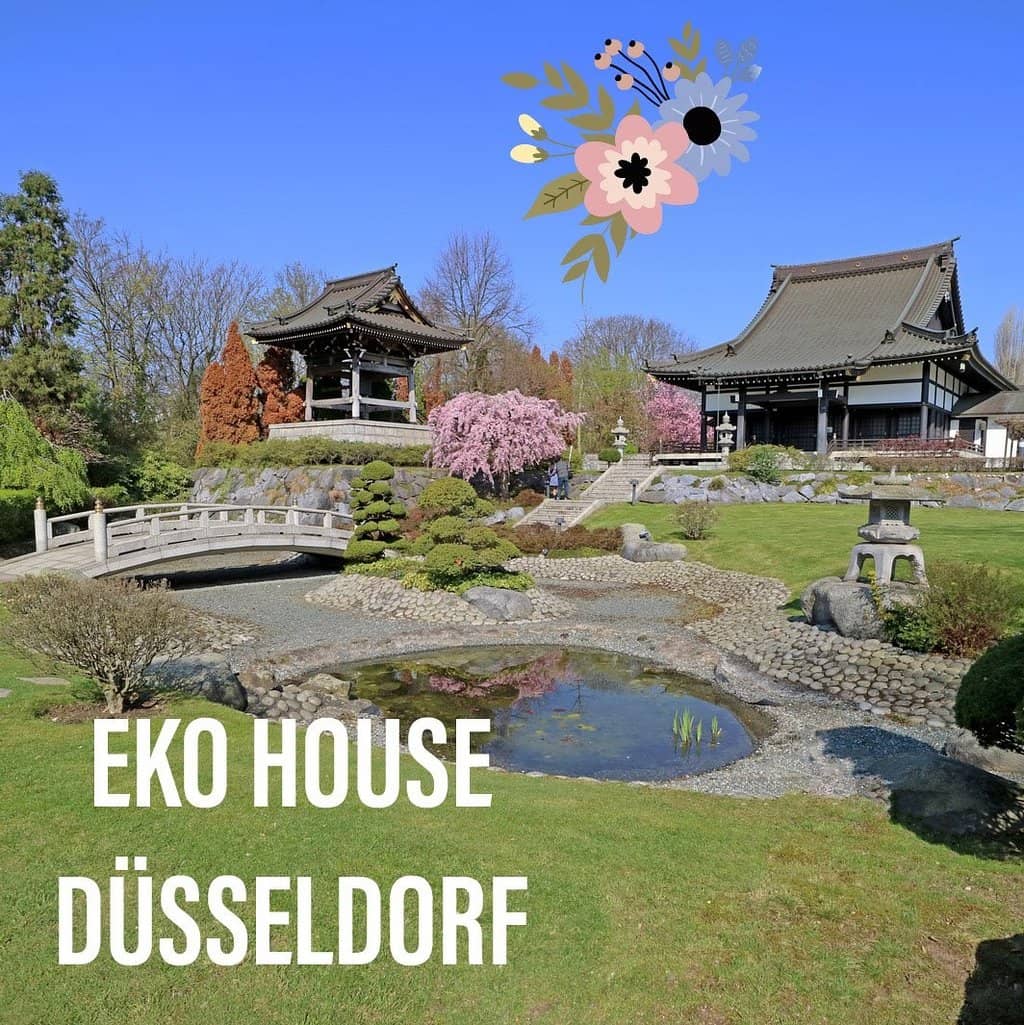
A small, serene oasis offering a peaceful escape with traditional Japanese landscaping.

Museum & Traditional House
Eko-Haus Building
Explore Japanese calligraphy, art, and experience a traditional Japanese house interior.
Buddhist Temple/Shrine
Eko-Haus Building
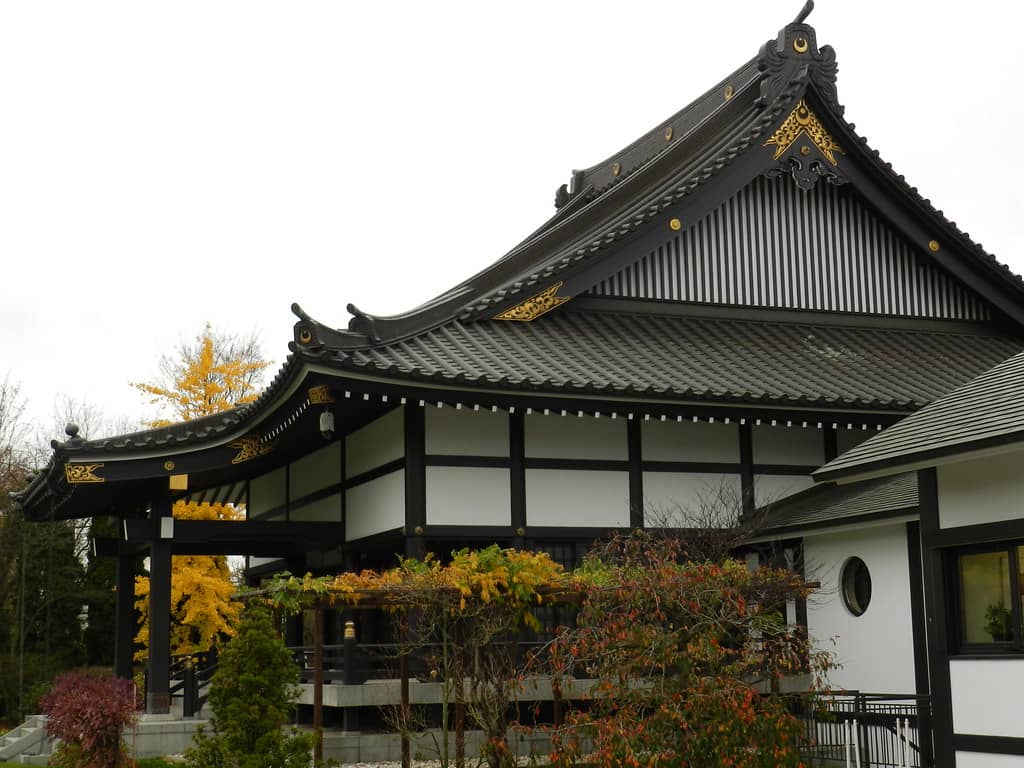
A quiet space for reflection, offering a glimpse into Buddhist practices and architecture.
Plans like a pro.
Thinks like you
Planning Your Visit
Timing is Key for Tranquility
Respect the Serenity
Best Times
Insider Tips
from TikTok, Instagram & Reddit
🎯 Weekday Visits Recommended
Avoid weekends and Mondays for a quieter experience. Weekdays offer the best chance for peaceful enjoyment.
🤫 Respect the Silence
Keep noise levels low, especially in the garden, to maintain the tranquil atmosphere.
👟 Museum Shoe Policy
Remove shoes before entering certain museum areas; socks are provided.
🎟️ Museum Entry Fee
A small fee applies for museum entry; check current prices.
Tips
from all over the internet
🎯 Weekday Visits Recommended
Avoid weekends and Mondays for a quieter experience. Weekdays offer the best chance for peaceful enjoyment.
🤫 Respect the Silence
Keep noise levels low, especially in the garden, to maintain the tranquil atmosphere.
👟 Museum Shoe Policy
Remove shoes before entering certain museum areas; socks are provided.
🎟️ Museum Entry Fee
A small fee applies for museum entry; check current prices.
📸 Photography Rules
Photography may be restricted in certain areas; be mindful of signage.
What Travellers Say
Reviews Summary
Visitors praise the Eko-Haus for its peaceful Japanese garden and the immersive experience of its traditional house museum. The tranquil atmosphere, especially on weekdays, is a significant draw. However, some note that the garden is small and can become crowded, with occasional disruptions from noisy visitors. The German-language explanations in the museum may also be a drawback for some.
"Beautiful place with a lot of folks not respecting the tranquility of the area. Human beings...
Reminded me of overcrowded place in Japan. Fortunately this time it was rainy, so it was quiet and not crowded.
The visit is free, and if you go there, please be quiet, enjoy the calm and respect yourself 🙏🏻"
Geoffrey Crofte
"I loved the peaceful moment I had there!
They don't work on weekends. They also don't work on Monday. So, make sure to go any other day if you want to visit the garden. The visit to the garden is free, the only requirement is not to be loud, as to not disturb the peace.
You can visit the museum for 3.5€ as of May 2025, not sure about prices later.
In the museum, you have the bottom hall which explores the Japanese letters, and the explanation is given in German, if you don't know it or don't have someone to explain, then you are not going to enjoy that part. The second part of the museum is when you have to take off your shoes and wear the white socks, then you explore traditional Japanese house. If you are young(er), you'll probably geek out like I did. You can keep or throw socks to trash.
I went solo but if you want to relax you'll need like 30-50mins for both the Garden and Museum.
And also I'd like to thank the receptionist at the desk in museum for being very kind and sweet. Arigato gozaimas! 🥹"
Petronije Wolfy
"Nice, quiet place to relax at and take the view of the garden in. The staff are especially courteous. You need to book tickets in advance by calling on their number on the website. Students get extra discount.
The tickets are for the temple/shrine and the tea ceremony exhibition. Socks are provided to everyone for keeping the floor clean, and shoes and bare feet are not allowed. The tea ceremony exhibition is small but nice.
On the door you will find notices that photography is prohibited, but every visitor openly takes photos due to not many staff minding the places. There was also an exhibition downstairs of Japanese calligraphy, some of which were made by participants at a workshop in 2025. Interesting and thoughtful themes."
Monish Majumdar
What People Like
What People Dislike
Frequently Asked Questions
🚇 🗺️ Getting There
The Eko-Haus is located in Dusseldorf's 'Little Tokyo' area, easily accessible by public transport. Many visitors arrive via the Immermannstraße, which is a hub for Japanese businesses and restaurants. +1
Parking in the 'Little Tokyo' area can be challenging. It's recommended to use public transportation or a parking garage if driving.
Walking is the best way to explore Little Tokyo. You can discover various Japanese supermarkets, restaurants, and shops along Immermannstraße. +1
🎫 🎫 Tickets & Entry
The garden visit is free, with the main requirement being to maintain a quiet and respectful atmosphere.
There is a small admission fee for the museum, which was around 3.50€ as of May 2025. Prices may vary, so it's good to check their official website.
For the museum, it's advisable to book tickets in advance, possibly by calling their number listed on the website, especially if you are a student seeking discounts.
The Eko-Haus is typically closed on weekends and Mondays. It's crucial to check their official opening hours before your visit to avoid disappointment.
Students may be eligible for discounts on museum entry. It's recommended to inquire about this when booking or upon arrival.
🎫 🧭 Onsite Experience
Two hours is generally considered sufficient to visit both the garden and the museum. The garden is quite small, and a relaxed visit to the museum might take 30-50 minutes.
While signs may indicate photography is prohibited, many visitors do take photos. It's best to be discreet and respectful of any specific restrictions.
The museum features an exhibition on Japanese letters in the lower hall (explanations are in German) and a traditional Japanese house interior where you must remove your shoes.
The Eko-Haus offers Buddhist ceremonies and exhibitions, including tea ceremony displays. Check their schedule for any ongoing events during your visit.
The Eko-Haus aims to be a peaceful and tranquil place, offering a serene escape. However, some visitors have noted that it can get crowded and noisy, especially on busier days.
🍽️ 🍽️ Food & Dining
The Eko-Haus itself does not typically offer dining facilities. However, it is located in Dusseldorf's 'Little Tokyo,' which is renowned for its numerous Japanese restaurants and eateries. +1
The surrounding 'Little Tokyo' district on Immermannstraße is packed with authentic Japanese restaurants, ramen shops, and cafes. You'll find a wide variety of culinary options. +1
Yes, 'Little Tokyo' has several Japanese supermarkets like Hanaro Markt, Dae-Yang Asiatische Lebensmittel, and Shochiku, offering a range of Japanese groceries and snacks.
📸 📸 Photography
Photography is generally allowed in the garden, but visitors are reminded to be quiet and respectful of the serene environment.
While some signs might indicate photography is prohibited, it's a common practice for visitors to take photos. Be discreet and mindful of any staff or specific exhibit restrictions.
The meticulously maintained Japanese garden offers beautiful shots, especially during spring. The traditional house interior also provides unique photographic opportunities. 
For Different Travelers
Tailored advice for your travel style
👨👩👧 Families with Kids
Consider visiting on a weekday to minimize crowds and ensure a more relaxed experience for the whole family. Pack light snacks if needed, as dining options are primarily outside the Eko-Haus in the surrounding 'Little Tokyo' district. The overall experience can be a gentle introduction to Japanese culture for children, focusing on visual elements and the unique house setting.
🧘 Solo Travelers Seeking Peace
The museum offers a quiet exploration of Japanese art and traditional living. The opportunity to walk through a Japanese house, even for a short while, provides a unique and personal cultural insight.
📸 Photography Enthusiasts
+1 While photography is generally permitted, remember to be discreet and respectful of the peaceful environment. Inside the museum, the traditional Japanese house interior provides unique shots with its minimalist aesthetic and tatami mats. The calligraphy exhibition also offers visually striking compositions.
Deep Dives
In-depth insights and expert knowledge
Exploring Little Tokyo: More Than Just Eko-Haus
Beyond the Eko-Haus, 'Little Tokyo' provides a fantastic opportunity to delve deeper into Japanese culinary traditions. From bustling ramen bars to delicate sushi restaurants, the options are plentiful. Supermarkets like Hanaro Markt and Dae-Yang Asiatische Lebensmittel offer a chance to purchase Japanese snacks, ingredients, and household items, making it a great spot for those looking to recreate Japanese flavors at home.
Many visitors find that combining a visit to the Eko-Haus with an exploration of 'Little Tokyo' makes for a perfect day trip. The proximity of the cultural center to the heart of the Japanese quarter means you can easily transition from quiet contemplation in the gardens to the lively energy of the surrounding streets. This synergy makes Dusseldorf a unique destination for experiencing Japanese culture in Europe.
The Eko-Haus Museum: A Cultural Journey
The second part of the museum invites visitors to step into a traditional Japanese house. Here, you'll be required to remove your shoes and wear provided socks, a common practice in Japanese homes to maintain cleanliness. This immersive experience allows you to walk through the rooms, observe the minimalist design, and get a feel for traditional Japanese living.
Visitors often praise the courteous staff at the museum, contributing to a positive and welcoming experience. The tea ceremony exhibition, though small, is also noted as a pleasant addition, offering a glimpse into this important cultural ritual.




Social
from TikTok, Instagram & Reddit