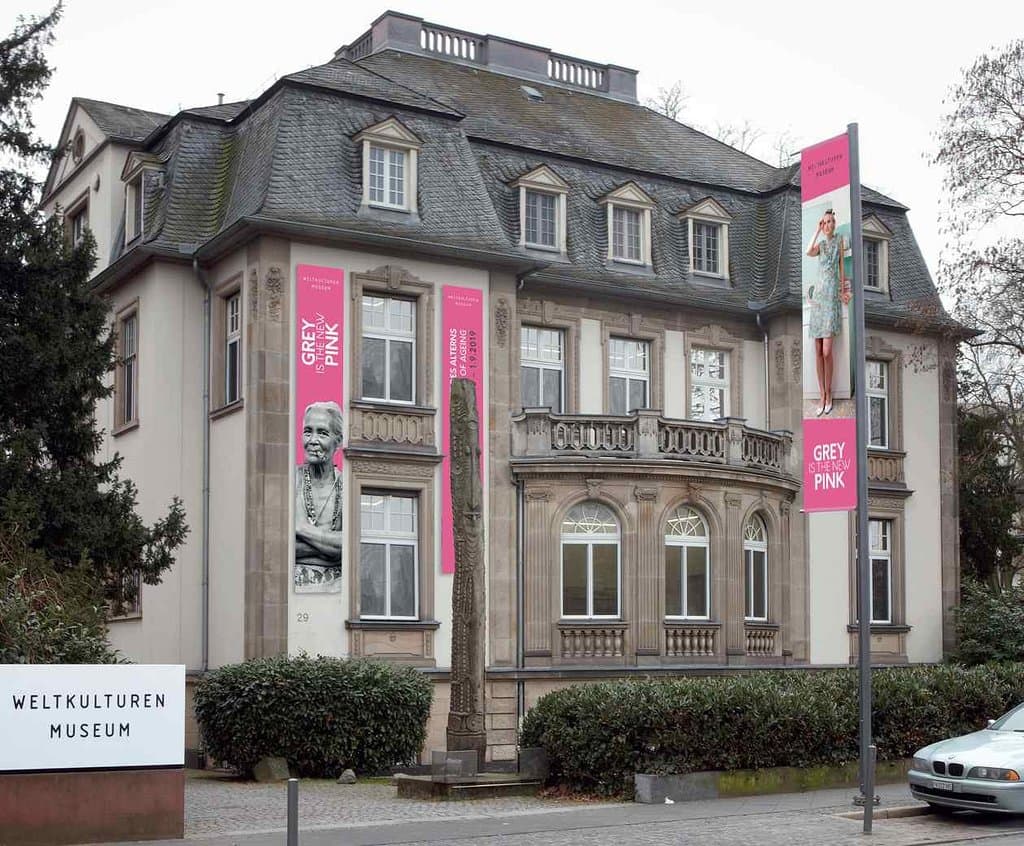
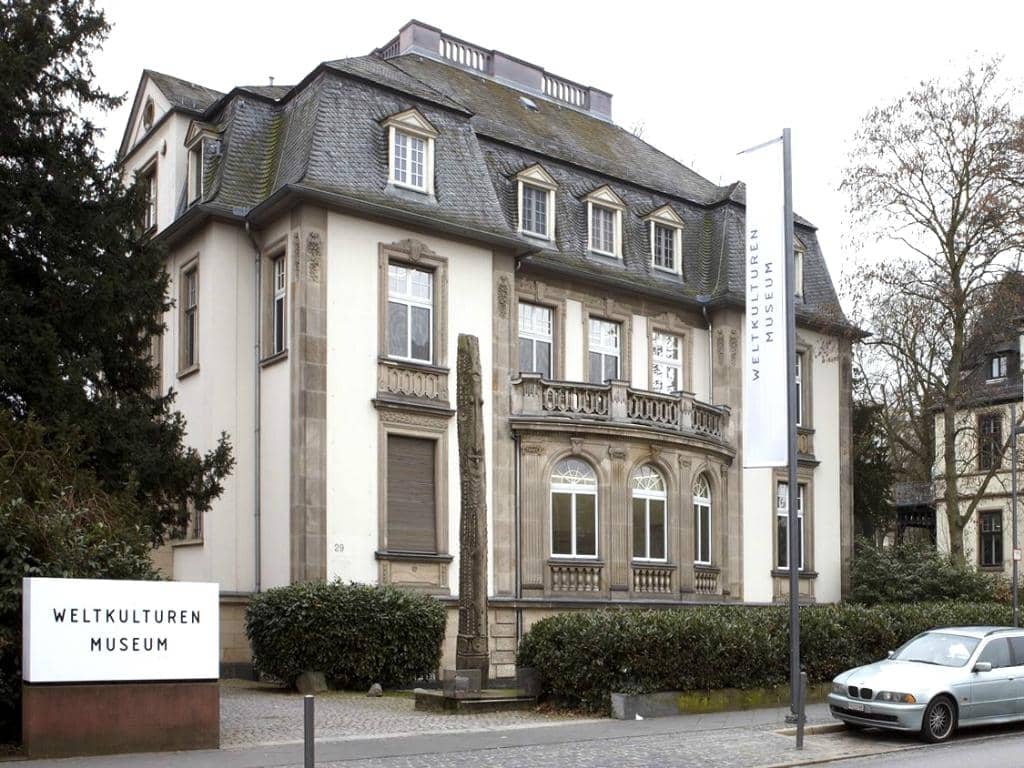
Weltkulturen Museum Frankfurt
Frankfurt's Weltkulturen Museum offers dynamic, temporary exhibitions exploring global cultures and contemporary issues.

Highlights
Must-see attractions

Social
From TikTok & Reddit
Best Time
Fewer crowds, more contemplative
Weltkulturen Museum Frankfurt
Best Time
Fewer crowds, more contemplative
Highlights
Must-see attractions
Frankfurt's Weltkulturen Museum offers dynamic, temporary exhibitions exploring global cultures and contemporary issues.
"Always check current exhibitions; they are often interesting and tackle deep subjects. "
🎯 Always check current exhibitions
The museum has no permanent collection; exhibitions change frequently. Plan accordingly!
bilingual texts
Exhibition texts are provided in both German and English, making it accessible for international visitors.
Quick Facts
Rating
4.1 · 435 reviews
Type
Museum
Highlights
Discover the most iconic attractions and experiences
Healing: Life in Balance Exhibition
Main exhibition spaces
Explores diverse cultural perspectives on healing, well-being, and community.
 +5
+5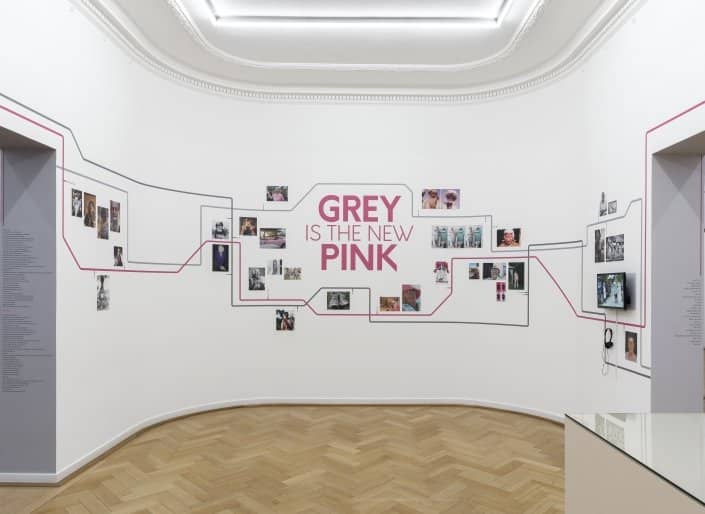
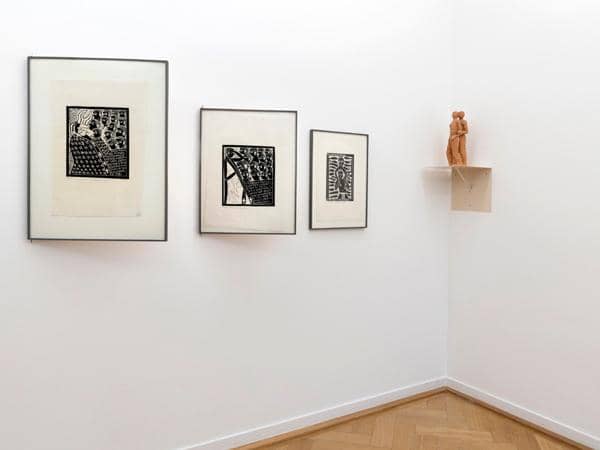
Benin Bronzes at Weltkulturenlabor
Weltkulturenlabor
Features Benin bronzes with documentation on repatriation debates and historical context.
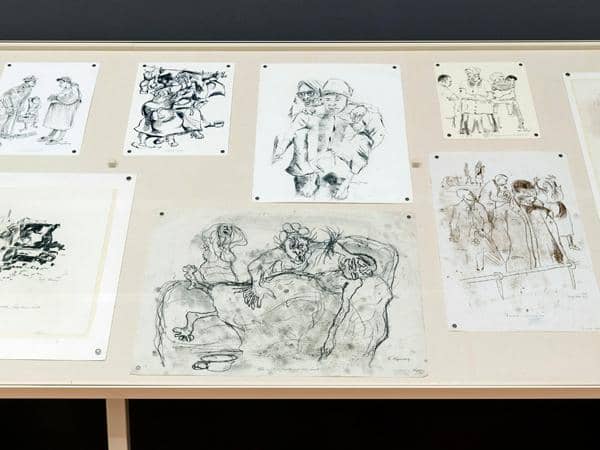
Textile Production Ethnographic Films
Exhibition spaces
Short ethnographic films from the 1960s showcasing textile production techniques.
Grüner Himmel, Blaues Gras
Exhibition spaces
An exploration of cultural color concepts and how colors shape our world.
Plans like a pro.
Thinks like you
Planning Your Visit
Check Current Exhibitions
Understand Exhibition Themes
Best Times
Insider Tips
from TikTok, Instagram & Reddit
🎯 Always check current exhibitions
The museum has no permanent collection; exhibitions change frequently. Plan accordingly!
bilingual texts
Exhibition texts are provided in both German and English, making it accessible for international visitors.
💰 Affordable entry fee
Reasonable prices, with student discounts available. Adults typically pay around 7 Euros.
🤔 Engage with complex themes
Exhibitions often tackle deep subjects like slavery, immigration, and decolonization.
Tips
from all over the internet
🎯 Always check current exhibitions
The museum has no permanent collection; exhibitions change frequently. Plan accordingly!
bilingual texts
Exhibition texts are provided in both German and English, making it accessible for international visitors.
💰 Affordable entry fee
Reasonable prices, with student discounts available. Adults typically pay around 7 Euros.
🤔 Engage with complex themes
Exhibitions often tackle deep subjects like slavery, immigration, and decolonization.
🎥 Watch the ethnographic films
Don't miss the fascinating 1960s films on textile production.
What Travellers Say
Reviews Summary
Visitors appreciate the museum's focus on thought-provoking, temporary exhibitions that tackle significant cultural and social themes, often with bilingual texts. However, some find the museum's layout small and certain exhibition approaches less engaging. +1
"This museum has no permanent but only changing exhibitions. So don’t expect a classic ethnological museum here. 🙅🏾♀️
Before you go there inform yourself about the current exhibition and if it suits your interests.
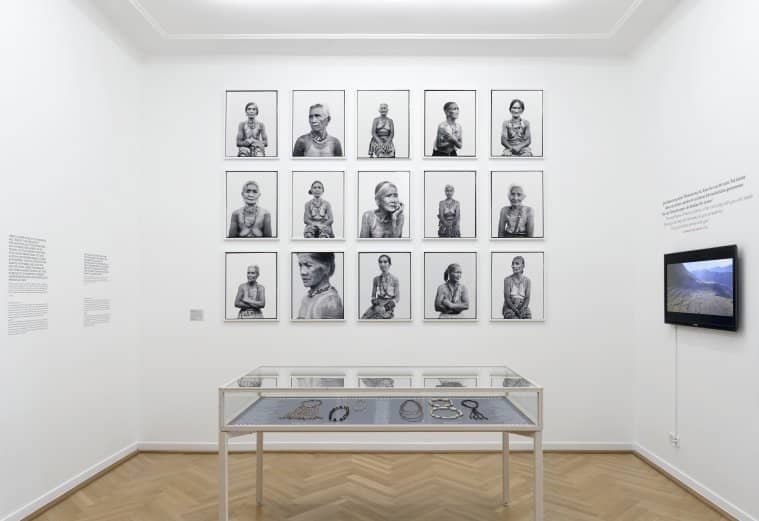
I was twice in that museum and saw theee exhibitions: one about Black and Indigenous Brazilians 🇧🇷, one about aging in different cultures and one about the portrayal of Native Americans in the United States 🇺🇸.
The basic topics are mostly ethnological and often interesting.
The texts are always written in both German and English. The entry fee is okay: 4 Euros if you are a student and 7 Euros for an adult."
Thomas Harsha Kreutz
"Don't miss the current exhibition on the Benin bronzes at the Weltkulturenlabor. It's a great opportunity to see some of the Benin bronzes from the collection. There is also a thorough documentation of the debate around the repatriation of these relics. Importantly, the exhibition addresses the slave trade origin of many of these bronzes which were made from melted manillas that the Kingdom of Benin obtained in exchange for captives they sold to European transatlantic slave traders. The Restitution Study Group, which is mentioned in the exhibition, has been advocating for joint ownership of the relics by the DNA descendants of the enslaved captives and Nigeria respectively the Oba of Benin."
Nils Paellmann
"The exhibit was about textiles when we visited the museum. I work in a portion of North America where textiles are rarely preserved in the archaeological record. Hence my interest about which items from textile manufacture might actually be found on archaeological sites, e.g., spindle whorls (various sizes and shapes), bone pins, and bone shuttles (or textile swords). The exhibit includes these items. In addition there were a series of ca. 5-10 minute ethnographic films from the 1960s showing various aspects of basic textile production (cotton spinning, cord making, coconut fibers, etc.) and decoration in SE Asia, Micronesia, and South America. We enjoyed the films too."
Fred Finney
What People Like
What People Dislike
Frequently Asked Questions
🚇 🗺️ Getting There
The museum is easily accessible by public transport. Take trams or buses to the 'Frankfurt Museumsufer' stop. It's also a pleasant walk from the city center.
Parking in the Museumsufer area can be challenging and expensive. It's generally recommended to use public transportation or walk if possible.
Information on accessibility can vary by exhibition. It's best to check the museum's official website or contact them directly for the most up-to-date details regarding wheelchair access.
Photography policies can differ per exhibition. Generally, non-flash photography for personal use is allowed, but always check for signage or ask museum staff.
From Frankfurt Airport (FRA), take the S-Bahn (lines S8 or S9) towards the city center and alight at 'Hauptwache' or 'Konstablerwache'. From there, you can transfer to a tram or bus, or enjoy a walk to the museum.
🎫 🎫 Tickets & Entry
Opening hours can vary, especially on weekends and holidays. It's crucial to check the official Weltkulturen Museum website for the most current hours before your visit.
Admission fees are generally reasonable. Adults typically pay around 7 Euros, with concessions available for students (around 4 Euros).
For most exhibitions, advance booking is not strictly necessary, but it can be a good idea during peak times or for special events to guarantee entry. Check the museum's website for any specific requirements.
Student discounts are available. While there aren't typically regular free entry days, it's worth checking the museum's website for any special promotions or events that might offer reduced admission.
The Weltkulturenlabor is a space within the museum that often hosts specific exhibitions, such as the one on Benin bronzes, offering a focused look at particular collections or themes.
🎫 🧭 Onsite Experience
The museum specializes in temporary exhibitions that explore ethnological themes, cultural practices, and contemporary global issues. They do not have a permanent collection. +1
Yes, exhibition texts are consistently provided in both German and English, making the content accessible to a wider audience.
Past exhibitions have covered diverse topics such as Black and Indigenous Brazilians, aging in different cultures, the portrayal of Native Americans, and textiles.
While exhibitions can be thought-provoking, some themes might be complex for younger children. It depends on the specific exhibition and the child's maturity.
The museum is housed in a relatively small building with exhibits in individual rooms. Some visitors find the approach to topics like immigration to be sincere, while others have expressed different opinions.
🍽️ 🍽️ Food & Dining
The museum itself does not typically have a dedicated restaurant or cafe. However, the Museumsufer area offers numerous dining options, from casual cafes to more formal restaurants.
It's generally not permitted to consume food or drinks inside the exhibition spaces to protect the artifacts. There might be designated areas, but it's best to check with staff.
The Museumsufer is a vibrant area with a wide range of culinary choices, including German cuisine, international options, and cafes. You'll find something to suit most tastes and budgets.
Yes, several cafes are located along the Museumsufer, offering coffee, pastries, and light snacks. Perfect for a short break between exhibits.
Frankfurt is a diverse city with many restaurants offering vegetarian and vegan options. You'll easily find suitable choices in the vicinity of the museum.
📸 📸 Photography
Generally, non-flash photography for personal use is permitted. However, policies can vary per exhibition, so always look for signage or ask museum staff.
No, flash photography is typically prohibited in museums to protect the artworks and artifacts from potential damage.
Some exhibitions might have specific restrictions on photography, especially if they feature sensitive materials or loaned items. Always adhere to the guidelines provided.
This depends heavily on the current exhibition. Look for visually striking displays, unique artifacts, or architectural elements within the exhibition spaces.
Tripods and selfie sticks are usually not allowed inside exhibition spaces to avoid obstructing other visitors and to prevent accidental damage.
You may also like

Museum Angewandte Kunst Frankfurt

Städel Museum Frankfurt

Museumsufer Frankfurt

Sachsenhausen-Nord Frankfurt

German Architecture Museum (DAM) Frankfurt

Frankfurt Botanic Garden Frankfurt
Museum Angewandte Kunst Frankfurt
Städel Museum Frankfurt
Museumsufer Frankfurt
Sachsenhausen-Nord Frankfurt
German Architecture Museum (DAM) Frankfurt
Frankfurt Botanic Garden Frankfurt

Bethmannpark & Chinese Garden Frankfurt

Museum für Kommunikation Frankfurt

Westhafen Tower Frankfurt
Bockenheim Frankfurt
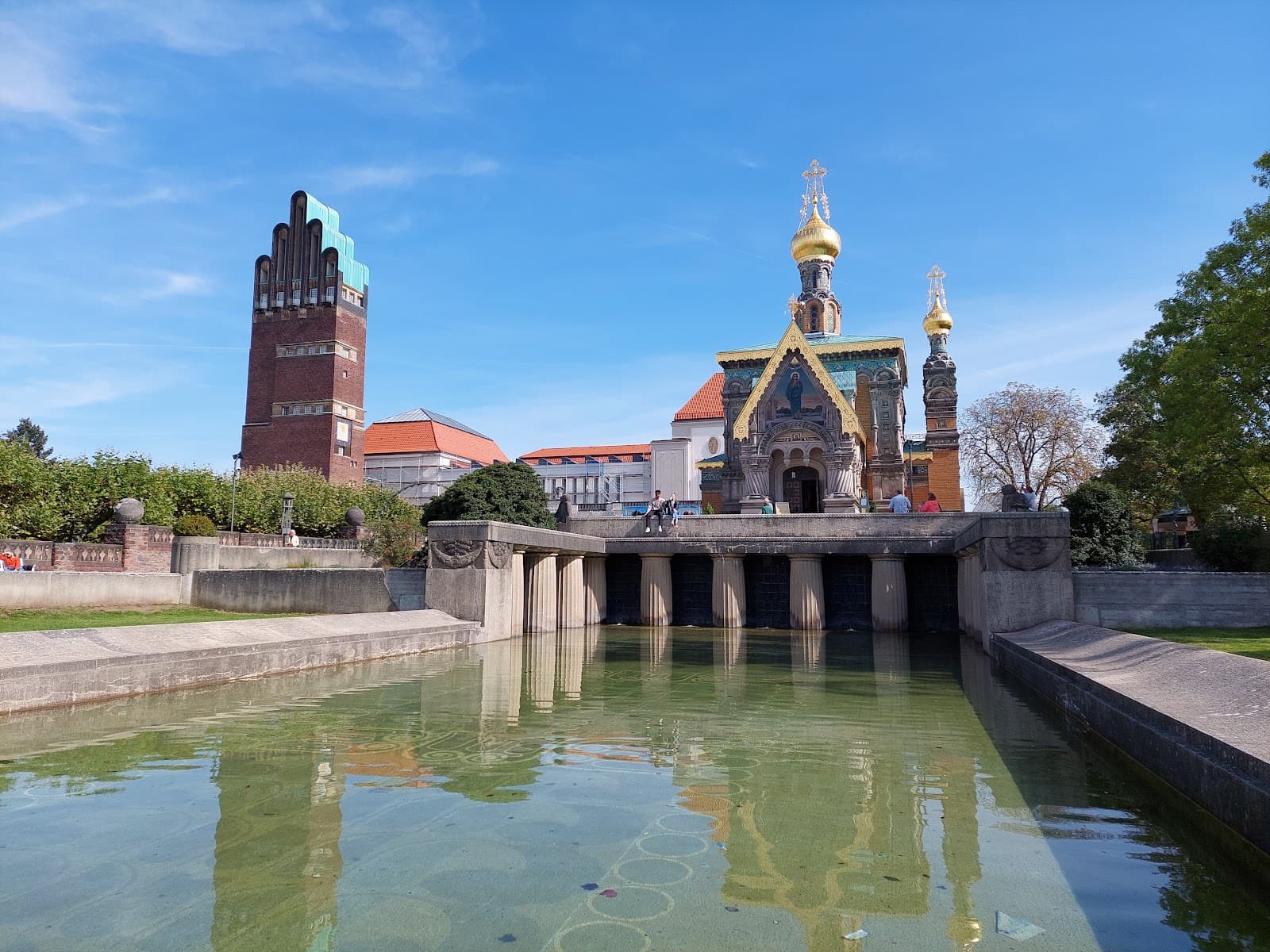
Mathildenhöhe Darmstadt

Social
from TikTok, Instagram & Reddit