Corvey Abbey
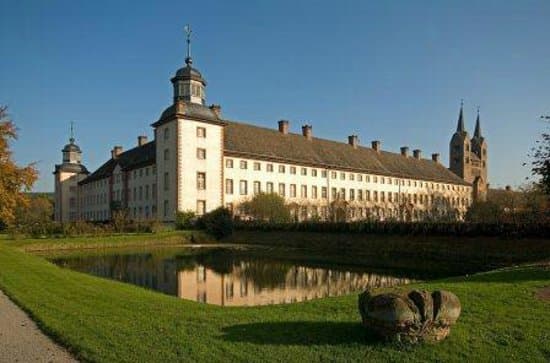
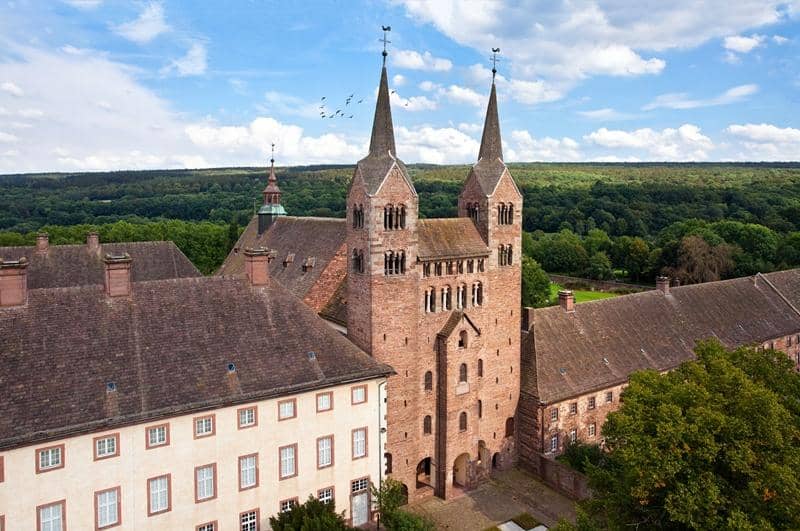
Explore the rare Carolingian westwork with ancient Odyssey paintings and a Baroque church, a UNESCO World Heritage site.
Highlights
Must-see attractions

Social
From TikTok & Reddit
Best Time
Pleasant weather, fewer crowds
Corvey Abbey
Best Time
Pleasant weather, fewer crowds
Highlights
Must-see attractions
Explore the rare Carolingian westwork with ancient Odyssey paintings and a Baroque church, a UNESCO World Heritage site.
"Small but beautiful, with incredibly unique historical significance."
🎟️ Combined Tickets
Opt for a combined ticket to explore the church, castle, and gardens for a full Corvey experience.
🚶♀️ Allow Ample Time
Give yourself at least 2-3 hours to fully appreciate the westwork, Baroque church, and castle.
Quick Facts
Hours
Rating
4.6 · 102 reviews
Type
Place of Worship
Highlights
Discover the most iconic attractions and experiences
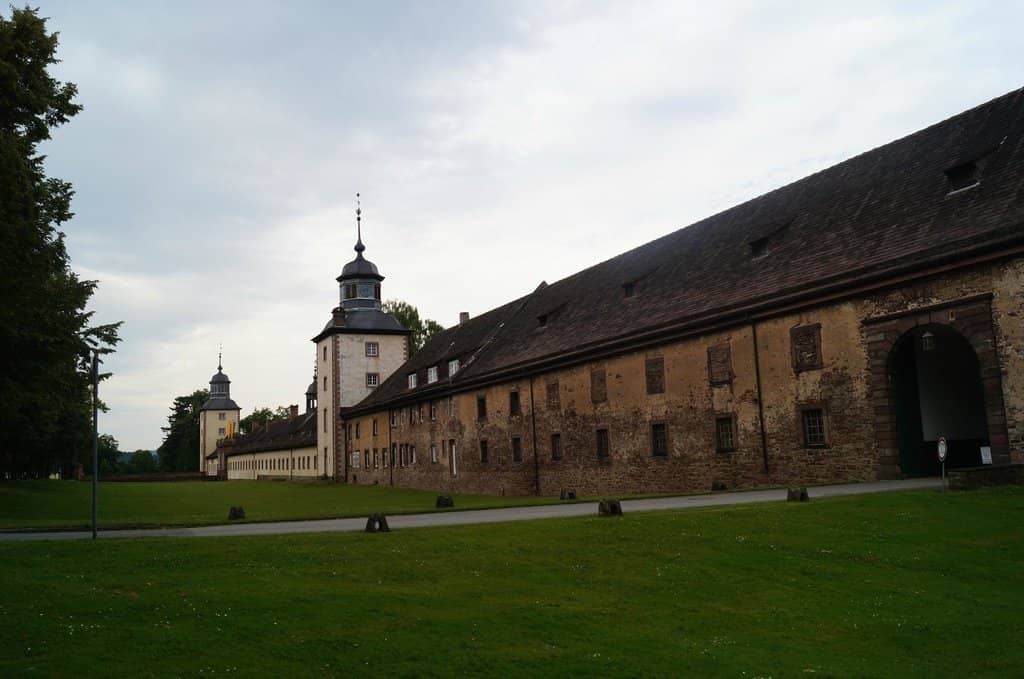
Carolingian Westwork
Church of St. Stephen and St. Vitus
The sole surviving Carolingian westwork, featuring rare medieval wall paintings of the Odyssey.
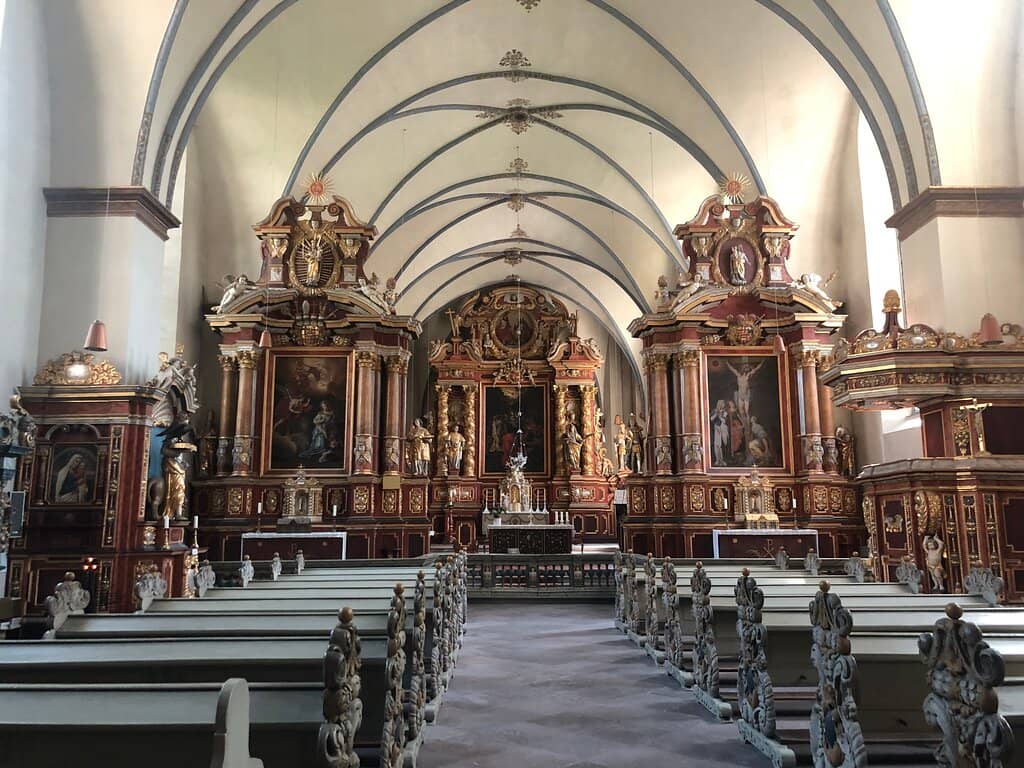
Baroque Church
Church of St. Stephen and St. Vitus
A beautifully furnished Baroque church offering a stark, yet harmonious, contrast to the ancient westwork.
Corvey Castle
Adjacent to the church
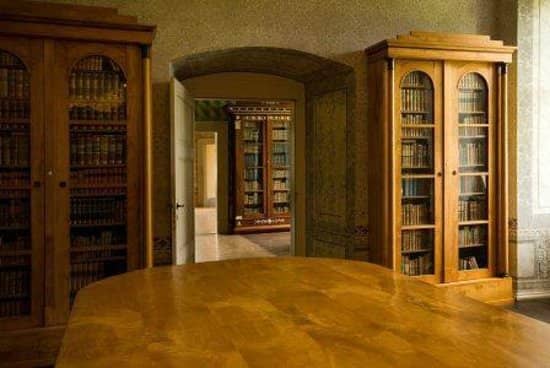
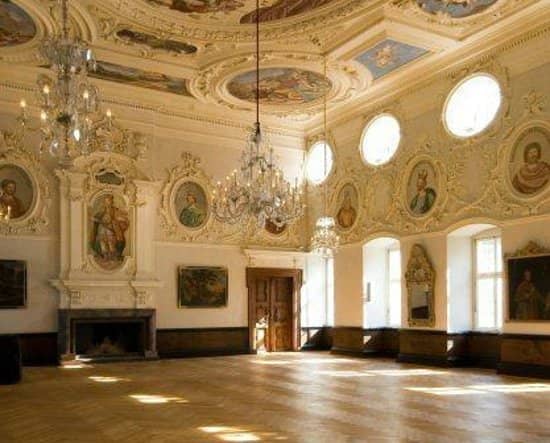
Explore former monastic buildings, impressive rooms, and a princely library showcasing centuries of history.
Plans like a pro.
Thinks like you
Planning Your Visit
Uncover Carolingian History
Beyond the Westwork
Best Times
Insider Tips
from TikTok, Instagram & Reddit
🎟️ Combined Tickets
Opt for a combined ticket to explore the church, castle, and gardens for a full Corvey experience.
🚶♀️ Allow Ample Time
Give yourself at least 2-3 hours to fully appreciate the westwork, Baroque church, and castle.
♿ Accessibility
The lower part of the church is wheelchair accessible, and staff are helpful.
🌳 Adjacent Cemetery
Visit the grave of Hoffmann von Fallersleben in the nearby cemetery.
Tips
from all over the internet
🎟️ Combined Tickets
Opt for a combined ticket to explore the church, castle, and gardens for a full Corvey experience.
🚶♀️ Allow Ample Time
Give yourself at least 2-3 hours to fully appreciate the westwork, Baroque church, and castle.
♿ Accessibility
The lower part of the church is wheelchair accessible, and staff are helpful.
🌳 Adjacent Cemetery
Visit the grave of Hoffmann von Fallersleben in the nearby cemetery.
What Travellers Say
Reviews Summary
Visitors consistently praise Corvey Abbey for its unique historical significance, particularly the rare Carolingian westwork and its fascinating medieval wall paintings. The contrast with the Baroque church and the impressive castle also receive high marks. While some find the facility small, most appreciate its beauty and the wealth of history it contains.
"Benedictine monasteries were not only religious centers in the Middle Ages. They also performed important economic, political, and cultural functions. Corvey Abbey, for example, helped integrate the region on the Weser bend, which had been violently conquered under Charlemagne, into the Frankish Empire in the 9th and 10th centuries, to Christianize and administer it. Above all, ancient texts were copied in the monastic scriptorium, without which historians today would know nothing about the history, mythology, scholarship, and philosophy of the ancient Greeks and Romans. The Corvey monastery library contained the writings of many classical authors, most notably Tacitus's "Germania." This text also mentions that the famous Battle of the Teutoburg Forest is said to have taken place in the Teutoburg Forest. Virgil, Ovid, and Horace were also read and interpreted in Corvey. A testament to this period, so significant for Corvey, is the so-called Carolingian westwork – a church space set to the west, built between 873 and 885 under the Carolingian royal and imperial dynasty. What makes the westwork special are its preserved medieval wall paintings, which figuratively reference the Greek Odyssey. The fragmentary wall friezes in the St. John's choir thus depict Odysseus's wanderings on the dangerous and uncertain sea in a Christian manner. The sea ultimately represented the threats of the world through which the ship of the Christians – that is, the Church – had to navigate. One scene depicts the epic hero Odysseus fighting the sea monster Scylla. This hybrid creature has the upper body of a woman and a belt of dogs that seem to be snapping wildly at each other. Under her right arm, Scylla holds one of Odysseus's unfortunate companions. He has apparently been torn from the ship and will likely be devoured by Scylla's hounds in the next indicated moment. However, Odysseus stabs one of the hounds in the jaws with his lance, forcing Scylla to retreat somewhat, even though she is far from defeated. The outcome of the fight seems quite open. In the monastic Christian context, the monster can certainly be interpreted as a demoness or dragon. The virtuous Odysseus must bravely defend himself against it, analogous to the Archangel Michael. The Christians who do not stand firm—represented by Odysseus's unfortunate companion—fall victim to the terrible sea monster or the devil. Their souls seem lost. This scene thus possibly alludes to lingering pagan traditions in some segments of the population. The complete Christianization of the "Saxons" must certainly have been a lengthy process—not an act that could be suddenly enforced from one moment to the next with baptism. Also noteworthy are the depictions of a harp-playing siren with the upper body of a human and the legs of a green bird. This figure, craving human flesh, attempts to steer Odysseus's ship off course with enchanting music. Also worth discovering is a scene with a dolphin leaping from the water and another ship that already appears heavily damaged by the sea. In 1992, architectural researchers discovered another special feature in the westwork: preliminary drawings for four stucco figures added later. The intended sculptures possibly represented the Carolingian kings, as the brushwork on the masonry suggests military cloaks, so-called chlamys. However, since clear symbolic attributes such as a crown and scepter are missing, this interpretation remains speculative. It is certainly conceivable, however, that the Frankish kings held solemn church masses and court days in the westwork, i.e., held political meetings with selected princes and nobles and consulted with them. All of this could be explained even better with additional text panels."
Jannik Gorewoda
"Large facility with free parking"
Jacek K
"Interesting historic westwork. A visit to the church is worthwhile, although there's a fee, but there's plenty to see. The lower part is wheelchair accessible. The staff is friendly and will answer a few questions. The grave of Hoffmann von Fallersleben is in the adjacent cemetery."
Tobias Kröger (TopseAS)
What People Like
What People Dislike
Frequently Asked Questions
🚇 🗺️ Getting There
Corvey Abbey is located near Höxter, Germany. It's accessible by car, with free parking available. Public transport options include regional trains to Höxter station, followed by a local bus or taxi to the abbey.
Yes, there is large facility with free parking available for visitors.
Absolutely! Corvey Abbey makes for an excellent day trip, especially if you're exploring the Weser Uplands region. You can easily spend half a day or more here.
🎫 🎫 Tickets & Entry
Yes, there is a fee to visit the church, especially the historic westwork. A general admission ticket often includes access to the castle and its collections as well.
Opening hours can vary seasonally. It's best to check the official Corvey Abbey website for the most up-to-date information on opening times for the church, castle, and any special exhibitions.
Typically, you can purchase tickets for individual areas or a combined ticket that grants access to the church, castle, and gardens.
Yes, the unique Carolingian westwork is a primary attraction and is usually included with your admission ticket.
🎫 🧭 Onsite Experience
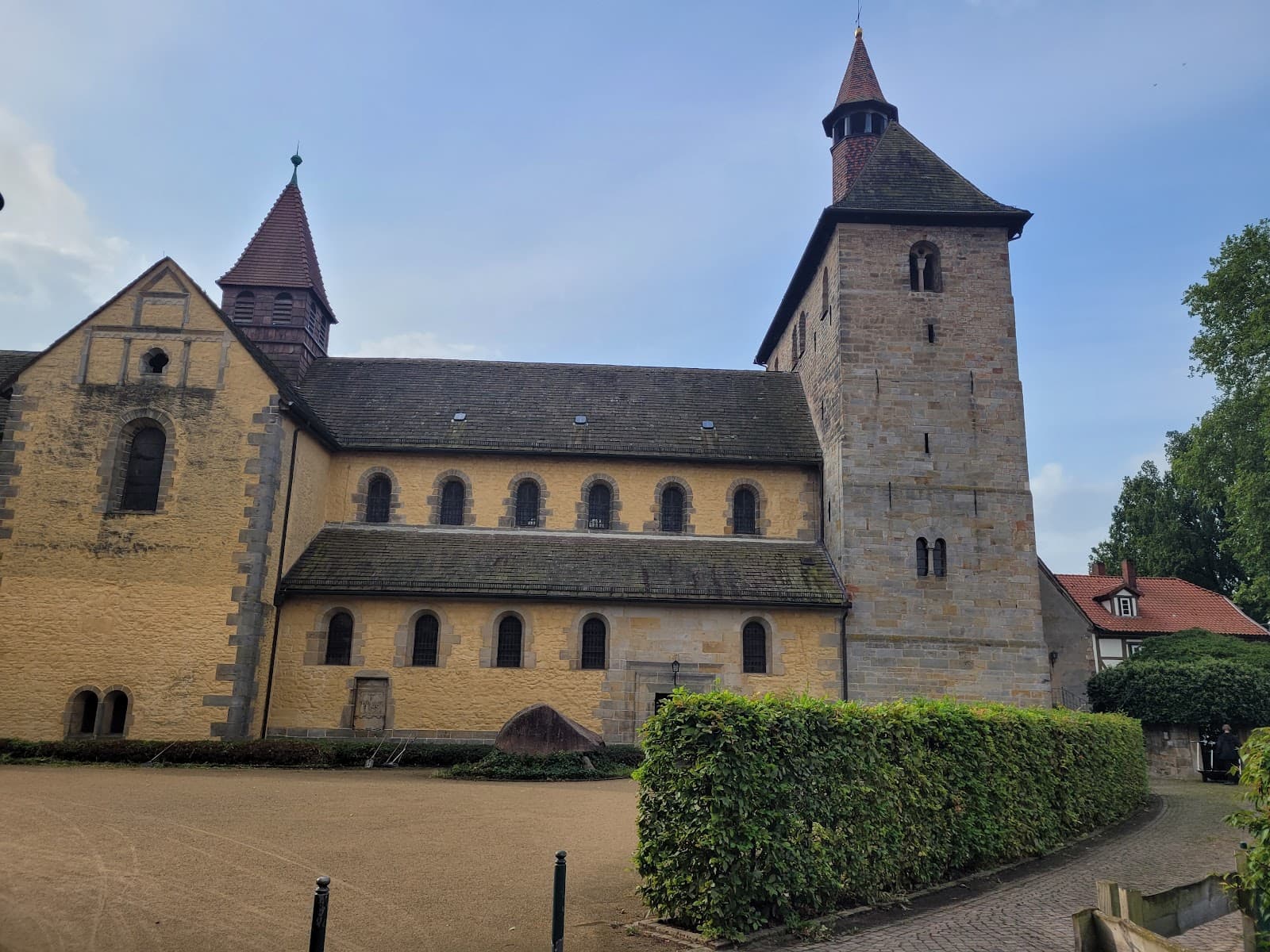
Corvey Abbey's World Heritage designation is almost exclusively due to its Carolingian westwork, built in the 9th century. It's the only preserved part of the old church and is incredibly unique.
The medieval wall paintings in the St. John's choir figuratively reference the Greek Odyssey, depicting scenes like Odysseus fighting Scylla and encountering sirens, interpreted in a Christian context.
While the historical significance might appeal more to adults, the unique stories within the wall paintings and the castle exploration can be engaging for older children.
Beyond the westwork, explore the Baroque church with its rich furnishings, the impressive castle rooms, and the princely library. The adjacent cemetery also holds the grave of Hoffmann von Fallersleben.
Photography policies can vary. It's advisable to check for signage or ask staff regarding restrictions, especially for flash photography within the historic areas.
🍽️ 🍽️ Food & Dining
Information on onsite dining facilities is limited. It's recommended to check the official website or plan to dine in the nearby town of Höxter.
Picnicking rules are not explicitly mentioned. It's best to inquire with the abbey staff or stick to designated areas if available, to respect the historical site.
📸 📸 Photography
The exterior architecture, especially the contrast between the westwork and the Baroque church, offers great shots. Inside, focus on capturing the unique atmosphere of the westwork's paintings and the grandeur of the castle rooms.
Photography rules can be strict in sensitive historical areas. Always check for signs or ask permission before taking photos inside the westwork.

Social
from TikTok, Instagram & Reddit