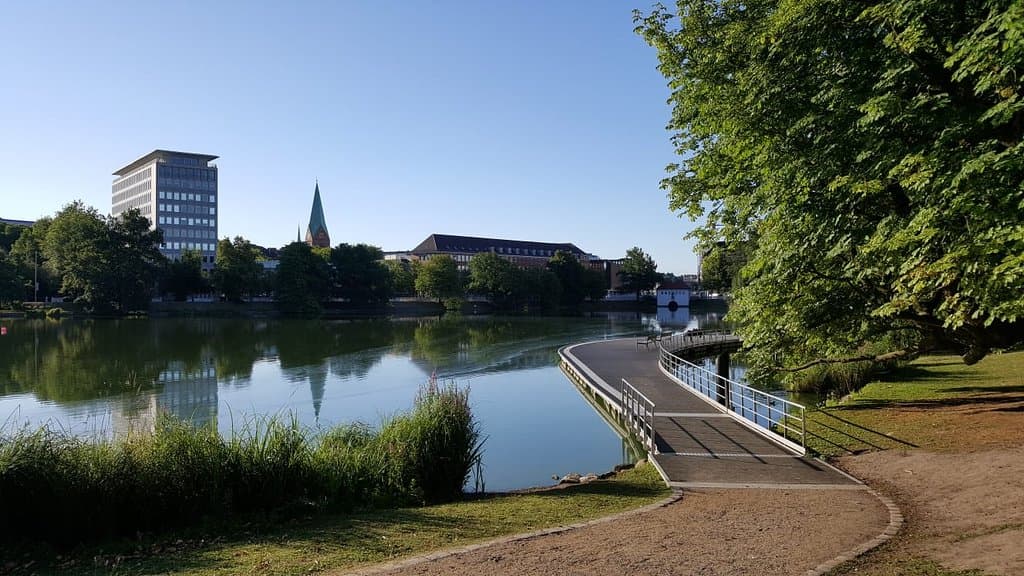
Hiroshima Peace Memorial Park
A solemn sanctuary dedicated to remembrance, the Hiroshima Peace Memorial Park stands as a powerful testament to the victims of the atomic bombing and...
Highlights
Must-see attractions

Social
From TikTok & Reddit
Best Time
Fewer crowds, peaceful atmosphere
Hiroshima Peace Memorial Park
Best Time
Fewer crowds, peaceful atmosphere
Highlights
Must-see attractions
A solemn sanctuary dedicated to remembrance, the Hiroshima Peace Memorial Park stands as a powerful testament to the victims of the atomic bombing and a beacon of hope for global peace.
"A must-visit place that leaves you speechless and deeply moved by its history and message of peace."
Wear Comfortable Shoes
You'll be doing a lot of walking to explore the vast park grounds. :athletic_shoe:
Allow Ample Time
Give yourself at least 2-3 hours to truly absorb the history and exhibits. :clock1:
Quick Facts
Hours
Rating
4.5 · 1,148 reviews
Type
State Park
Highlights
Discover the most iconic attractions and experiences
Atomic Bomb Dome
Near the Motoyasu River
The skeletal remains of the former Prefectural Industrial Promotion Hall, a stark symbol of the bombing's devastation.
Peace Memorial Museum
Central part of the park
Houses artifacts and exhibits detailing the bombing and its aftermath, offering a profound historical perspective.
Children's Peace Monument
Southern end of the park
A tribute to the child victims, adorned with thousands of colorful paper cranes sent from around the world.
Cenotaph for the A-Bomb Victims
Central axis of the park
A memorial arch symbolizing peace, sheltering the names of all victims, regardless of nationality.
Plans like a pro.
Thinks like you
Planning Your Visit
Timing Your Visit for Reflection
Understanding the Significance
Best Times
Insider Tips
from TikTok, Instagram & Reddit
Wear Comfortable Shoes
You'll be doing a lot of walking to explore the vast park grounds. :athletic_shoe:
Allow Ample Time
Give yourself at least 2-3 hours to truly absorb the history and exhibits. :clock1:
Respectful Demeanor
This is a place of remembrance; maintain a quiet and respectful attitude throughout your visit. 🙏
Paper Cranes for Peace
Consider folding a paper crane to leave at the Children's Peace Monument as a symbol of hope. :origami_crane:
Tips
from all over the internet
Wear Comfortable Shoes
You'll be doing a lot of walking to explore the vast park grounds. :athletic_shoe:
Allow Ample Time
Give yourself at least 2-3 hours to truly absorb the history and exhibits. :clock1:
Respectful Demeanor
This is a place of remembrance; maintain a quiet and respectful attitude throughout your visit. 🙏
Paper Cranes for Peace
Consider folding a paper crane to leave at the Children's Peace Monument as a symbol of hope. :origami_crane:
Check Museum Hours
The Peace Memorial Museum has specific opening and closing times, so plan accordingly. 🎟️
What Travellers Say
Reviews Summary
Visitors consistently praise the Hiroshima Peace Memorial Park as a deeply moving and essential place to visit, offering profound historical insights and a powerful message of peace. While the museum can be emotionally challenging, the park's serene atmosphere and symbolic memorials leave a lasting impression. Some find the sheer weight of history overwhelming, but most agree it's a vital experience for understanding the past and advocating for a peaceful future.
"Beautiful park to visit. There were alot small ducklings 🐥, watching them made my evening."
Mayank Kumar
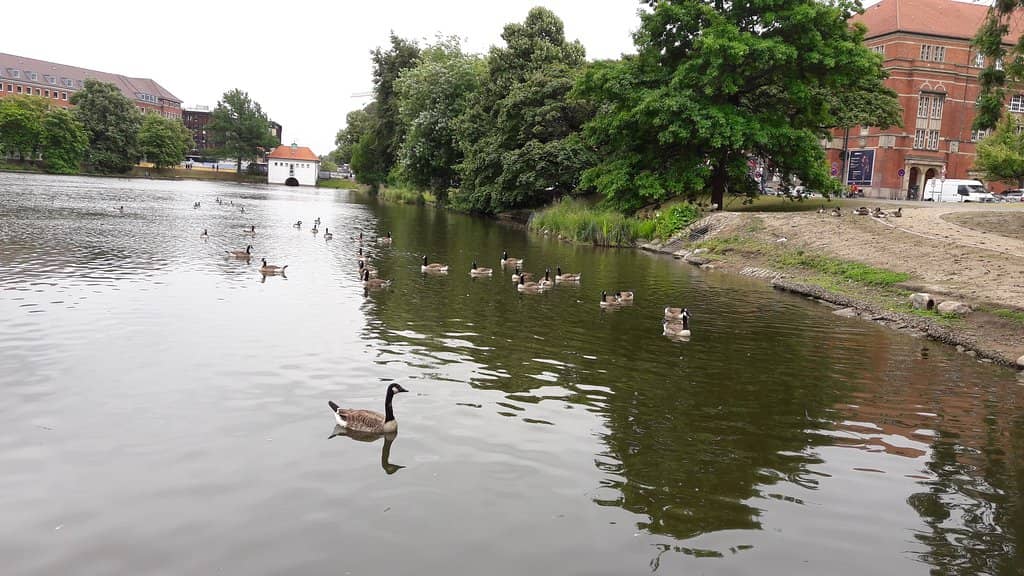
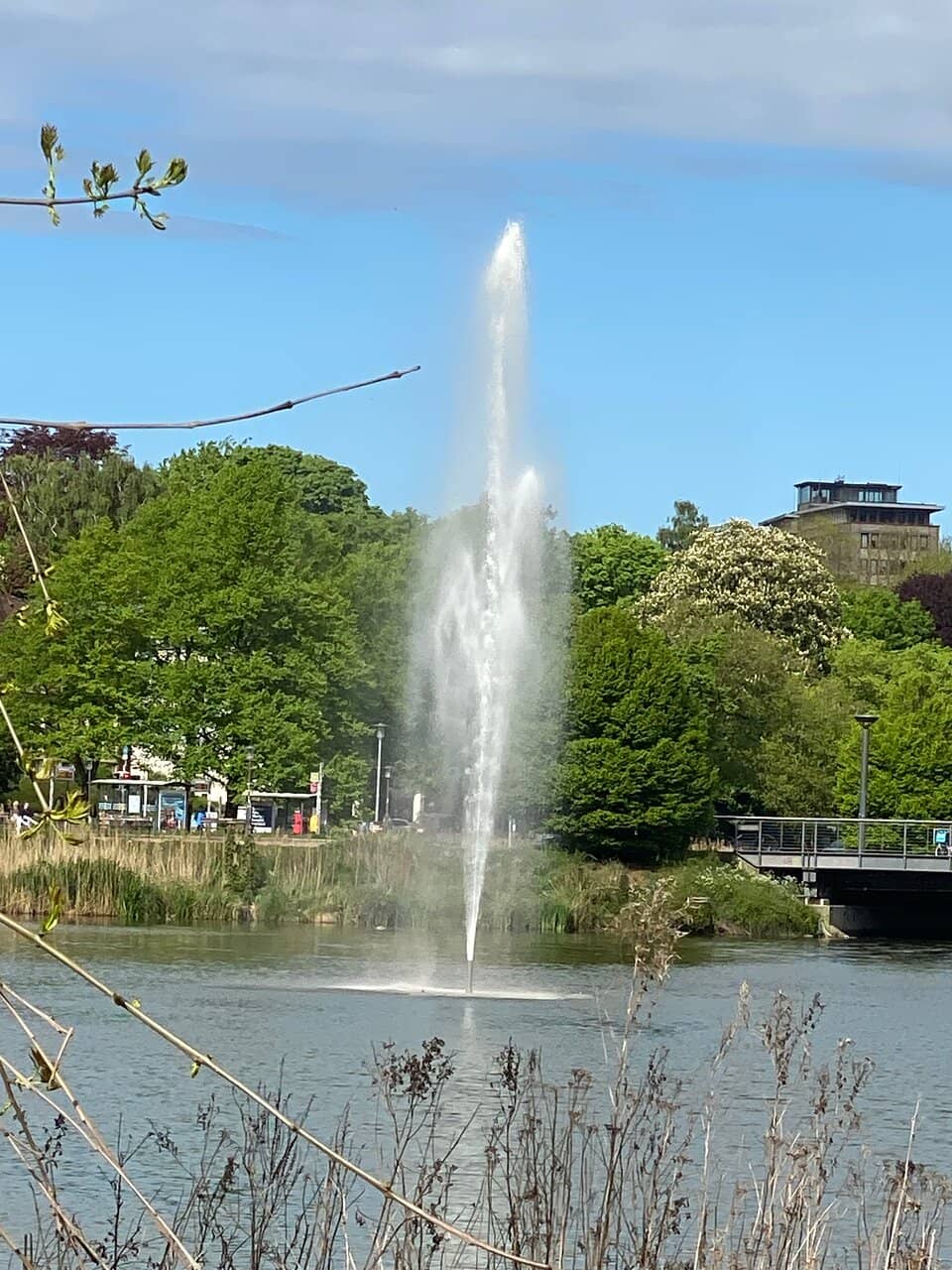
"Beautiful park with fountain and ducks, ducks blocking the road to cross the street was also beautiful"
Maruf Abony
"Nice park with a lake and green areas to chill."
Luis Decker
What People Like
What People Dislike
Frequently Asked Questions
🚇 🗺️ Getting There
The park is easily accessible by public transport. From Hiroshima Station, take the streetcar (tram) to the 'Genbaku Dome-mae' or 'Hondori' stop. Many visitors also find it convenient to walk from the Hondori shopping arcade. 🚂
While there are parking lots available, they can be expensive and fill up quickly. Public transportation is generally recommended for ease of access. 🚗
Depending on your hotel's location, walking might be an option. The park is centrally located, and many hotels are within a reasonable walking distance, especially those near the Hondori area. 🚶
You can take a streetcar to Hiroshima Port and then a ferry to Miyajima. Alternatively, a JR train from Hiroshima Station to Miyajimaguchi Station followed by a ferry is also a popular route. ⛴️
Yes, several tour operators offer guided walking tours of the park, which can provide deeper historical context and insights. Check local tourist information centers for options. :guide_dog:
🎫 🎫 Tickets & Entry
Entry to the Hiroshima Peace Memorial Park itself is free. However, there is a fee to enter the Peace Memorial Museum. :moneybag:
The museum is typically open from 8:30 AM to 5:00 PM (or 6:00 PM in peak season), with the last entry usually 30 minutes before closing. It's best to check the official website for the most current hours. :clock1:
The Atomic Bomb Dome is an external structure and can be viewed from the outside at any time. It is not accessible for interior visits. 📷
Discounts may be available for students, seniors, or those with disabilities. It's advisable to inquire at the ticket counter or check the museum's official website for details. :discount:
The park grounds are generally accessible after dark, though the museum will be closed. The illuminated Atomic Bomb Dome can be a poignant sight at night. 🌙
🎫 🧭 Onsite Experience
Key attractions include the Atomic Bomb Dome, Peace Memorial Museum, Children's Peace Monument, and the Cenotaph. You can also find various statues and memorials dedicated to peace. :statueofliberty: 
Most visitors spend at least 2-3 hours to explore the park and visit the museum. If you want a more in-depth experience, you could easily spend half a day. ⏳
Yes, there are benches and green spaces throughout the park. Some reviews mention sunbeds being available for relaxing. 🏞️
Photography is generally permitted in the park, but it's important to be respectful, especially near memorials and within the museum where restrictions may apply. :camerawithflash:
Paper cranes are a symbol of peace and hope, inspired by Sadako Sasaki, a young victim of the bombing. Visitors often fold and leave cranes at the Children's Peace Monument. :origami_crane:
🍽️ 🍽️ Food & Dining
There are no restaurants directly within the park itself. However, numerous dining options are available in the surrounding areas, particularly near the Hondori shopping arcade. 🍴
You'll find a wide variety of Japanese cuisine, including ramen, okonomiyaki (a Hiroshima specialty), sushi, and tempura. International options are also available. 🍜
While not extensive, there might be small kiosks or vending machines for drinks and light snacks. It's advisable to bring your own water bottle. :water_wave:
Okonomimura, a building dedicated to okonomiyaki restaurants, is a popular spot. Many local eateries also serve delicious versions. :okonomiyaki:
Picnicking is generally allowed in designated areas of the park. It's a pleasant way to enjoy a meal amidst the serene surroundings. :sandwich:
📸 📸 Photography
The Atomic Bomb Dome, the Cenotaph with the flame of peace, the Children's Peace Monument with its cranes, and the bridges over the Motoyasu River offer iconic views. 📷
It is generally acceptable to photograph the memorials, but always be mindful of others and maintain a respectful distance. Avoid intrusive photography. :respect:
Early morning or late afternoon offers softer light and fewer crowds, creating a more atmospheric and reflective mood for your photographs. 🌅
Drone usage is strictly prohibited in and around the Peace Memorial Park due to safety and respect for the memorial site. :noentrysign:
Photography is typically not allowed inside the Peace Memorial Museum to protect the artifacts and maintain a solemn atmosphere. Check for signage at the entrance. :no_photography:


Social
from TikTok, Instagram & Reddit