Piesteritz Garden City Werkssiedlung
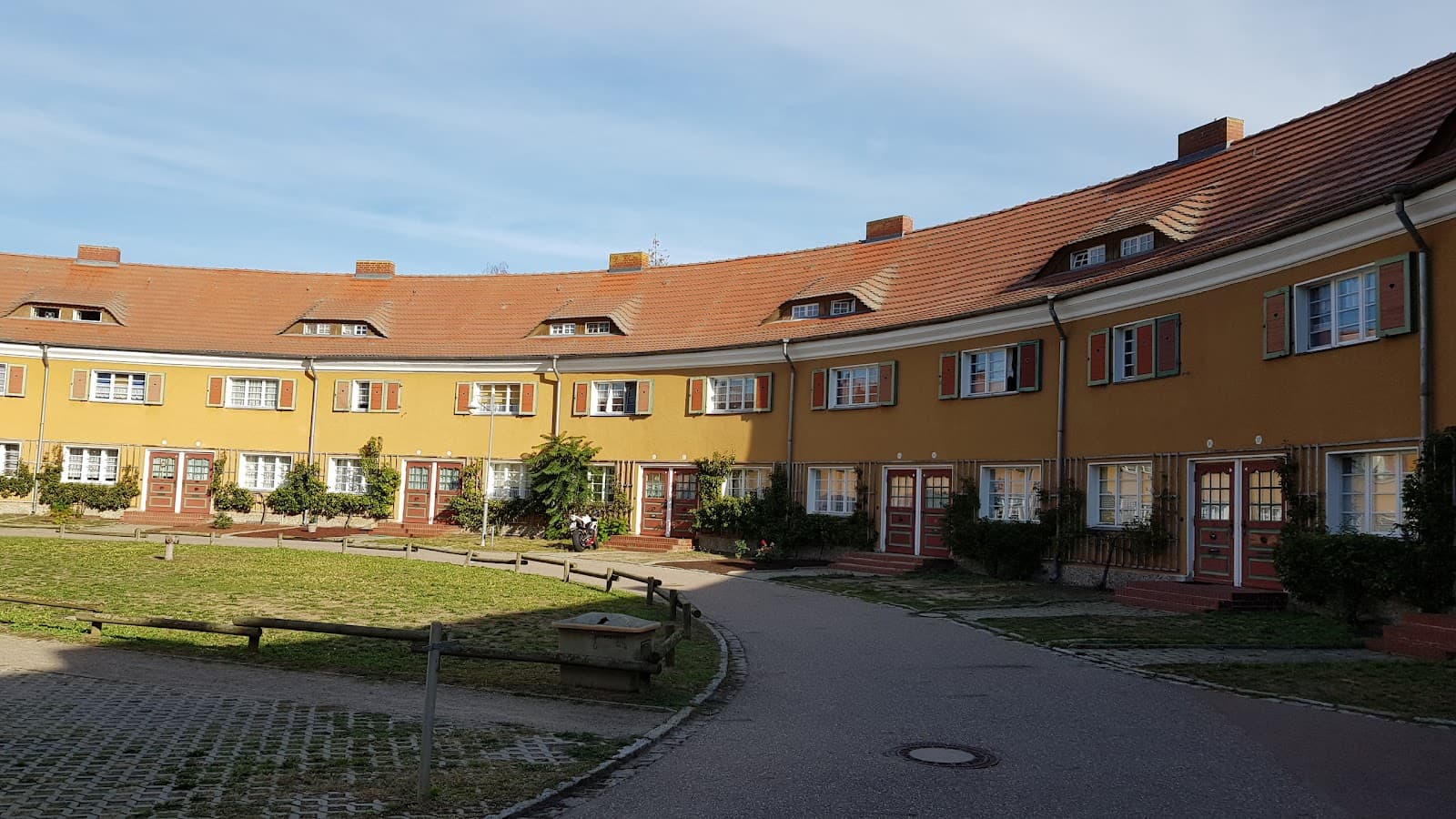
Germany's largest car-free housing estate, a protected monument showcasing innovative early 20th-century urban planning and community living.
Highlights
Must-see attractions

Social
From TikTok & Reddit
Best Time
Blooming greenery, pleasant weather
Piesteritz Garden City Werkssiedlung
Best Time
Blooming greenery, pleasant weather
Highlights
Must-see attractions
Germany's largest car-free housing estate, a protected monument showcasing innovative early 20th-century urban planning and community living.
"A magnificent architectural monument! Well worth seeing and lovingly designed and preserved."
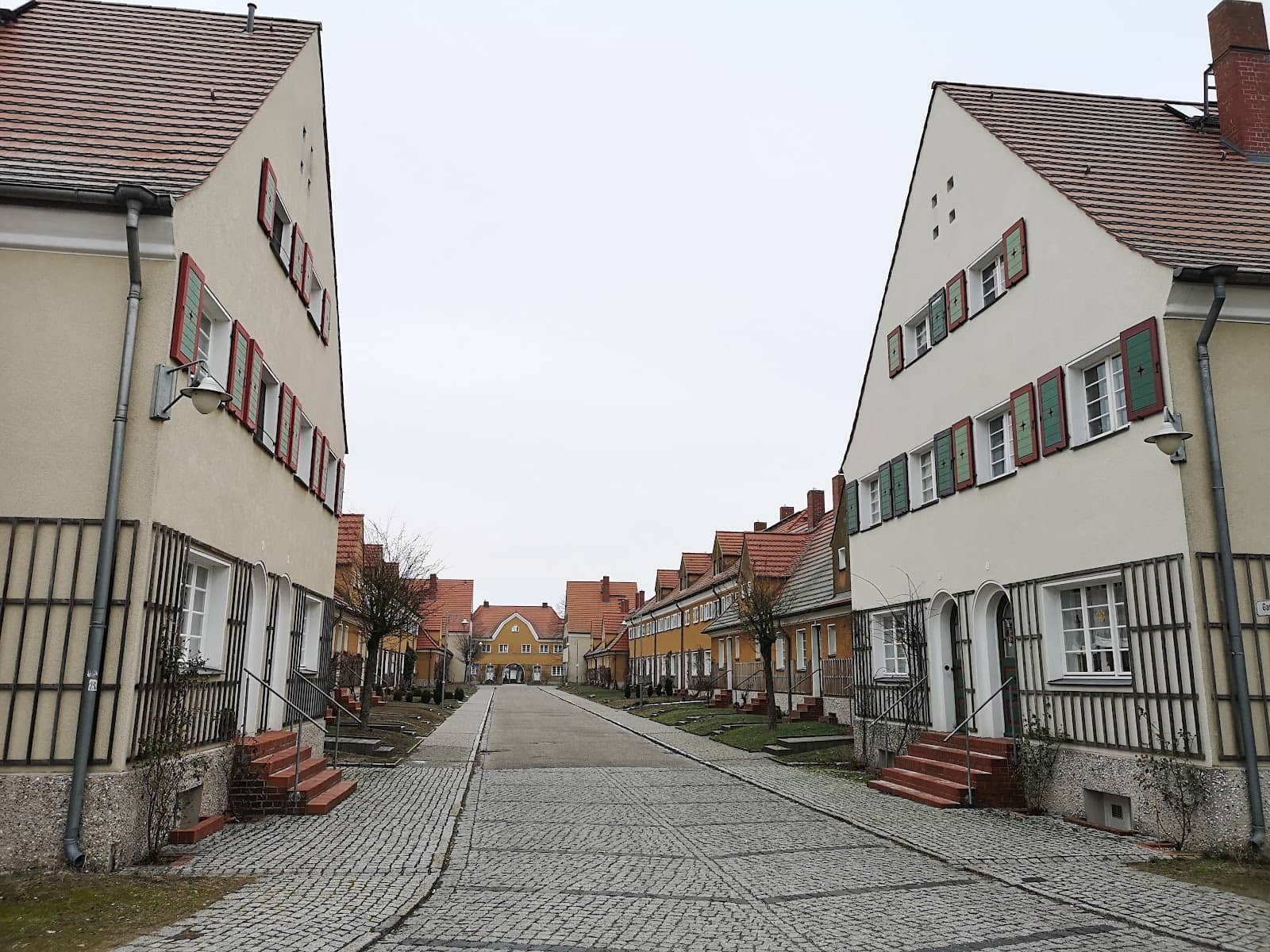
🚶♀️ Explore on Foot
Embrace the car-free nature! Wander through the charming streets and soak in the unique atmosphere. :athletic_shoe:
📸 Capture the Architecture
The uniform design offers fantastic photographic opportunities. Look for interesting angles and light. :camerawithflash:
Quick Facts
Hours
Rating
4.4 · 91 reviews
Type
Historical Landmark
Highlights
Discover the most iconic attractions and experiences
Terraced Housing Blocks
Throughout the Siedlung
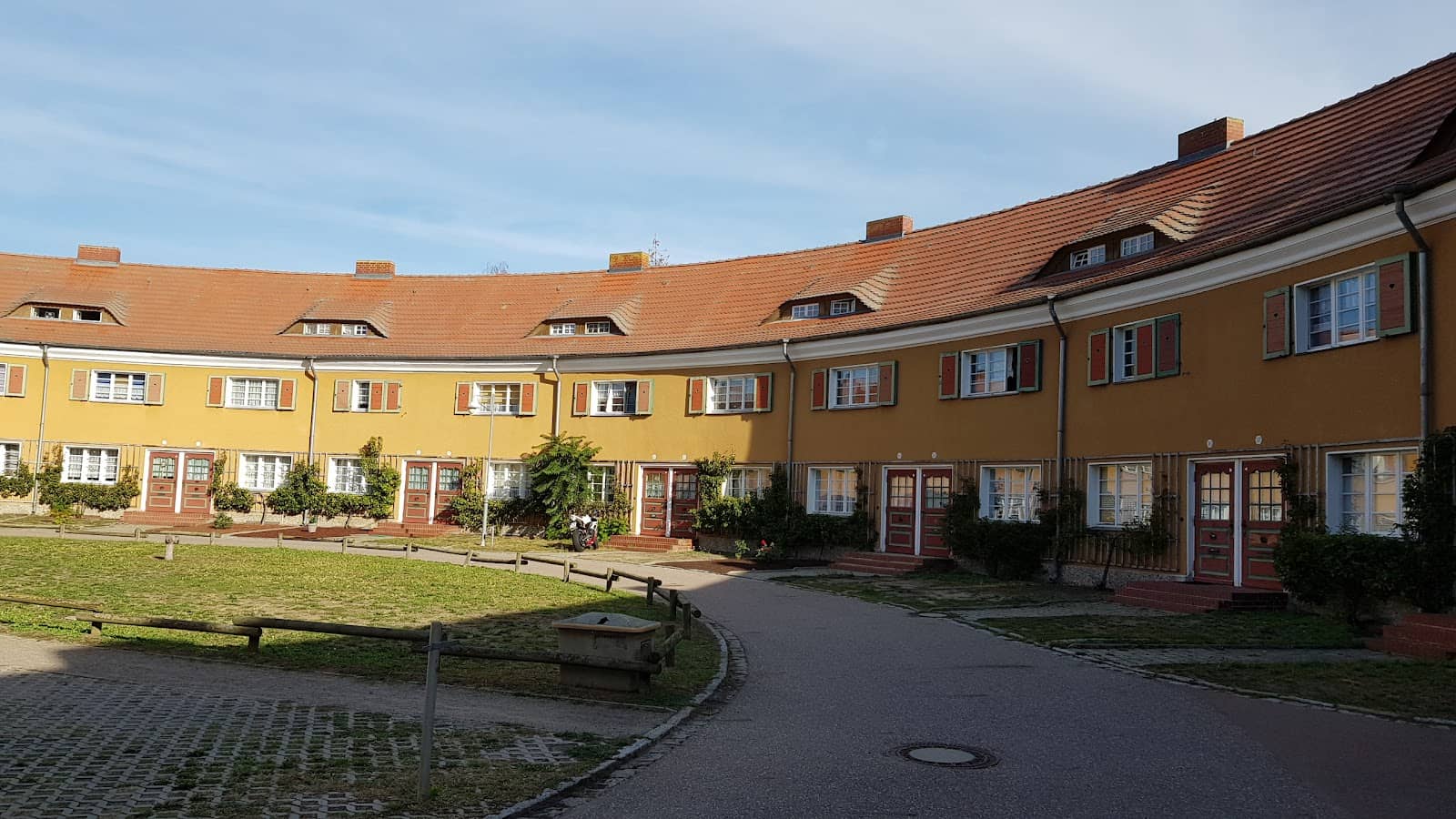
Admire the uniform yet varied rows of terraced houses, showcasing innovative urban design for factory workers.
Community Buildings
Central areas
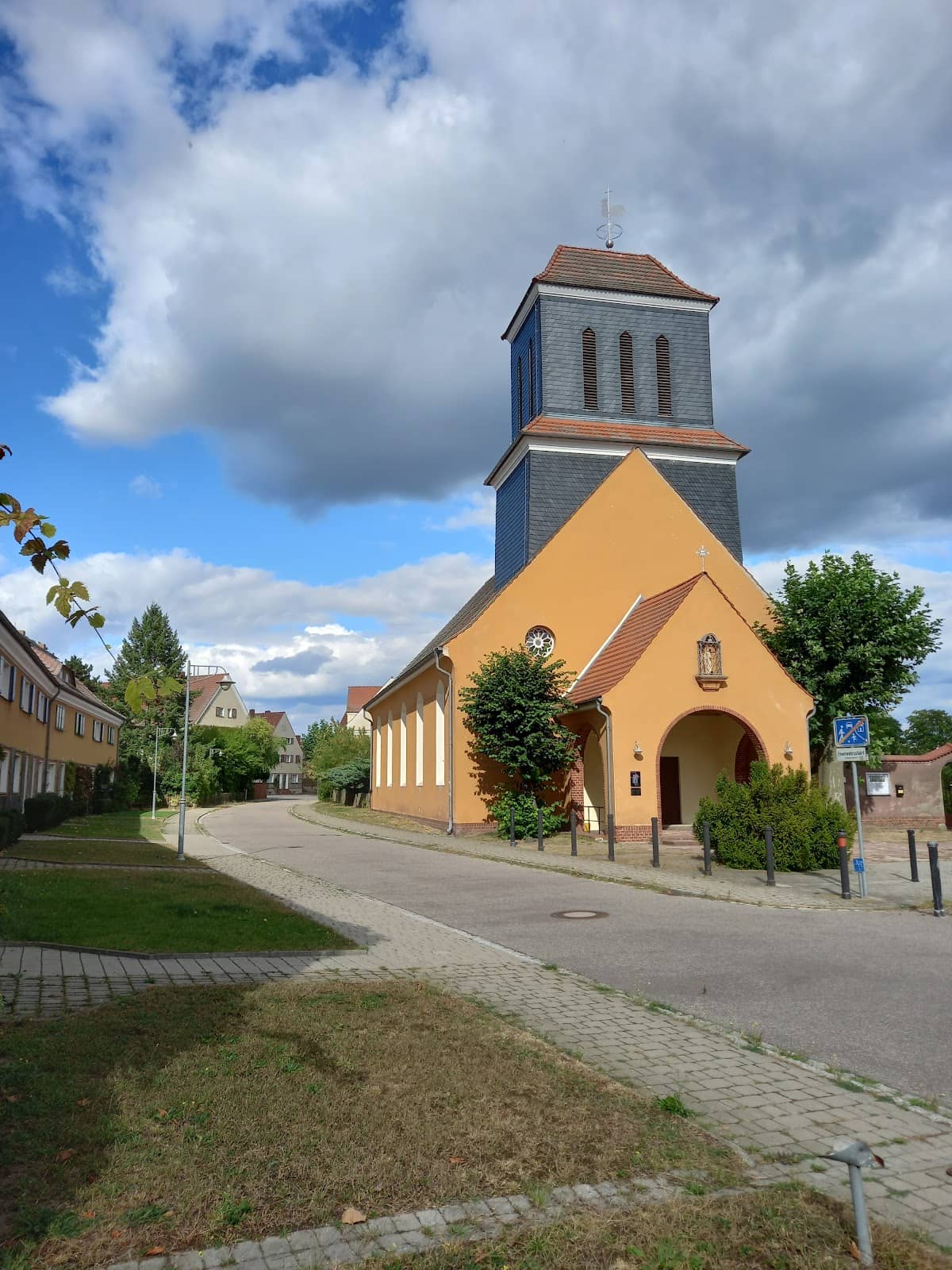
See the historic Catholic church, former department store (now Hotel Piesteritzer Hof), and the Lucas Cranach High School.
Northeastern Gatehouse Exhibition
Northeastern gatehouse
Learn about the settlement's history and significance at this dedicated exhibition.
Plans like a pro.
Thinks like you
Planning Your Visit
A Car-Free Architectural Gem
Preservation and Renewal
Best Times
Insider Tips
from TikTok, Instagram & Reddit
🚶♀️ Explore on Foot
Embrace the car-free nature! Wander through the charming streets and soak in the unique atmosphere. :athletic_shoe:
📸 Capture the Architecture
The uniform design offers fantastic photographic opportunities. Look for interesting angles and light. :camerawithflash:
📚 Visit the Exhibition
Gain deeper insights into the settlement's past at the gatehouse exhibition. 📚
☕️ Relax at the Hotel
The former 'Feierabend' department store is now the Hotel Piesteritzer Hof, a good spot for a break. ☕
Tips
from all over the internet
🚶♀️ Explore on Foot
Embrace the car-free nature! Wander through the charming streets and soak in the unique atmosphere. :athletic_shoe:
📸 Capture the Architecture
The uniform design offers fantastic photographic opportunities. Look for interesting angles and light. :camerawithflash:
📚 Visit the Exhibition
Gain deeper insights into the settlement's past at the gatehouse exhibition. 📚
☕️ Relax at the Hotel
The former 'Feierabend' department store is now the Hotel Piesteritzer Hof, a good spot for a break. ☕
What Travellers Say
Reviews Summary
Visitors praise the Piesteritz Garden City Werkssiedlung as a magnificent architectural monument and a unique piece of German history. Its car-free design and lovingly preserved terraces are highlighted as particularly impressive. Some note its past dilapidated state but are impressed by the successful renovation.
"A magnificent architectural monument!
The Piesteritzer Werkssiedlung is (according to Wikipedia) the largest car-free housing estate in Germany. It was built between 1916 and 1919 for approximately 2,000 employees of the adjacent nitrogen works.
In 1986, the estate was added to the GDR's list of historic monuments and has been a protected monument ever since. Unfortunately, the estate was already in a very dilapidated state at that time.
A complete renovation followed, which was completed in time for Expo 2000, as the Seidlung was one of the Expo projects.
The estate includes 363 terraced houses or slightly larger single-family homes. A Catholic church, the town hall (now the Lucas Cranach High School), the "Feierabend" department store and community center (since 2010 the Hotel Piesteritzer Hof), a school, and the women's home, where unmarried secretaries formerly lived.
An exhibition on the settlement in the Piesteritzer Hof was closed in 2010, but a citizens' initiative set up a new exhibition in the northeastern gatehouse in 2017."
Kai Warmus
"Modern architecture! Quality living conditions even for ordinary factory workers, beautiful and self-contained, living with colleagues and friends!"
Loewchen H.K.
"Well worth seeing and lovingly designed and preserved..."
Lydia Zupp
What People Like
What People Dislike
Frequently Asked Questions
🚇 🗺️ Getting There
The Werkssiedlung is located in Wittenberg. You can reach Wittenberg by train from major German cities. From Wittenberg's main station, local buses can take you closer to the Piesteritz area. Parking is available outside the car-free zone if you arrive by car.
Yes, local bus lines serve the Piesteritz district. Once you arrive in the area, the settlement itself is designed to be explored on foot.
No, the Piesteritz Garden City Werkssiedlung is a car-free housing estate. Vehicles are not permitted within the residential areas to preserve its unique character.
🎫 🎫 Tickets & Entry
No, entry to the residential areas of the Piesteritz Garden City Werkssiedlung is free. You can wander through the streets and admire the architecture at your leisure.
As it's a residential area, there are no specific opening hours. However, it's best to visit during daylight hours to fully appreciate the architecture and surroundings.
The exhibition in the northeastern gatehouse may have a small entrance fee or operate on donations. It's advisable to check locally for current details.
🎫 🧭 Onsite Experience
The best way to explore is on foot, allowing you to appreciate the car-free design and the details of the architecture. Wear comfortable shoes for walking.
While not always advertised, local historical societies or the citizens' initiative might offer guided tours. Inquire locally or check community boards for potential offerings.
Amenities include the Hotel Piesteritzer Hof (formerly the 'Feierabend' department store), a Catholic church, and the Lucas Cranach High School. There are also green spaces and playgrounds.
Absolutely! The uniform architecture, streetscapes, and historical context make it a fantastic location for photographers. The morning and late afternoon light can be particularly beautiful.
🍽️ 🍽️ Food & Dining
The primary dining option within the settlement is the Hotel Piesteritzer Hof, which offers meals. For a wider selection, you may need to venture slightly outside the immediate area of the Werkssiedlung.
Yes, you are welcome to bring your own food and drinks. There are pleasant areas to sit and enjoy a picnic, especially in the green spaces.
📸 📸 Photography
Focus on the repeating patterns of the terraced houses, the street vistas, and the details of the community buildings. The gatehouse and church are also key landmarks.
Early morning or late afternoon offers the best light for architectural photography, creating shadows and highlighting textures. Midday sun can be harsh.

Social
from TikTok, Instagram & Reddit