Museum Mineralogia Munich
A compact museum showcasing stunning minerals, gemstones, and unique glow-in-the-dark crystals within the university.

Highlights
Must-see attractions

Social
From TikTok & Reddit
Best Time
Fewer crowds, more focus
Museum Mineralogia Munich
Best Time
Fewer crowds, more focus
Highlights
Must-see attractions
A compact museum showcasing stunning minerals, gemstones, and unique glow-in-the-dark crystals within the university.
"A quick, visually captivating stop for geology lovers, featuring unique glowing crystals and a piece of the cosmos."
⏳ Allow 1 Hour
This museum is compact; an hour is usually enough to see everything. :stopwatch:
🇩🇪 German Focus
Most information is in German. Bring a translation app or enjoy the visual beauty! :iphone:
Quick Facts
Highlights
Discover the most iconic attractions and experiences
Glow-in-the-Dark Crystals
Dedicated room
Experience the magic of minerals that illuminate the dark, offering a unique and mesmerizing visual spectacle.
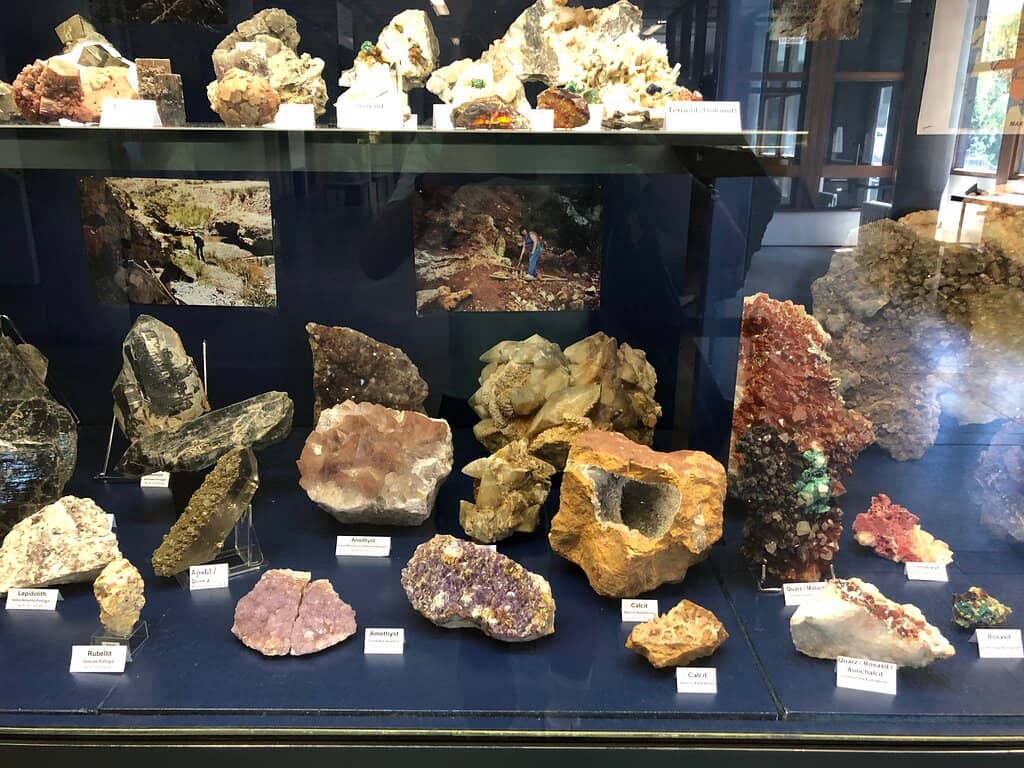
Septarian Wonder
Display case
Marvel at a stunning septarian, a geological marvel that sparks awe and wonder with its intricate internal structure.
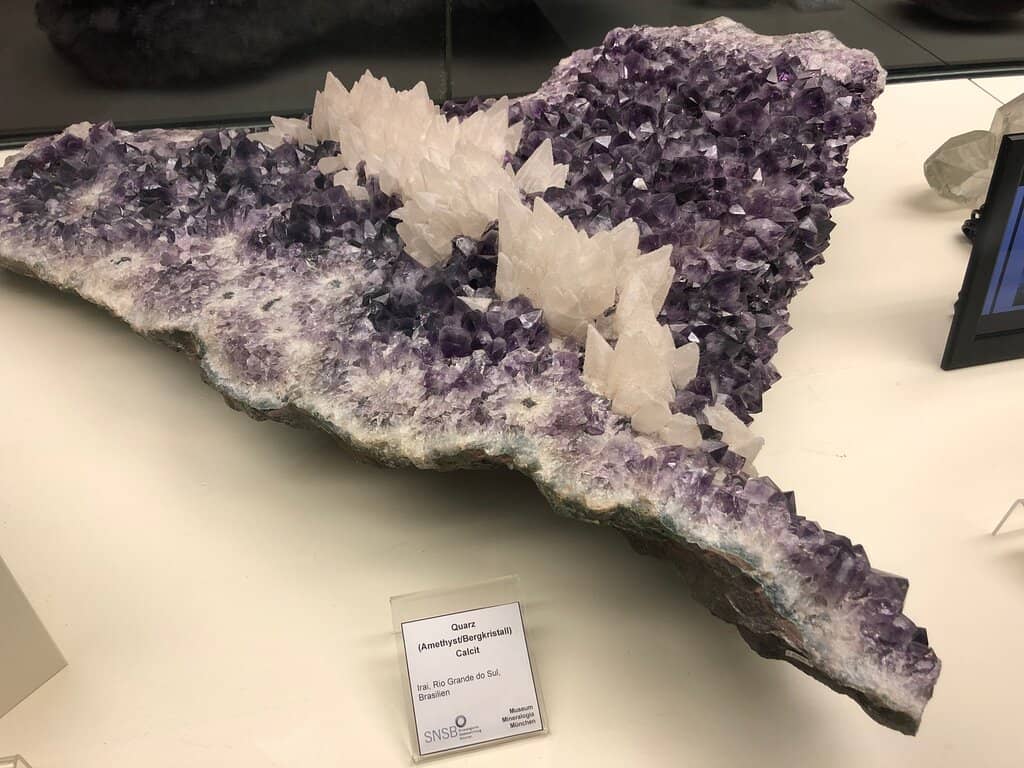
Meteorite Fragment
Exhibition hall
Touch a piece of the cosmos with a genuine meteorite fragment, a tangible connection to the vastness of space.
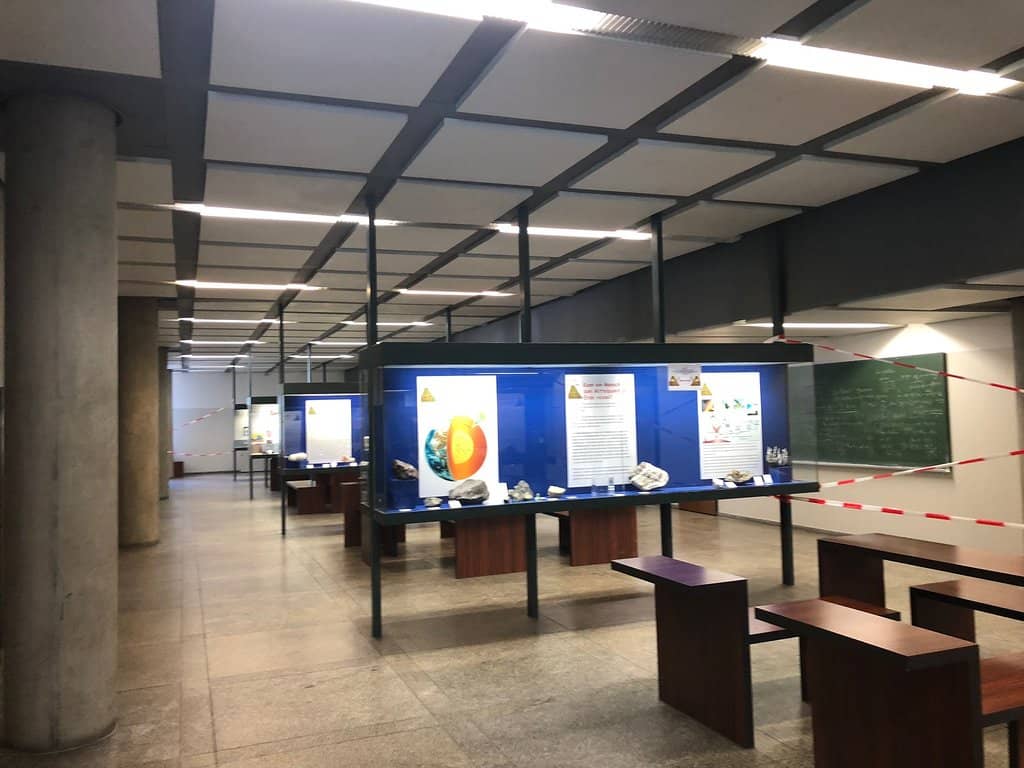
Crystal Growth Models
Educational displays
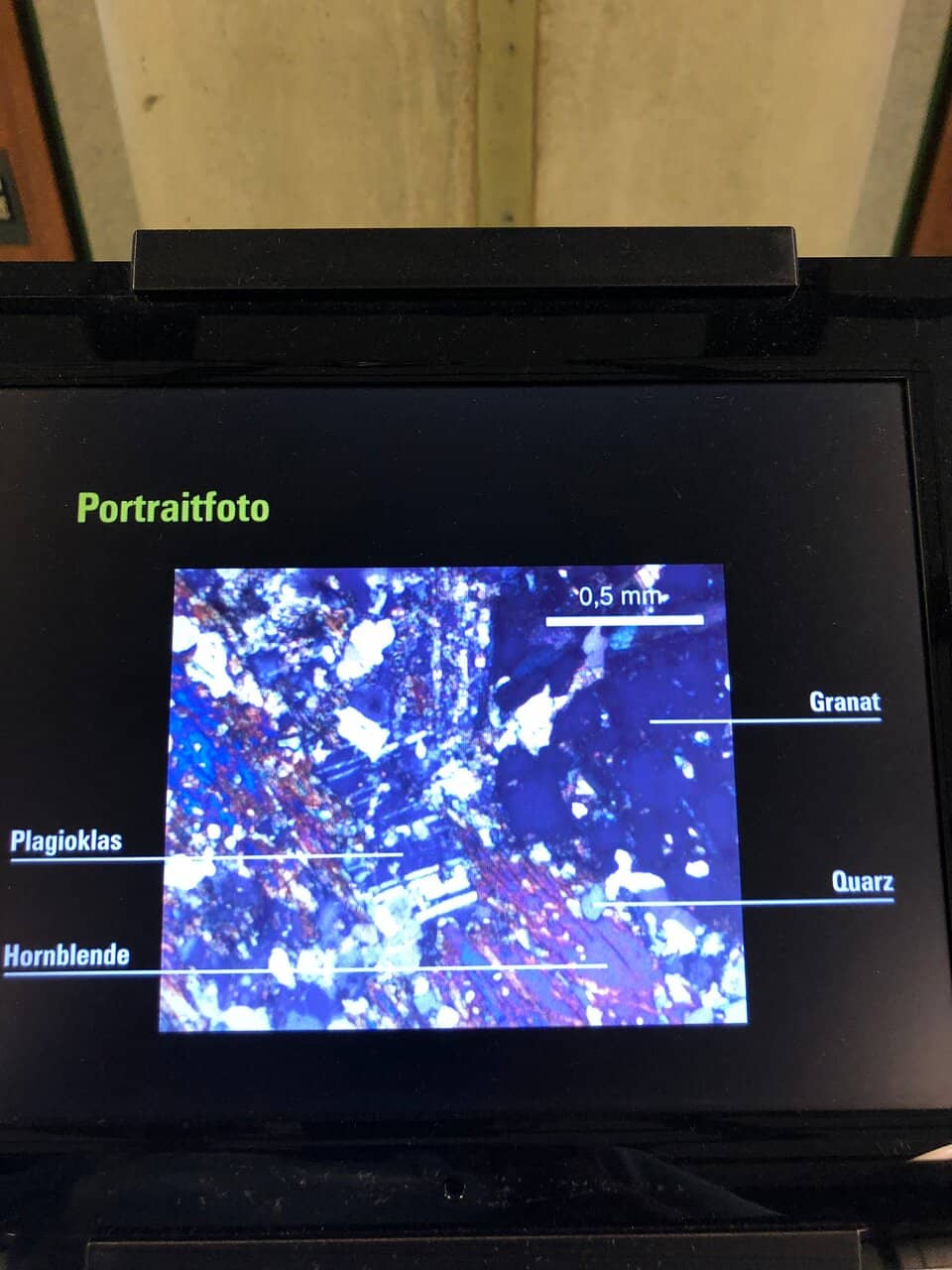
Understand the science behind crystal formation with detailed models illustrating atomic structures and growth processes.
Plans like a pro.
Thinks like you
Planning Your Visit
Quick Visit for Rock Enthusiasts
Location & Hours
Best Times
Insider Tips
from TikTok, Instagram & Reddit
⏳ Allow 1 Hour
This museum is compact; an hour is usually enough to see everything. :stopwatch:
🇩🇪 German Focus
Most information is in German. Bring a translation app or enjoy the visual beauty! :iphone:
💎 Appreciate the Visuals
Even without deep knowledge, the sheer beauty of the minerals is captivating. :gemini:
📍 University Location
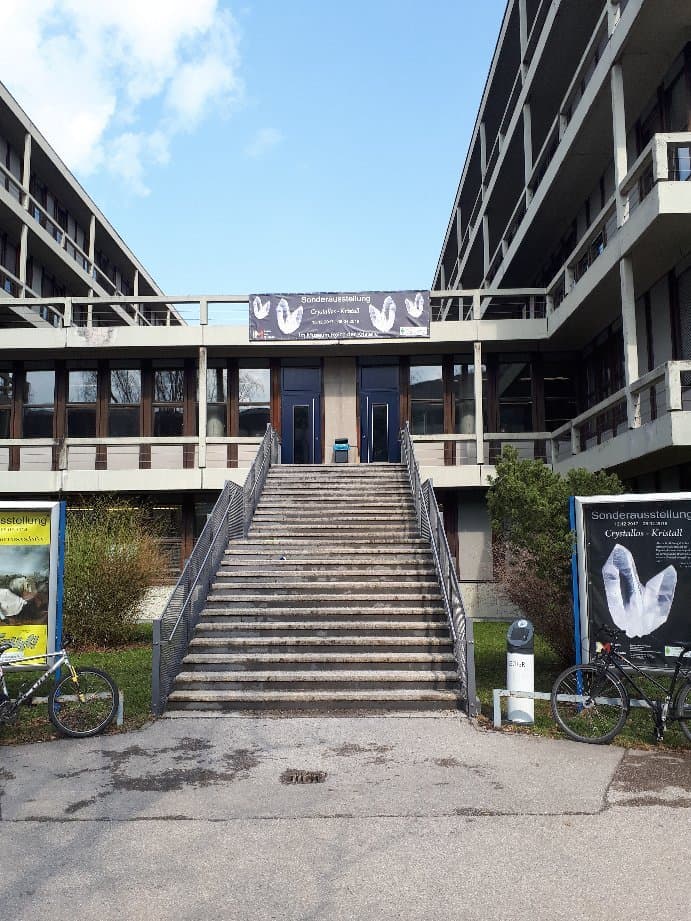
It's in the university lobby, so don't expect a grand museum entrance. :school_satchel:
Tips
from all over the internet
⏳ Allow 1 Hour
This museum is compact; an hour is usually enough to see everything. :stopwatch:
🇩🇪 German Focus
Most information is in German. Bring a translation app or enjoy the visual beauty! :iphone:
💎 Appreciate the Visuals
Even without deep knowledge, the sheer beauty of the minerals is captivating. :gemini:
📍 University Location
It's in the university lobby, so don't expect a grand museum entrance. :school_satchel:
✨ See the Glow
Don't miss the room with glow-in-the-dark crystals – it's a unique highlight! ✨
What Travellers Say
Reviews Summary
Visitors often describe the Museum Mineralogia Munich as a small but beautiful collection, particularly appealing to geology enthusiasts. While some find it underwhelming compared to larger museums and note limited English information and maintenance issues, others appreciate its educational focus and unique exhibits like the glow-in-the-dark crystals and meteorite fragment. It's generally seen as a quick, worthwhile stop for those with a specific interest.
"The museum is located in a university building. It is rather small, but I can imagine geology-enthusiasts will love this. For outsiders, they are just very beautiful rocks. You can easily see everything within 1 hour. There is little information in English and also few interactive elements.
The museum also suffers from quite poor maintenance. There is a poster from 2013 still hung in one of the glass boxes. Moreover, I would really like some more stories about the minerals: what they are, how they were formed, what makes them so special. This information is provided scarcely at some spots scattered around the museum but sometimes in a rather scientifically complicated manner. I just wish the info could be more accessible to the public."
Amelia Nguyen
"The Mineralogy Museum in Munich, located within the LMU (Ludwig Maximilian University), is a small and somewhat underwhelming museum. While it does offer a collection of minerals, gems, and crystals, the exhibit feels quite limited compared to other larger, more comprehensive museums in the city. There aren’t many items to see, and the display itself can feel somewhat sparse, especially for visitors expecting a more extensive or interactive experience.
The museum’s location in the university building lobby adds to its modest feel. It lacks the grandeur and atmosphere you might find in other museum spaces, making it feel more like a casual showcase rather than a dedicated, immersive museum. For those who are deeply interested in minerals or geology, it might still provide some enjoyment, but for most visitors, it may not be worth a long stop.
In short, the Mineralogy Museum is a nice, quick visit for those in the area or with a specific interest in the subject, but it doesn’t offer much in terms of depth or variety."
Wesley Wong
"Located just across from the Pinakothek der Moderne, the Museum Mineralogia Munich offers a quiet, low-traffic environment ideal for focused exploration. Despite its small size and limited hours, it provides a family-friendly setting with a strong educational focus.
The museum features a broad range of mineral specimens from around the world and beyond, including both natural and lab-grown crystals. Exhibits include crystal growth equipment and atomic-scale models that illustrate crystallographic structures. Watercolor illustrations of mineral-rich landscapes complement the displays, though they are not directly tied to individual specimens.
The collection highlights the central role of crystalline materials in daily life. Most metals are crystalline, and silicon-based technologies rely on wafers sliced from large single-crystal ingots. These wafers form the foundation of semiconductor devices found in countless electronic systems.
Overall, the permanent exhibition provides a clear and engaging look at how crystal form reflects chemical composition and growth conditions—offering insight into the structure of matter across scales."
O Okan
What People Like
What People Dislike
Frequently Asked Questions
🚇 🗺️ Getting There
The museum is located within the Ludwig Maximilian University (LMU) in Munich. You can reach it via public transport, with several tram and bus lines stopping nearby. The closest U-Bahn stations are Universität and Odeonsplatz.
Parking in this central Munich area can be challenging and expensive. It's highly recommended to use public transportation to reach the museum.
As it's located within a university building, accessibility can vary. It's advisable to contact the museum directly for the most up-to-date information on accessibility.
The museum is well-served by public transport. Look for stops like 'Universität' or 'Giselastraße' for U-Bahn, and various bus and tram lines that serve the university district.
Yes, the Museum Mineralogia is located near other major Munich attractions like the Pinakothek der Moderne and the Kunstareal, making it easy to plan a day of sightseeing.
🎫 🎫 Tickets & Entry
The museum has limited opening hours, often only on specific days and times. It's crucial to check the official museum website or their social media for the most current schedule before your visit.
Admission to the Museum Mineralogia is generally very affordable, often free or with a nominal fee, reflecting its size and university affiliation. +1
Due to its small size and often free admission, advance booking is typically not required. However, for any special exhibitions or group visits, it's best to inquire directly.
While the entry fee is already low, keep an eye out for potential student discounts if you are affiliated with the university.
Weekend opening hours can be particularly limited or non-existent. It's essential to verify the specific days and times the museum is open, as it often operates on weekdays only.
🎫 💎 Onsite Experience
The museum showcases a diverse collection of minerals, gemstones, and crystals from around the world, including natural and lab-grown specimens. You'll find exhibits on crystal growth, atomic structures, and the role of minerals in technology.
Yes, the museum is considered family-friendly. The visual appeal of the crystals and the educational aspects of mineral formation can be engaging for younger visitors.
Most visitors find that an hour is sufficient to explore the entire museum. It's a relatively small collection, perfect for a quick and focused visit.
The majority of the informational text within the museum is in German. While there are some English explanations, visitors who don't speak German might rely more on the visual displays.
The museum has limited interactive elements. While there are models illustrating crystal structures, it's primarily a display-based experience focused on observation. +1
📸 📸 Photography
Photography is generally allowed for personal use, but it's always best to check for any specific signage or ask museum staff. Flash photography might be restricted to protect the specimens.
The glow-in-the-dark crystal room offers unique photographic opportunities. Also, the intricate details of the larger mineral specimens and the septarian are highly photogenic.
Avoid using flash photography, as it can damage delicate specimens over time. Tripods might also be restricted, especially during busy periods.
A camera with good macro capabilities is ideal for capturing the fine details of crystals. Natural light is often best, so consider visiting when the museum is well-lit.
Yes, sharing your photos on social media is encouraged! Tagging the museum can help promote their collection. 


Social
from TikTok, Instagram & Reddit