Way of Human Rights Nuremberg
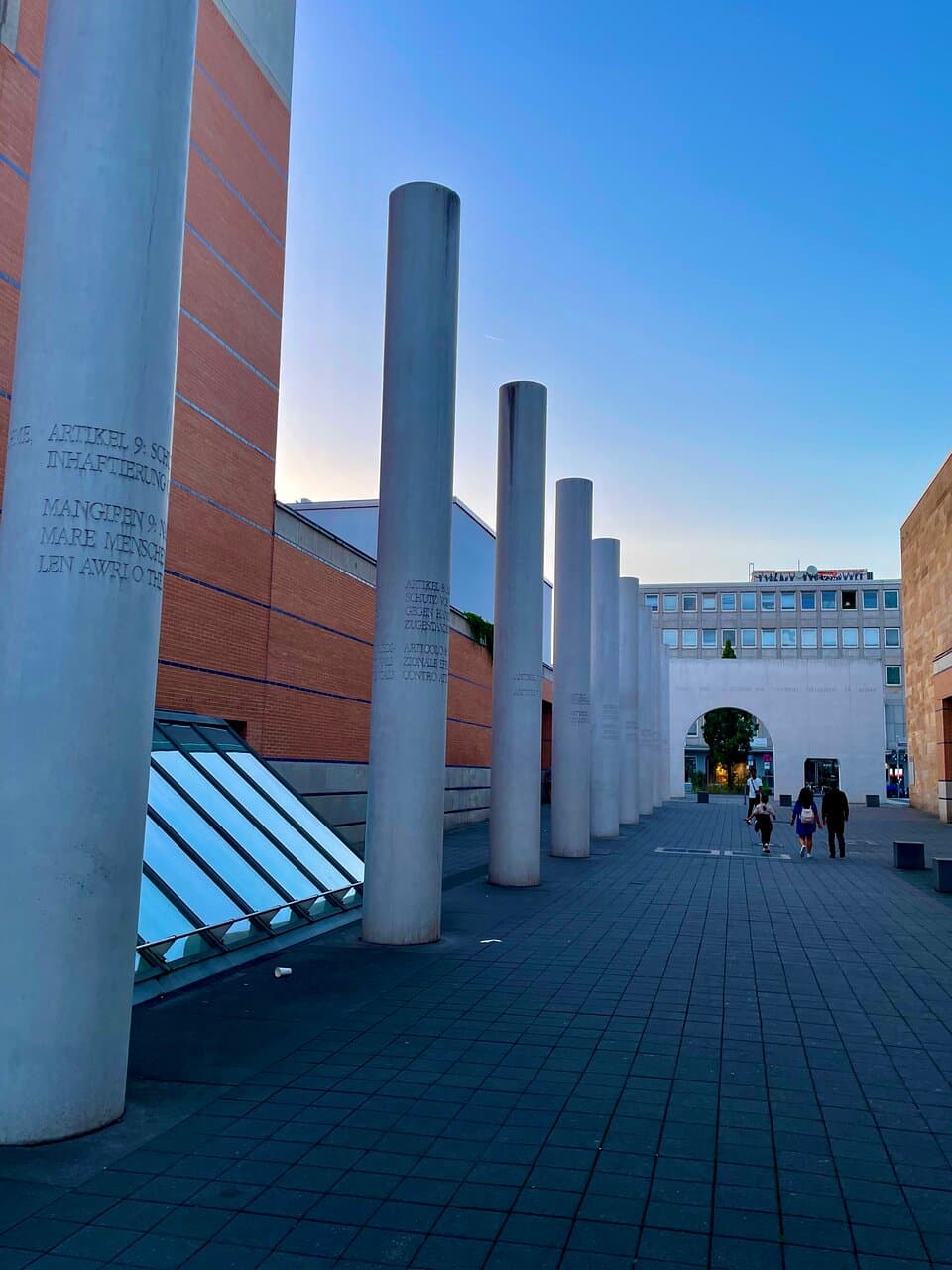
A striking art installation featuring 27 columns inscribed with human rights articles in various languages, set against Nuremberg's complex historical...
Highlights
Must-see attractions

Social
From TikTok & Reddit
Best Time
Best for reading inscriptions
Way of Human Rights Nuremberg
Best Time
Best for reading inscriptions
Highlights
Must-see attractions
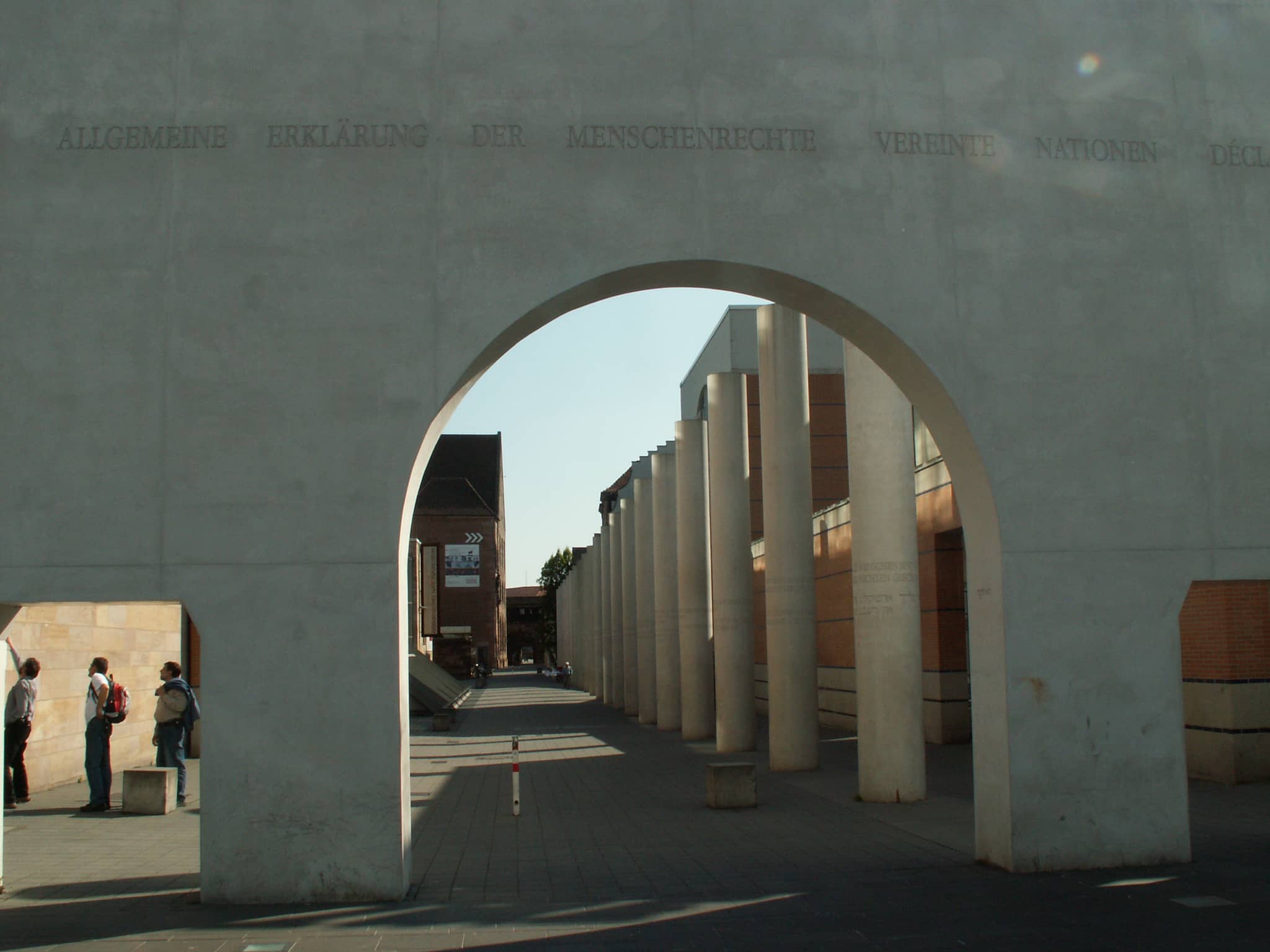
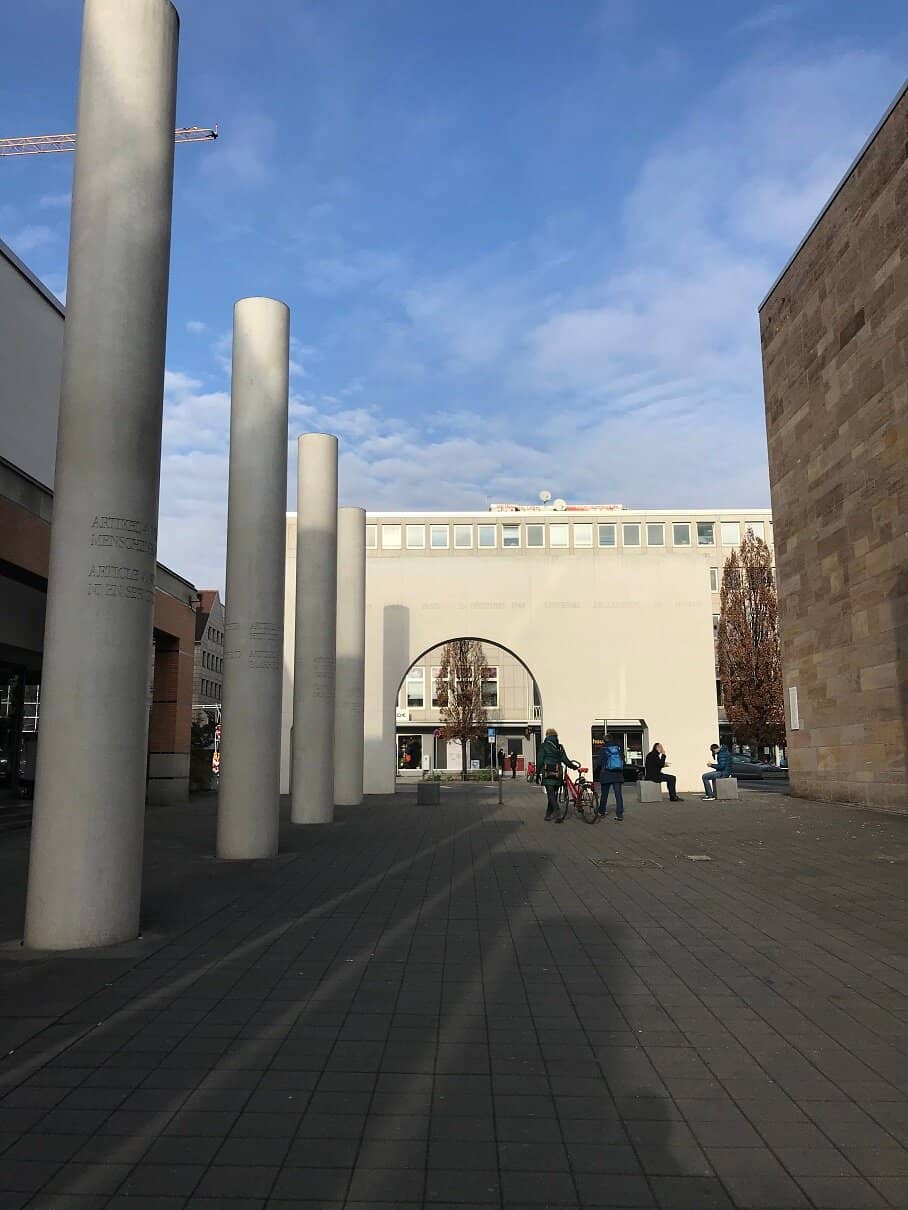
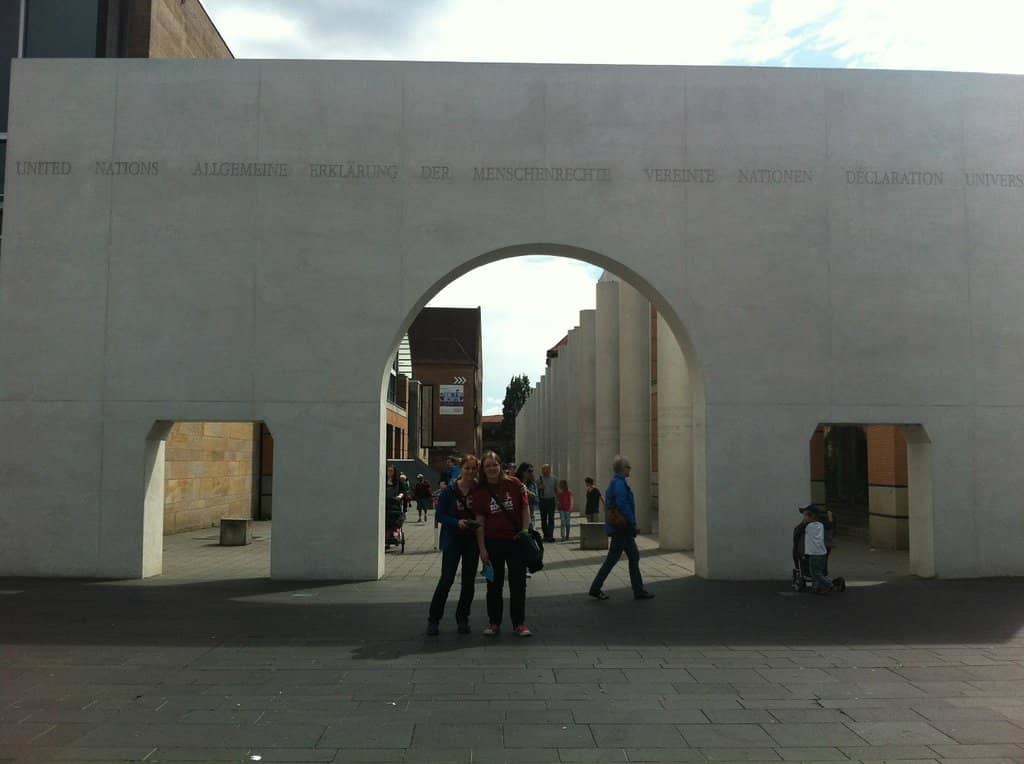
A striking art installation featuring 27 columns inscribed with human rights articles in various languages, set against Nuremberg's complex historical backdrop.
"A quiet but powerful statement on human dignity, bridging dark history with a commitment to rights."
🎯 Read the Info Panel
Find translations and country associations for each column's language.
🚶♀️ Walk the Full Path
Experience the full impact of the 27 columns and their message.
Quick Facts
Rating
4.5 · 682 reviews
Type
Historical Landmark
Highlights
Discover the most iconic attractions and experiences
The 27 Columns
The main walkway
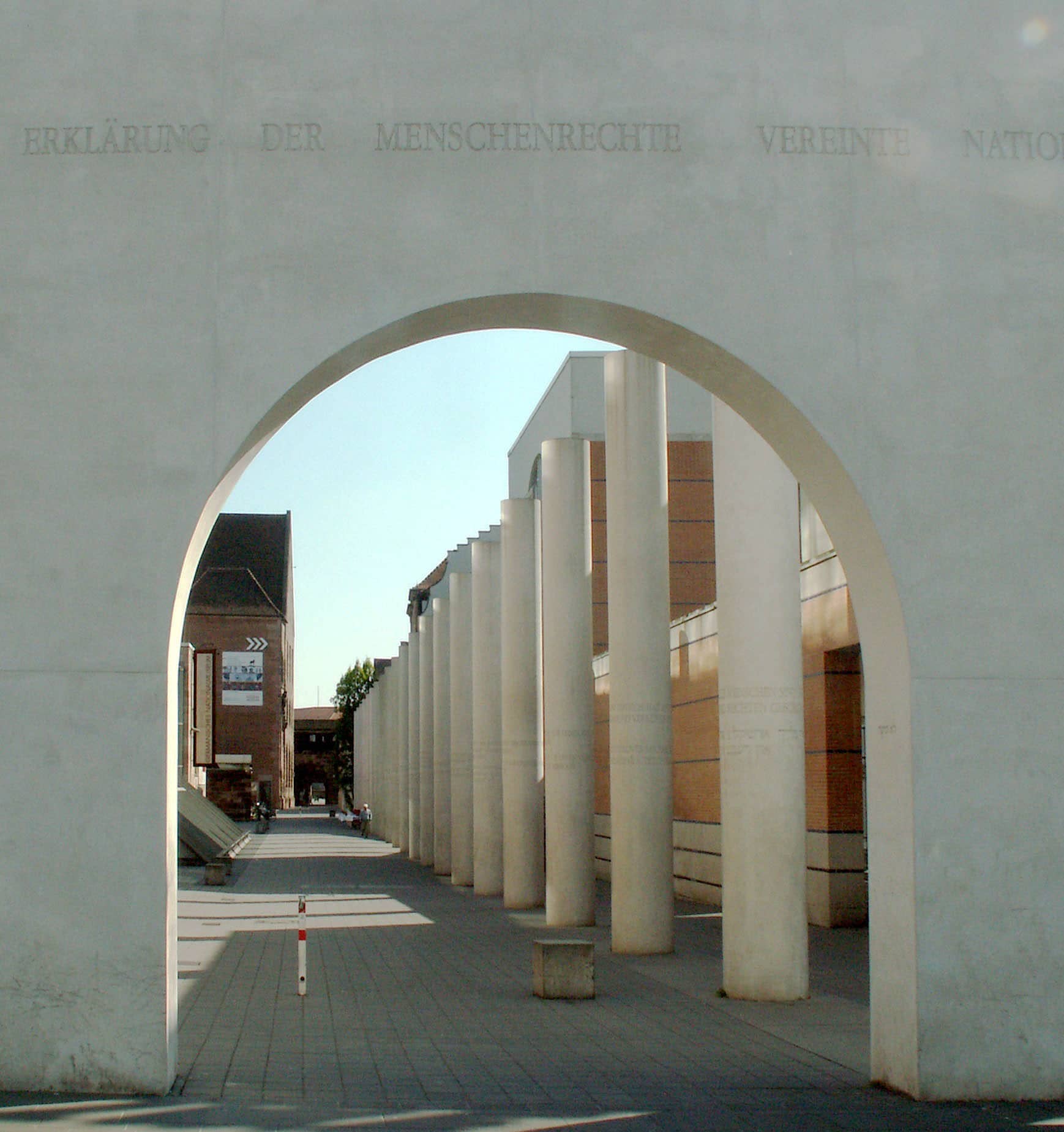
Each column bears an article of the Universal Declaration of Human Rights in German and another language.
Language Discovery
Individual columns
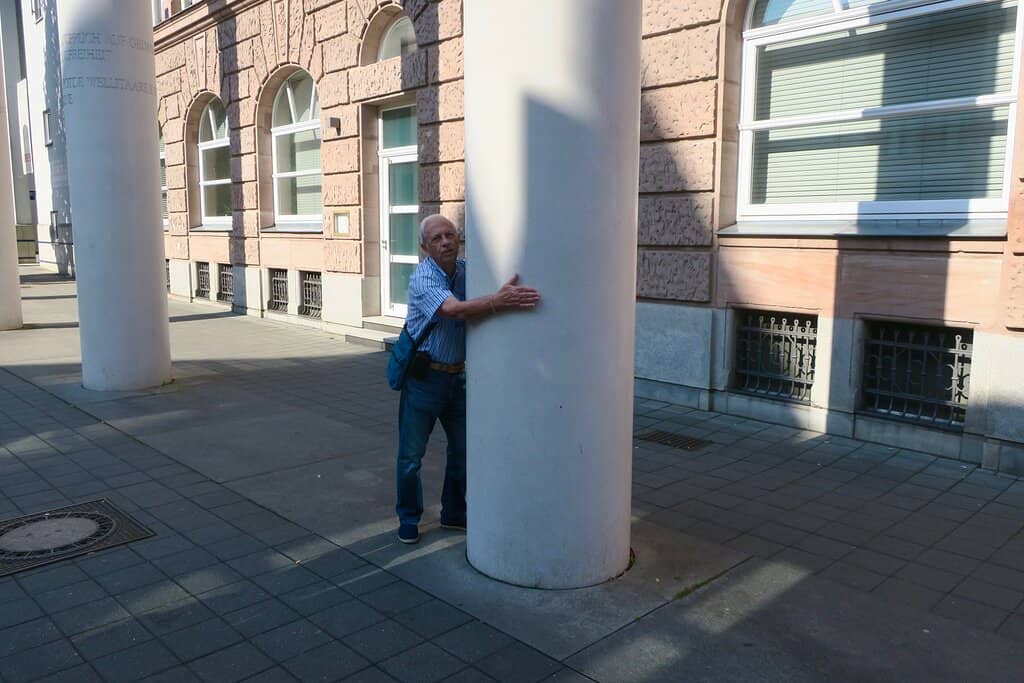
A fun challenge to spot and recognize the various languages representing global human rights.
Artist's Vision
The entire installation
Israeli artist Dani Karavan's powerful design transforms urban space into a statement for human dignity.
Plans like a pro.
Thinks like you
Planning Your Visit
Reflect on History
Engage with the Art
Best Times
Insider Tips
from TikTok, Instagram & Reddit
🎯 Read the Info Panel
Find translations and country associations for each column's language.
🚶♀️ Walk the Full Path
Experience the full impact of the 27 columns and their message.
🤔 Reflect on History
Consider Nuremberg's past alongside this modern commitment to rights.
📸 Capture the Columns
The clean lines and white pillars make for striking photos.

Tips
from all over the internet
🎯 Read the Info Panel
Find translations and country associations for each column's language.
🚶♀️ Walk the Full Path
Experience the full impact of the 27 columns and their message.
🤔 Reflect on History
Consider Nuremberg's past alongside this modern commitment to rights.
📸 Capture the Columns
The clean lines and white pillars make for striking photos.
What Travellers Say
Reviews Summary
Visitors find the Way of Human Rights a powerful and thoughtful public art installation, especially given Nuremberg's historical significance. The 27 columns, each inscribed with a human rights article in multiple languages, offer a blend of education, reflection, and curiosity. While some find it a simple street with pillars, most appreciate its poignant message and artistic merit.
"This is one of those places that makes you slow down and reflect. Designed by artist Dani Karavan in 1993, the long walkway of white columns carries the articles of the Universal Declaration of Human Rights in German and other languages, turning a modern urban space into a quiet but powerful statement. It’s especially meaningful given Nuremberg’s past as the site of NS rallies and later the Nuremberg Trials; walking here feels like a bridge between dark history and a commitment to human dignity. For me, it wasn’t just a monument but a reminder that rights are only as strong as our willingness to defend them."
E Scott Parks
"powerful and thoughtful public art installation—a true class act. Featuring 27 white columns, each inscribed with an article from the Universal Declaration of Human Rights in a different language, it’s both visually striking and meaningful. It’s also a fun experience to walk through and try to spot the languages you know on the columns—a blend of education, reflection, and curiosity."
Elnur Quliyev
"This Street of Human Rights is located just outside the Germanisches Museum. Here you find the installation of 27 columns and pavement panels each inscribed with one article from the Universal Declaration of Human Rights. Each column and panel is in German and one other language representing the universality of Human Rights.
There is a information panel as well listing each of the 27 columns individually with its name and associated country/language. It is a touching installation that is the work of Israeli artist Dani Karavan (1988-93) and is well worth spending a few minutes to view as part of your visit to the museum."
Brad
What People Like
What People Dislike
Frequently Asked Questions
🚇 🗺️ Getting There
The Way of Human Rights is conveniently located just outside the Germanisches Nationalmuseum in Nuremberg. You can easily reach it by public transport, with several tram and bus lines stopping nearby. Walking from the city center is also a pleasant option.
While there isn't dedicated parking directly at the installation, there are several public parking garages within walking distance in the city center. Consider using these if you're arriving by car.
Yes, the walkway is generally flat and paved, making it accessible for wheelchairs and strollers. The columns are spaced to allow easy passage.
🎫 🎫 Tickets & Entry
No, the Way of Human Rights is an outdoor public installation and is free to visit at any time. There are no tickets or admission fees required.
As an outdoor public space, the Way of Human Rights is accessible 24/7. However, visiting during daylight hours is recommended to best appreciate the inscriptions on the columns.
There is no entrance fee. This powerful art installation is freely accessible to everyone as a public space.
🎫 🧭 Onsite Experience
Most visitors spend between 15 to 30 minutes exploring the Way of Human Rights, taking time to read the inscriptions and reflect. Some may linger longer to appreciate the art and its context.
The installation, designed by Dani Karavan, serves as a powerful reminder of human dignity and rights, especially poignant given Nuremberg's history as a site of Nazi rallies and the post-war Nuremberg Trials. It represents a commitment to a better future.
Each of the 27 columns features an article of the Universal Declaration of Human Rights in German and one other language. An information panel at the north end lists each language and its corresponding country.
Yes, photography is permitted. The clean lines and white columns offer a visually striking backdrop for photos.
📸 📸 Photography
Late afternoon often provides beautiful golden hour light that enhances the white columns. However, the clean, minimalist design makes it a great subject for photography at any time of day.
You can capture wide shots of the entire walkway with its rows of columns, close-ups of the inscriptions, and creative compositions playing with light and shadow. The contrast between the white columns and the sky is particularly striking.




Social
from TikTok, Instagram & Reddit