Sachsenhausen Memorial and Museum
A somber memorial and museum on the site of a former Nazi concentration and Soviet prison camp, offering a vital historical lesson.
Highlights
Must-see attractions

Social
From TikTok & Reddit
Best Time
Fewer crowds, more reflective
Sachsenhausen Memorial and Museum
Best Time
Fewer crowds, more reflective
Highlights
Must-see attractions
A somber memorial and museum on the site of a former Nazi concentration and Soviet prison camp, offering a vital historical lesson.
"A tough but necessary visit to remember the atrocities and ensure they never happen again."
🎧 Get the Audio Guide
Essential for understanding the history. It's affordable and provides crucial context .
👟 Wear Comfortable Shoes
You'll be doing a lot of walking across the large memorial grounds .
Quick Facts
Hours
Rating
4.6 · 16,794 reviews
Type
Museum
Highlights
Discover the most iconic attractions and experiences
The Appelplatz
Central square
The vast assembly ground where prisoners endured roll calls and punishments. A stark reminder of daily life.
Station Z
Northern part of the camp
The former execution and extermination area, including the gas chamber and crematorium. A deeply disturbing but crucial site.
The Morgue and Pathology Center
Near Station Z
Where bodies were stored and horrific medical experiments were conducted on prisoners. A chilling testament to Nazi cruelty.
Barracks and Guard Towers
Throughout the camp
Reconstructed and original structures offering a glimpse into the cramped and inhumane living conditions of prisoners.
Plans like a pro.
Thinks like you
Planning Your Visit
Mental Fortitude Required
Getting There & Navigating
Best Times
Insider Tips
from TikTok, Instagram & Reddit
🎧 Get the Audio Guide
Essential for understanding the history. It's affordable and provides crucial context.
👟 Wear Comfortable Shoes
You'll be doing a lot of walking across the large memorial grounds.
⏳ Allow Ample Time
A full day is recommended to absorb the information and reflect.
🧠 Prepare Emotionally
This is a somber and difficult place. Be ready for a profound emotional impact.
Tips
from all over the internet
🎧 Get the Audio Guide
Essential for understanding the history. It's affordable and provides crucial context.
👟 Wear Comfortable Shoes
You'll be doing a lot of walking across the large memorial grounds.
⏳ Allow Ample Time
A full day is recommended to absorb the information and reflect.
🧠 Prepare Emotionally
This is a somber and difficult place. Be ready for a profound emotional impact.
💧 Bring Water & Snacks
Limited facilities on-site, especially during off-peak times.
What Travellers Say
Reviews Summary
Visitors consistently describe Sachsenhausen as a deeply moving and essential, albeit somber, experience. While some note that many original structures are gone, the informative audio guides and exhibits effectively convey the horrors of the past. It's a place that demands reflection and serves as a powerful reminder to prevent future atrocities.
"This is an amazing place and a must see. Its part of our world's history. The Nazis were so cruel. I was so upset when I visited today at the hurt and pain the Jews suffered in the concentration camps. May they all rest in peace now."
Marie Yorke
"Ok visit, but not that many original details still there which makes it more difficult to grasp the extent of the horror, especially for our teens. I don't want to say it's necessary to have the horrific details around, but to me it does bring a tangible message across for next generations, to make sure it never happens again."
Katrien Driesen
"One of the best I have been to. With the audio guide and information boards you can really get a feel of what was happening here over the 30 to 60 time period"
Paul Allen
What People Like
What People Dislike
Frequently Asked Questions
🚇 🗺️ Getting There
Sachsenhausen Memorial is easily accessible from Berlin by public transport. Take the S-Bahn (S1 line) towards Oranienburg and get off at the Oranienburg station. From there, it's a short walk or a bus ride to the memorial site. Google Maps might sometimes direct you through office complexes, so follow signs for the memorial.
While reachable by public transport, some visitors have found it slightly tricky to navigate initially, with Google Maps occasionally leading through unexpected areas. Look for clear signage once you are in Oranienburg.
The journey from Berlin to Sachsenhausen Memorial typically takes around 50 minutes by train.
Yes, many tour operators in Berlin offer guided tours to Sachsenhausen, which can simplify transportation and provide expert commentary.
Yes, driving is an option, and there is parking available at the memorial site. However, public transport is a popular and efficient choice for many visitors.
🎫 🎫 Tickets & Entry
Entry to the Sachsenhausen Memorial and Museum is free of charge. However, renting an audio guide or joining a guided tour incurs a fee and is highly recommended for a comprehensive understanding.
The audio guide is very affordable, typically around €3.50, and is invaluable for navigating the site and understanding the historical context.
The memorial grounds are generally open daily, with museum hours typically from 9 AM to 5 PM. It's always best to check the official website for the most current opening times.
Since entry is free, advance booking is not required for general admission. However, if you plan to join a specific guided tour, booking in advance might be advisable, especially during peak season.
Yes, guided tours are often available, led by knowledgeable guides who can provide deep insights into the history of the camp. Check the memorial's schedule for availability.
🎫 🧭 Onsite Experience
Many visitors recommend using the audio guide or joining a guided tour
to fully grasp the historical significance of each area. Allow a full day to explore and reflect.
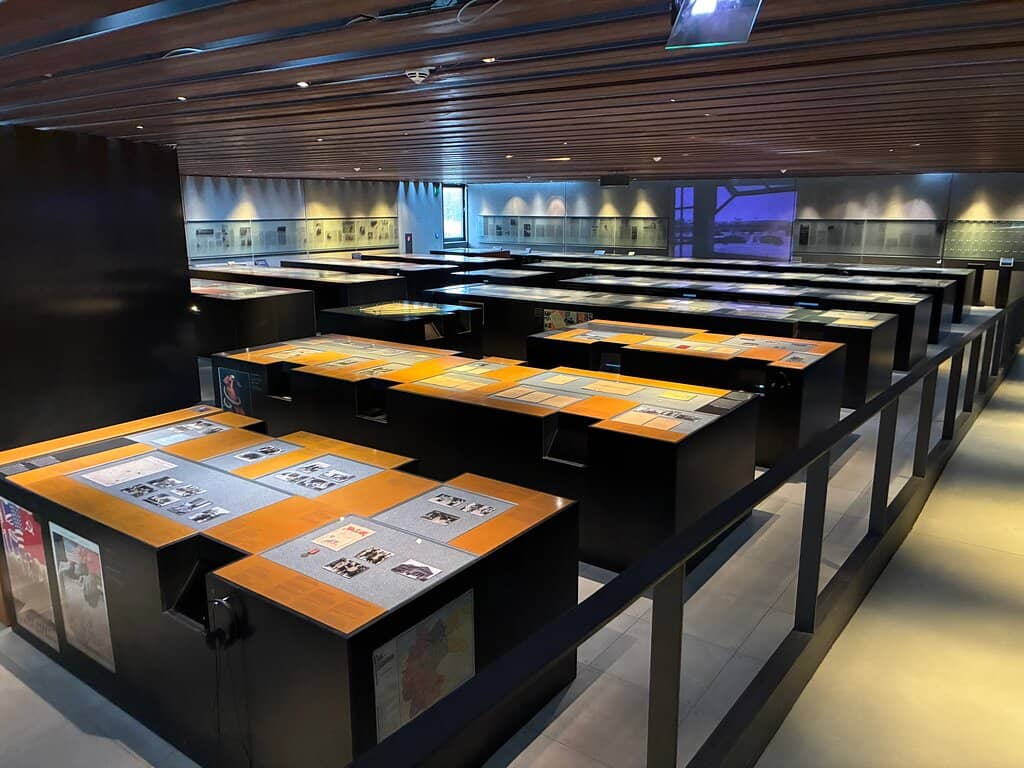
You will see reconstructed barracks, the Appelplatz (assembly ground), guard towers, the former SS headquarters, Station Z (execution site), and exhibits detailing the lives and suffering of prisoners.+2
While educational, the content is deeply disturbing. Some visitors find it challenging for teens, while others believe it's a crucial learning experience. Parental discretion is advised.
Some exhibits aim to be interactive, but some visitors have reported technical issues with these. The primary focus is on historical information and artifacts.
The memorial site is extensive, requiring a significant amount of walking. Comfortable footwear is essential.
📸 📸 Photography
Photography is generally permitted in outdoor areas for personal use, but it's crucial to do so with the utmost respect. Photography inside museum buildings or of specific exhibits may be restricted. Always be mindful of the solemn nature of the site.
While 'photogenic' might not be the right word for such a somber place, the stark architecture of the guard towers, the vastness of the Appelplatz, and the preserved barracks offer powerful visual narratives. Focus on capturing the atmosphere and historical weight.
Yes, avoid photographing memorial plaques, personal items of victims, or any content that could be seen as disrespectful or sensationalizing the tragedy. Be sensitive to other visitors' experiences.
Photos that capture the scale of the site, the architectural remnants, and the somber atmosphere tend to be most impactful. Consider wide shots of the grounds and details of the remaining structures.
It's best to avoid flash photography altogether out of respect for the memorial and other visitors. Natural light will also better capture the mood of the site.
Social
from TikTok, Instagram & Reddit