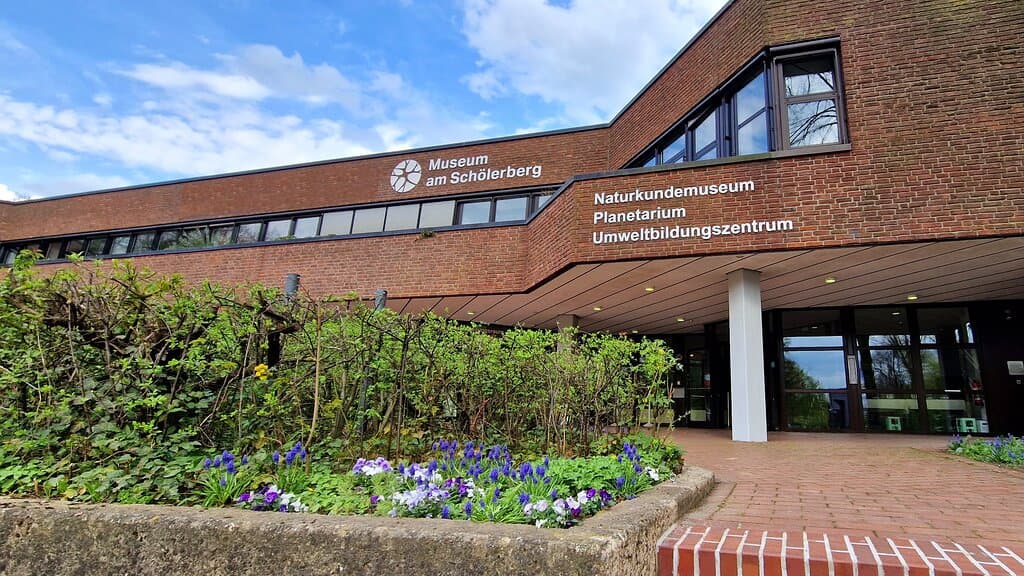
Museum am Schölerberg Osnabrück
Explore Osnabrück's natural history through interactive exhibits, from ancient fossils to local biodiversity and a captivating planetarium.
Highlights
Must-see attractions

Social
From TikTok & Reddit
Best Time
Free admission!
Museum am Schölerberg Osnabrück
Best Time
Free admission!
Highlights
Must-see attractions
Explore Osnabrück's natural history through interactive exhibits, from ancient fossils to local biodiversity and a captivating planetarium.
"A place where you can touch, grasp, and understand nature – valuable in our digital world!"
🎟️ Book Planetarium Ahead
Planetarium tickets sell out fast! Book online days in advance to secure your spot for a celestial show.
👨👩👧 Best for Older Kids
Toddlers may struggle with 'don't touch' rules. Ideal for families with children aged 5+ who can engage interactively.
Quick Facts
Hours
Rating
4.3 · 150 reviews
Type
Museum
Highlights
Discover the most iconic attractions and experiences
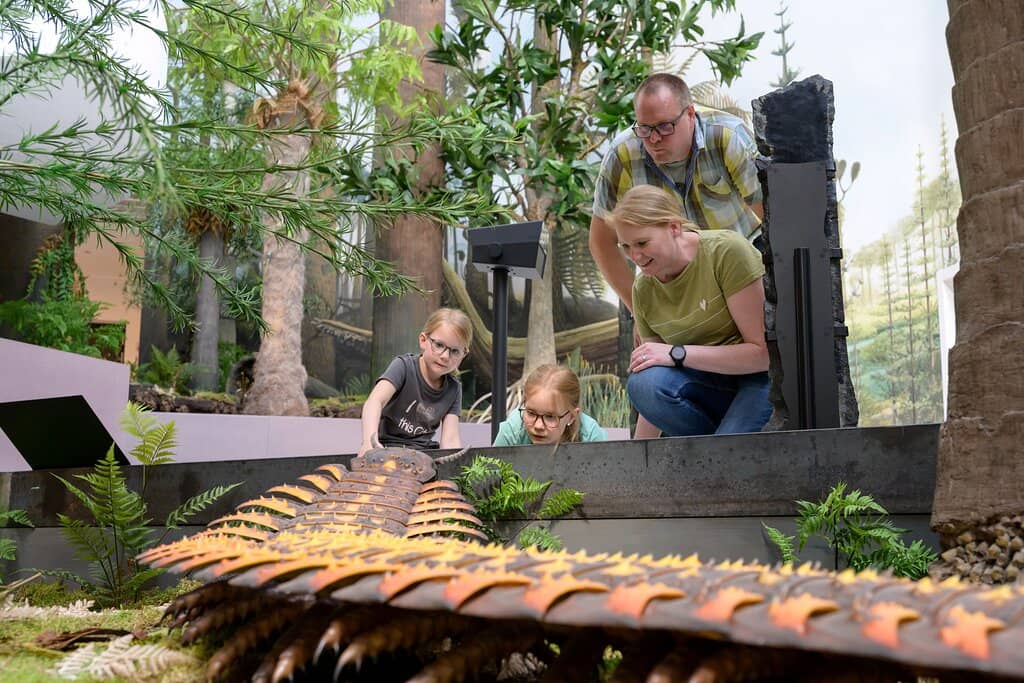
Primeval Forest Recreation
Fossil Exhibition
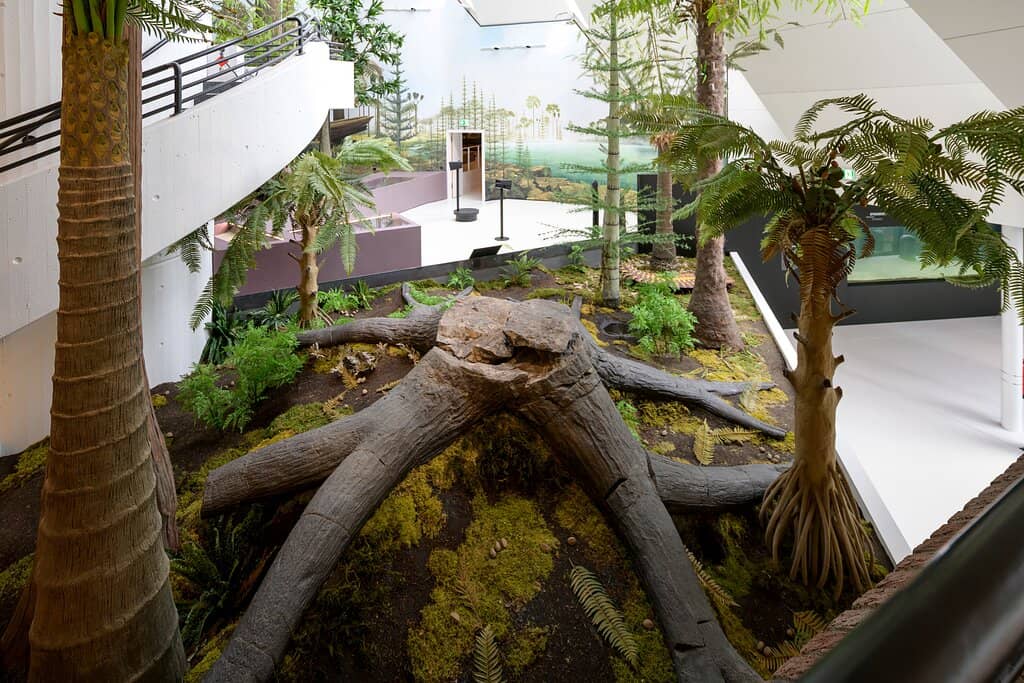
Step back 306 million years into a recreated primeval forest, complete with ancient plant and animal fossils.
Dinosaur Footprints
Fossil Exhibition
Marvel at 150-million-year-old dinosaur footprints from the region, showcasing ancient predators and herbivores.
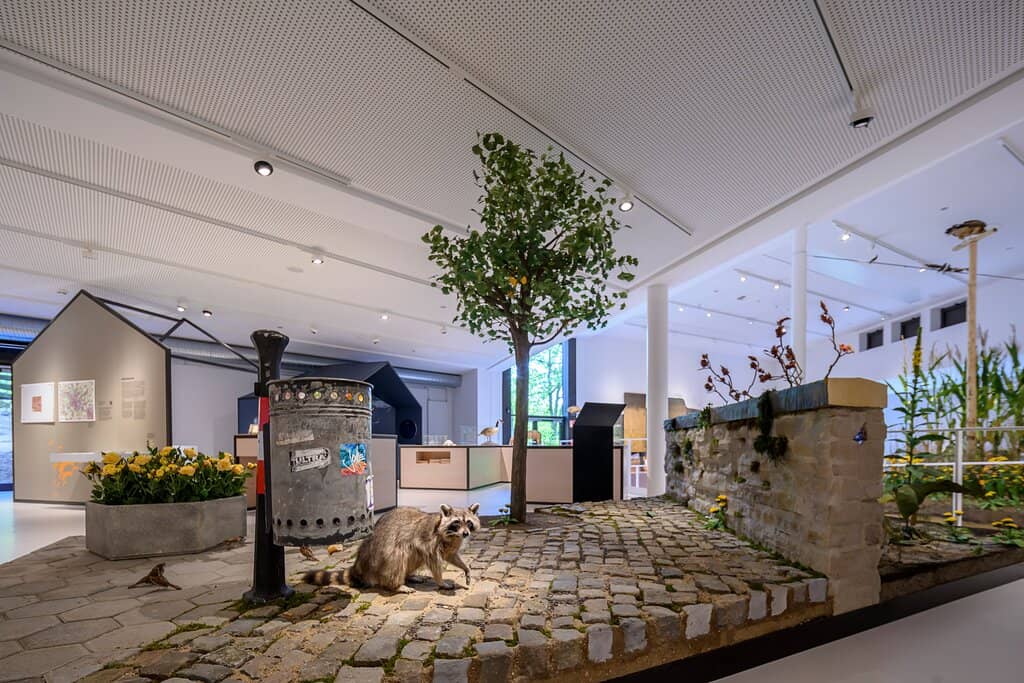
Local Biodiversity Dioramas
Modern Landscapes Exhibition
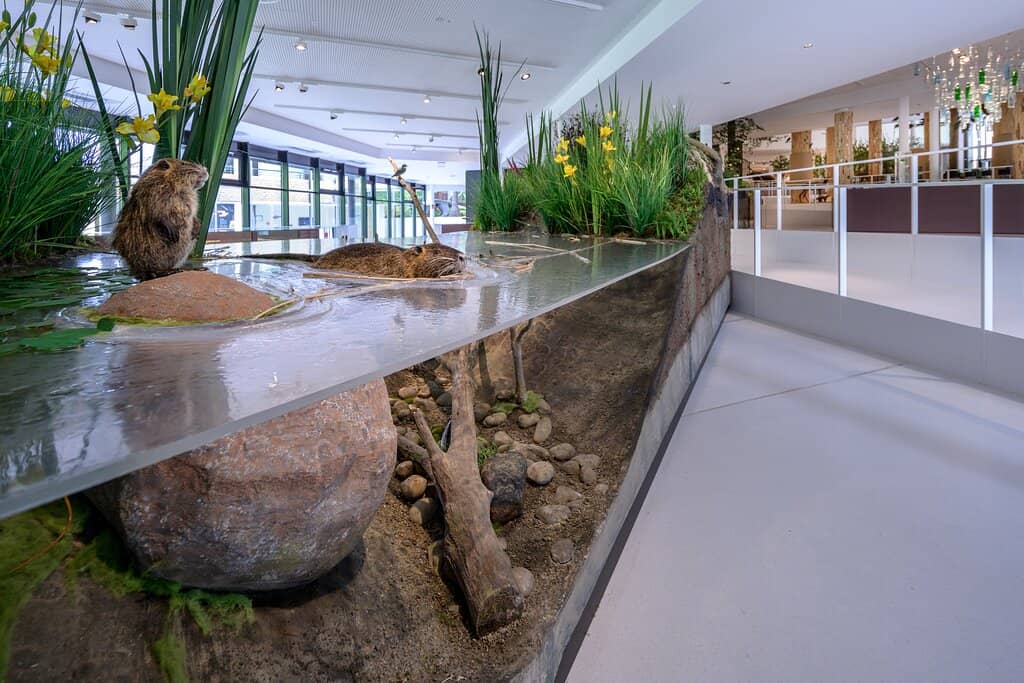
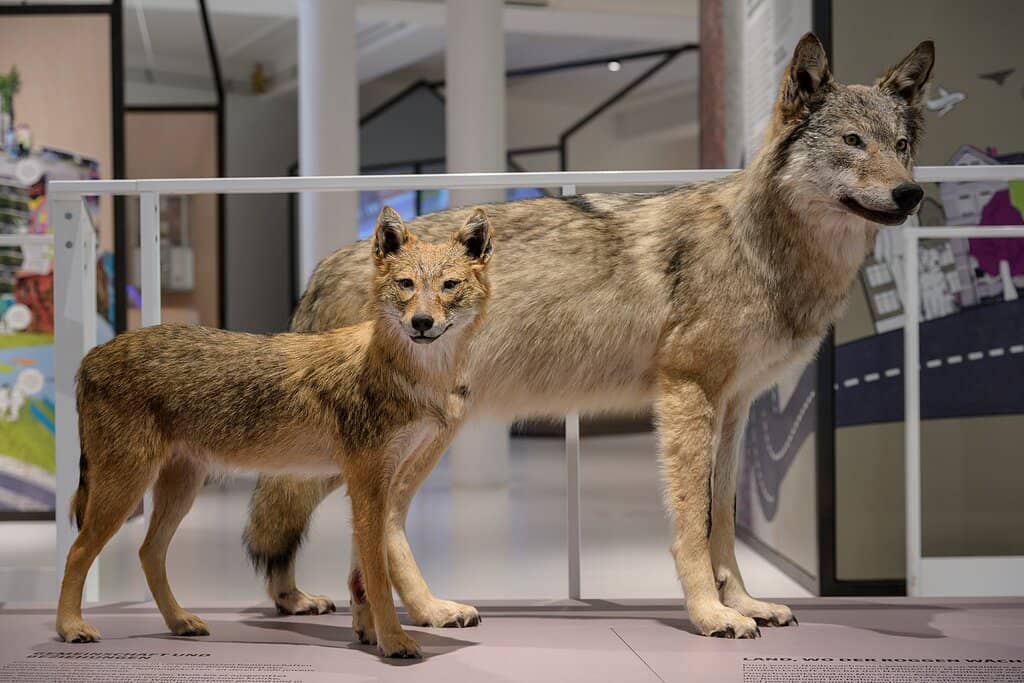
Discover the diverse flora and fauna of the Osnabrück region, from forests to urban environments.
Plans like a pro.
Thinks like you
Planning Your Visit
Interactive Nature Exploration
Planetarium Booking Essential
Best Times
Insider Tips
from TikTok, Instagram & Reddit
🎟️ Book Planetarium Ahead
Planetarium tickets sell out fast! Book online days in advance to secure your spot for a celestial show.
👨👩👧 Best for Older Kids
Toddlers may struggle with 'don't touch' rules. Ideal for families with children aged 5+ who can engage interactively.
🚶 Combine with a Hike
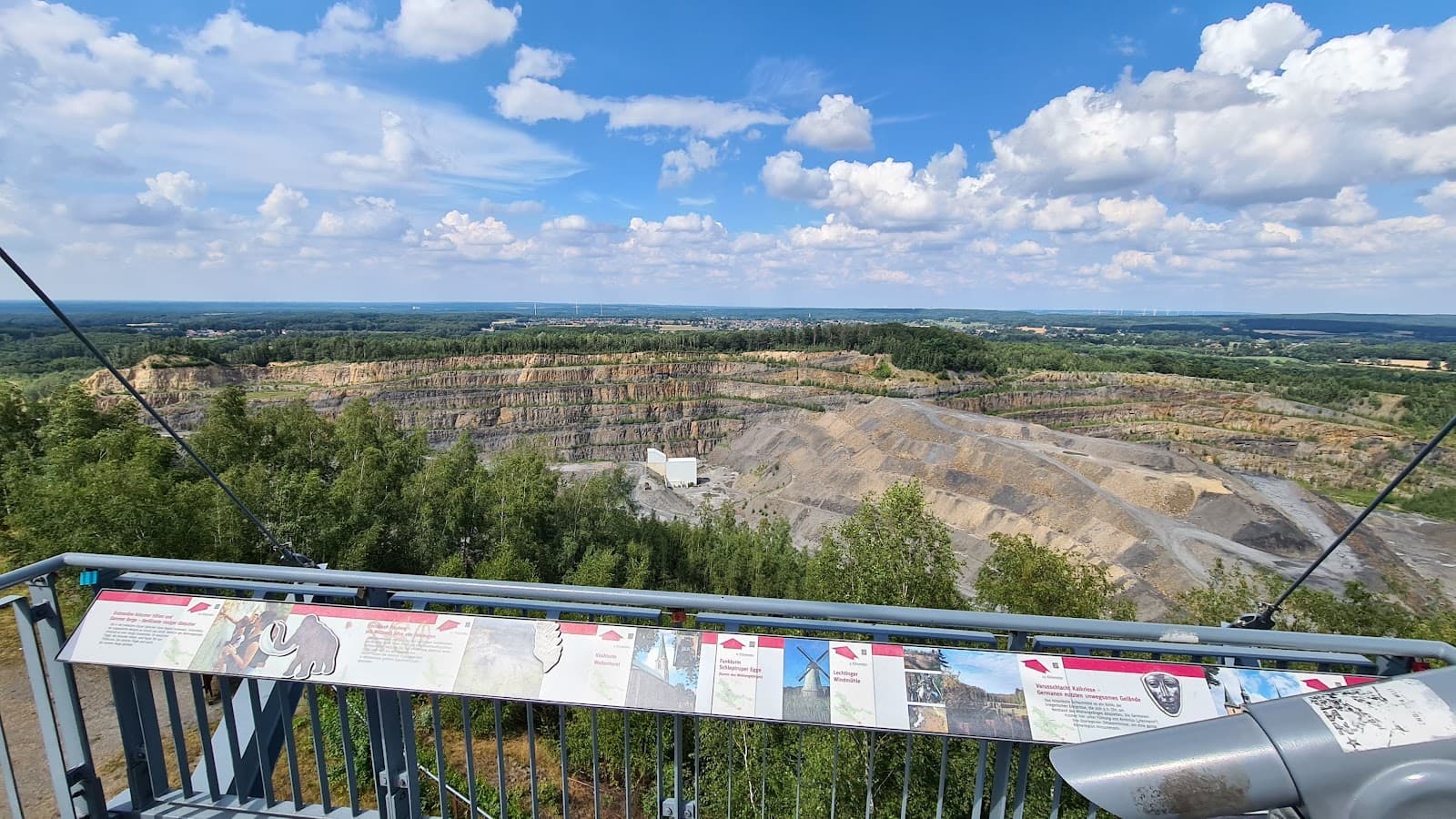
Extend your visit with a hike to Piesberg Quarry and Viewing Platform for more paleontological insights.
💡 Free First Friday
Enjoy free admission on the first Friday of each month – a great budget-friendly option!
Tips
from all over the internet
🎟️ Book Planetarium Ahead
Planetarium tickets sell out fast! Book online days in advance to secure your spot for a celestial show.
👨👩👧 Best for Older Kids
Toddlers may struggle with 'don't touch' rules. Ideal for families with children aged 5+ who can engage interactively.
🚶 Combine with a Hike
Extend your visit with a hike to Piesberg Quarry and Viewing Platform for more paleontological insights.
💡 Free First Friday
Enjoy free admission on the first Friday of each month – a great budget-friendly option!
What Travellers Say
Reviews Summary
Visitors praise the Museum am Schölerberg for its highly interactive and educational approach to natural history, making it a valuable experience for understanding local biodiversity and geological past. The reasonable admission price and free first Friday of the month are significant draws. However, the planetarium requires advance booking, and the interactive nature might be challenging for very young children.
"The museum is always a place where you can touch, grasp, and understand nature. This is especially important and valuable in our modern, computer/internet/digital world, and the admission price is also extremely reasonable. The special exhibition "Fossil meets Rock" is fascinating."
Ulrich Bombelka
"Anyone who remembers the Schölerberg Museum from their childhood will have to get used to the new concept, as it's truly quite different. But it's still very informative, and the special exhibitions are still there."
Tobias Schäffner
"Anyone interested in the history and biodiversity of the Osnabrück region will be in good hands at this natural history museum. I recommend combining a visit with a subsequent hike, starting from the "Piesberg Quarry Parking Lot" to the "Piesberg Viewing Platform." The museum at Schölerberg not only presents fossils from the aforementioned quarry. The primeval forest has been "recreated" based on the 306-million-year-old plant and animal fossils found there. For a brief moment, you truly have the impression of standing in this long-vanished rainforest. Looking through display cases, you see an extinct prehistoric cockroach scurrying three-dimensionally across a tree trunk model. Thanks to the staircase, you can gain a treetop perspective. Even in the coal forest, different plant and animal communities thrived at different "elevation levels." The Piesberg is definitely a special paleontological site for the Upper Carboniferous period. Our hard coal deposits around the world date back to this time – a fuel that fueled the Industrial Revolution in Germany from 1850 onwards, harnessing the solar energy harvested by plants over millions of years. When the forest plants were flooded and sealed airtight – thus protected from decomposition – they initially formed peat. As material was constantly deposited on top of the peat, heat and pressure increased. Over the course of millions of years, the peat thus transformed first into lignite and then into hard coal. Before this happened, they formed a species-rich habitat with predatory giant dragonflies and millipedes up to 2.5 meters long. Dinosaur footprints from Barkhausen can also be admired in the museum. These animals – bipedal predators and long-necked herbivores – roamed the soft mudflats 150 million years ago. At that time, in the region north of Münsterland, there was a chain of islands stretching into the Harz region, fostering a unique flora and fauna. Possibly as a result of the scarcity of food on the islands, long-necked dinosaurs like Europasaurus were comparatively "dwarfed" by dinosaur standards – only 6 meters long and weighing approximately 800 kilograms. In addition to these interesting excursions into geological and climatic history, the museum is dedicated to the present-day landscapes of the Osnabrück region – forests, meadows, cities, and bodies of water. Animals and plants are perfectly adapted to all these habitats and their challenges. In the city, for example, it is often up to 10 degrees warmer than in the surrounding areas. Noise, air pollution, sealed surfaces, and road traffic are fatal for many animals. Nevertheless, as is vividly demonstrated, there are many niches for pioneer species even in the city. Some seeds, for example, are more massive in the city and therefore travel less far – an important survival strategy to avoid landing on asphalt. Snail shells, which are usually lighter in color in cities, reflect sunlight and thus overheat less frequently. Our waste and garbage are an attractive food source for many animals. The museum displays mostly stuffed animals in recreated natural environments. This is quite fascinating, since on a normal walk, most species remain hidden and hidden from view. The vast majority of mammals are known to be nocturnal. They only come out when we humans have retreated into our homes. Cross-sections into the ground also reveal all kinds of subterranean systems of animals, for example, those of badgers and beavers – true master builders. We did not visit the planetarium, which is also housed in the building. A visit there is quite inconvenient, as you have to book online tickets many days in advance."
Jannik Gorewoda
What People Like
What People Dislike
Frequently Asked Questions
🚇 🗺️ Getting There
The museum is accessible by public transport. Bus lines 11 and 12 stop near the Schölerberg stop. If driving, parking is available, though it can get busy.
Yes, parking is available at the museum. However, it's advisable to arrive early, especially on weekends or during special events, as it can fill up quickly.
Osnabrück is bike-friendly, and there are usually bike racks available at major attractions like the museum. It's a pleasant ride through the city.
Many visitors recommend combining a trip to the museum with a hike in the surrounding Schölerberg or Piesberg areas. The Piesberg Quarry Parking Lot is a good starting point for such excursions.
While specific accessibility details should be confirmed directly with the museum, many modern museums strive for good accessibility. The reviews suggest an interactive experience, which usually implies accessible pathways.
🎫 🎫 Tickets & Entry
Admission prices are described as 'extremely reasonable' by visitors. It's best to check the official museum website for the most current pricing for adults, children, and concessions.
For general museum entry, advance booking is usually not required, but it's always a good idea to check their website, especially during peak seasons or for special exhibitions.
Yes! Admission is free on the first Friday of every month, making it a popular time to visit.
The planetarium shows are a separate experience and require booking. While the exact cost isn't specified in reviews, it's a worthwhile addition to your visit.
Opening hours can vary, so it's essential to check the official Museum am Schölerberg website before your visit. This ensures you don't arrive when it's closed.
🎫 🧭 Onsite Experience
Expect a diverse range of exhibits focusing on natural history, from fossils of primeval forests and dinosaurs to the present-day biodiversity of the Osnabrück region, including urban adaptations.
While engaging, the museum is best suited for older children (5+) who can appreciate interactive displays and understand 'don't touch' rules. Toddlers might find it challenging.
The planetarium offers an interesting experience, with one visitor mentioning a 'light pollution tour' that was particularly engaging and interactive. Booking in advance is crucial.
Yes, the museum is highly interactive, encouraging visitors to touch, grasp, and understand nature. This hands-on approach is a key feature.
Generally, photography for personal use is allowed in most museums, but it's always best to check for any specific restrictions on flash photography or certain exhibits.
🍽️ 🍽️ Food & Dining
Reviews do not mention an on-site cafe or restaurant. It's advisable to plan for meals before or after your visit, or bring your own snacks if permitted.
The museum is located in Osnabrück, so there are likely numerous dining options in the city center or surrounding areas. Research local cafes and restaurants for post-visit refreshments.
While not explicitly stated, many museums allow visitors to bring their own water bottles. For full meals, it's usually best to consume them outside the exhibition areas. Check the museum's policy.
📸 📸 Photography
Photography for personal use is generally permitted, but it's always wise to check for any specific signage regarding flash or tripod use.
The recreated primeval forest and the detailed dioramas of local wildlife offer excellent photographic opportunities due to their immersive and realistic settings.
Be mindful of any 'no photography' signs, especially for sensitive exhibits or if flash photography could damage displays.
Tripods are often restricted in museums to avoid obstructing other visitors and to prevent accidental damage. It's best to confirm this with the museum staff.
The museum uses lighting to enhance exhibits, which can create dramatic effects. Be prepared for varied lighting conditions, which might require adjusting your camera settings.
Social
from TikTok, Instagram & Reddit