Stadtwaage - a white wall with water drops on it
1 / 10

Stadtwaage

4.6
·491k reviews·Osnabrück, Germany

A magnificent historical weigh house, the Stadtwaage stands as a testament to the city's rich trading past and architectural heritage.

Highlights

Highlights

Must-see attractions

Social content

Social

From TikTok & Reddit

Best Time

Weekday mornings

Fewer crowds, peaceful exploration

CrowdLow
Loading map...
Stadtwaage - a white wall with water drops on it

Stadtwaage

Best Time

Weekday mornings

Fewer crowds, peaceful exploration

CrowdLow
Highlights

Highlights

Must-see attractions

A magnificent historical weigh house, the Stadtwaage stands as a testament to the city's rich trading past and architectural heritage.

4.6
(491k reviews)

"A beautiful piece of history, the Stadtwaage is a picturesque landmark that truly captures the essence of the city."

Vertical photo
TIP

📸 Capture the Details

Don't just snap wide shots; zoom in on the architectural carvings and unique features. :camerawithflash:

👟 Wear Comfortable Shoes

You'll be doing a lot of walking, so prioritize comfort for exploring the grounds. :athletic_shoe:

Third hero image

Highlights

Discover the most iconic attractions and experiences

Historic Architecture

Historic Architecture

Entire building

Marvel at the intricate details and centuries-old craftsmanship of this iconic landmark.

The Grand Hall

The Grand Hall

Main interior space

Experience the grandeur of the central hall, a testament to its past importance.

Exterior Facade

Exterior Facade

Front of the building

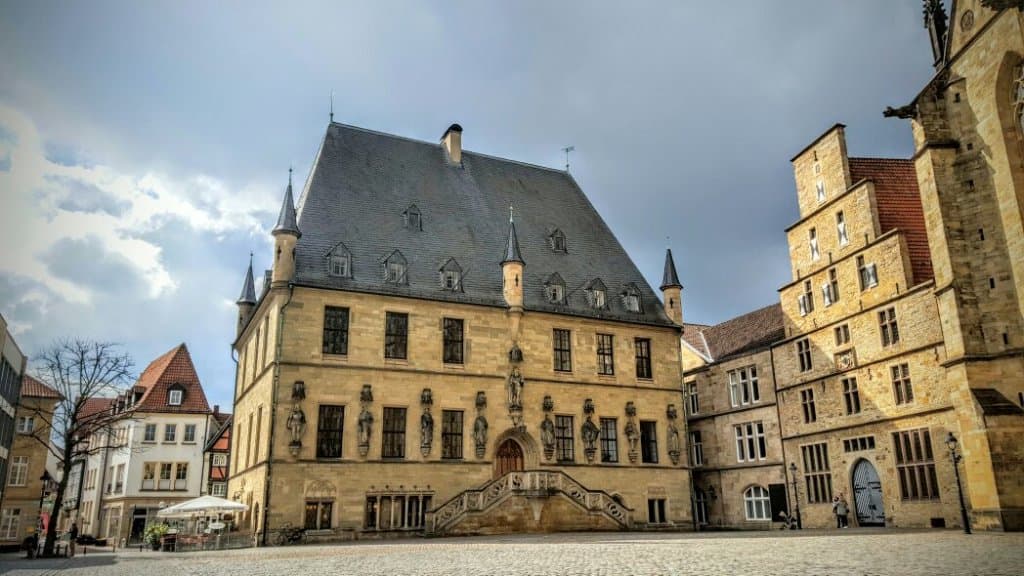
Admire the stunning facade, a picturesque sight that captures the essence of the city.

Your AI travel agent

Plans like a pro.
Thinks like you

Start Chatting

Planning Your Visit

Timing is Everything

To truly appreciate the Stadtwaage, consider visiting during off-peak hours. Weekends and holidays can get busy, so weekdays offer a more relaxed experience. Check local event calendars to avoid potential closures or large crowds.

Accessibility & Comfort

While the Stadtwaage is generally accessible, some older sections might have uneven surfaces. Comfortable walking shoes are a must for exploring. Consider the weather; it can be quite warm in summer and chilly in winter.

Best Times

When
Weekday mornings
Why
Fewer crowds, peaceful exploration
Crowd
Low
When
Late afternoon
Why
Golden hour light for photos
Crowd
Medium

Insider Tips

from TikTok, Instagram & Reddit

📸 Capture the Details

Don't just snap wide shots; zoom in on the architectural carvings and unique features. :camerawithflash:

👟 Wear Comfortable Shoes

You'll be doing a lot of walking, so prioritize comfort for exploring the grounds. :athletic_shoe:

🕰️ Check Opening Hours

Verify the latest opening times before your visit to avoid disappointment. :clock1:

No content available

Tips

from all over the internet

📸 Capture the Details

Don't just snap wide shots; zoom in on the architectural carvings and unique features. :camerawithflash:

👟 Wear Comfortable Shoes

You'll be doing a lot of walking, so prioritize comfort for exploring the grounds. :athletic_shoe:

🕰️ Check Opening Hours

Verify the latest opening times before your visit to avoid disappointment. :clock1:

What Travellers Say

4.6
(491k reviews)

Reviews Summary

Visitors consistently praise the Stadtwaage for its impressive historical architecture and central location, making it a must-see landmark. While many appreciate its beauty and significance, some note that interior access can be limited or require specific tours, and parking in the vicinity can be challenging.

What People Like

Stunning historic architecture
Central city location
Photogenic facade

What People Dislike

Limited interior access
Parking challenges

Frequently Asked Questions

🚇 🗺️ Getting There

The Stadtwaage is centrally located and easily accessible by public transport. Many visitors opt for the tram or bus, with several stops nearby. If driving, be aware that parking in the city center can be limited and costly. Check local transit apps for the most efficient routes.

Limited street parking is available, but it's often metered and fills up quickly. Several multi-story car parks are within a 5-10 minute walk. Consider using public transport to avoid parking hassles.

If you're staying in the city center, walking is a great option. The Stadtwaage is often a pleasant stroll from many hotels and other attractions, allowing you to soak in the city's atmosphere.

🎫 🎫 Tickets & Entry

Entry to the Stadtwaage grounds is typically free, but access to specific exhibitions or interior tours may require a ticket. It's always best to check the official website for current admission policies and any associated fees.

Opening hours can vary seasonally and may be affected by special events. It's highly recommended to consult the official Stadtwaage website or a reliable local guide for the most up-to-date information on daily operating times.

For any paid exhibitions or tours, online booking is often available and can save you time queuing. Check the official Stadtwaage website for their ticketing portal and any advance purchase discounts.

Accessibility can vary. While the exterior is generally navigable, some older interior sections might present challenges. It's advisable to contact the Stadtwaage directly or check their accessibility page for detailed information.

📸 📸 Photography

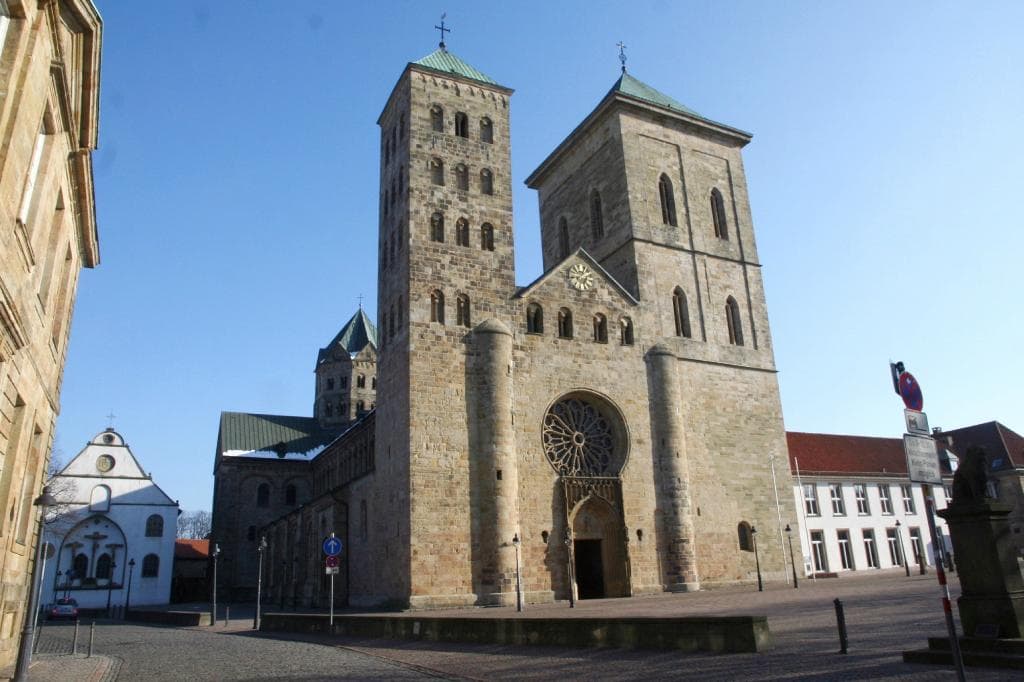
The exterior facade offers stunning photographic opportunities, especially during the golden hour. Look for unique architectural details and consider framing shots with surrounding city elements for a richer composition.

Generally, photography for personal use is permitted in most public areas. However, flash photography might be restricted inside certain exhibits to protect artifacts. Always observe posted signage.

Early mornings or late afternoons provide the best natural light, creating beautiful shadows and highlights on the architecture. Weekday mornings also offer fewer people in your shots.
For Different Travelers

Tailored advice for your travel style

👨‍👩‍👧 Families with Kids

While the Stadtwaage is a historical site, it can still be engaging for families. Focus on the visual aspects – the grand scale, interesting carvings, and the idea of a place where goods were weighed. Turn it into a treasure hunt for specific architectural details. Consider visiting during less crowded times to allow children more space to explore without feeling overwhelmed.

Many historical sites offer interactive elements or guided tours that can be adapted for younger audiences. Check if there are any family-specific programs or audio guides available. The surrounding area might also offer parks or open spaces for children to run around after exploring the Stadtwaage.

📸 Photography Enthusiasts

The Stadtwaage presents a fantastic opportunity for photographers. The historic architecture provides a rich subject matter, with opportunities for both wide-angle shots capturing the grandeur and close-ups highlighting intricate details. The interplay of light and shadow on the building's facade can be particularly dramatic during the golden hours of sunrise and sunset.

Experiment with different perspectives – from street level to looking up at the spires. Consider the surrounding urban environment as a backdrop or contrast to the historic structure. For those interested in architectural photography, the Stadtwaage offers a wealth of textures, patterns, and historical narratives to capture. Remember to check for any restrictions on professional photography equipment or drone usage.

Deep Dives

In-depth insights and expert knowledge

The Historical Significance of the Stadtwaage

The Stadtwaage is more than just a beautiful building; it's a significant historical monument that played a crucial role in the city's economic past. Historically, a 'Waage' (or weigh house) was a public building where goods were weighed to ensure fair trade and collect taxes. The Stadtwaage, therefore, was central to the city's commerce and governance, symbolizing its prosperity and importance as a trading hub.

Its architecture often reflects the era in which it was built or renovated, showcasing the styles and craftsmanship of different periods. Exploring the Stadtwaage offers a tangible connection to the city's heritage, allowing visitors to imagine the bustling trade and daily life that once took place within its walls. Understanding its function provides a deeper appreciation for the structure beyond its aesthetic appeal.

Many historical accounts and local legends are tied to the Stadtwaage. These stories often highlight its role in disputes, celebrations, or significant economic events. Engaging with this history enriches the visitor experience, transforming a simple visit into an educational journey through time.

Architectural Highlights

The Stadtwaage is renowned for its distinctive architectural features, often a blend of historical styles. Visitors should pay close attention to the facade, which frequently displays intricate stonework, decorative carvings, and prominent windows that are characteristic of its period. The building's overall design often speaks to its original purpose, with elements that might have facilitated its function as a weigh house.

Inside, the Grand Hall is typically a focal point, designed to impress and accommodate official functions or the weighing of significant goods. Look for details such as arched doorways, ornate ceilings, and historic flooring. The materials used, whether local stone, timber, or plasterwork, tell a story of the region's resources and building techniques of the past. Appreciating these details offers a glimpse into the skill of the artisans who constructed and maintained the building over centuries.

Beyond the main structures, smaller details like sculptural elements, coat of arms, or weather vanes can add layers of meaning and historical context. These elements often represent the city's patrons, guilds, or significant historical events. A thorough exploration involves not just looking at the building as a whole, but also appreciating the individual components that contribute to its unique character and historical narrative.

You may also like