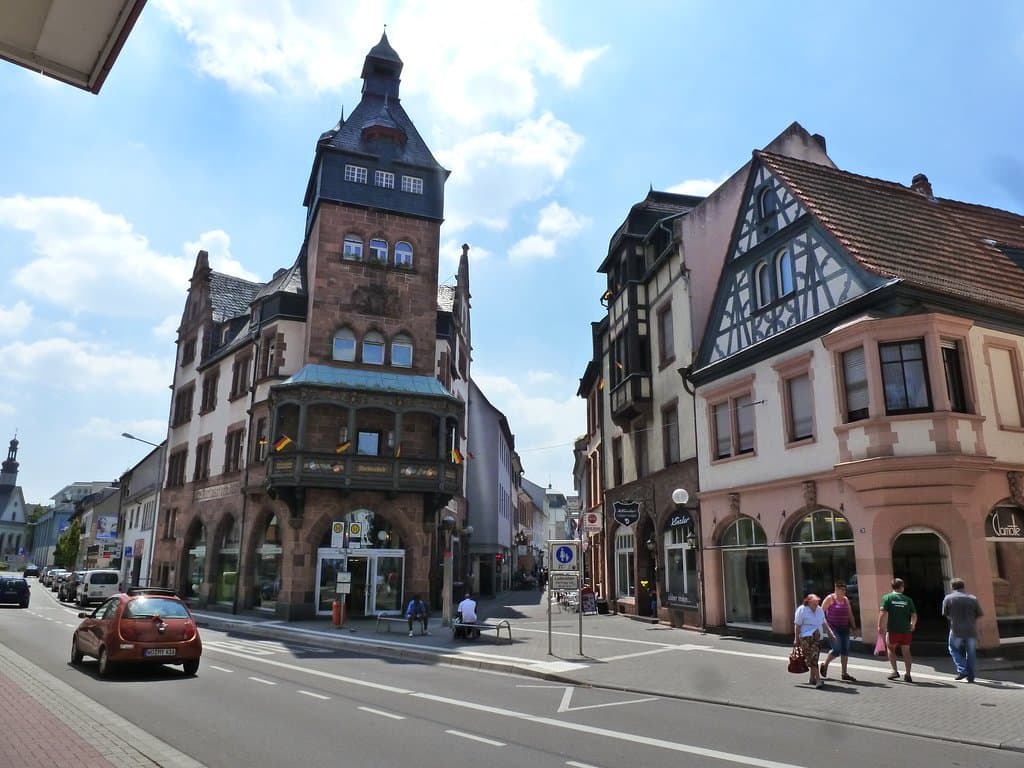
Rashi Synagogue
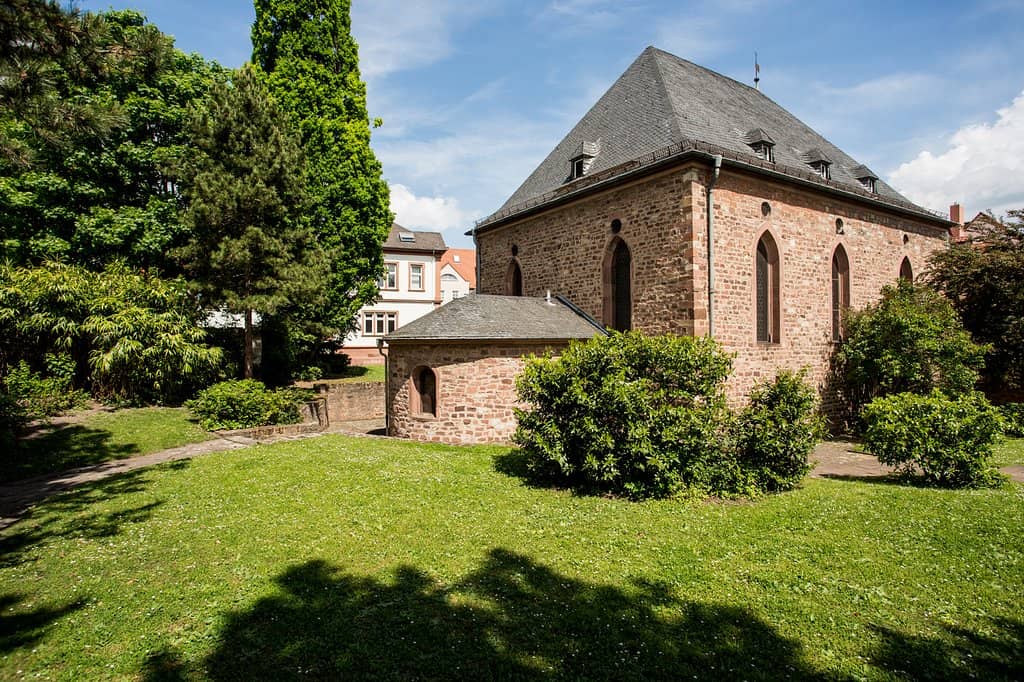
A UNESCO World Heritage site, this synagogue is a testament to over a millennium of Jewish history and scholarship, deeply connected to Rabbi Rashi.
Highlights
Must-see attractions

Social
From TikTok & Reddit
Best Time
Fewer crowds, more peaceful
Rashi Synagogue
Best Time
Fewer crowds, more peaceful
Highlights
Must-see attractions
A UNESCO World Heritage site, this synagogue is a testament to over a millennium of Jewish history and scholarship, deeply connected to Rabbi Rashi.
"A deeply moving place that connects you to centuries of Jewish history and the profound legacy of Rabbi Rashi."
🎩 Headwear Required for Men
Men must wear a head covering inside the synagogue. Kippahs are usually available on-site.
🗣️ Ask About Tours
The caretaker can share fascinating stories, though tours may be in German.
Quick Facts
Hours
Rating
4.6 · 265 reviews
Type
Synagogue
Highlights
Discover the most iconic attractions and experiences
Rashi's Chair
Inside the Synagogue
Sit in the very chair where the renowned Rabbi Shlomo Yitzchaki (Rashi) once taught. Feel the weight of centuries of scholarship.
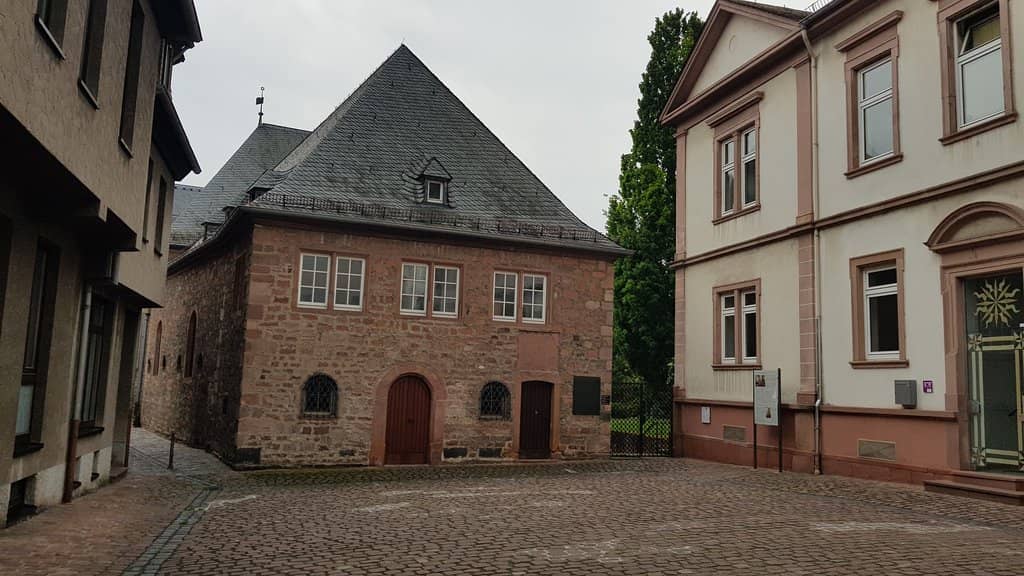
Mikveh Staircase
Outside the Synagogue
Descend the steep, winding stairs to the ancient mikveh (ritual bath), a testament to enduring Jewish traditions.
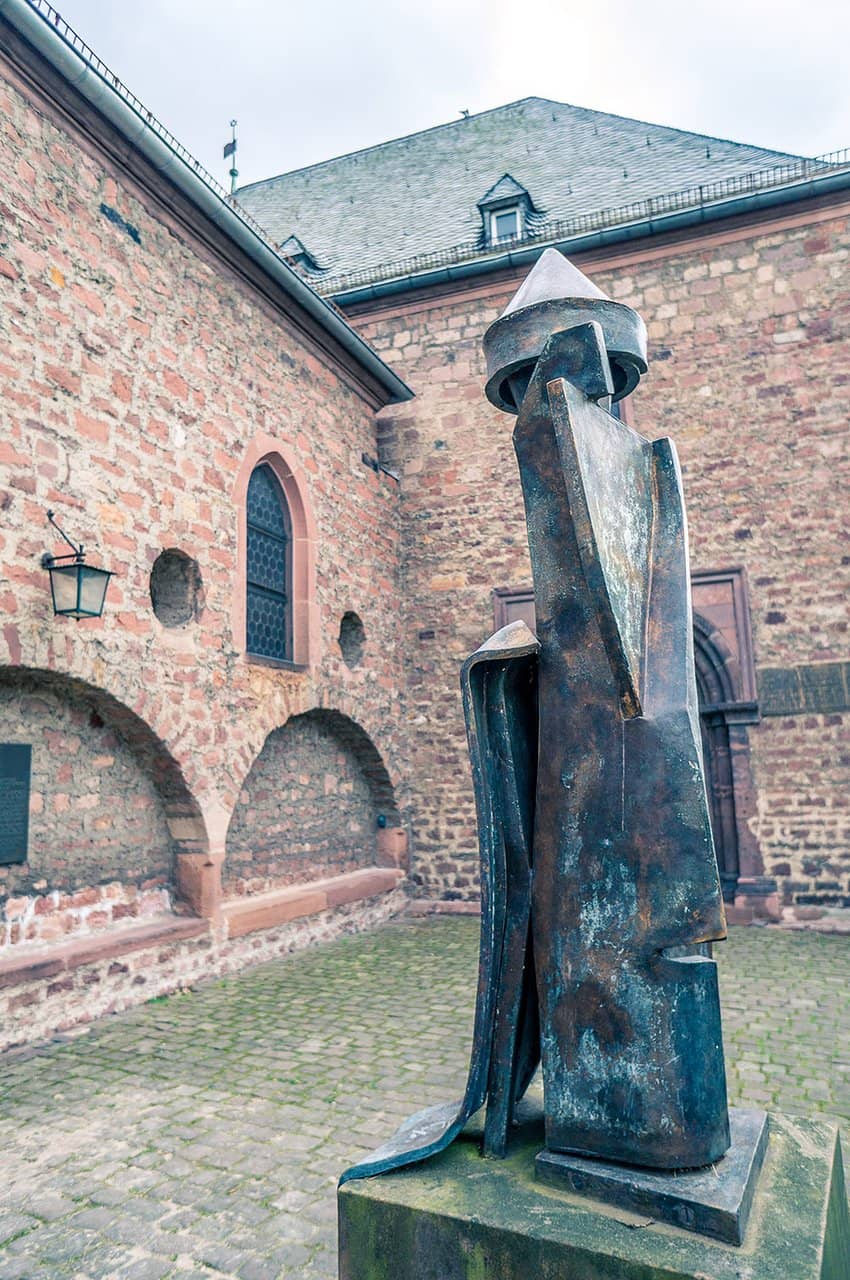
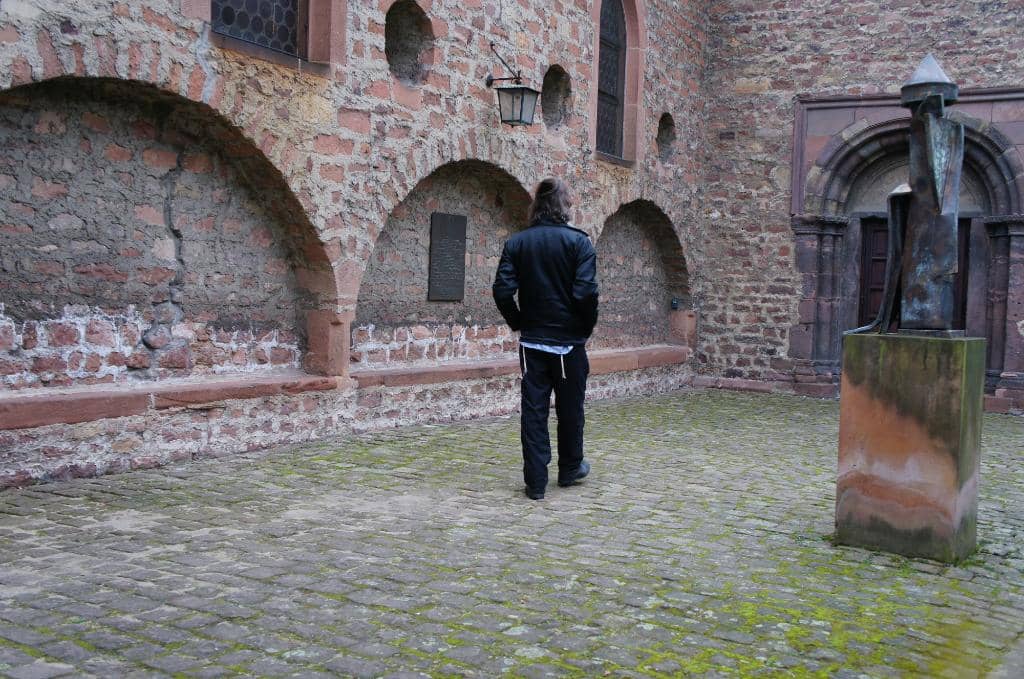
Mother's Sanctuary Wall
Outside the Synagogue
See the indent in the wall where Rashi's pregnant mother was reportedly saved from passing carriages.
Plans like a pro.
Thinks like you
Planning Your Visit
Respectful Attire is Key
Embrace the History
Best Times
Insider Tips
from TikTok, Instagram & Reddit
🎩 Headwear Required for Men
Men must wear a head covering inside the synagogue. Kippahs are usually available on-site.
🗣️ Ask About Tours
The caretaker can share fascinating stories, though tours may be in German.
🚶♀️ Explore the Exterior
Don't miss the historical markers and architectural details outside the main building.
📚 Research Rashi
Understanding Rashi's significance enhances the visit. Learn about his commentaries before you go.
Tips
from all over the internet
🎩 Headwear Required for Men
Men must wear a head covering inside the synagogue. Kippahs are usually available on-site.
🗣️ Ask About Tours
The caretaker can share fascinating stories, though tours may be in German.
🚶♀️ Explore the Exterior
Don't miss the historical markers and architectural details outside the main building.
📚 Research Rashi
Understanding Rashi's significance enhances the visit. Learn about his commentaries before you go.
What Travellers Say
Reviews Summary
Visitors consistently praise the Rashi Synagogue for its profound historical significance and its UNESCO World Heritage status. Many are moved by the tangible connection to Rabbi Rashi and the deep roots of Jewish life in Worms. While some note that the original structure is gone and tours might be in German, the overall experience is considered deeply meaningful and educational.
"Founded in the 11th century, the synagogue is one of the oldest in Germany. The Worms Synagogue was inscribed on the UNESCO World Heritage List in 2021 due to its historical importance and its testimony to the European Jewish cultural tradition through millennia."
Martin Vanta
"Nothing original remains in the synagogue that Rashi worshipped at, yet it’s an important reminder of what Jewish life in Worms was like..."
Michael Yamnitsky
"Every Jew should visit the place in order to feel the history of his people.
"
Eytan Parnes
What People Like
What People Dislike
Frequently Asked Questions
🚇 🗺️ Getting There
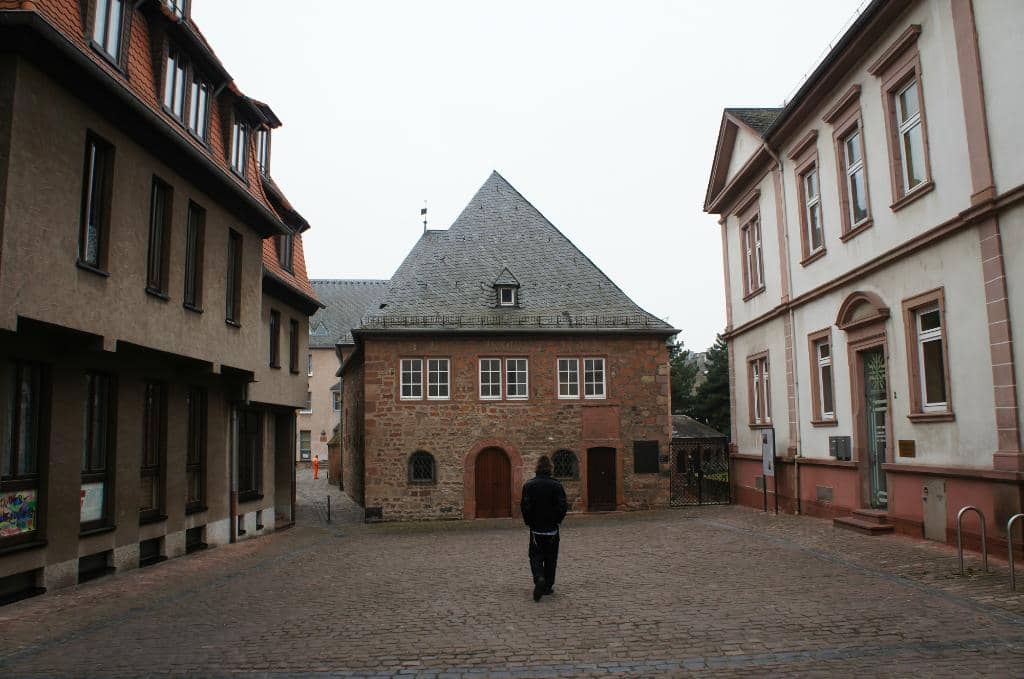
The Rashi Synagogue is located in the heart of Worms' historic Jewish quarter. It's easily accessible by foot from the city center and public transport. Many visitors arrive by train to Worms Hauptbahnhof and then take a short bus ride or a pleasant walk.
Parking in the immediate vicinity of the historic Jewish quarter can be limited. It's recommended to use public parking garages in the city center and walk to the synagogue.
Yes, many historical walking tours of Worms include a stop at the Rashi Synagogue, offering guided insights into its history and significance.
🎫 🎫 Tickets & Entry
Entry to the Rashi Synagogue typically requires a ticket. It's advisable to check the official website or inquire locally for current admission fees and opening hours.
Opening hours can vary, especially on Jewish holidays. It's best to confirm the most up-to-date schedule before your visit, as they are often open during specific daytime hours.
Yes, there is usually a modest entrance fee. This fee helps support the preservation of this important historical site.
Photography policies can vary. It's important to respect any posted signs or ask for permission before taking pictures inside the synagogue.
🎫 🧭 Onsite Experience
Rashi's chair is a focal point within the synagogue, symbolizing the seat of learning for the renowned medieval commentator Rabbi Shlomo Yitzchaki (Rashi), who lived and taught in Worms.
Outside, you can find historical markers, the indent in the wall where Rashi's mother was saved, and the entrance to the mikveh via a steep staircase.
While it is a historical site, it may still be used for special services or events. Its primary role now is as a museum and testament to Jewish heritage.
Often, a caretaker is present who can provide information and stories about the synagogue. Official guided tours might be available through local tourism offices.
📸 📸 Photography
The exterior architecture, the entrance to the mikveh staircase, and the historical markers outside offer great photo opportunities. Inside, focus on Rashi's chair if photography is permitted.
Drone usage is generally restricted in historical and religious sites. Always check local regulations and obtain necessary permissions before flying a drone.





Social
from TikTok, Instagram & Reddit