Palace of Malia
Explore the significant Minoan Palace of Malia, a sprawling archaeological site revealing ancient life, workshops, and houses.
Highlights
Must-see attractions

Social
From TikTok & Reddit
Best Time
Beat the heat and crowds
Palace of Malia
Best Time
Beat the heat and crowds
Highlights
Must-see attractions
Explore the significant Minoan Palace of Malia, a sprawling archaeological site revealing ancient life, workshops, and houses.
"A remarkable and well-preserved Minoan site, offering a deep dive into ancient Cretan civilization."
Download Site Info
Use your smartphone for site info to understand the ruins better. :iphone:
Check for Closures
Some areas may be closed for maintenance. Plan your visit accordingly. 🚧
Quick Facts
Hours
Rating
4.3 · 4,501 reviews
Type
Historical Landmark
Highlights
Discover the most iconic attractions and experiences
Minoan Palace Ruins
Central site
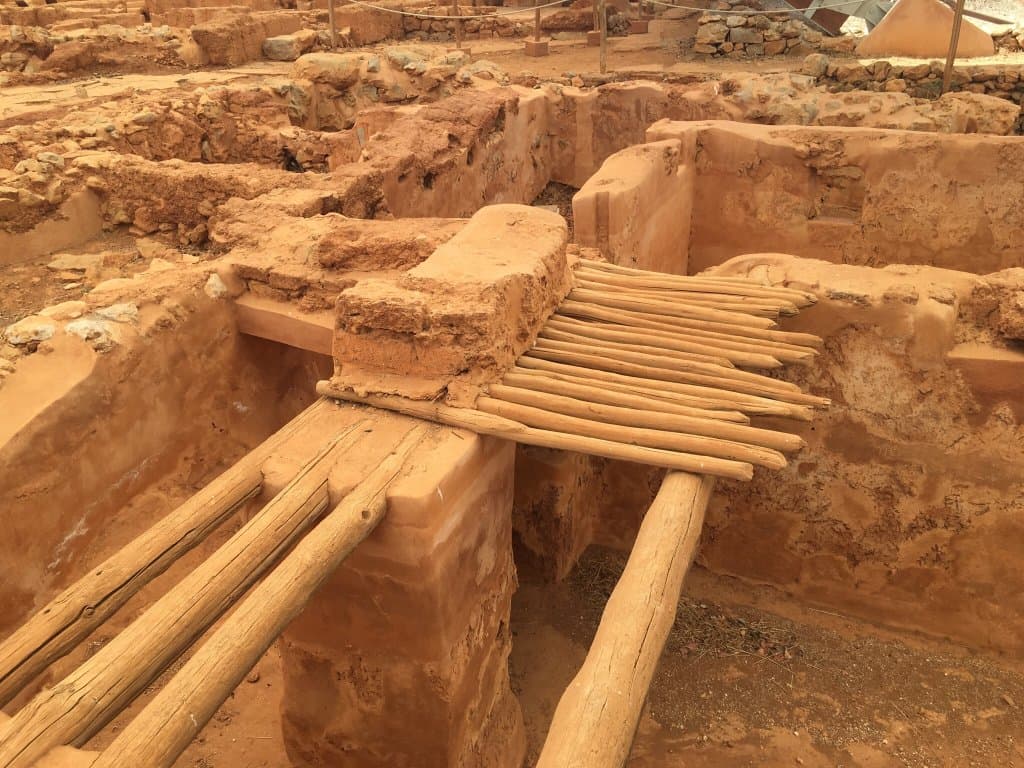
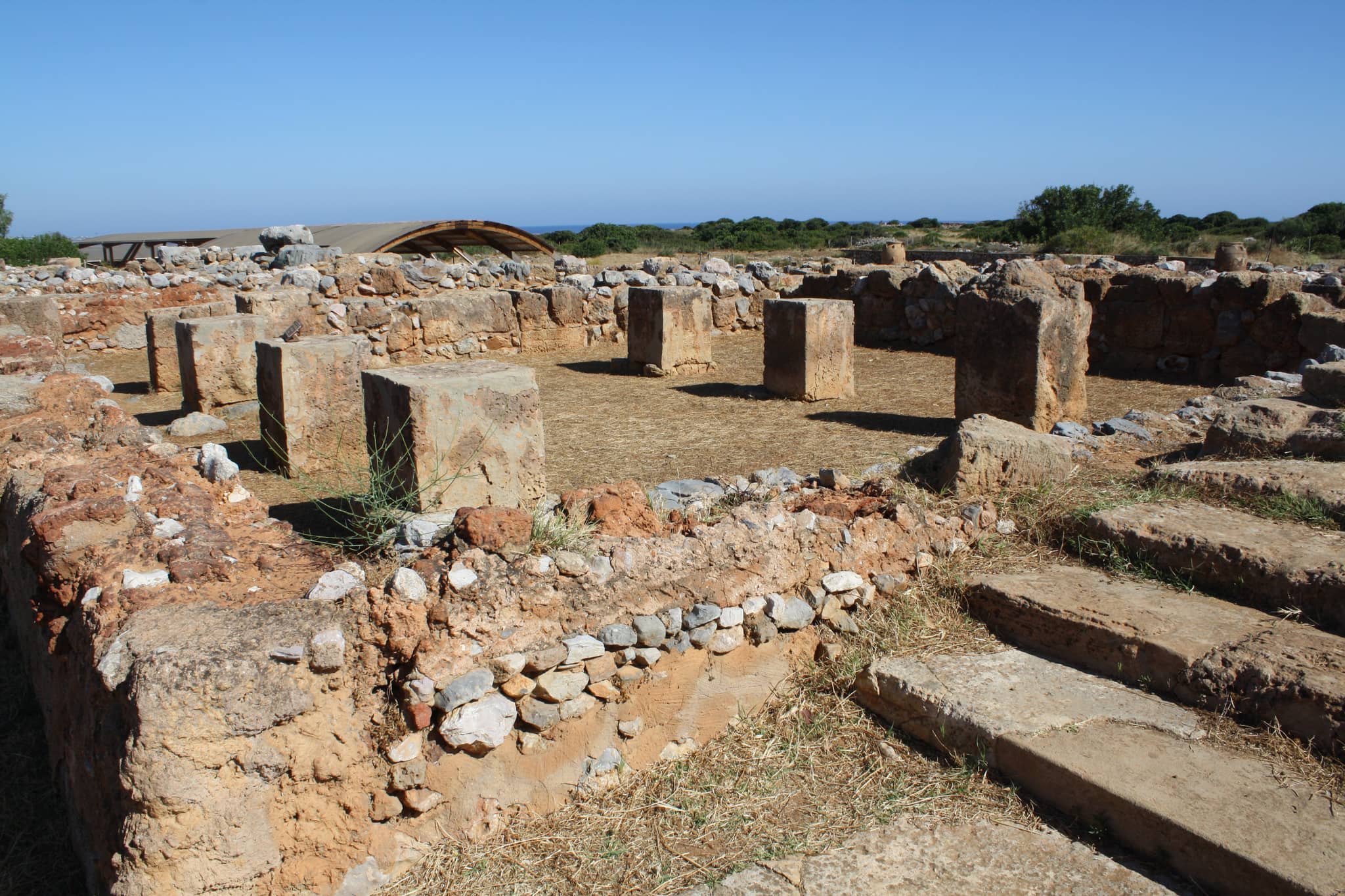
Explore the remains of a sprawling Minoan palace, a significant archaeological discovery.
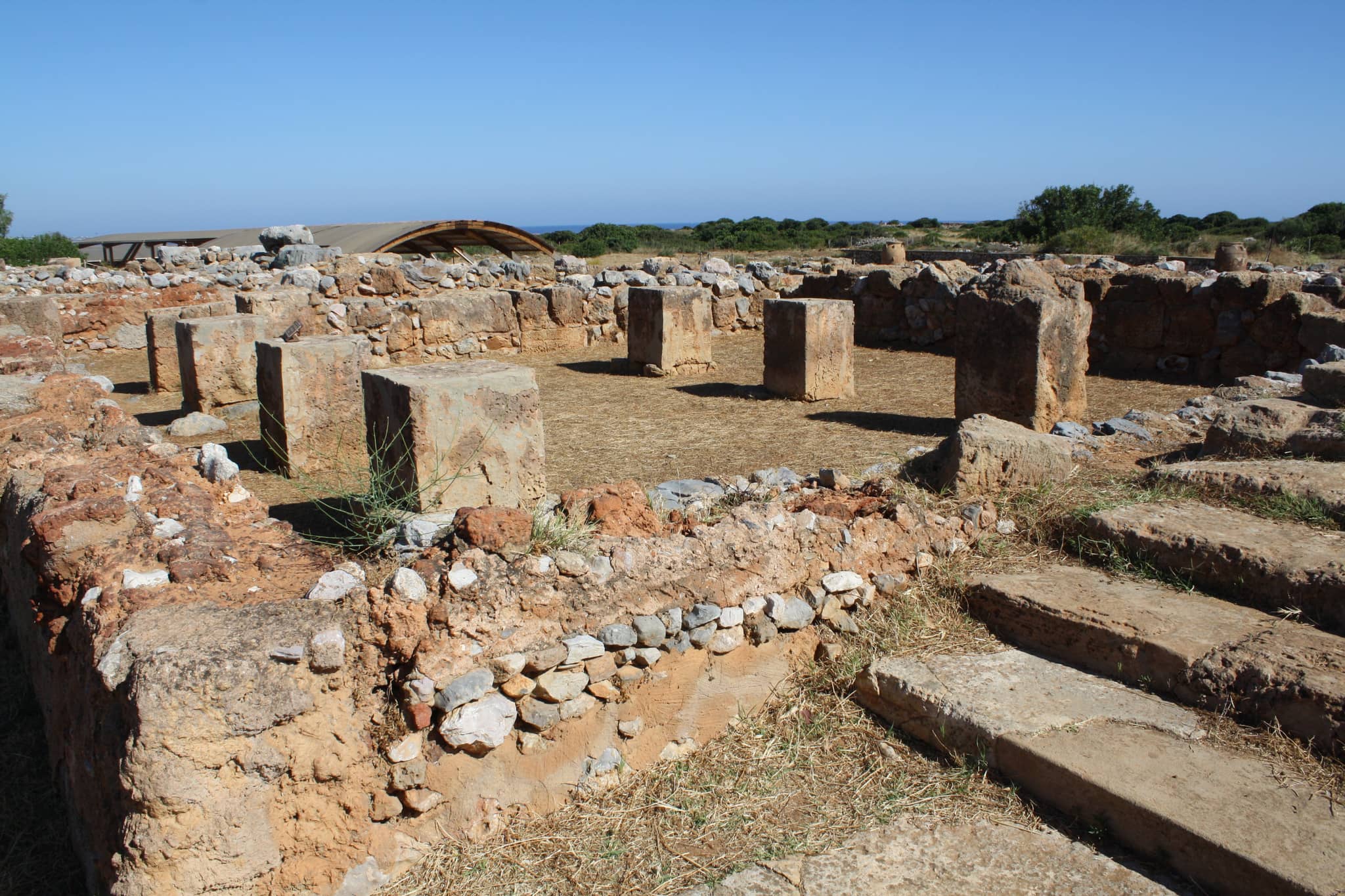
Quartier Mu
North-west of the palace
Discover ancient workshops, shops, and houses in this well-preserved artisanal area.
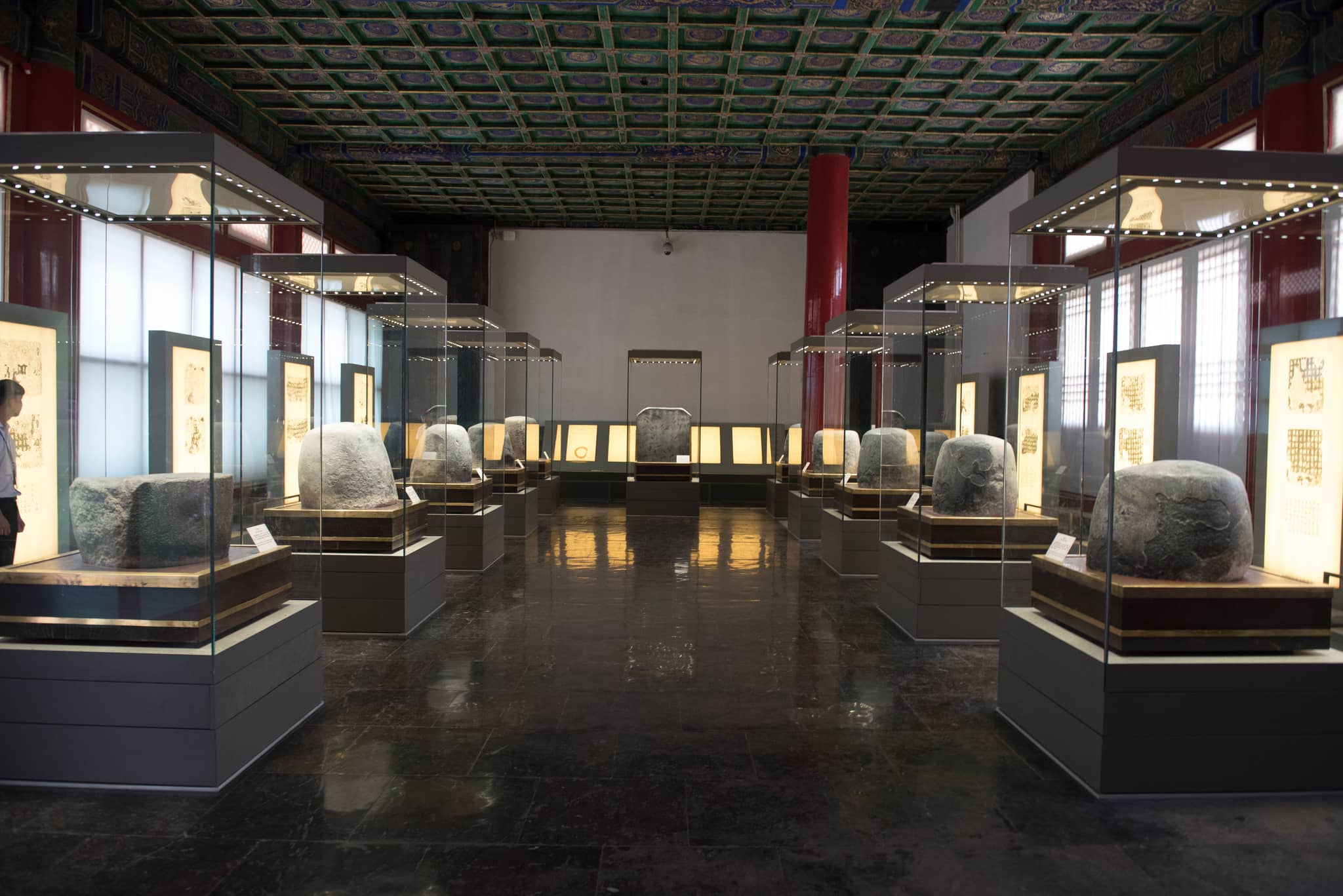
Informative Indoor Space
Entrance area
View photos and explanations in multiple languages detailing the site's history and discoveries.
Plans like a pro.
Thinks like you
Planning Your Visit
Timing is Key for Exploration
Enhance Your Visit with Info
Best Times
Insider Tips
from TikTok, Instagram & Reddit
Download Site Info
Use your smartphone for site info to understand the ruins better. :iphone:
Check for Closures
Some areas may be closed for maintenance. Plan your visit accordingly. 🚧
Arrive Early
Avoid midday sun and potential rush before closing. 🌅
Respect Ropes
Be mindful of roped-off areas to avoid accidental entry. :noentrysign:
Tips
from all over the internet
Download Site Info
Use your smartphone for site info to understand the ruins better. :iphone:
Check for Closures
Some areas may be closed for maintenance. Plan your visit accordingly. 🚧
Arrive Early
Avoid midday sun and potential rush before closing. 🌅
Respect Ropes
Be mindful of roped-off areas to avoid accidental entry. :noentrysign:
Explore Quartier Mu
Don't miss the ancient workshops and houses north-west of the palace. :hammerandwrench:
What Travellers Say
Reviews Summary
Visitors find the Palace of Malia to be a very interesting and well-preserved archaeological site, offering a glimpse into Minoan civilization. While some areas may be closed for maintenance and navigation can occasionally be tricky, the informative displays and the historical significance make it a worthwhile visit for history lovers.
"Very interesting.
Unfortunately some areas were closed due to maintenance. Plus we had to rush a little bit as we arrived shortly before they close.
However the staff was very friendly and reopened so we could have a quick tour."
Tobias Hausner
"I will make the same comment as to other archeological sites in Crete: for the entry fee, the site should be more visitor-centered, including additional notes, maps or labels tourists could read and enjoy along the way.
Malia is quite a remarkable site to visit, very well preserved and with a lot of surface to cover. However, the entry shows a very well organized center that quickly becomed a bit disorganized: the ruin areas are limited by ropes which are difficult to find and a lot of the site is actually closed for cover renovations (or that's what it looked like). Anyhow, one of the key Minoan sites to visit in Crete."
João Duarte
"Well worth a visit found it very interesting and more excavations are currently taking place this place is a must if you love history"
ROBERT HARPER
What People Like
What People Dislike
Frequently Asked Questions
🚇 🗺️ Getting There
You can travel from Chania to Malia via bus. While specific details can be scarce, look for intercity bus services (KTEL) that connect major towns in Crete. It's advisable to check the latest schedules closer to your travel date as routes and timings can change.
Yes, there is good parking available nearby the archaeological site, making it convenient for visitors arriving by car.
Absolutely! The Palace of Malia is a popular day trip destination from Heraklion. It's relatively close, and you can easily reach it by car or public transport.
For exploring other parts of Crete, like Hersonissos or Agios Nikolaos, buses are a common and affordable option. Renting a car also offers more flexibility for discovering hidden gems.
While not explicitly mentioned in all sources, many archaeological sites in Crete offer guided tours. It's worth inquiring at the site or checking local tour operator websites for availability and booking options.
🎫 🎫 Tickets & Entry
Opening hours can vary seasonally. It's best to check the official archaeological site website or local tourist information for the most up-to-date hours, especially as some areas might be closed for maintenance.
The entry fee for the Palace of Malia is generally considered reasonable for an archaeological site. For the most accurate pricing, consult the official site or local tourist resources.
While advance ticket purchase might not always be necessary for this site, it's a good practice for popular attractions. Check the official website for any online booking options to save time.
Many archaeological sites offer discounted entry for students and seniors. It's advisable to bring your ID and inquire at the ticket counter about any available concessions.
Arriving shortly before closing can lead to a rushed experience, as you might not have enough time to explore thoroughly. Some staff might be accommodating, but it's best to plan for a longer visit.
🎫 🏛️ Onsite Experience
The Palace of Malia is renowned as the third-largest Minoan palatial site on Crete, dating back to around 1650 BCE. It features well-preserved ruins of the palace, workshops, houses, and shops. 
Comfortable walking shoes are essential as you'll be walking on uneven terrain. Light, breathable clothing is recommended due to the Mediterranean sun.
The site has an informative indoor space and good parking. While a cafe was noted as shut during one visit, it's worth checking if it's operational. Restroom facilities are typically available.
Photography is generally allowed at archaeological sites, but always be respectful of the ruins and other visitors. Avoid using flash in enclosed areas if signs indicate so.
Quartier Mu is a significant residential and artisanal area located to the north-west of the main palace. It contains remains of houses, shops, and laboratories where ancient crafts were produced.
📸 📸 Photography
The sprawling ruins themselves offer numerous photographic opportunities. Capture the scale of the palace, the details of the Quartier Mu, and the interplay of ancient stone with the Cretan landscape.
Drone usage is typically restricted at archaeological sites to protect the heritage and for safety reasons. It's best to assume it's not permitted unless explicitly stated otherwise.
Early morning or late afternoon light provides softer, more dramatic shadows that can enhance the texture and atmosphere of the ruins. Golden hour can be particularly beautiful.
While general photography is allowed, be mindful of any signs prohibiting flash photography in specific areas or structures. Also, respect any roped-off sections.
Focus on the overall structures and landscape. Close-up shots of artifacts or inscriptions might be restricted or require special permission to avoid damage and preserve the site.




Social
from TikTok, Instagram & Reddit