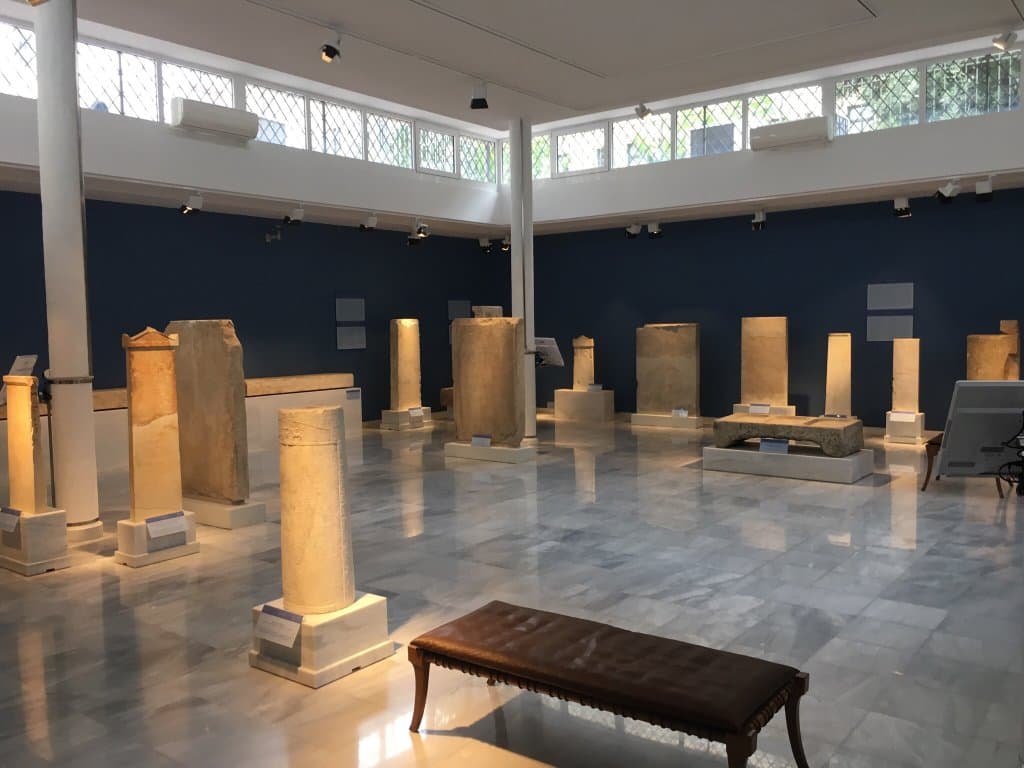
Epigraphic Museum Athens
Athens' Epigraphic Museum showcases ancient Greek inscriptions, from laws to epitaphs, offering a unique textual journey into antiquity.
Highlights
Must-see attractions

Social
From TikTok & Reddit
Best Time
Fewer crowds, better focus
Epigraphic Museum Athens
Best Time
Fewer crowds, better focus
Highlights
Must-see attractions
Athens' Epigraphic Museum showcases ancient Greek inscriptions, from laws to epitaphs, offering a unique textual journey into antiquity.
"A must-visit for anyone who knows Ancient Greek – put your skills to the test!"
Bring your Ancient Greek!
Put your reading skills to the test! This museum is perfect for those who know Ancient Greek.
Check Opening Hours
Hours can be tricky. Always verify before your visit to avoid disappointment.
Quick Facts
Hours
Rating
4.7 · 383 reviews
Type
Museum
Website
epigraphicmuseum.grHighlights
Discover the most iconic attractions and experiences
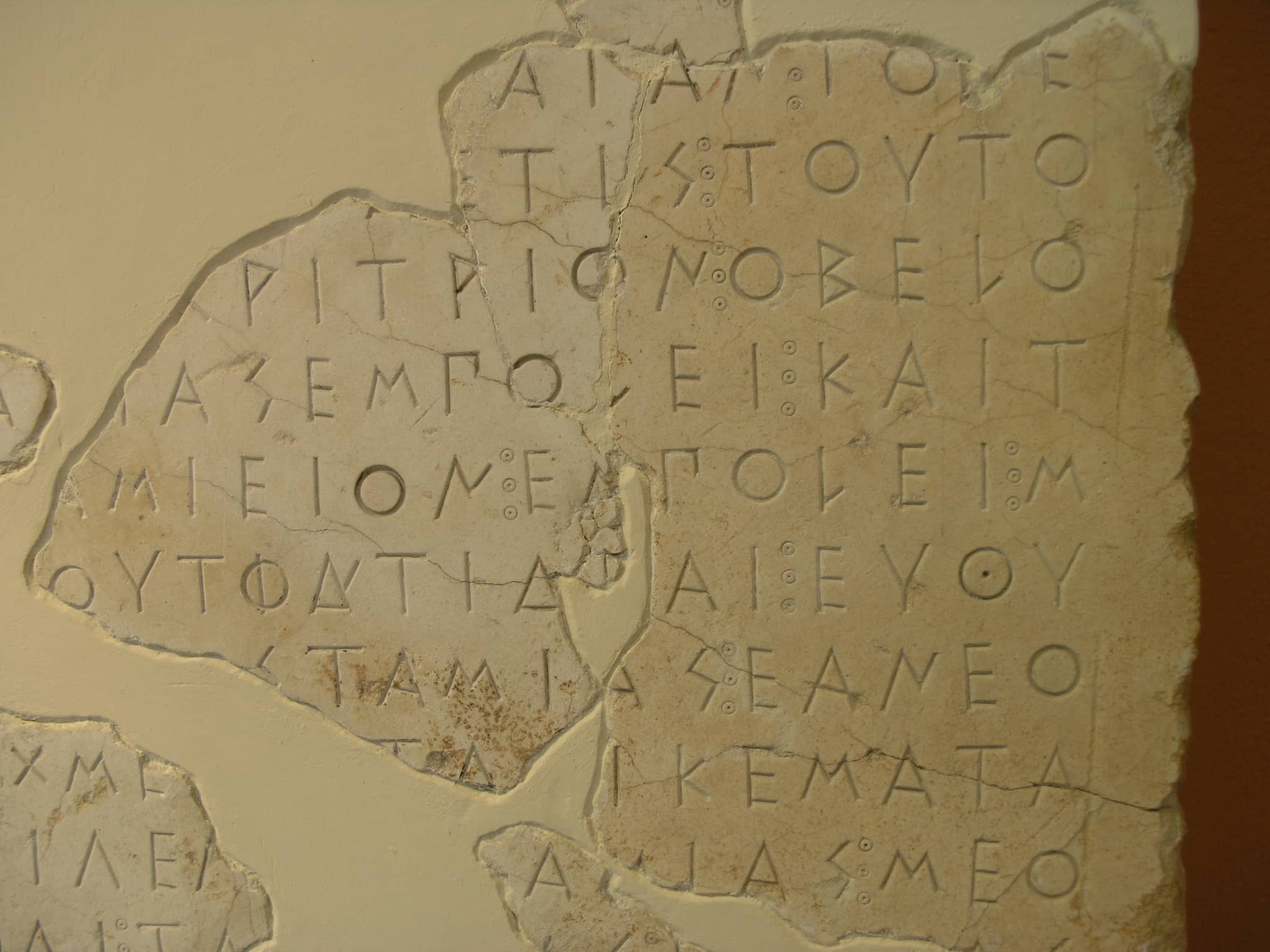
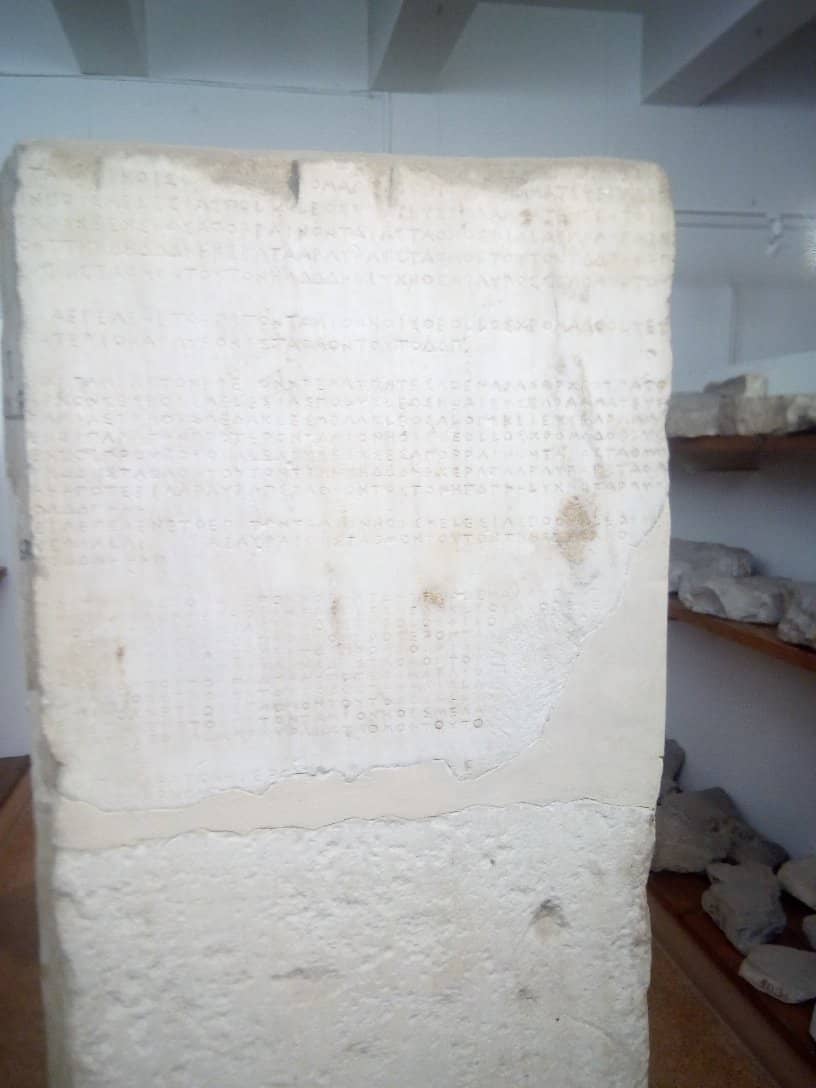
Sacred Laws & Decrees
Main Exhibition Halls
See ancient laws etched in stone, offering a direct glimpse into Athenian civic life and governance.
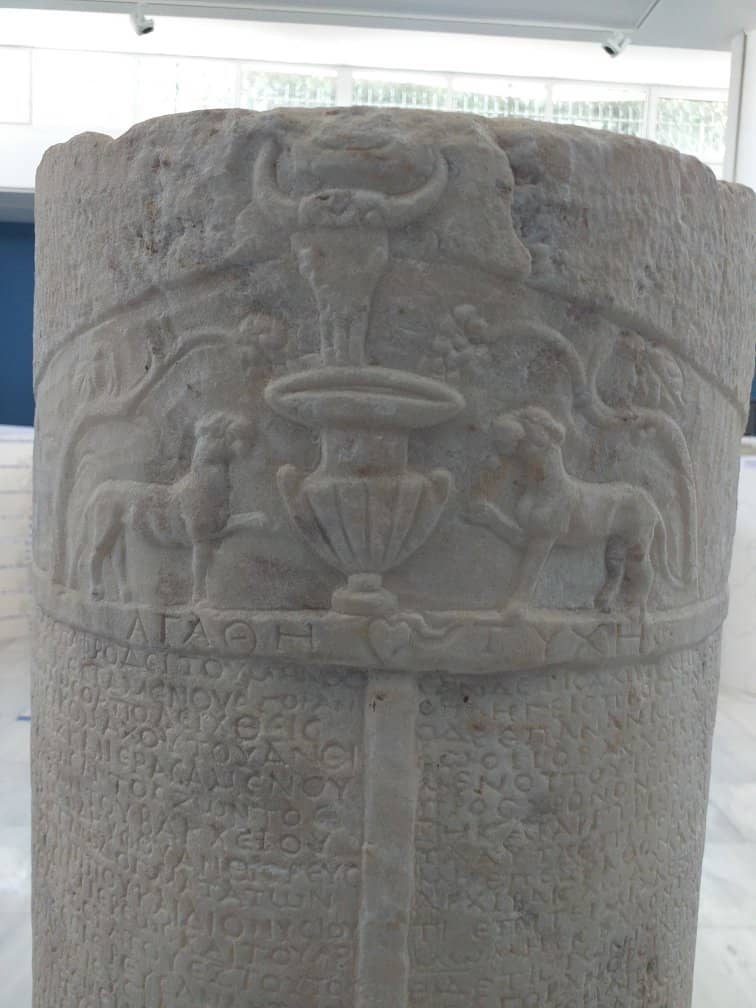
Funerary Epigrams
Main Exhibition Halls
Read poignant epitaphs and learn about ancient Greek burial customs and personal sentiments.
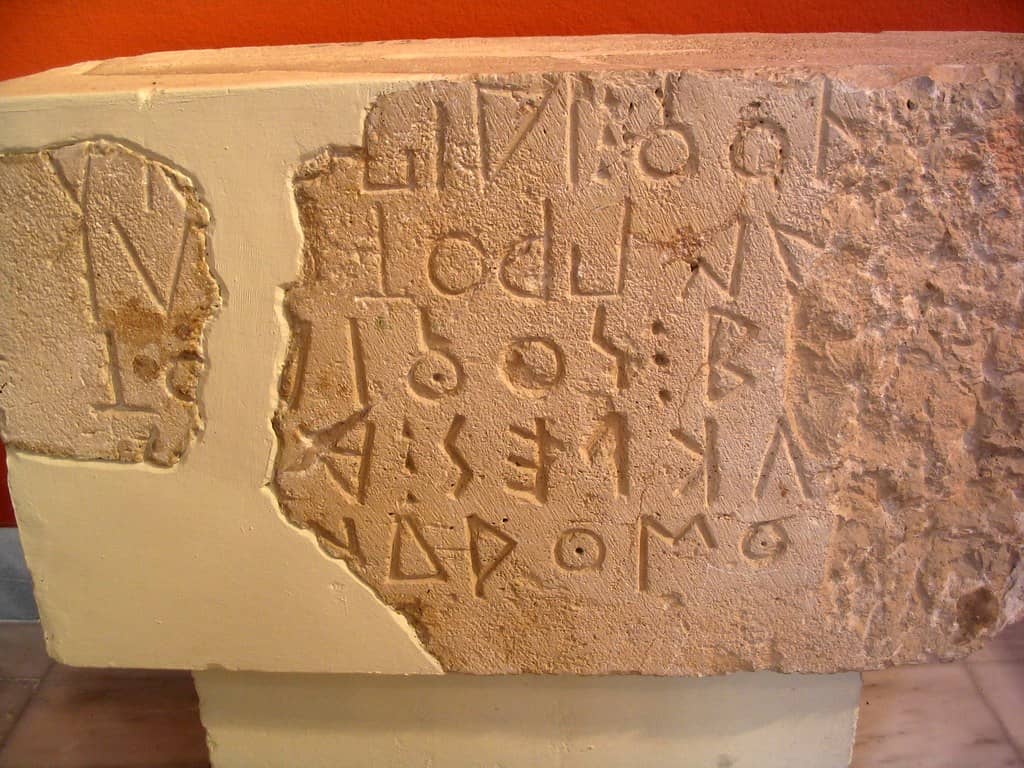
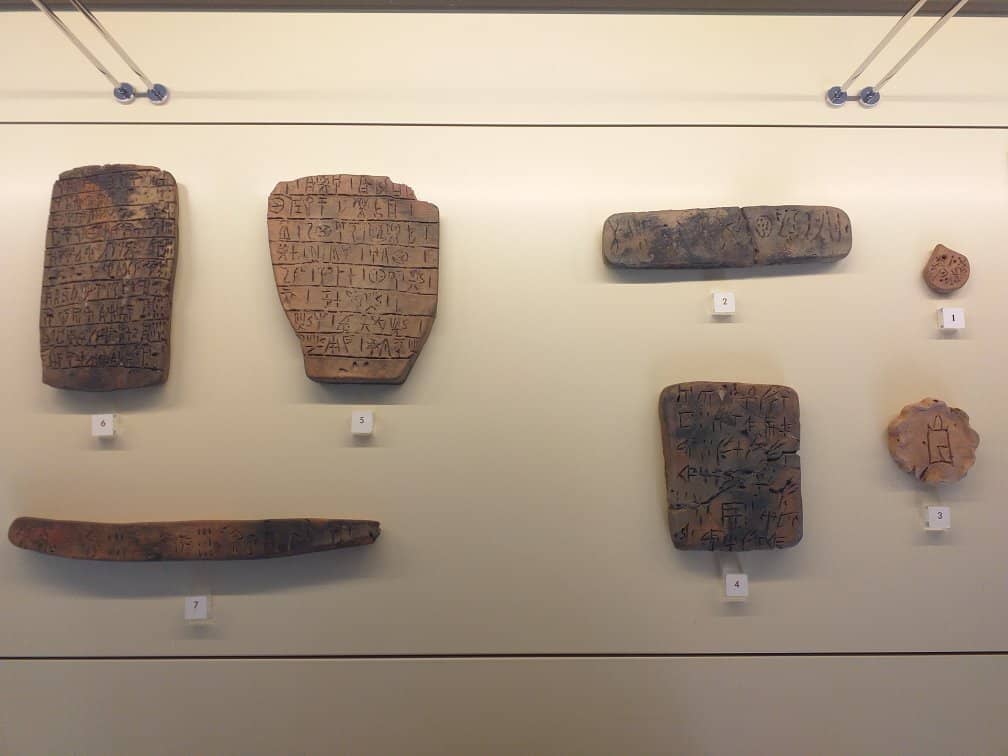
Early Inscriptions
Collection Highlights
Discover some of the oldest surviving Greek inscriptions, showcasing the evolution of the alphabet.
Plans like a pro.
Thinks like you
Planning Your Visit
Focus on Inscriptions
Combine with Nearby Sites
Best Times
Insider Tips
from TikTok, Instagram & Reddit
Bring your Ancient Greek!
Put your reading skills to the test! This museum is perfect for those who know Ancient Greek.
Check Opening Hours
Hours can be tricky. Always verify before your visit to avoid disappointment.
Combine with NAM
It's right next to the National Archaeological Museum. Visit both for a deep dive!
Focus on the Text
The beauty is in the inscriptions themselves. Take your time to decipher them.
Tips
from all over the internet
Bring your Ancient Greek!
Put your reading skills to the test! This museum is perfect for those who know Ancient Greek.
Check Opening Hours
Hours can be tricky. Always verify before your visit to avoid disappointment.
Combine with NAM
It's right next to the National Archaeological Museum. Visit both for a deep dive!
Focus on the Text
The beauty is in the inscriptions themselves. Take your time to decipher them.
What Travellers Say
Reviews Summary
The Epigraphic Museum is a highly specialized gem for those with a keen interest in ancient Greek inscriptions. Visitors praise its unique collection and the opportunity to engage directly with historical texts. However, its niche focus means it may not appeal to everyone, and checking opening hours is crucial.
"Α very important museum with very friendly clerks. Not only you can learn new things but also to remember things that you already knew and you want to revise. I was lucky and I attend a guided tour with a very well educated person.
Nonetheless a few years before no one could visit this particular museum because drug addicts were all around the Tositsa road nowadays it seems good."
MARIA EFRAIMIDOU
"This museum has many pieces, but they're all pretty much in a couple categories: statues, grave stone things, LOTS of pottery and some jewelry. The most interesting looking places were closed off. Unless you're REALLY into pitchers, pots and all things that are vessels, not a place I would stop to see."
Erin
"The collections are expansive, and very neatly organsied and lit. Advantage is that it's clean and quiet meaning you could even study there if you want to. The roof upstairs and outside has no descriptions, safety markings or seating areas making it almost impossible to understand"
Supreeth Prashanth
What People Like
What People Dislike
Frequently Asked Questions
🚇 🗺️ Getting There
The Epigraphic Museum is located in central Athens, near the National Archaeological Museum. You can easily reach it by metro to Omonia or Victoria station, followed by a short walk. Taxis and ride-sharing services are also readily available.
Yes, it is very accessible by public transport. The nearest metro stations are Omonia and Victoria, both within walking distance.
From the Acropolis, you can take the metro (Line 2 from Acropoli station to Omonia station) and then walk to the museum. Alternatively, a taxi or bus would also be convenient.
Parking in central Athens can be challenging. It's generally recommended to use public transport or a taxi rather than driving your own car.
Yes, it's within walking distance of the National Archaeological Museum. It's also a moderate walk from Omonia Square and Syntagma Square.
🎫 🎫 Tickets & Entry
Opening hours can vary, so it's crucial to check the official website or call ahead before your visit. Generally, it's open during weekdays and sometimes on weekends, with shorter hours in winter.
Admission fees are typically modest. Check the museum's official website for the most current pricing information, as well as any potential discounts for students or seniors.
For most visits, advance booking is not required, especially during off-peak times. However, if you are visiting with a large group or during peak tourist season, it might be advisable to inquire about group bookings.
While there isn't a specific combined ticket for the Epigraphic Museum, it's often visited in conjunction with the National Archaeological Museum, which is right next door. Inquire at the ticket counter for any potential package deals.
Weekday mornings are generally the least crowded times to visit. Visiting right when it opens or later in the afternoon after the main rush can also offer a more peaceful experience.
🎫 🏛️ Onsite Experience
The museum is renowned for its extensive collection of ancient Greek inscriptions, covering a vast range of historical periods and subjects, from laws and decrees to poetry and epitaphs.
Yes, many inscriptions are accompanied by transcriptions and translations, making them accessible to visitors. However, a basic knowledge of Ancient Greek greatly enhances the experience.
A focused visit for those interested in epigraphy might take 1-2 hours. If you plan to read and study the inscriptions in detail, you could spend longer.
Information on guided tours can be limited. It's best to check the museum's official website or inquire at the information desk upon arrival for any available tour options or audio guides.
While the primary focus is inscriptions on stone, you might also find related artifacts like writing tools, seals, or architectural fragments that complement the epigraphic displays.
📸 📸 Photography
Photography policies can vary. Generally, non-flash photography for personal use is permitted, but it's always best to check for specific signage or ask museum staff to confirm.
Focus on the intricate details of the inscriptions themselves, the texture of the stone, and any particularly well-preserved or historically significant texts.
Yes, commercial photography or filming usually requires special permission and may incur fees. Always inquire with the museum administration beforehand.
Natural light is often best. Avoid using flash as it can create glare and obscure the details of the inscriptions. Consider visiting during daylight hours.
Yes, photography of the museum's exterior is generally allowed. It's a good opportunity to capture the building itself as part of your visit.
You may also like

Anafiotika Athens

Numismatic Museum of Athens

Pedion tou Areos Athens

Syntagma Square Athens

Hellenic Motor Museum Athens

National Historical Museum (Old Parliament) Athens
Anafiotika Athens
Numismatic Museum of Athens
Pedion tou Areos Athens
Syntagma Square Athens
Hellenic Motor Museum Athens
National Historical Museum (Old Parliament) Athens

National Archaeological Museum Athens
Exarchia Athens
Panepistimiou Avenue Athens

Museum of the City of Athens Athens

Omonia Square Athens

Social
from TikTok, Instagram & Reddit