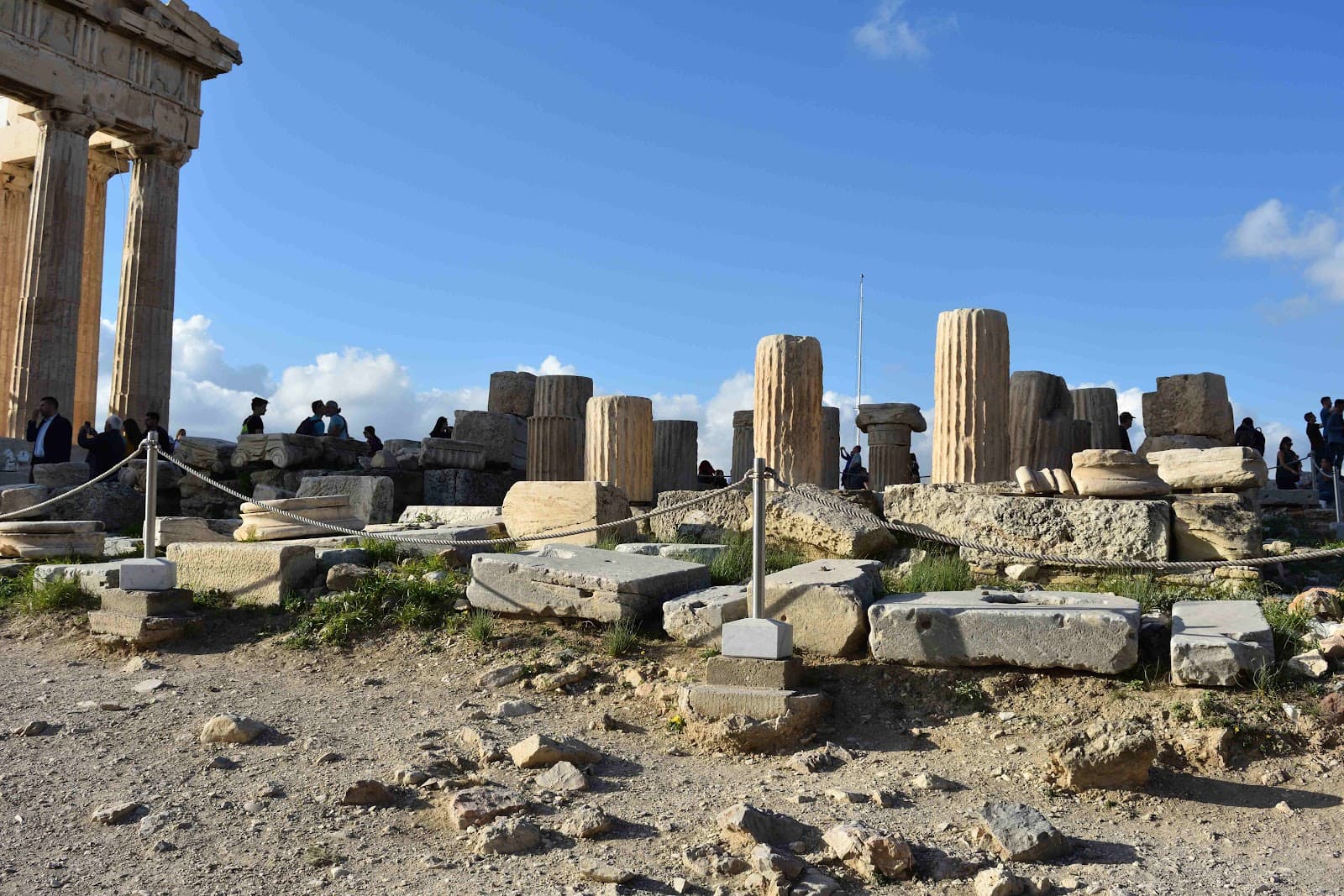
Temple of the Divine Augustus
A significant remnant of Roman imperial worship, offering stunning Forum views and a glimpse into medieval adaptation.
Highlights
Must-see attractions

Social
From TikTok & Reddit
Best Time
Golden hour light enhances ruins
Temple of the Divine Augustus
Best Time
Golden hour light enhances ruins
Highlights
Must-see attractions
A significant remnant of Roman imperial worship, offering stunning Forum views and a glimpse into medieval adaptation.
"Amazing views of the Forum from here, a testament to ancient grandeur and medieval transformation."
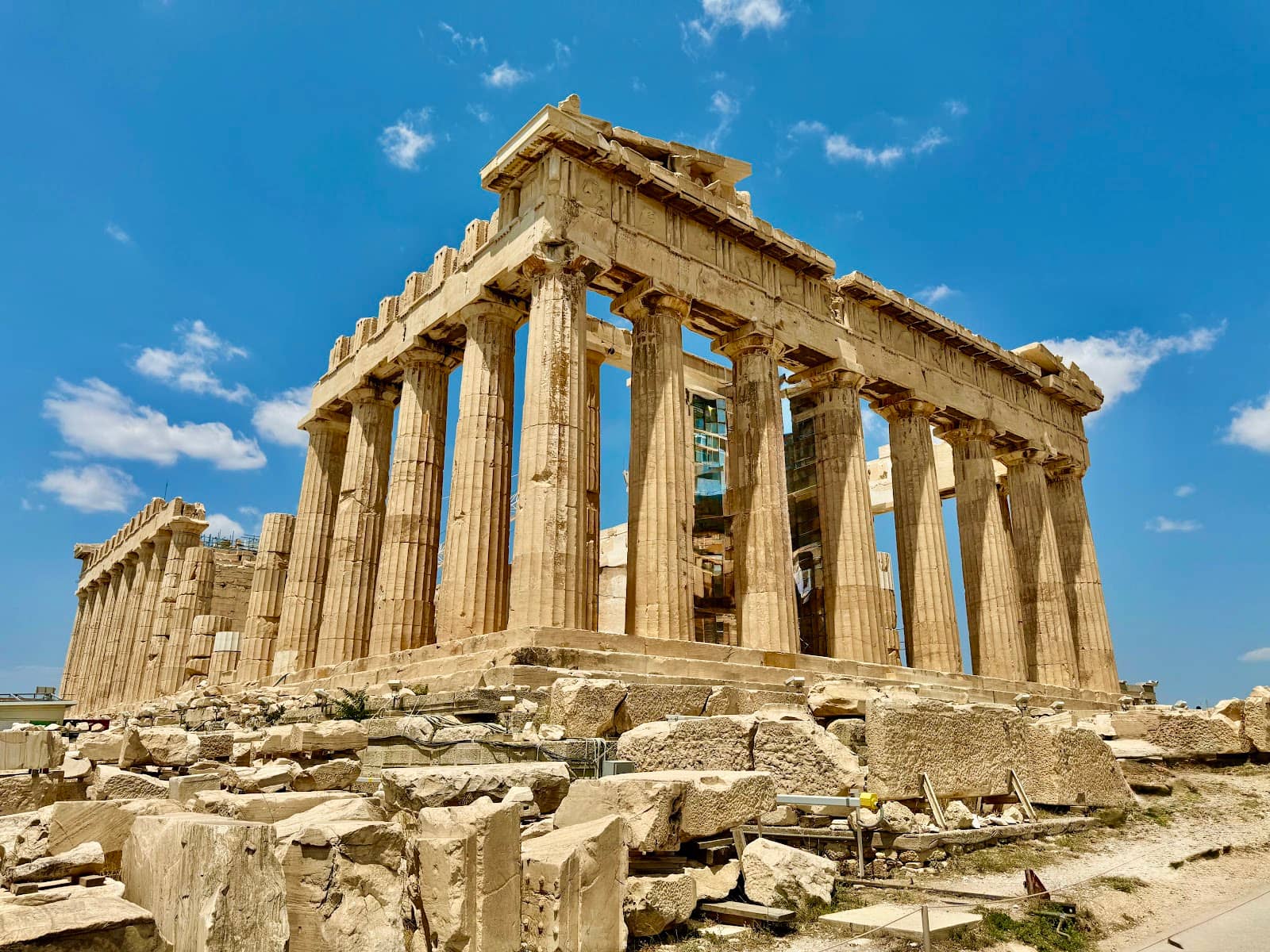
🏛️ Appreciate the History
Focus on the historical context; it's mostly ruins but deeply significant.
🚪 Look for Medieval Traces
Spot the unique green door from its time as a church.
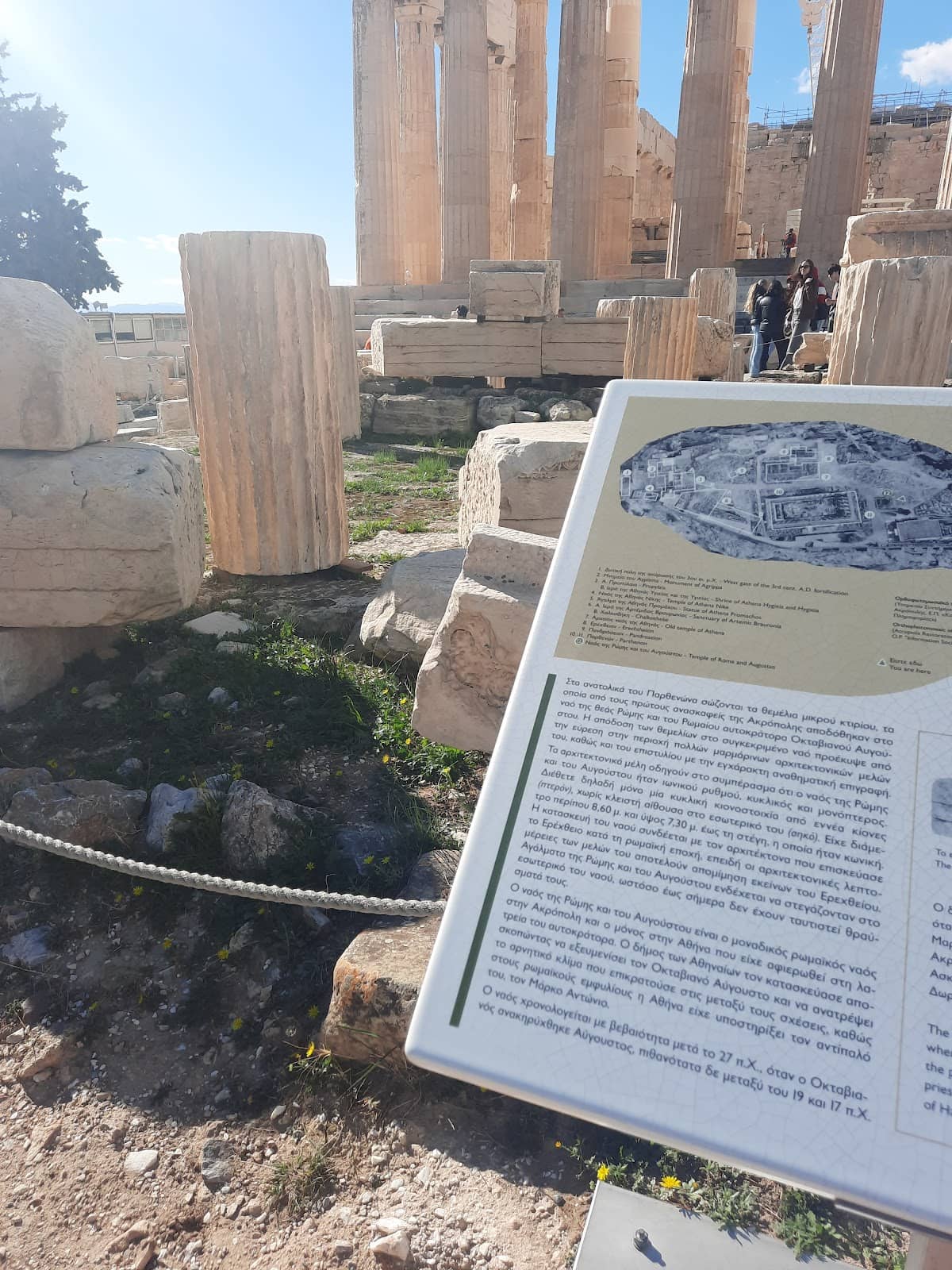
Quick Facts
Rating
4.7 · 108 reviews
Type
Historical Landmark
Highlights
Discover the most iconic attractions and experiences
Architectural Remnants
Roman Forum
Glimpse the grandeur of a once-magnificent temple dedicated to Emperor Augustus, now a testament to time.
Medieval Church Adaptations
Temple structure
See the fascinating medieval green door, a remnant of its time as a Christian church, offering a unique historical layer.
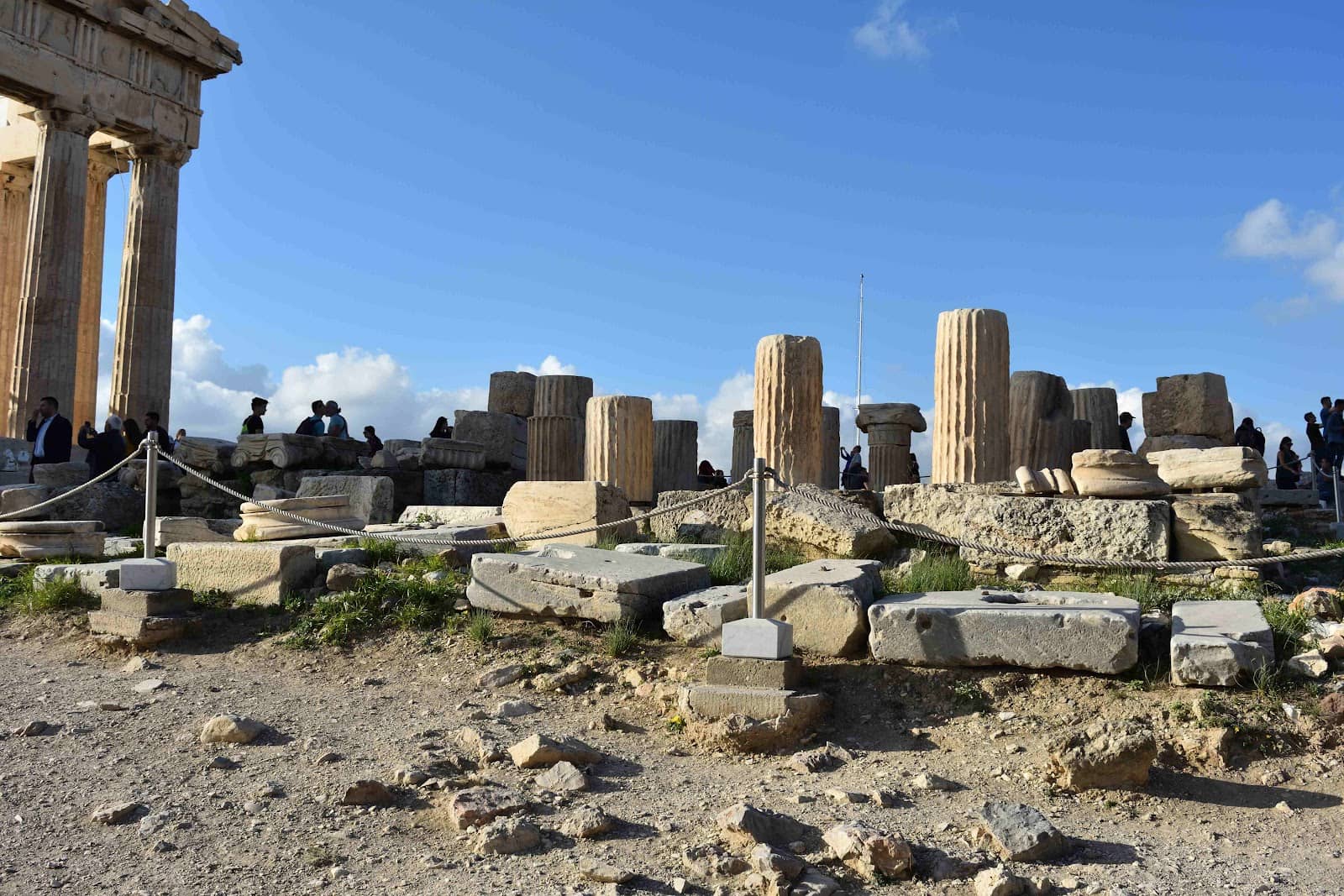
Panoramic Forum Views
Temple site
Enjoy breathtaking vistas of the Roman Forum from this elevated vantage point, especially captivating during ceremonies.
Plans like a pro.
Thinks like you
Planning Your Visit
Ancient Echoes in Modern Rome
Understanding the Ruins
Best Times
Insider Tips
from TikTok, Instagram & Reddit
🏛️ Appreciate the History
Focus on the historical context; it's mostly ruins but deeply significant.
🚪 Look for Medieval Traces
Spot the unique green door from its time as a church.
The Temple of Antoninus and Faustina
I love how you can still see the green door that was put at ground level at the time it was used as a Christian church in medieval times, when the temple was partly buried.
The Roman Forum. Gave me major chills
Make sure you hit Augustus's forum across the street! Particularly the light show they do every night. Really cool way to see it transform from a pile of rocks to what it used to be.
📸 Capture the Views
The views of the Roman Forum are spectacular from here.
⏳ Visit Off-Peak
Fewer crowds allow for a more contemplative experience.
Tips
from all over the internet
🏛️ Appreciate the History
Focus on the historical context; it's mostly ruins but deeply significant.
🚪 Look for Medieval Traces
Spot the unique green door from its time as a church.
📸 Capture the Views
The views of the Roman Forum are spectacular from here.
⏳ Visit Off-Peak
Fewer crowds allow for a more contemplative experience.
What Travellers Say
Reviews Summary
Visitors note that while the Temple of the Divine Augustus is largely in ruins, its historical significance and the spectacular views of the Roman Forum from its site are major draws. The unique medieval adaptations, like the green door, add an interesting layer to its history. It's best appreciated with an understanding of its past grandeur.
"Acts 19:27 KJV
[27] so that not only this our craft is in danger to be set at nought; but also that the temple of the great goddess Diana should be despised, and her magnificence should be destroyed, whom all Asia and the world worshippeth.
Acts 19:35 KJV
[35] And when the townclerk had appeased the people, he said, Ye men of Ephesus, what man is there that knoweth not how that the city of the Ephesians is a worshipper of the great goddess Diana, and of the image which fell down from Jupiter?"
Zoïle Josian
"A spectacular view of the city from here. We also were in time to see the flag lowering ceremony."
S Foo
"Not much left of this temple. Amazing views."
Henri Salmi (Henkka)
What People Like
What People Dislike
Frequently Asked Questions
🚇 🗺️ Getting There
The Temple of the Divine Augustus is located within the Roman Forum. You can reach the Forum via public transport, with several bus lines stopping nearby. Walking from the Colosseum or Palatine Hill is also a popular option for exploring the ancient sites.
Yes, the Temple of the Divine Augustus is situated within the Roman Forum complex. Your ticket to the Roman Forum and Palatine Hill will grant you access to this area.
Many visitors find it helpful to use a map or a guided tour to navigate the vast Roman Forum. Consider downloading an audio guide app or joining a small group tour to understand the significance of the various ruins, including the Temple of the Divine Augustus.
🎫 🎫 Tickets & Entry
No, a separate ticket is not required. Access to the Temple of the Divine Augustus is included with your general admission ticket to the Roman Forum and Palatine Hill.
The Roman Forum, including the Temple of the Divine Augustus, generally opens around 9:00 AM and closes one hour before sunset. It's always best to check the official website for the most up-to-date hours, as they can vary seasonally.
Night visits to the Roman Forum are typically not permitted, as the site closes at sunset. However, special evening events or tours might occasionally be offered, so it's worth checking for any unique opportunities.
📸 📸 Photography
The best photo opportunities are from slightly elevated positions within the Forum, offering a wider perspective of the ruins. Capturing the remaining columns against the sky or framing the Forum views from the temple site are popular choices.
Yes, photography is generally allowed at the Temple of the Divine Augustus and throughout the Roman Forum. However, tripods and professional photography equipment may require special permits, so it's advisable to check the regulations.
For the best light and fewer crowds, aim for early morning or late afternoon. The golden hour light can beautifully illuminate the ancient stones and provide stunning views of the Roman Forum.
Social
from TikTok, Instagram & Reddit