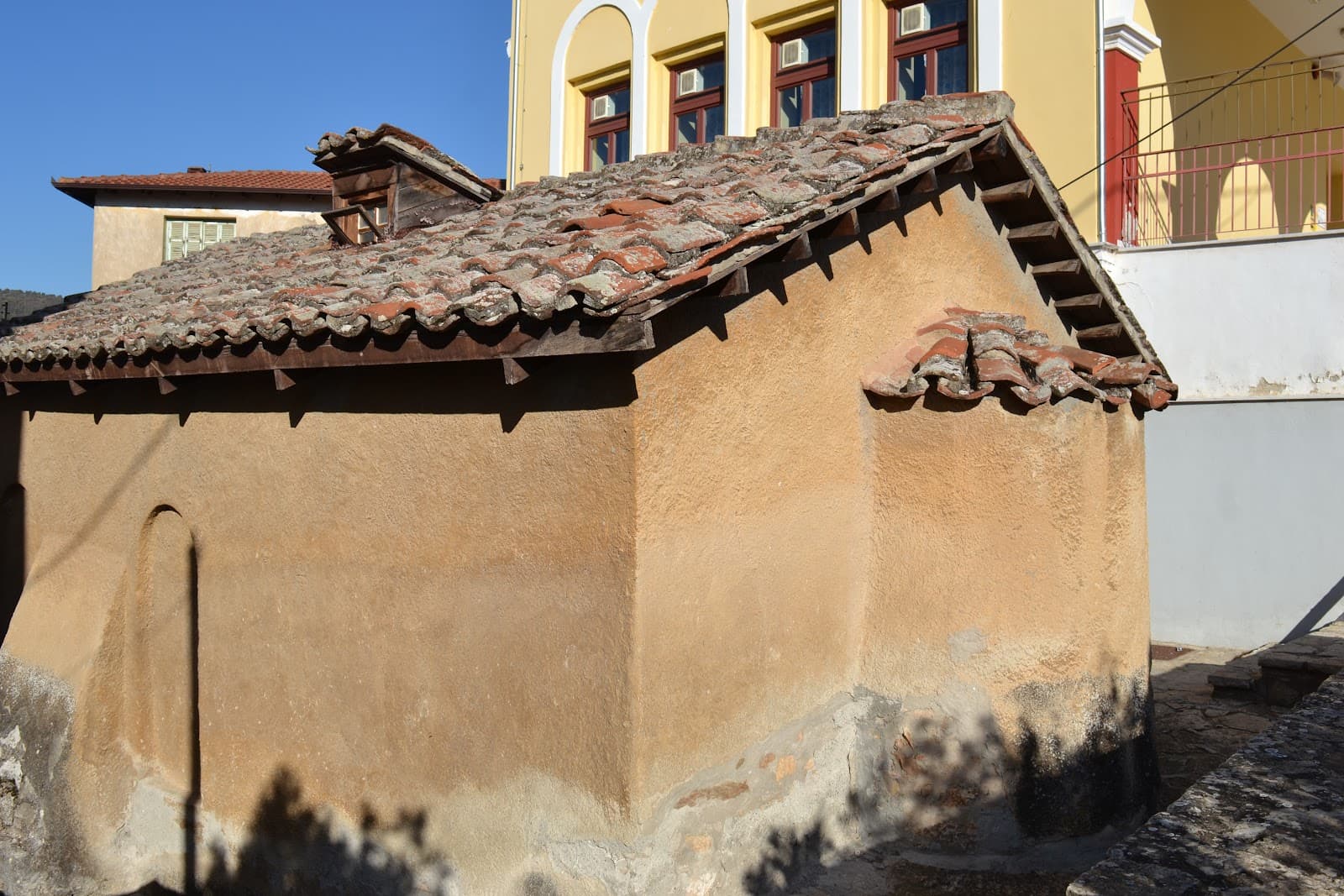
Agios Athanasios tou Mouzaki Church
A small Byzantine church in Kastoria, renowned for its exquisite 14th-century Palaiologan frescoes and historical connection to the Mouzakis family.
Highlights
Must-see attractions

Social
From TikTok & Reddit
Best Time
See frescoes clearly
Agios Athanasios tou Mouzaki Church
Best Time
See frescoes clearly
Highlights
Must-see attractions
A small Byzantine church in Kastoria, renowned for its exquisite 14th-century Palaiologan frescoes and historical connection to the Mouzakis family.
"A hidden gem showcasing the artistic brilliance of Kastoria's prosperous 14th century."
📸 Appreciate the Art
Take time to admire the detailed Palaiologan frescoes, a highlight of Byzantine art.
🏛️ Historical Context
Learn about the Mouzakis family and the church's role in Kastoria's rich history.

Quick Facts
Rating
4 · 1 reviews
Type
Church
Highlights
Discover the most iconic attractions and experiences
Palaiologan Frescoes
Vibrant 14th-century frescoes depicting Christ's life and Passion, attributed to a renowned workshop.
Deesis Representation
Unique depiction of Christ as the Great High Priest and the Virgin Mary in imperial robes.

Mouzakis Family Legacy
The church stands as a testament to the patronage of the Mouzakis family, the last rulers before the Turkish conquest.
Plans like a pro.
Thinks like you
Planning Your Visit
Timing Your Visit
Understanding Its Significance
Best Times
Insider Tips
from TikTok, Instagram & Reddit
📸 Appreciate the Art
Take time to admire the detailed Palaiologan frescoes, a highlight of Byzantine art.
🏛️ Historical Context
Learn about the Mouzakis family and the church's role in Kastoria's rich history.
🤫 Quiet Reflection
This is a place for quiet contemplation; be mindful of its sacred nature.
Tips
from all over the internet
📸 Appreciate the Art
Take time to admire the detailed Palaiologan frescoes, a highlight of Byzantine art.
🏛️ Historical Context
Learn about the Mouzakis family and the church's role in Kastoria's rich history.
🤫 Quiet Reflection
This is a place for quiet contemplation; be mindful of its sacred nature.
What Travellers Say
Reviews Summary
Visitors praise the Agios Athanasios tou Mouzaki Church for its stunning and well-preserved Palaiologan frescoes, highlighting its historical significance as a testament to Kastoria's prosperous 14th-century past and the patronage of the Mouzakis family. It's considered a valuable glimpse into Byzantine art and history.
"Byzantine Church of Saint Athanasius of Mouzakis.
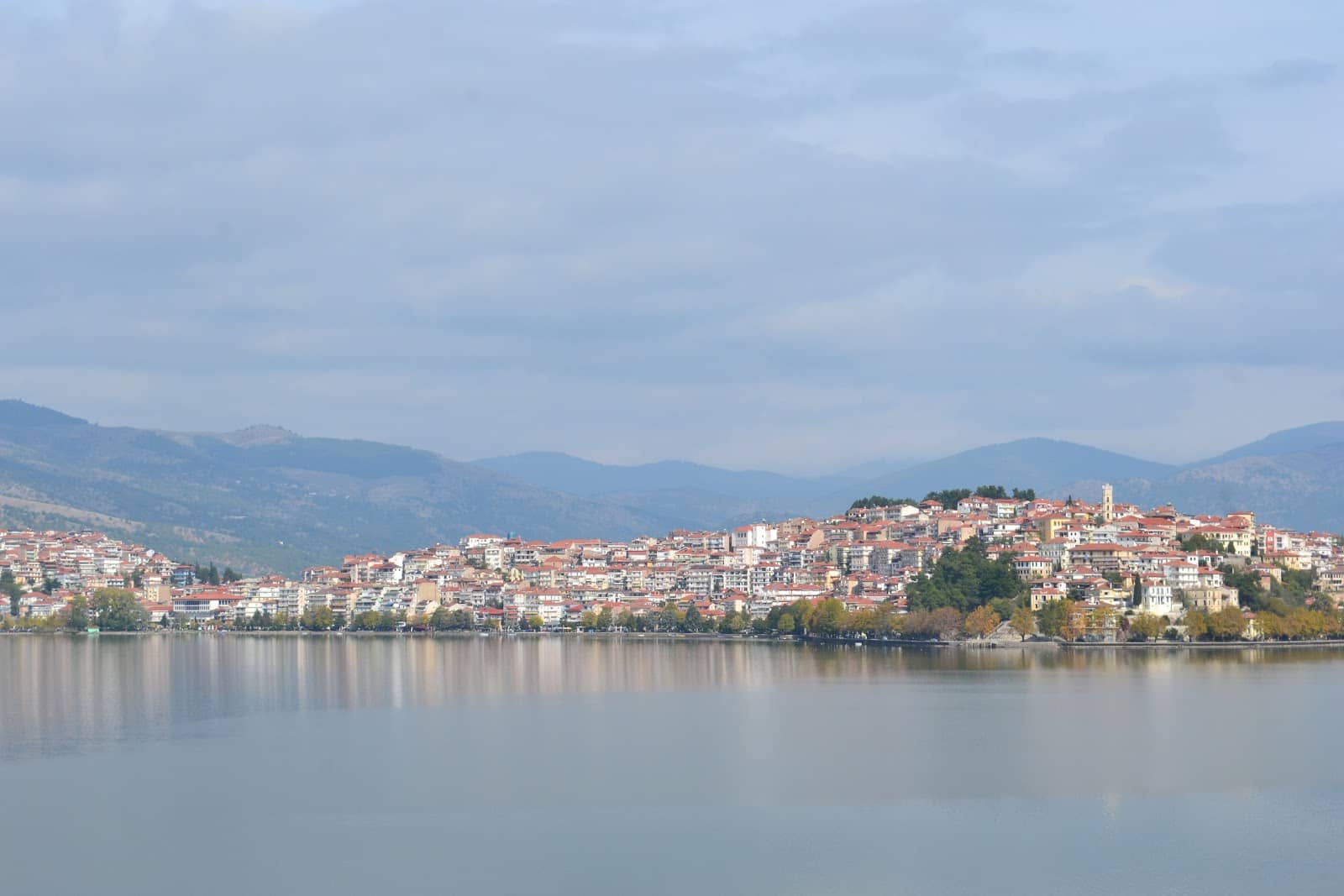
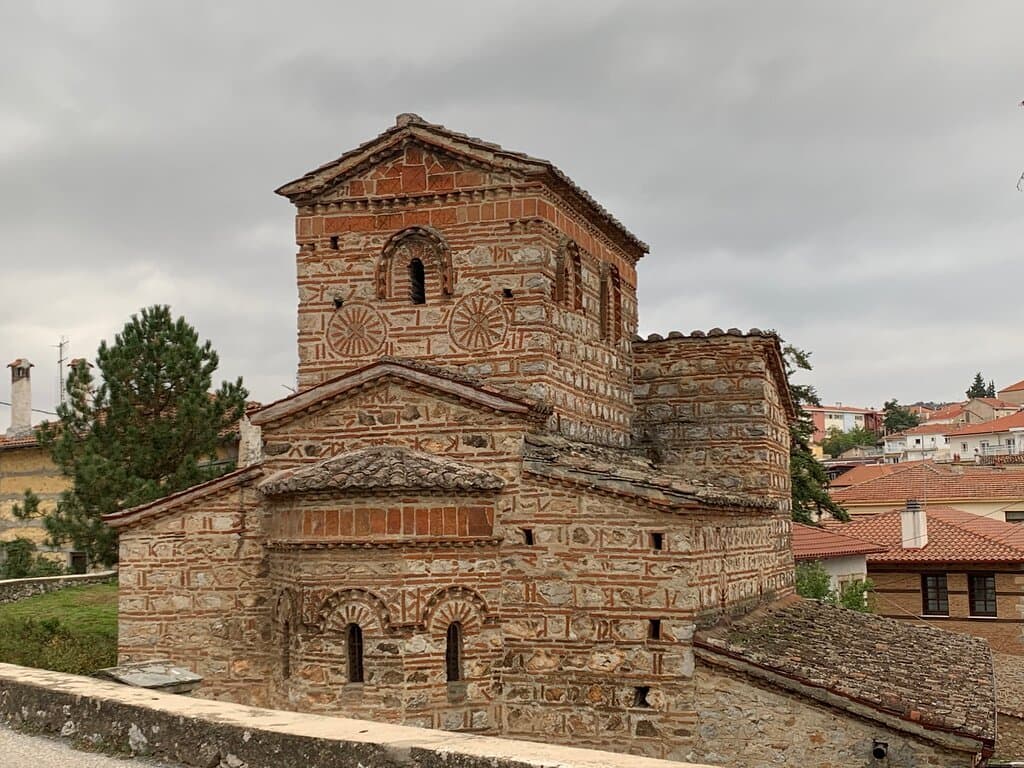
Between the city's cathedral, the elementary school and the newer residences is the humble church of Saint Athanasius of Mouzakis, one of the Byzantine monuments of the wider area, indicative of the radiance and brilliance of a period of great prosperity and rich artistic production that Kastoria experienced during the second half of the 14th century.
According to the founding inscription preserved on its western wall, the church was built and decorated with icons in the years 1383-1384 with the sponsorship of the hieromonk Dionysios and the "authorities" of Kastoria, the brothers Stoias and Theodoros Mouzakis, members of the Albanian Mouzakis family, the last rulers of the city before the Turkish conquest.
It is a small, single-nave, wooden-roofed basilica with a later narthex to the west. Its interior features a rich iconographic program with a strong narrative character. The illustrations include scenes from the life of Christ and His Passion. Of particular interest is also the representation of the Deesis, where Christ is depicted in hierarchal robes as the Great High Priest and the Virgin Mary in imperial robes.
The paleologian frescoes of the church are attributed to a hagiographer's workshop that also painted other churches in the Prespa region and Albania.
The wooden gabled roof is not the original, but a newer reconstruction in the early 1950s and 1980s."
Lefteris Stamatelatos
What People Like
What People Dislike
Frequently Asked Questions
🚇 🗺️ Getting There
The church is located within Kastoria city, situated between the city's cathedral and the elementary school. It's easily accessible on foot if you are already in the city center.
As it's in a central urban area, street parking might be available but can be limited. Consider public transport or walking if staying nearby.
🎫 🎫 Tickets & Entry
Typically, small historical churches like this do not require an entrance fee. It's a place of worship and historical interest.
As a functioning church, it's generally open during daylight hours, though specific times can vary. It's best to visit during the day to appreciate the frescoes.
It's likely open on Sundays and holidays, especially for religious services. However, visiting outside of service times might offer a more peaceful experience for viewing the art.
🎫 🖼️ Onsite Experience
The primary draw is its remarkably preserved Palaiologan frescoes from the late 14th century, showcasing scenes from the life of Christ and a unique Deesis representation.
Photography rules can vary. It's always best to check for signage or ask discreetly if photography is permitted, especially without flash, to preserve the delicate frescoes.
Given its size and focus on frescoes, a visit typically takes about 30 minutes to an hour, allowing time to absorb the art and historical context.
The church is a single-nave basilica with a narthex. While the main area is accessible, older structures may have uneven flooring or steps.
🍽️ 🍽️ Food & Dining
Yes, being in the city center of Kastoria, you'll find numerous tavernas, cafes, and restaurants within walking distance offering local Greek cuisine.
📸 📸 Photography
The interior frescoes are the main photographic subjects. The exterior offers a glimpse of traditional Byzantine architecture.
Yes, but be mindful of lighting conditions and any restrictions on flash photography to protect the artwork.
Social
from TikTok, Instagram & Reddit