Pella Archaeological Site & Museum
Discover Pella, the ancient capital of Macedonia and birthplace of Alexander the Great. Explore stunning mosaics and ruins.
Highlights
Must-see attractions

Social
From TikTok & Reddit
Best Time
Fewer crowds, more peaceful exploration
Pella Archaeological Site & Museum
Best Time
Fewer crowds, more peaceful exploration
Highlights
Must-see attractions
Discover Pella, the ancient capital of Macedonia and birthplace of Alexander the Great. Explore stunning mosaics and ruins.
"Unbelievable interesting history, classical artefacts, beautiful historical building, and heaps of information."
Allocate Enough Time
Don't rush! You'll need several hours to explore both the archaeological site and the museum thoroughly.
Combine Site & Museum
Visiting both the ruins and the museum brings Pella to life and offers a complete historical experience.
Quick Facts
Hours
Rating
4.7 · 2,618 reviews
Type
Museum
Highlights
Discover the most iconic attractions and experiences
The Mosaics of Pella
Museum
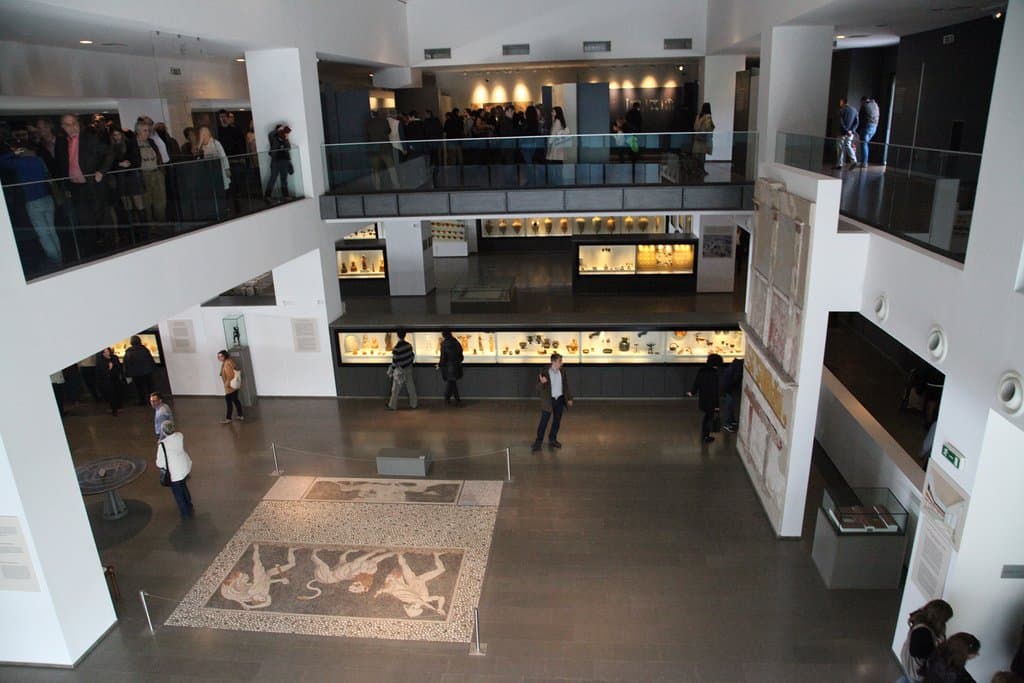
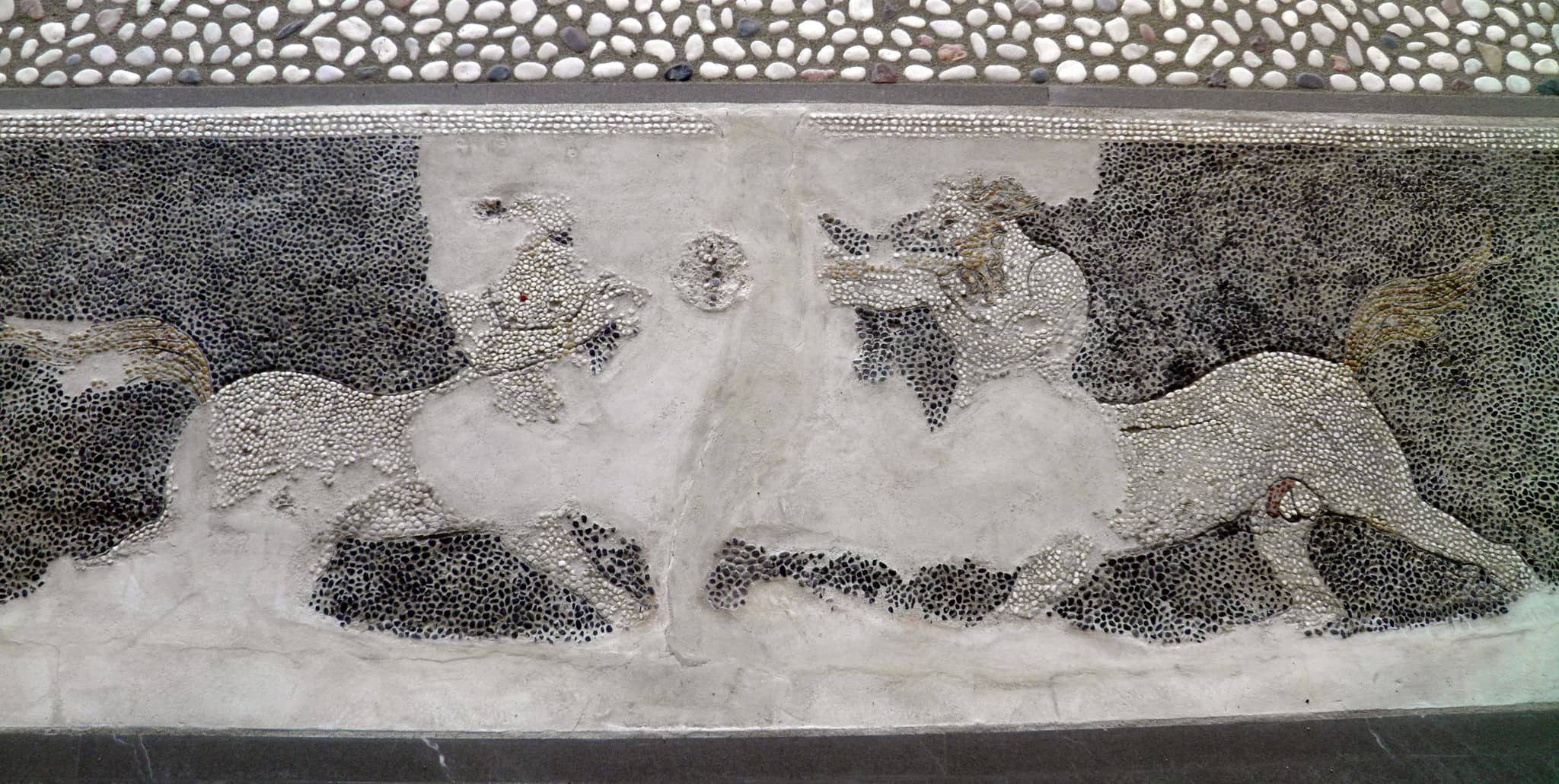
Stunning floor mosaics made from tiny river pebbles, depicting mythological scenes and daily life.
Alexander the Great's Birthplace
Archaeological Site
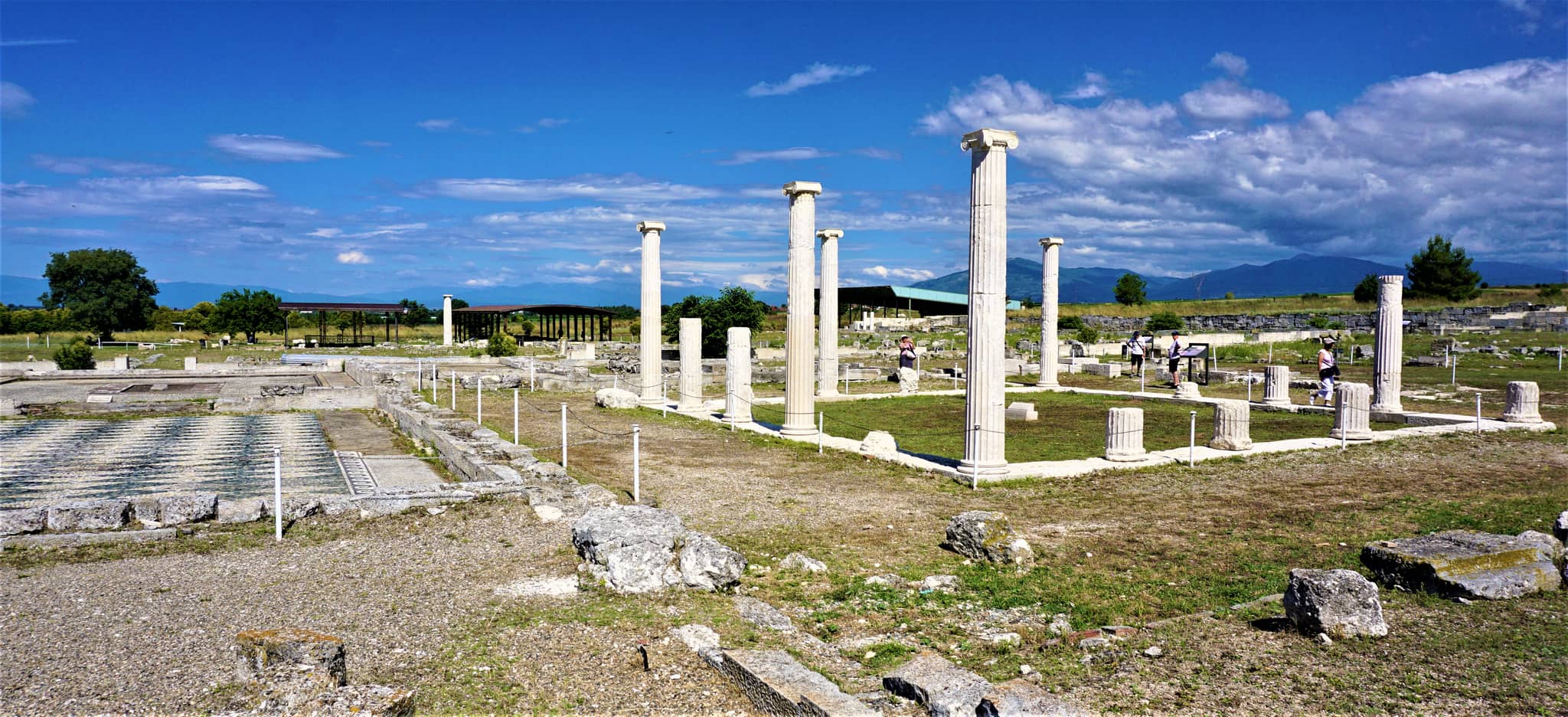
Walk through the ruins of the ancient capital where Alexander the Great was born and raised.
Ancient Macedonian Artifacts
Museum
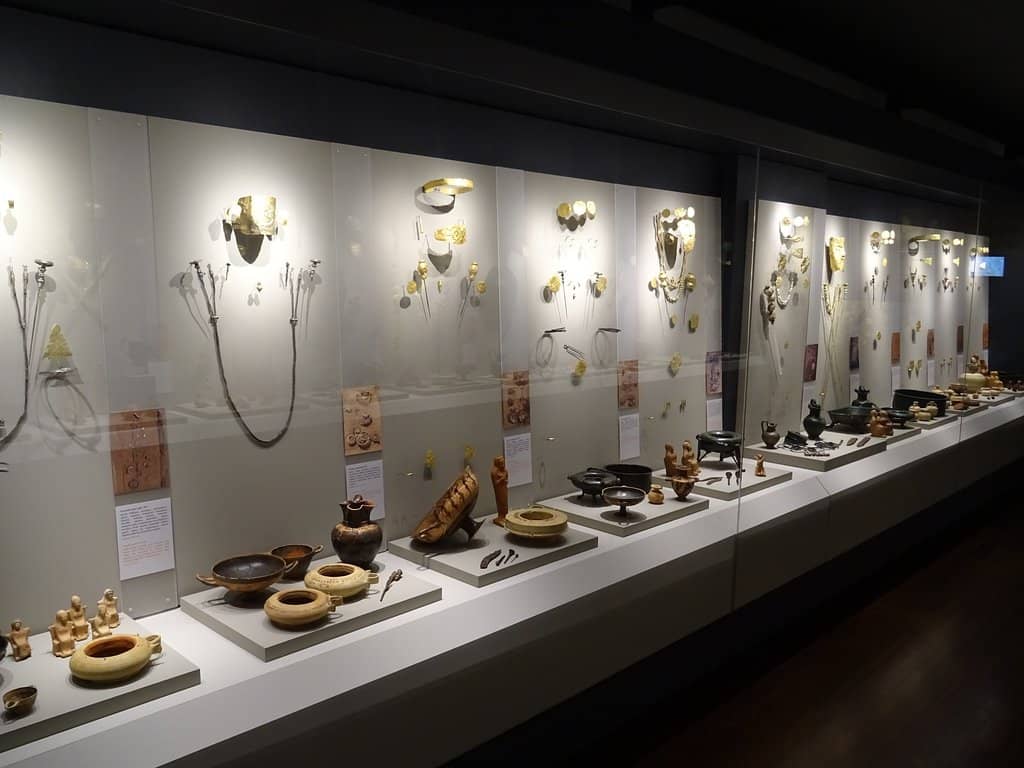
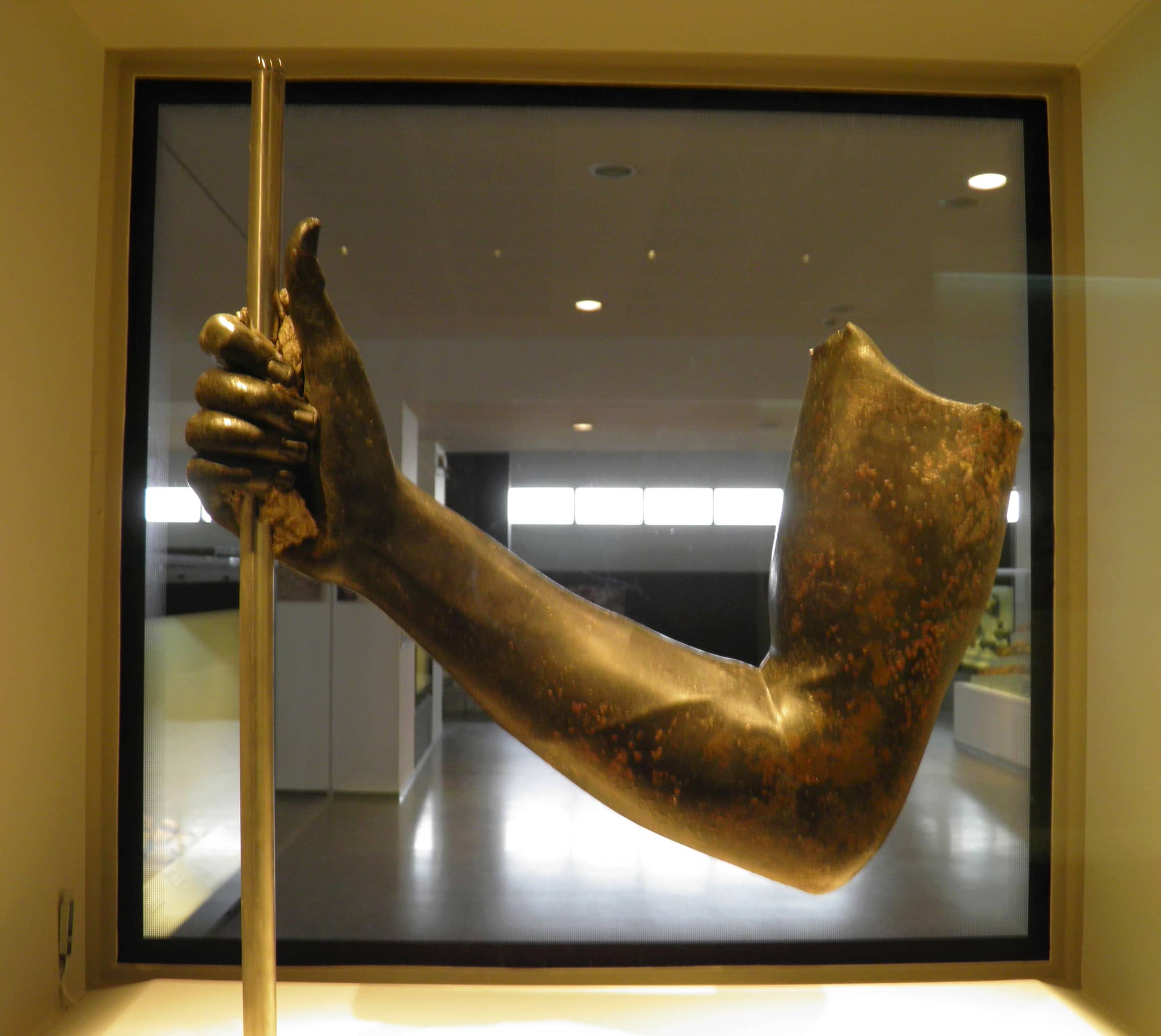
Discover golden items, coins, pottery, and other artifacts that tell the story of Pella's golden age.
Plans like a pro.
Thinks like you
Planning Your Visit
Timing Your Visit to Pella
Getting to Pella
Best Times
Insider Tips
from TikTok, Instagram & Reddit
Allocate Enough Time
Don't rush! You'll need several hours to explore both the archaeological site and the museum thoroughly.
Combine Site & Museum
Visiting both the ruins and the museum brings Pella to life and offers a complete historical experience.
Car is King
Renting a car offers the most flexibility for reaching Pella and exploring the vast archaeological site.
Wear Comfortable Shoes
You'll be doing a lot of walking on uneven terrain at the archaeological site. :athletic_shoe:
Stopped by Pella on a quick road trip through Central Macedonia (Greece)
Tips
from all over the internet
Allocate Enough Time
Don't rush! You'll need several hours to explore both the archaeological site and the museum thoroughly.
Combine Site & Museum
Visiting both the ruins and the museum brings Pella to life and offers a complete historical experience.
Car is King
Renting a car offers the most flexibility for reaching Pella and exploring the vast archaeological site.
Wear Comfortable Shoes
You'll be doing a lot of walking on uneven terrain at the archaeological site. :athletic_shoe:
What Travellers Say
Reviews Summary
Visitors consistently praise the Pella Archaeological Site and Museum for its profound historical significance as the birthplace of Alexander the Great and the capital of ancient Macedonia. The stunning mosaics and well-preserved artifacts in the museum are frequently highlighted as major draws, offering a tangible connection to the past. While some wish for more time to explore, the overall experience is described as 'unbelievable' and a 'must-see' for anyone visiting Northern Greece.
"My wife and I visited a few different museums while we were on vacation last Sept-Oct in Greece, with this one in Pella being the standout.
Unbelievable interesting history, classical artefacts, beautiful historical building, and heaps of information about Pella and of course King Philip and his son Alexander the Great.
As a Greek Australian this was an experience I'll never forget as I studied 'Hellenic history' at Greek School over 5 years and to now physically visit and see it with my own eyes was something else.
We arrived by car from Thessaloniki mid morning with plenty of parking available. A must if your ever in Nth Greece / Thessaloniki. Highly recommended to everyone."
Dennis Achtypis
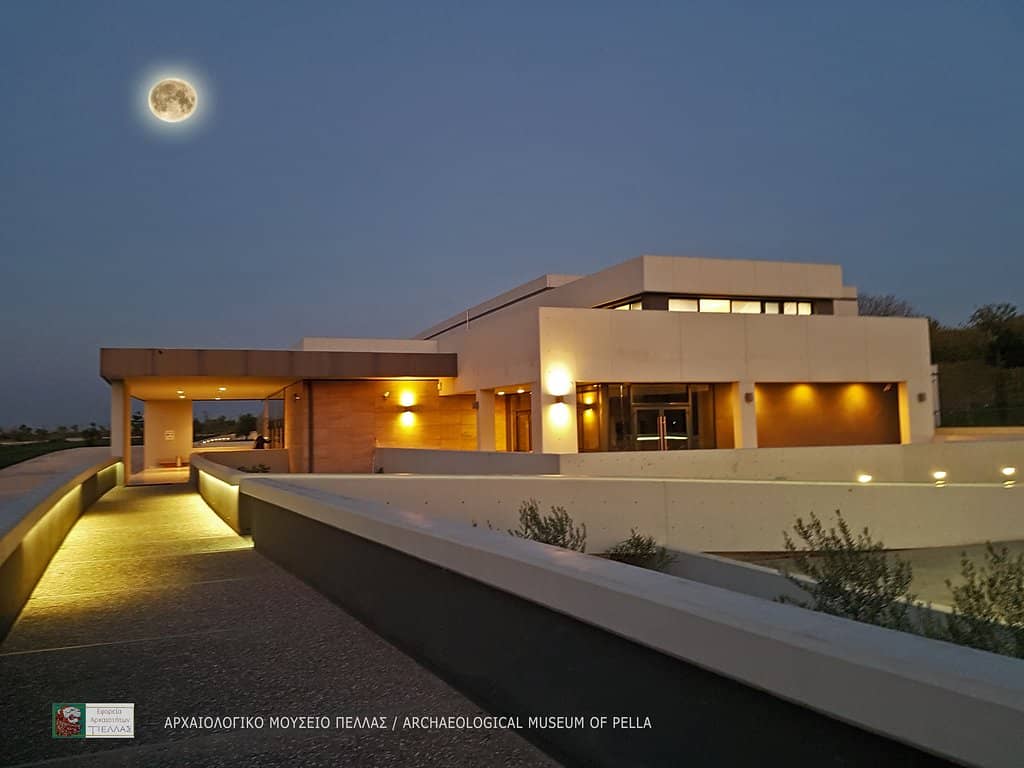
"Greece has been investing a lot of money in new, state of the art museums the last few years. This is one of them, and a definitely “don’t miss.” It holds many of the artifacts found during archaeological excavations in the nearby ruins of Pella, such an important historic site for Greece, and certainly for world history.
I visited while on a day tour and really needed more time. There’s quite a bit to see, and some of the best is on the second floor. Make sure you don’t skip anything! Combining this with a visit to the ruins is a wonderful way to bring Pella to life."
Martha Canipe
"The Archaeological Museum of Pella is a museum in Pella, Central Macedonia, Greece. It houses artifacts found in the ancient city of Pella, which was the capital of the kingdom of Macedonia. The museum focuses on the history of Pella and its role in ancient Greek and Macedonian history."
Gioftsios Anastasios
What People Like
What People Dislike
Frequently Asked Questions
🚇 🗺️ Getting There
The most convenient way to reach the Pella Archaeological Site from Thessaloniki is by car, taking approximately 45-60 minutes. There is ample parking available at the site. While public transport options exist, they are less frequent and may require transfers, making a car rental or organized tour a more efficient choice for day-trippers.
Absolutely! Pella is a highly recommended day trip from Thessaloniki, offering a deep dive into ancient Macedonian history and the birthplace of Alexander the Great. You can easily combine it with other nearby attractions for a full day of exploration.
The roads leading to Pella from Thessaloniki are generally well-maintained and easy to navigate. The drive is scenic, passing through the Macedonian countryside.
Yes, it's possible to visit Pella without a car, though it requires more planning. You can take a bus from Thessaloniki to Pella town and then arrange local transport or a taxi to the archaeological site. Alternatively, many organized tours from Thessaloniki include Pella in their itinerary.
Pella is located in Central Macedonia. While it's a significant site on its own, it's not in close proximity to major ancient sites in southern Greece like Athens or Delphi, making it ideal for a dedicated trip to Northern Greece.
🎫 🎫 Tickets & Entry
Opening hours can vary seasonally. It's best to check the official website or contact the site directly for the most up-to-date information on opening times and any potential closures.
Admission fees are typically very reasonable for both the archaeological site and the museum. Combined tickets may be available. Check for any discounts for students or seniors.
For individual visits, booking tickets in advance is usually not necessary. However, if you are part of a large group or visiting during peak season, it might be advisable to inquire about group bookings.
Often, there are combined ticket options available that offer a slight discount for visiting both the archaeological site and the museum. Inquire at the ticket office upon arrival.
Greece often has specific days with free admission to archaeological sites and museums, particularly on national holidays. It's worth checking the official Hellenic Ministry of Culture and Sports website for any such announcements.
🎫 🧭 Onsite Experience
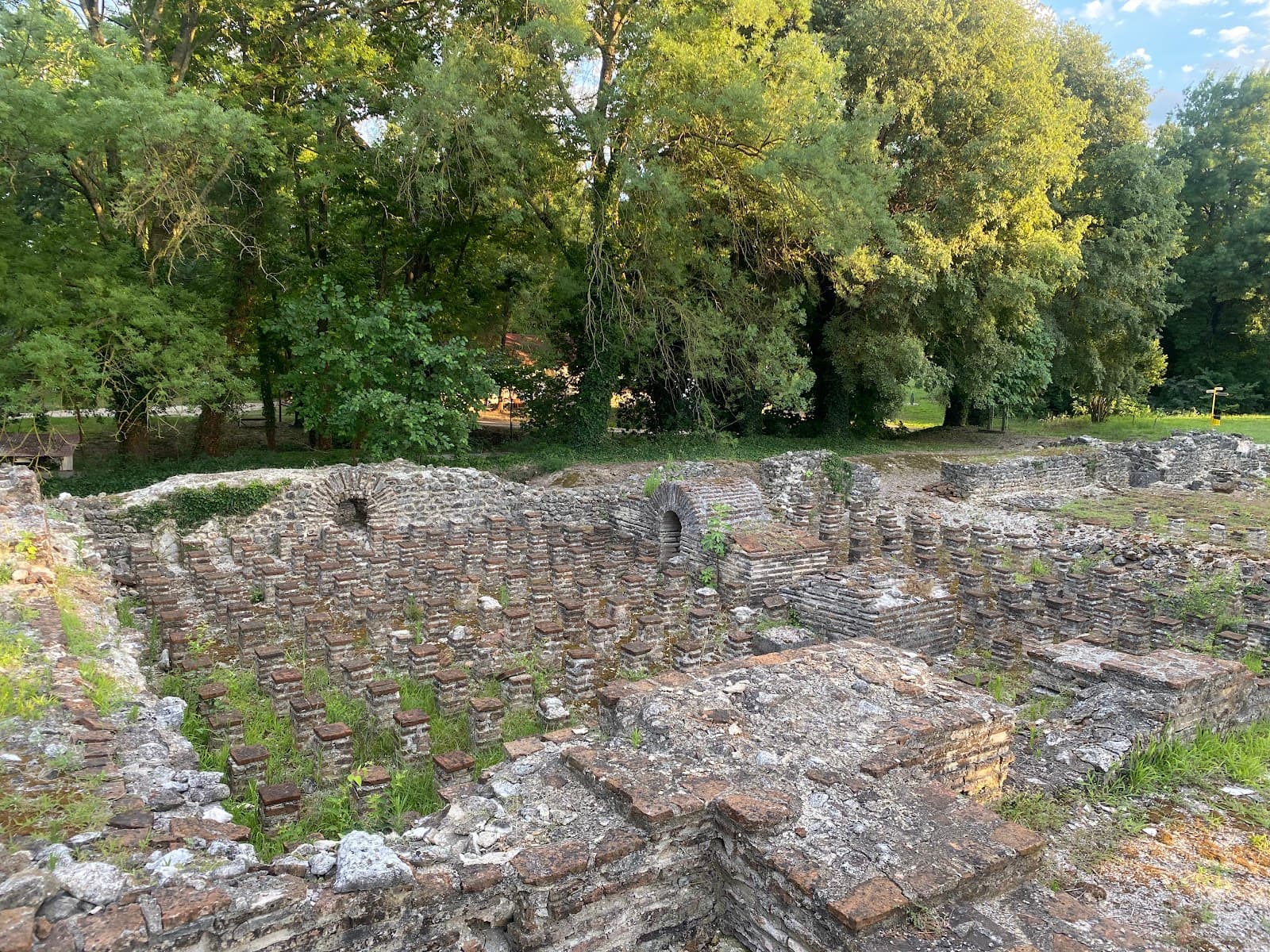
The site features the remains of a grand ancient city, including the foundations of houses, public buildings, and impressive mosaic floors. You can explore the layout of the ancient capital and imagine life here centuries ago. 
The museum showcases stunning mosaics, intricate pottery, golden artifacts, coins, and sculptures unearthed from the site. It provides a comprehensive overview of Pella's history and its significance as the capital of Macedonia.
To fully appreciate both the archaeological site and the museum, plan for at least 3-4 hours. Some visitors feel they need more time, especially if they are history enthusiasts.
The archaeological site has uneven terrain and can be challenging for those with mobility issues. The museum is generally more accessible, but it's advisable to contact them directly for specific information.
Guided tours are often available, especially for organized groups. You can inquire at the ticket office about the possibility of joining a tour or hiring a private guide for a more in-depth experience.
🍽️ 🍽️ Food & Dining
There are typically no dining facilities directly within the archaeological site or museum. It's recommended to bring your own snacks and water, or plan to eat in the nearby town of Pella or back in Thessaloniki.
The modern town of Pella offers several tavernas and cafes where you can enjoy traditional Greek cuisine. These are usually a short drive from the archaeological site.
You can expect delicious local Macedonian dishes, including grilled meats, fresh salads, and regional specialties. Look for tavernas serving authentic Greek food.
Yes, packing a picnic is a great idea, especially if you want to enjoy a meal amidst the historical surroundings or save time. There are often designated areas where you can relax and eat.
Most Greek tavernas offer vegetarian options like Greek salads, vegetable dishes, and pasta. Vegan options might require specific requests, but are usually accommodated.
📸 📸 Photography
Photography is generally allowed at the archaeological site for personal use. In the museum, photography without flash is usually permitted, but it's always best to check for specific signage or ask staff.
The mosaic floors in the museum are incredibly photogenic. At the archaeological site, look for panoramic views of the ruins and the surrounding landscape.
Tripods are often restricted in museum interiors to protect the exhibits and avoid obstructing other visitors. It's advisable to leave your tripod at your accommodation unless you have specific permission.
Morning light can be beautiful for outdoor photography at the archaeological site, offering softer shadows. The museum's lighting is designed to showcase the artifacts, so any time is good for interior shots.
Drone photography is typically prohibited at archaeological sites and museums due to privacy concerns and potential damage to historical structures. Always check local regulations before flying a drone.




Social
from TikTok, Instagram & Reddit