
Agios Georgios Church Xanthi
A historic basilica church in Xanthi, rebuilt in 1835, featuring local granite, notable icons, and the tomb of its benefactor.
Highlights
Must-see attractions

Social
From TikTok & Reddit
Best Time
Fewer crowds, peaceful atmosphere
Agios Georgios Church Xanthi
Best Time
Fewer crowds, peaceful atmosphere
Highlights
Must-see attractions
A historic basilica church in Xanthi, rebuilt in 1835, featuring local granite, notable icons, and the tomb of its benefactor.
"A significant historical and architectural gem in Xanthi, offering a glimpse into the region's past."
Dress Modestly
Cover shoulders and knees out of respect for this active place of worship. 🙏
Check Service Times
Avoid visiting during religious services for a more tranquil experience. 🕐
Quick Facts
Rating
5 · 1 reviews
Type
Church
Highlights
Discover the most iconic attractions and experiences
Kyriakos Nalbantoglou's Tomb
Inside the church, on the floor in front of the Metropolitan throne
A marble tomb from 1837, a poignant reminder of the church's benefactor and its historical connections.
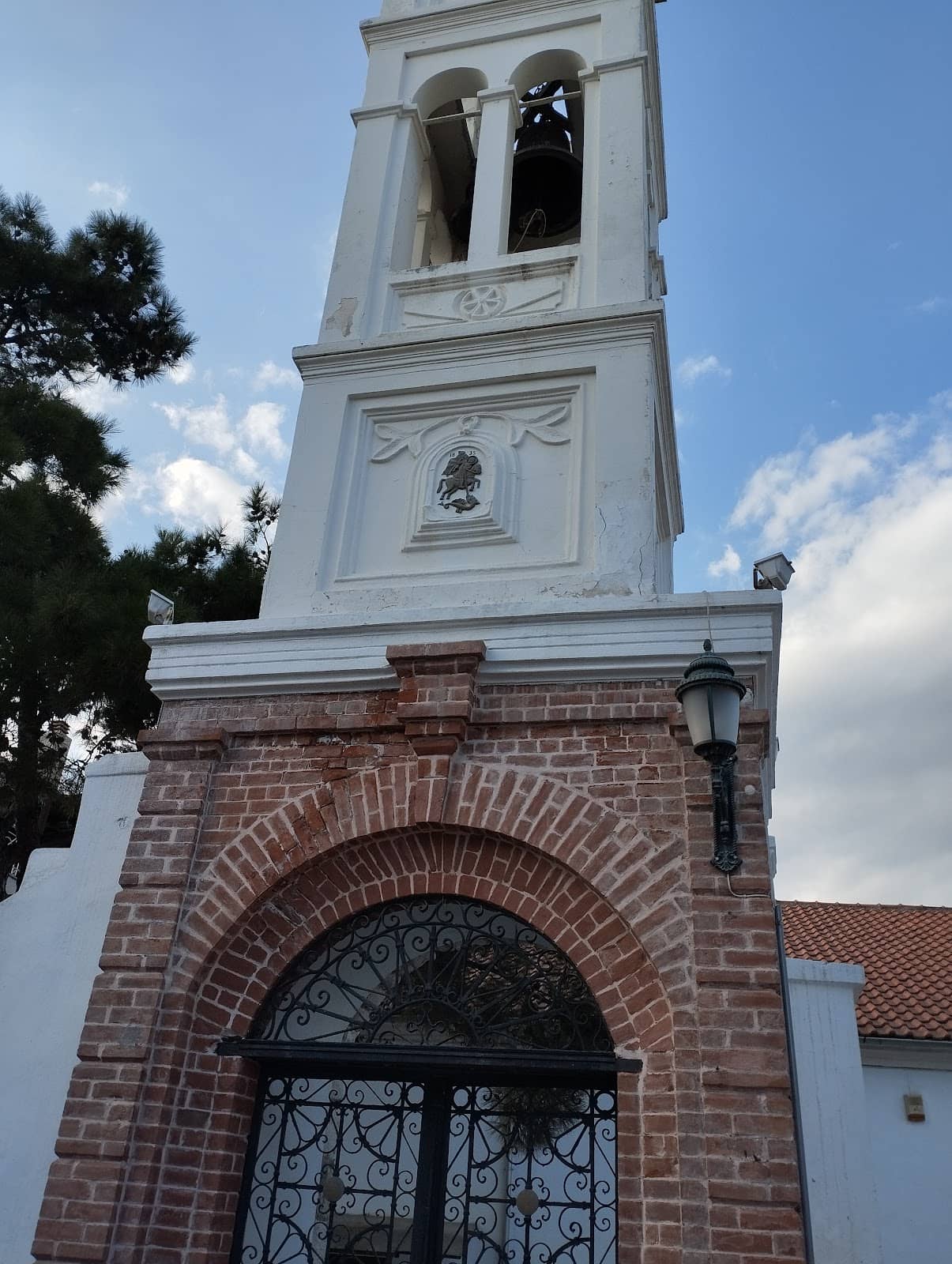
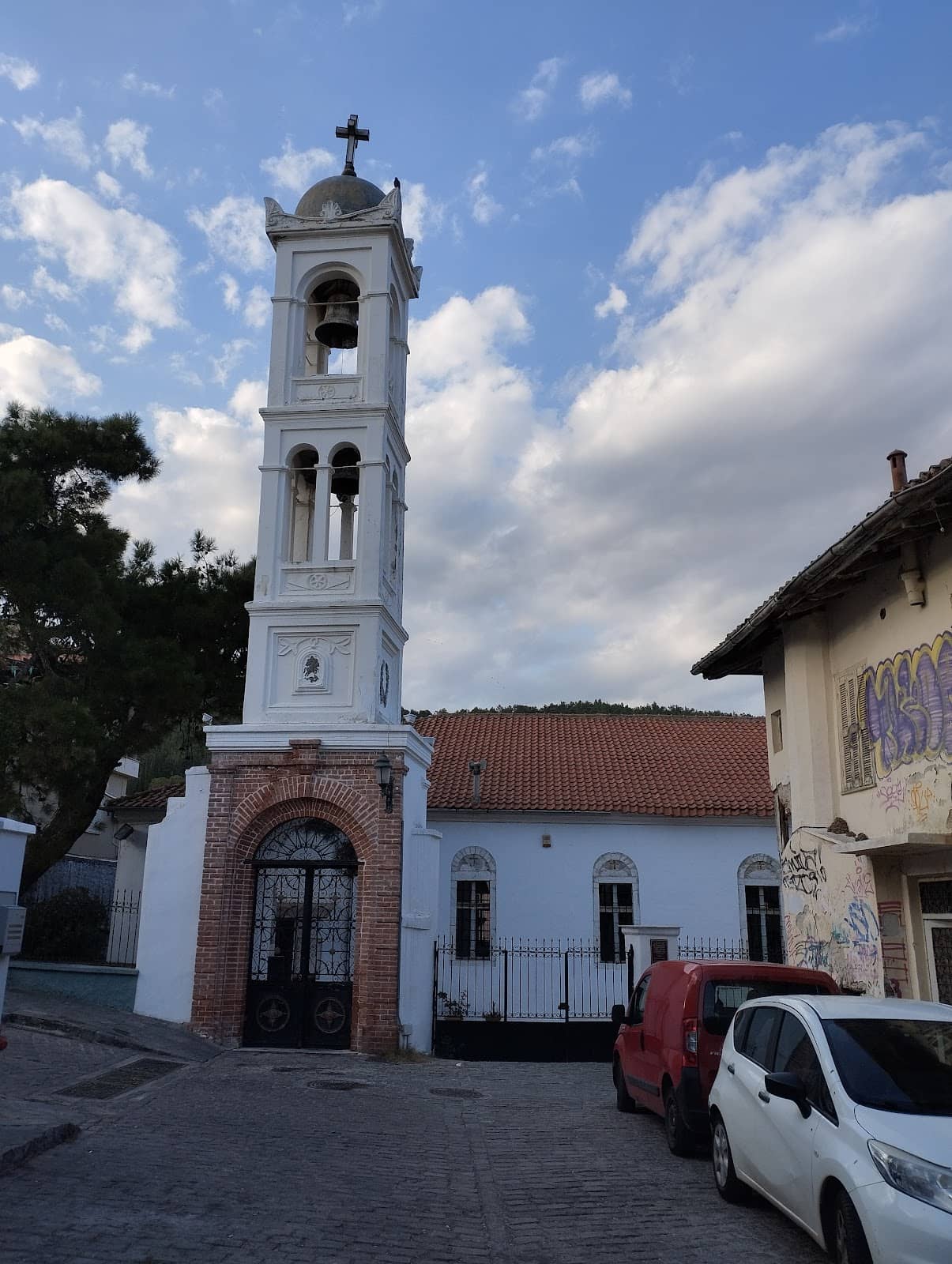
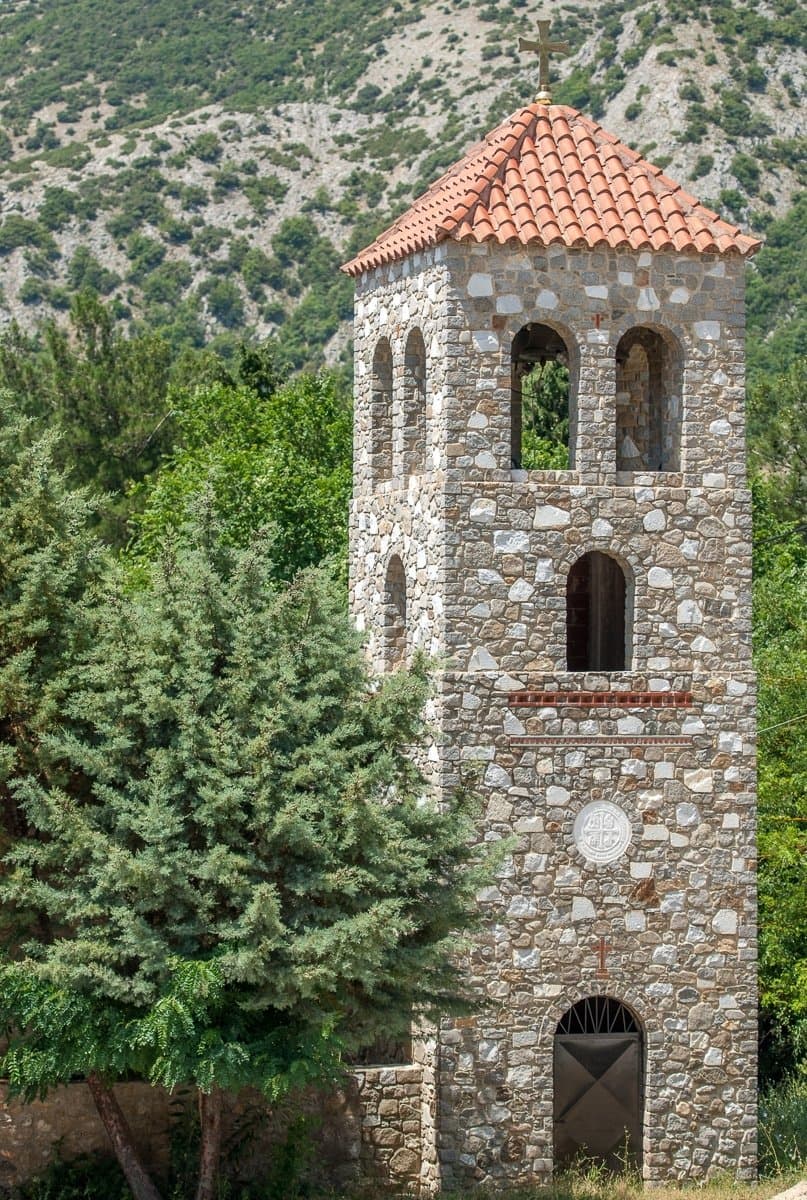
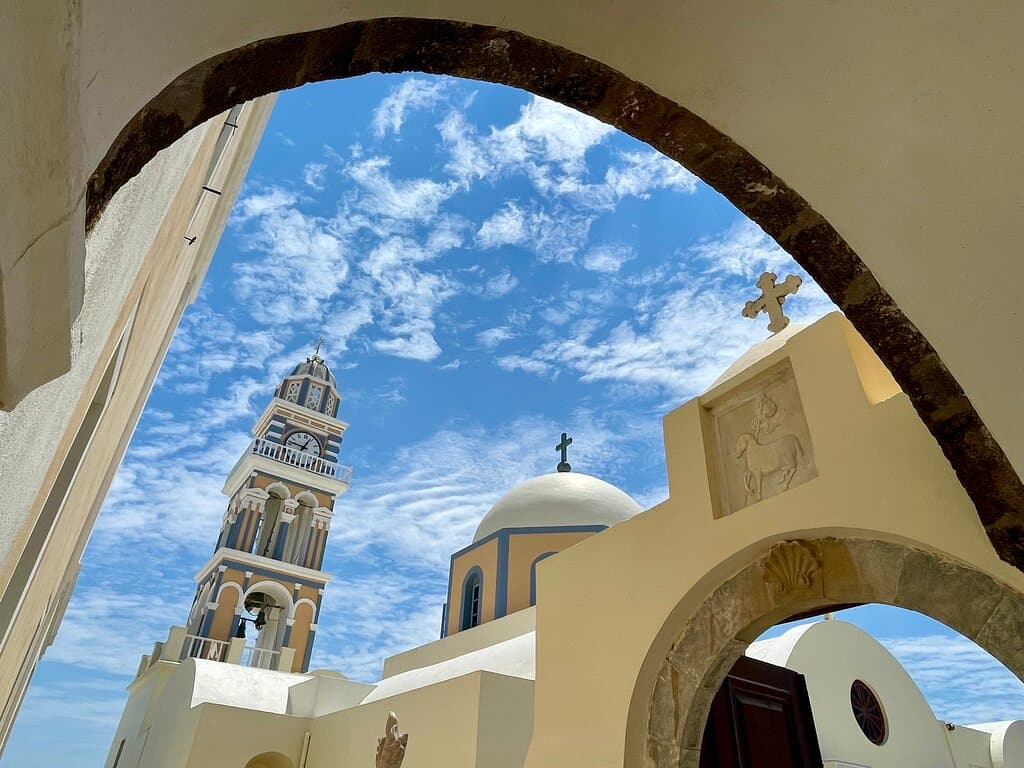
Neoclassical Bell Tower
Exterior of the church
A later addition from 1927, this bell tower showcases elegant neoclassical design against the historic church.
Votive Column of Eftalia
Church enclosure
A touching memorial column dedicated to Eftalia Davidovich, adding a personal layer to the church's history.
Plans like a pro.
Thinks like you
Planning Your Visit
Timing Your Visit
Respectful Exploration
Best Times
Insider Tips
from TikTok, Instagram & Reddit
Dress Modestly
Cover shoulders and knees out of respect for this active place of worship. 🙏
Check Service Times
Avoid visiting during religious services for a more tranquil experience. 🕐
Admire Local Granite
Notice the distinctive local granite used in the church's masonry. :rock:
Photography Etiquette
Be discreet with photos, especially during services. Ask permission if unsure. :camerawithflash:
Tips
from all over the internet
Dress Modestly
Cover shoulders and knees out of respect for this active place of worship. 🙏
Check Service Times
Avoid visiting during religious services for a more tranquil experience. 🕐
Admire Local Granite
Notice the distinctive local granite used in the church's masonry. :rock:
Photography Etiquette
Be discreet with photos, especially during services. Ask permission if unsure. :camerawithflash:
What Travellers Say
Reviews Summary
Visitors appreciate Agios Georgios Church for its historical significance and architectural details, particularly the use of local granite and the notable icons. The tomb of Kyriakos Nalbantoglou and the neoclassical bell tower are frequently mentioned as points of interest. Some find the interior simple, but its role as an active place of worship is respected.
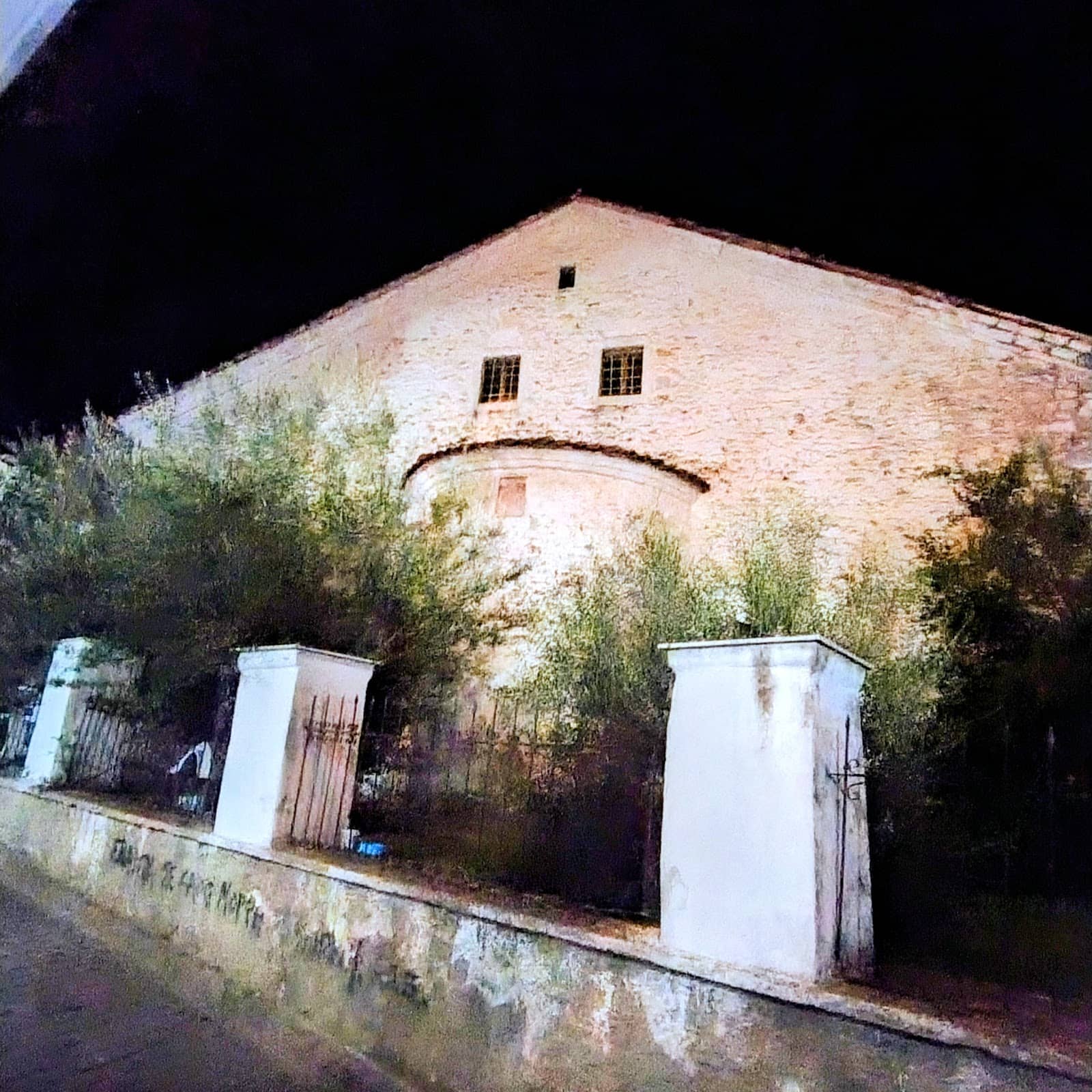
"The Church of St. George is located in the homonymous district and was rebuilt in 1835. The building was probably built at the expense of the tobacco merchant Kyriakos Nalbantoglou, whose tomb is located inside the Church. It was rebuilt after the devastating earthquakes of 1829, possibly on the ruins of an earlier church of the Byzantine period, as according to some sources in the year 1394 there was a pilgrimage site with the same name in the area. The bell tower of the church was built in a later phase, in the year 1927. It is a typical example of a three-aisled basilica church with a gable roof. The masonry of the church is dominated by local granite, which is found in abundance on the banks of the Kosynthos River. It includes a narthex and a women's chapel, while its iconostasis is wooden without any special decorative elements. Inside the church, in front of the Metropolitan throne, there is the marble tomb of Kyriakos Nalbandoglou from 1837 on the floor, with an illegible inscription.
The bell tower of the church is built according to neoclassical standards.
In the church's enclosure there is a votive column with a statue in neoclassical standards, which is dedicated to the memory of Eftalia, wife of Stavros Davidovich, who was born in Xanthi and died in Kiev from cholera in 1866.
Inside the church there are various icons that were mainly painted after the mid-19th century. The most notable of these are the icon of the Annunciation of the Virgin Mary by the Thassite hagiographer Michael Evangelidis, which is crafted in marble, the large-scale icon of Saint Andrew, a work by the Patras painter Takis Prionas, and the icon of the Crucified One, which is located in the Holy Altar of the Church and was painted by Fotis Kontoglou in 1959."
antonios varzakis
What People Like
What People Dislike
Frequently Asked Questions
🚇 🗺️ Getting There
Agios Georgios Church is located in the homonymous district of Xanthi. It's easily accessible by car or on foot if you are already in the city center. Parking might be limited in the immediate vicinity, so consider walking from nearby areas.
Yes, the church is a prominent landmark in its district. You can use GPS navigation or ask locals for directions to 'Agios Georgios Church, Xanthi'.
The church is situated within the urban fabric of Xanthi. Walking is a pleasant way to explore the surrounding neighborhood and appreciate its architecture.
🎫 🎫 Tickets & Entry
No, Agios Georgios Church is a place of worship and is generally free to enter. Donations are always appreciated.
As an active church, it is usually open during daylight hours, but it's best to avoid visiting during scheduled religious services to ensure a peaceful experience.
There is no admission fee to enter Agios Georgios Church. It is a functioning church open to the public.
You can visit on Sundays, but it's advisable to check the specific service schedule to avoid disruption during worship. Mornings are typically busy with services.
🎫 🏛️ Onsite Experience
Agios Georgios Church is a typical example of a three-aisled basilica church with a gable roof, featuring masonry dominated by local granite. It also includes a narthex and a women's chapel.
Inside, you'll find a wooden iconostasis, the marble tomb of Kyriakos Nalbandoglou, and various icons painted after the mid-19th century, including notable works by Michael Evangelidis and Fotis Kontoglou.
Photography is generally permitted, but it's important to be discreet and respectful, especially during services. Some areas or specific icons might have restrictions.
Rebuilt in 1835, possibly on Byzantine ruins, it was funded by tobacco merchant Kyriakos Nalbantoglou. It stands as a testament to Xanthi's history and architectural evolution.
Don't miss the marble icon of the Annunciation by Michael Evangelidis, the icon of Saint Andrew by Takis Prionas, and the icon of the Crucified One by Fotis Kontoglou.


Social
from TikTok, Instagram & Reddit