
Russell Glacier
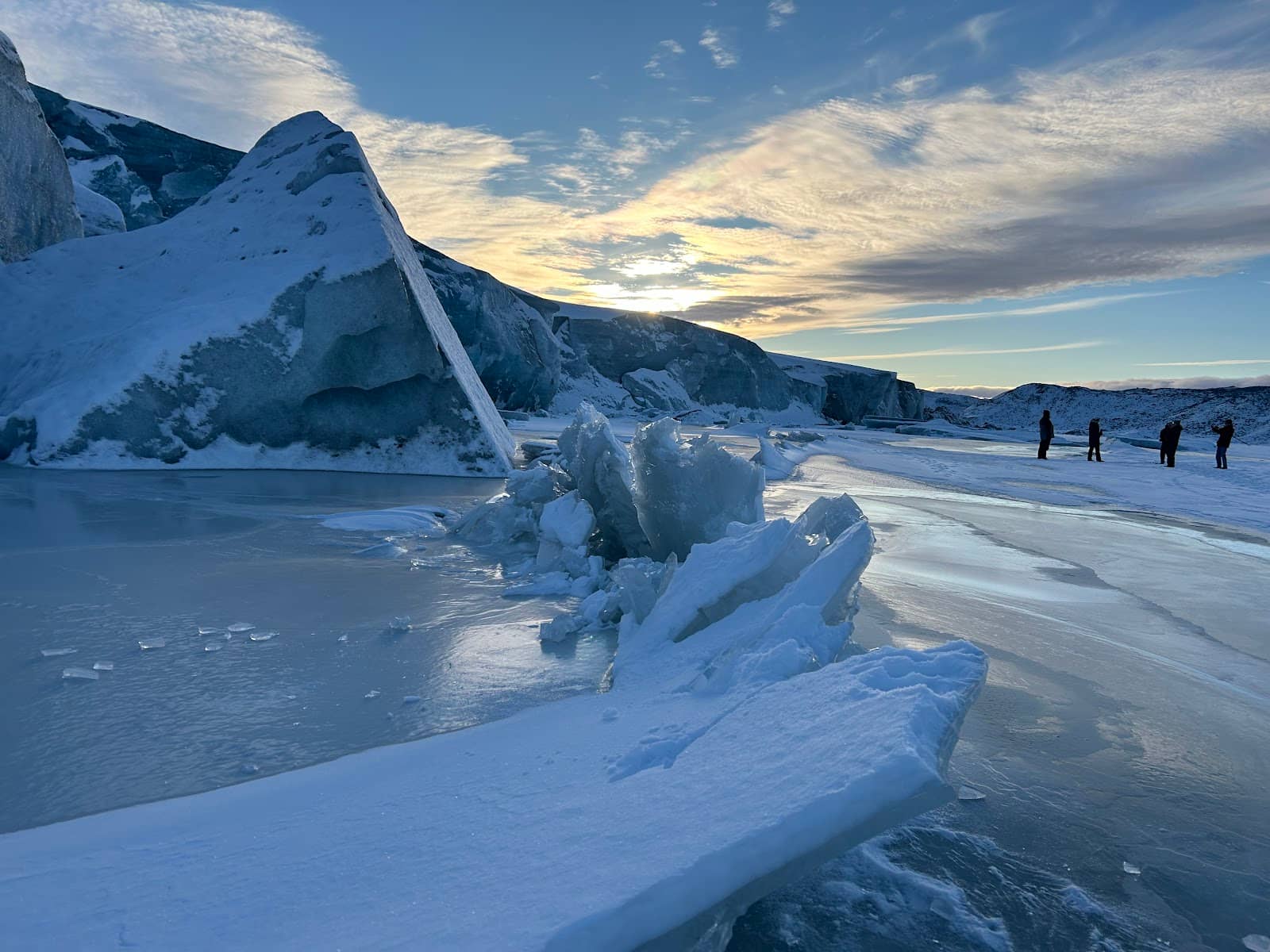
Witness the raw power of nature at Russell Glacier, an immense ice wall near Kangerlussuaq, Greenland, known for its dramatic calving events.
Highlights
Must-see attractions

Social
From TikTok & Reddit
Best Time
Best light for photos
Russell Glacier
Best Time
Best light for photos
Highlights
Must-see attractions
Witness the raw power of nature at Russell Glacier, an immense ice wall near Kangerlussuaq, Greenland, known for its dramatic calving events.
"Magical watching and listening to chunks of ice breaking off and crashing into the river below."
Book Tours in Advance
Tours to Russell Glacier and the ice cap fill up quickly. Book ahead to secure your spot! 🎟️
Dress for the Cold
Arctic weather is unpredictable. Layers are key! Waterproof and windproof outer layers are essential. ☁️

Quick Facts
Rating
4.6 · 13 reviews
Type
Natural Feature
Address
Highlights
Discover the most iconic attractions and experiences
Russell Glacier Face
Kangerlussuaq
Witness the immense power of nature as ice calfs into the river. A truly unforgettable Arctic spectacle.

Ice Cap Excursion
Kangerlussuaq
Journey to the vast ice sheet for a unique perspective on Greenland's frozen landscapes.

Glacial River Views
Near Russell Glacier
Experience the serene beauty of the glacial river, often dotted with icebergs.
Plans like a pro.
Thinks like you
Planning Your Visit
Plan Your Arctic Adventure
Respect the Ice
Best Times
Insider Tips
from TikTok, Instagram & Reddit
Book Tours in Advance
Tours to Russell Glacier and the ice cap fill up quickly. Book ahead to secure your spot! 🎟️
Dress for the Cold
Arctic weather is unpredictable. Layers are key! Waterproof and windproof outer layers are essential. ☁️
Listen to the Glacier
The sounds of calving ice are incredible. Find a safe spot and be patient. 👂
Respect the Ice
Never walk on the glacier without a guide. Ice can be unstable and dangerous. ⚠️
Tips
from all over the internet
Book Tours in Advance
Tours to Russell Glacier and the ice cap fill up quickly. Book ahead to secure your spot! 🎟️
Dress for the Cold
Arctic weather is unpredictable. Layers are key! Waterproof and windproof outer layers are essential. ☁️
Listen to the Glacier
The sounds of calving ice are incredible. Find a safe spot and be patient. 👂
Respect the Ice
Never walk on the glacier without a guide. Ice can be unstable and dangerous. ⚠️
Capture the Moment
Bring extra batteries for your camera; the cold drains them faster. :camerawithflash:
What Travellers Say
Reviews Summary
Visitors describe Russell Glacier as a magical and awe-inspiring natural wonder, particularly appreciating the dramatic calving events and the unique feel of glacier ice. The sheer scale and power of the glacier leave a lasting impression, though some note its recession due to climate change.
"Solo overnight camping at Russel Glacier - magical watching and listening to chunks of ice breaking off and crashing into the river below, over a steaming hot cup of coffee"
Leonie Stander
"Beautiful place! I never knew glacier ice would feel so different to regular ice…so smooth. And the way the light sparkled off of that! It’s a pity it has receded so much, so. see it before it’s gone completely!"
Shravan Rangarajan
"Beautiful place"
Mohamed Muha
What People Like
What People Dislike
Frequently Asked Questions
🚇 🗺️ Getting There
Russell Glacier is typically accessed from Kangerlussuaq, Greenland. Most visitors arrive in Kangerlussuaq via flight. From Kangerlussuaq, tours are available via ATV, 4x4 vehicles, or even by hiking to reach the glacier's face. Some tours combine the journey with an ice cap excursion. 
Yes, Kangerlussuaq Airport (SFJ) is Greenland's main international airport, serving as a hub for flights from Denmark and Iceland. This makes it a common starting point for exploring Greenland's interior and coastlines.
Driving directly to Russell Glacier is not recommended for most visitors. The terrain can be challenging, and guided tours provide the safest and most informative way to experience the area. Some adventurous travelers have used ATVs or bikes for access.
The journey to Russell Glacier from Kangerlussuaq typically takes around 45 minutes to an hour by vehicle, followed by a hike of similar duration to reach the glacier's face.
Public transport directly to Russell Glacier is not available. Access is primarily through organized tours or guided expeditions.
🎫 🎫 Tickets & Entry
While there isn't a specific entry fee for Russell Glacier itself, access is usually part of a guided tour. These tours will have associated costs. It's advisable to book these in advance, especially during peak season.
Kangerlussuaq is not a national park with traditional entry fees or passes. Access to natural attractions like Russell Glacier is managed through tour operators.
Tour prices can vary depending on the operator, duration, and mode of transport (e.g., ATV, 4x4). Expect costs to range from a few hundred to over a thousand US dollars for comprehensive excursions. Research specific tour providers for current pricing.
Yes, it's possible to visit Russell Glacier on a layover, but time is a critical factor. A layover of at least 8 hours is recommended to allow for travel to the glacier and back, plus some time to experience it. Check tour availability for your specific layover window.
Tour operating hours vary by season and operator. Most tours run during daylight hours, with departures typically in the morning or early afternoon to maximize daylight. It's best to check with your chosen tour provider for specific schedules.
🎫 🧭 Onsite Experience
The most impactful way to experience Russell Glacier is by witnessing its calving events and feeling its immense presence. Listening to the ice break and crash into the river is a profound experience. Guided tours offer safe viewing points and insights into the glacier's dynamics.
While wildlife sightings are not guaranteed, you might encounter Arctic foxes, reindeer, or various bird species in the Kangerlussuaq area. The focus of a visit to Russell Glacier is primarily the geological and glacial landscape.
The hike to Russell Glacier from the drop-off point is generally considered moderate. The terrain can be uneven and rocky, so sturdy footwear is essential. The length of the hike is typically around 45 minutes to an hour.
Layering is crucial. Wear thermal base layers, an insulating mid-layer (like fleece), and a waterproof/windproof outer shell. Warm gloves, a hat, and sturdy, waterproof hiking boots are also essential. Sunglasses are recommended due to glare off the ice. +1
While you can touch ice that has calved off and is in the river or on the shore, it's strongly advised not to touch the main glacier face. The ice can be extremely cold, slippery, and unstable. Guided tours will advise on safe interaction.
📸 📸 Photography
Early morning and late afternoon offer the best light for photography, with softer shadows and warmer tones. The midday sun can be harsh and create strong contrasts. Consider the direction of the sun for dramatic shots of the ice face.
A wide-angle lens is great for capturing the vastness of the glacier and its surroundings. A telephoto lens can be useful for wildlife if you're lucky. A sturdy tripod can help with low-light conditions or capturing calving events. Don't forget extra batteries and memory cards!
The calving of ice into the river is a dramatic and sought-after photographic moment. The textures and colors of the ancient ice, the glacial river, and the surrounding Arctic landscape also offer unique opportunities.
Always maintain a safe distance from the glacier face and the riverbank. Listen for cracking sounds and be prepared to move quickly if necessary. Never get too close to the edge. Your tour guide will provide safety instructions.
Extreme cold can affect camera batteries and your own comfort. Glare from the ice can be intense, so a polarizing filter can be helpful. The remote location means you need to be self-sufficient with your gear.


Social
from TikTok, Instagram & Reddit