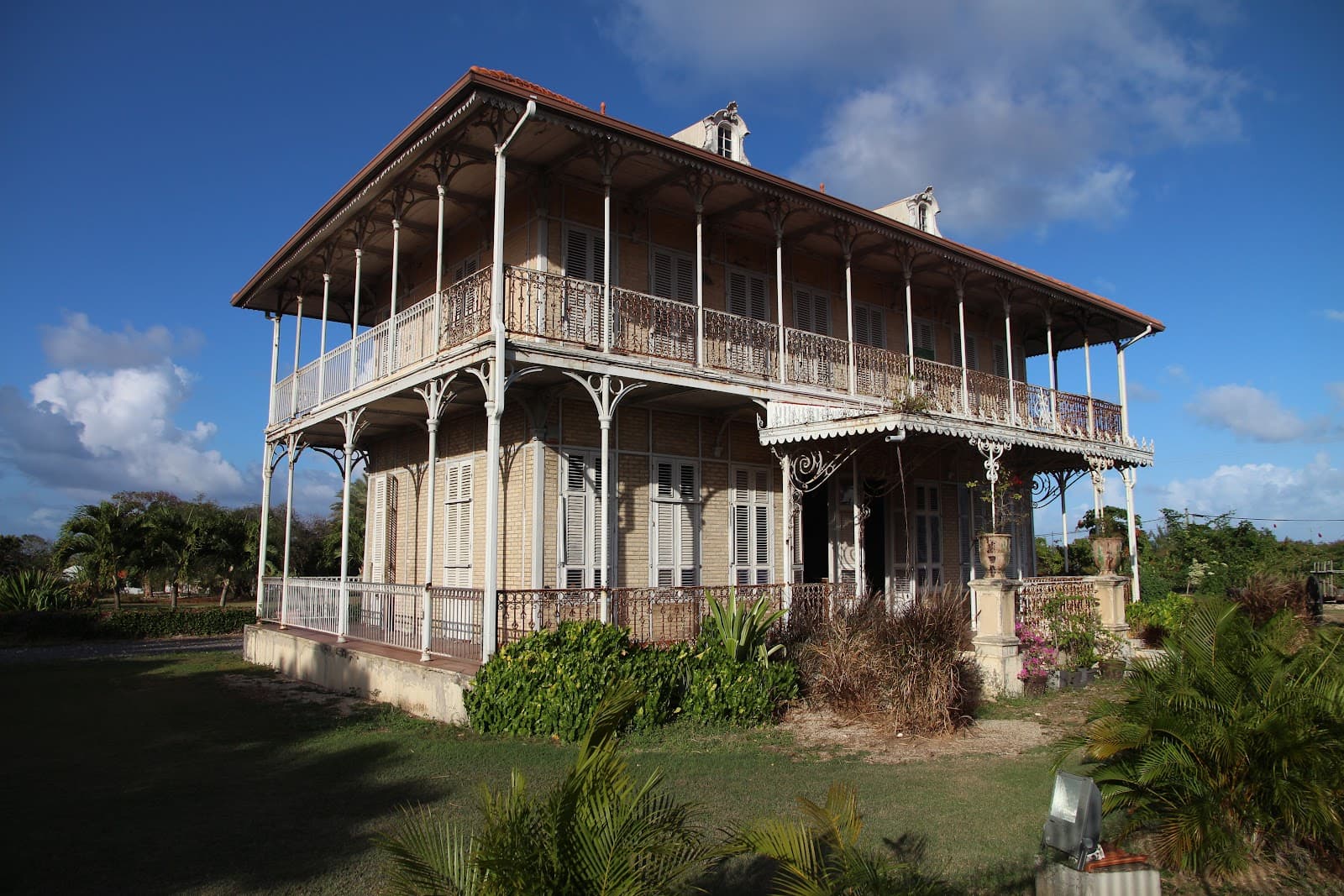
Habitation Zévallos Le Moule
Step back in time at Habitation Zévallos, a historic sugar plantation offering a glimpse into Guadeloupe's colonial past.
Highlights
Must-see attractions

Social
From TikTok & Reddit
Best Time
Potentially fewer crowds
Habitation Zévallos Le Moule
Best Time
Potentially fewer crowds
Highlights
Must-see attractions
Step back in time at Habitation Zévallos, a historic sugar plantation offering a glimpse into Guadeloupe's colonial past.
"Nice colonial house for a short stop."
Confirm Opening Hours
Many visitors found it closed. Call ahead or check online to avoid a wasted trip! 📱
Embrace the Rustic Vibe
It's a historic site, not a modern museum. Appreciate the authentic, 'decaying' charm. :old_key:
Quick Facts
Rating
4.2 · 459 reviews
Type
Historical Landmark
Highlights
Discover the most iconic attractions and experiences
Colonial Architecture
Main house and surrounding buildings
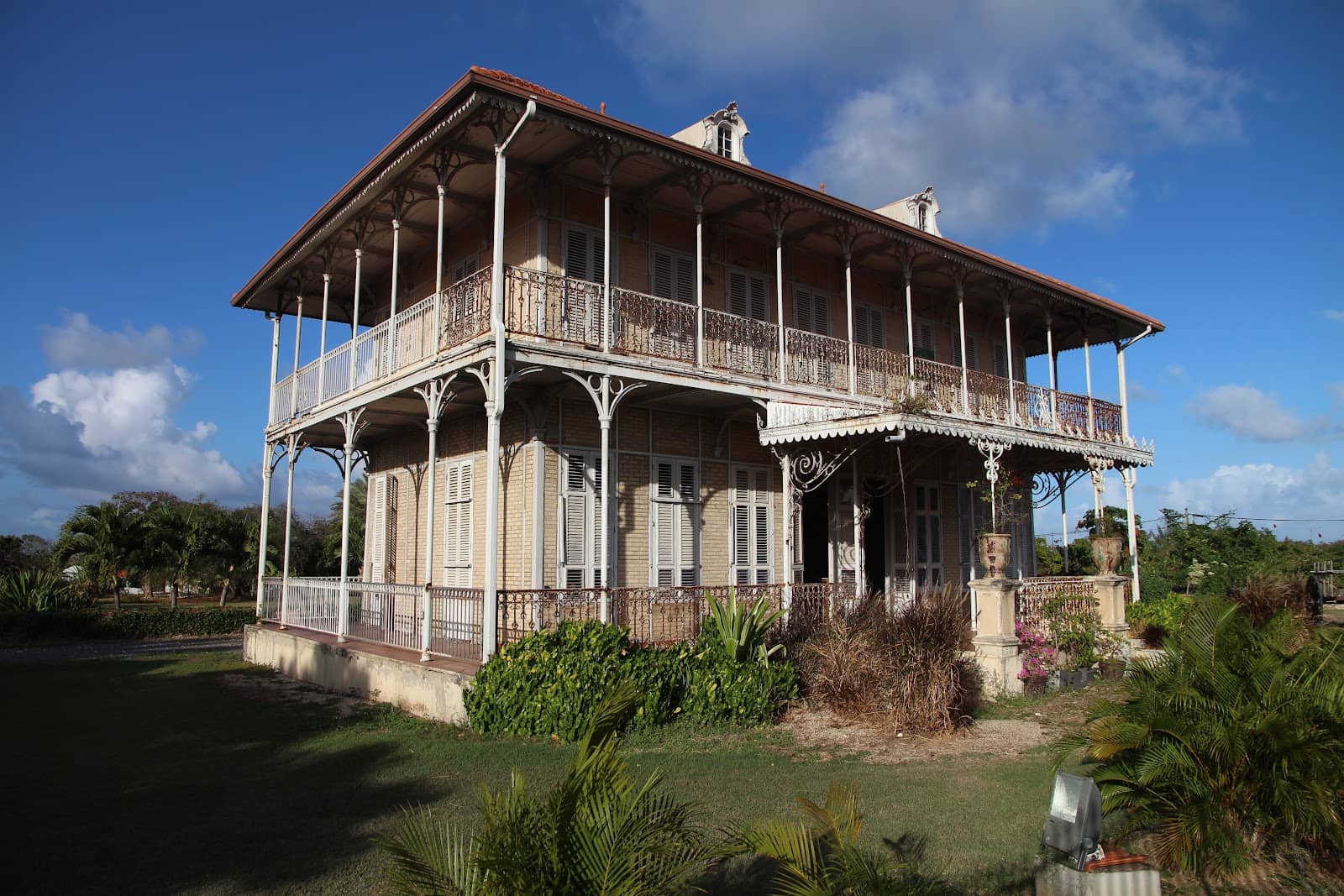
Explore the remnants of a grand colonial plantation house, offering a tangible connection to Guadeloupe's sugar cane era.
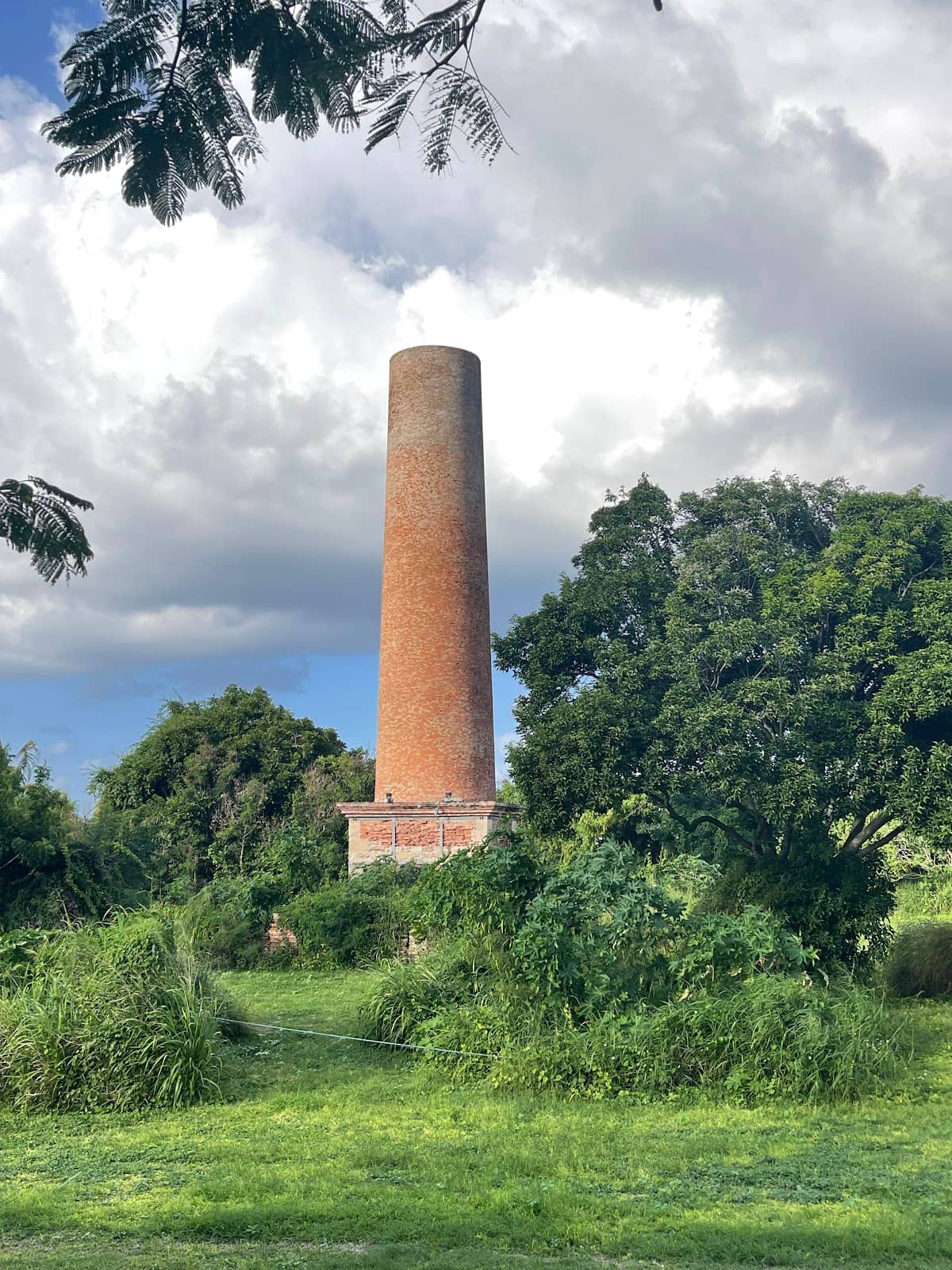
Sugar Cane History
Plantation grounds
Learn about the historical significance of sugar cane cultivation and its impact on Guadeloupe's economy and society.
Atmospheric Grounds
Entire estate
Wander through the grounds, appreciating the rustic beauty and the sense of stepping back in time.
Plans like a pro.
Thinks like you
Planning Your Visit
Check Opening Hours Before You Go
Embrace the Colonial Charm
Best Times
Insider Tips
from TikTok, Instagram & Reddit
Confirm Opening Hours
Many visitors found it closed. Call ahead or check online to avoid a wasted trip! 📱
Embrace the Rustic Vibe
It's a historic site, not a modern museum. Appreciate the authentic, 'decaying' charm. :old_key:
Short Stop Recommended
A brief visit is often sufficient to appreciate the colonial house and grounds. :stopwatch:
Be Prepared for Closure
Some reviewers mentioned being unable to enter. Have a backup plan just in case. ⚠️
Tips
from all over the internet
Confirm Opening Hours
Many visitors found it closed. Call ahead or check online to avoid a wasted trip! 📱
Embrace the Rustic Vibe
It's a historic site, not a modern museum. Appreciate the authentic, 'decaying' charm. :old_key:
Short Stop Recommended
A brief visit is often sufficient to appreciate the colonial house and grounds. :stopwatch:
Be Prepared for Closure
Some reviewers mentioned being unable to enter. Have a backup plan just in case. ⚠️
What Travellers Say
Reviews Summary
Habitation Zévallos offers a glimpse into Guadeloupe's colonial past, with visitors appreciating its historic architecture and the atmospheric grounds. However, many reviewers note inconsistent opening hours, with some finding the site closed unexpectedly. While the rustic charm is appealing, a short visit is generally recommended.
"Beginning 1635 with the arrival of the French and during the 17th century, the village was called Portland. The principal part of the city was located on the actual site of Autre Bord, towards the east. During the 18th century, the city became the stronghold for colonial aristocracy and the center moved to the left bank of river Audoin. This was thanks to the development of sugar cane and for a better placement of the port on the Atlantic Ocean. A lot of important construction took place to protect and improve the city, one of which was a breakwater ("mole" in French) that gave the city its new name, Le Moule, that became Guadeloupe's main commercial port. On September 20, 1828, Le Moule received rights to export its commodities to the metropolitan France without going through Pointe à Pitre. Thus having direct contact with French territory, it became a target for the British fleet during the Napoleon war at the beginning of the 19th century. The heroic battle of 1809 remains a historic date for Guadeloupe.
In practice, all sugar cane, sugar and rum produced in Grande Terre were shipped from Le Moule's port. Consequently, the city enjoyed a flourishing commerce that was further supplemented by shipments of coffee, cotton, fertilizer, coal, building material and spare parts.
During the first half of the 19th century with its numerous refineries and plantations (at first about 30, then about 100), the planters lived a self-sufficient lifestyle farming sugar cane, coffee, cotton, cocoa, spices and other essential food products, thus dominating Guadeloupean economics during the 1850s. After that, they experienced many financial collapses because of failed crops, abolition of slavery, the production of better sugar in Europe and the very strict "colonial pact"."
Dan Brutus
"The guide was lovely but the visit a bit too long. We were told we could leave at any time but when we tried to go we found the exit blocked with a lock so we had to escape through a hole in a bush :-D"
Giulia
"We couldn't find when it would be open. Nice from the outside."
cool 1
What People Like
What People Dislike
Frequently Asked Questions
🚇 🗺️ Getting There
Habitation Zévallos is located in Le Moule, Guadeloupe. It's best accessed by car, as public transport options might be limited. Driving allows you to easily explore the Grande Terre region. Parking is usually available on-site.
While it's a historical site, signage can sometimes be inconsistent. Using a GPS or a reliable navigation app is recommended. Look for signs indicating historical sites or plantations in the Le Moule area.
🎫 🎫 Tickets & Entry
Opening hours can be inconsistent, and several visitors have reported finding the site closed unexpectedly. It's highly recommended to call ahead or check local listings for the most up-to-date information before your visit.
Information on admission fees is not widely available, and some visitors have noted it appears 'nice from the outside' suggesting it might be accessible without a formal ticket, or that entry is not always guaranteed. It's best to inquire locally.
Given the unpredictable opening hours and lack of clear ticketing information, advance booking is unlikely to be necessary or even possible. Focus on confirming availability on the day you plan to visit.
🎫 🧭 Onsite Experience
Visitors can see the colonial house, which offers a glimpse into the past, and explore the surrounding plantation grounds. The historical context of sugar cane production in Guadeloupe is a key aspect of the site.
Reviews suggest that a short stop is generally sufficient. While the guide was described as lovely, one visitor found the overall visit a bit too long, indicating that the main attractions can be covered relatively quickly.
The site is a remnant of Guadeloupe's colonial past, specifically tied to the sugar cane industry that flourished in the 18th and 19th centuries. It represents the economic and social structures of that era.
Photography is generally permitted to capture the colonial architecture and grounds. The rustic nature of the site can make for atmospheric shots, especially if you appreciate historical aesthetics.
🍽️ 🍽️ Food & Dining
There are no specific mentions of dining facilities or restaurants directly at Habitation Zévallos. Visitors typically explore dining options in the nearby town of Le Moule or other areas of Grande Terre.
Le Moule offers a range of local Guadeloupean cuisine, including fresh seafood, Creole dishes, and tropical fruits. You can find restaurants and cafes serving traditional fare.
📸 📸 Photography
The colonial house itself, with its architecture and weathered facade, is a prime subject. The surrounding grounds, including any remaining structures or vegetation, can also offer picturesque scenes, especially for those interested in historical or rustic photography.
The natural light will vary depending on the time of day. Mornings and late afternoons often provide softer, more flattering light for photography, highlighting the textures and details of the old buildings.

Social
from TikTok, Instagram & Reddit