Salcajá Guatemala
Salcajá, Guatemala: A vibrant hub for traditional backstrap weaving and authentic local culture. Discover colorful textiles and experience genuine Gua...
Highlights
Must-see attractions

Social
From TikTok & Reddit
Best Time
Experience vibrant local life
Salcajá Guatemala
Best Time
Experience vibrant local life
Highlights
Must-see attractions
Salcajá, Guatemala: A vibrant hub for traditional backstrap weaving and authentic local culture. Discover colorful textiles and experience genuine Guatemalan life.
🤝 Support Local Artisans
Buy directly from weavers to get the best prices and support their craft. Look for unique pieces!
🗣️ Learn Basic Spanish
A few phrases go a long way in connecting with locals and understanding their craft.
Quick Facts
Address
Highlights
Discover the most iconic attractions and experiences
Textile Workshops
Various artisan studios
Witness the intricate art of backstrap weaving and admire colorful, hand-woven textiles. A true cultural immersion.
Central Market
Main town square
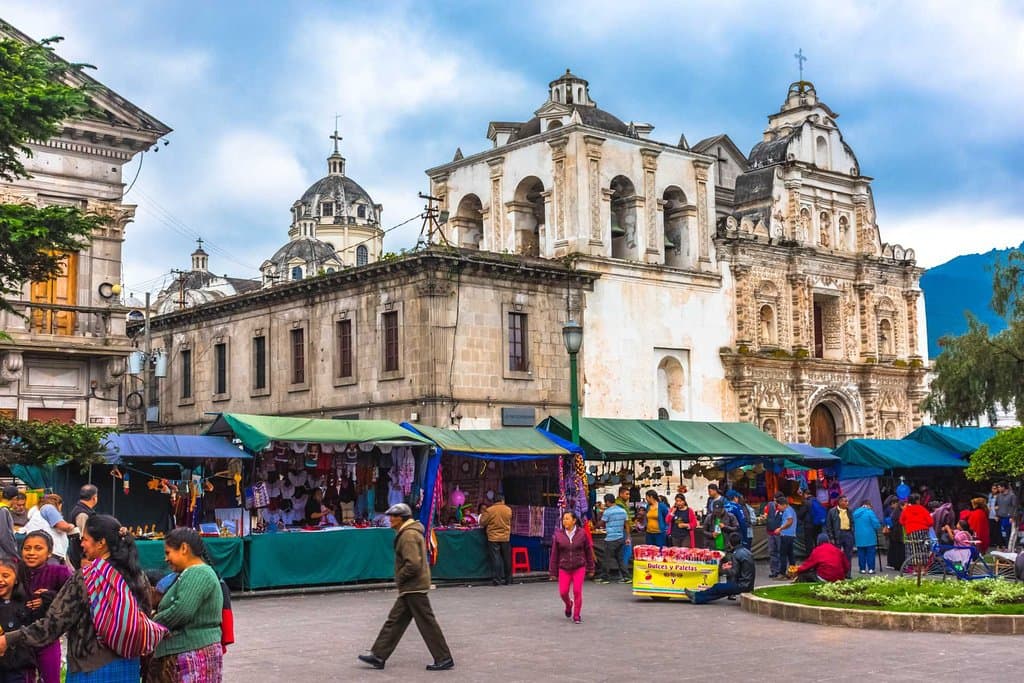
Experience the heart of Salcajá on market day, filled with local produce, crafts, and lively chatter.
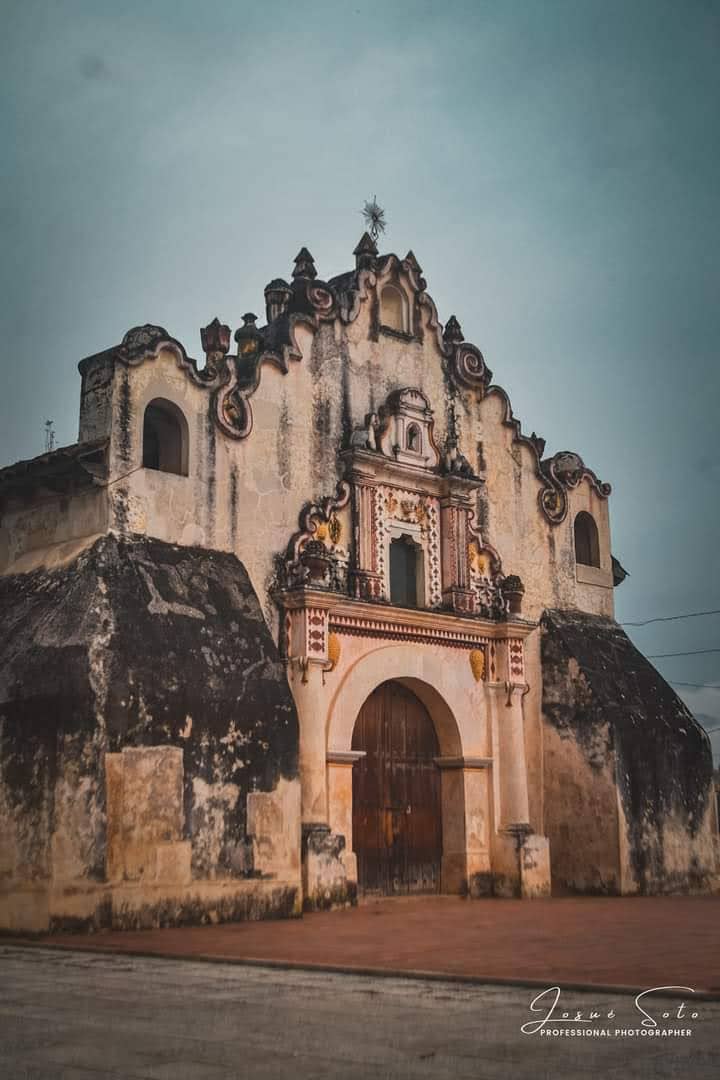
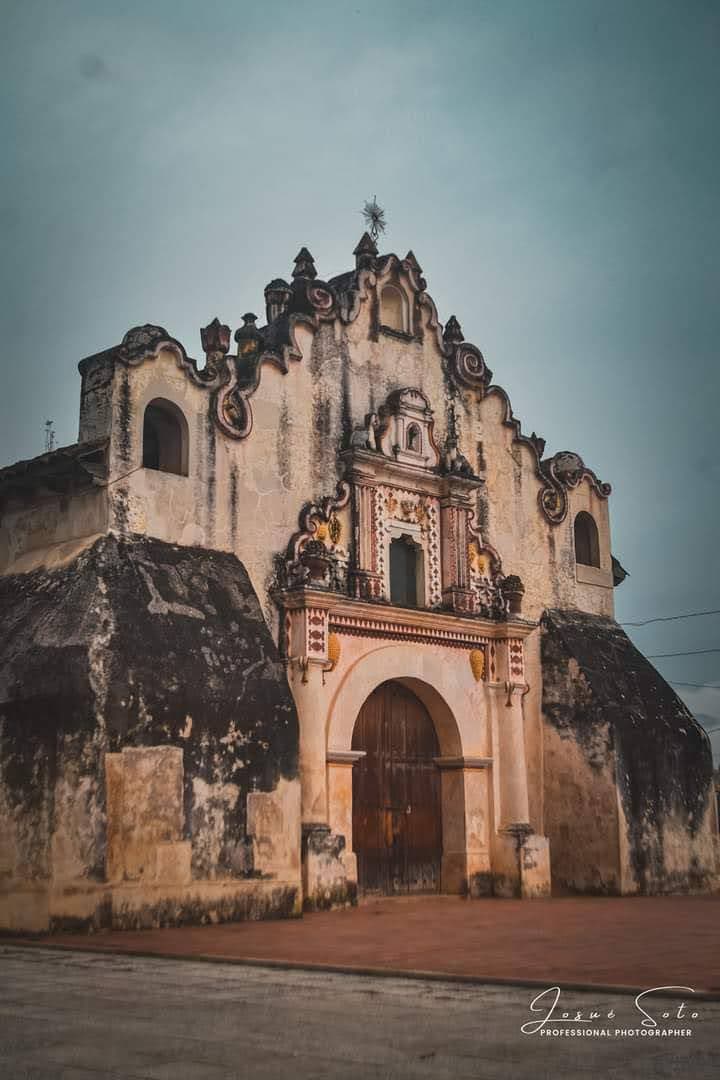
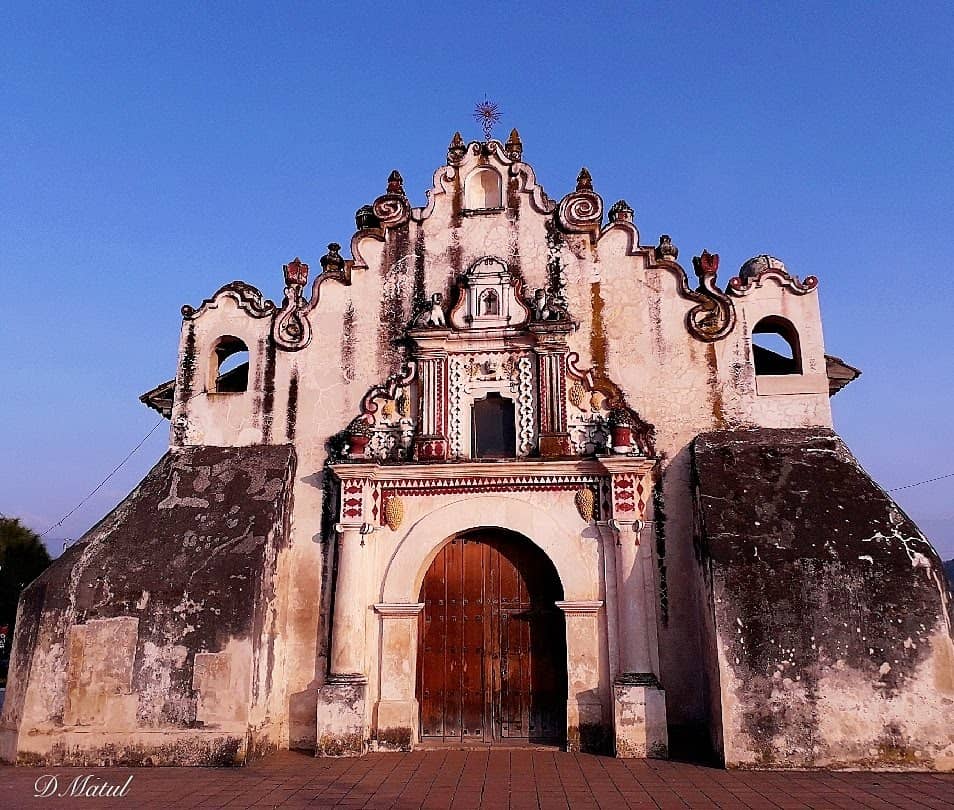
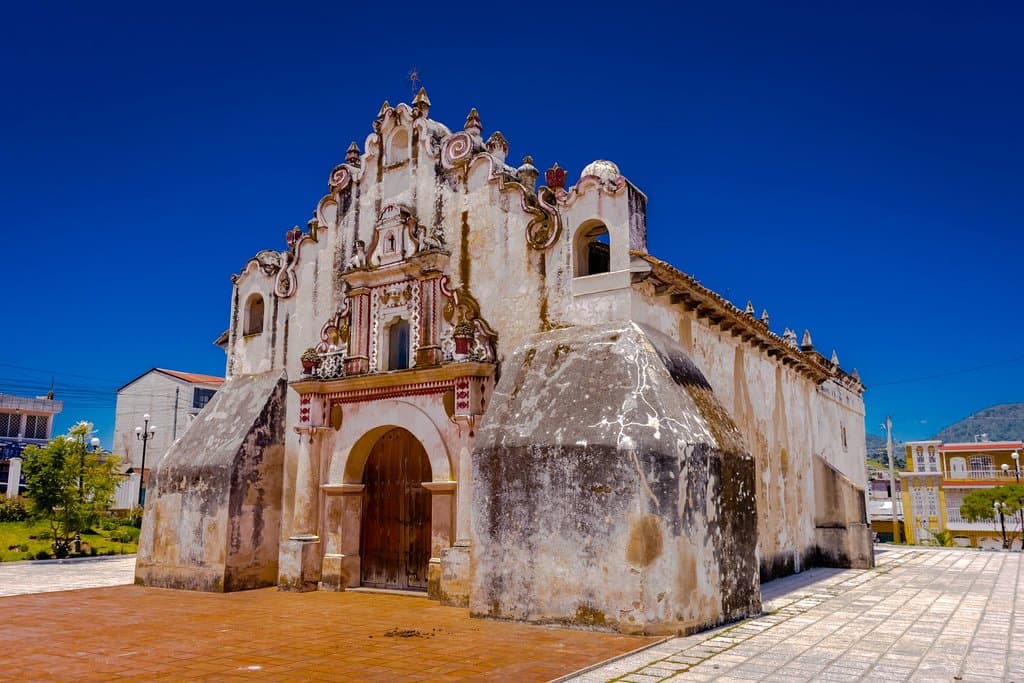
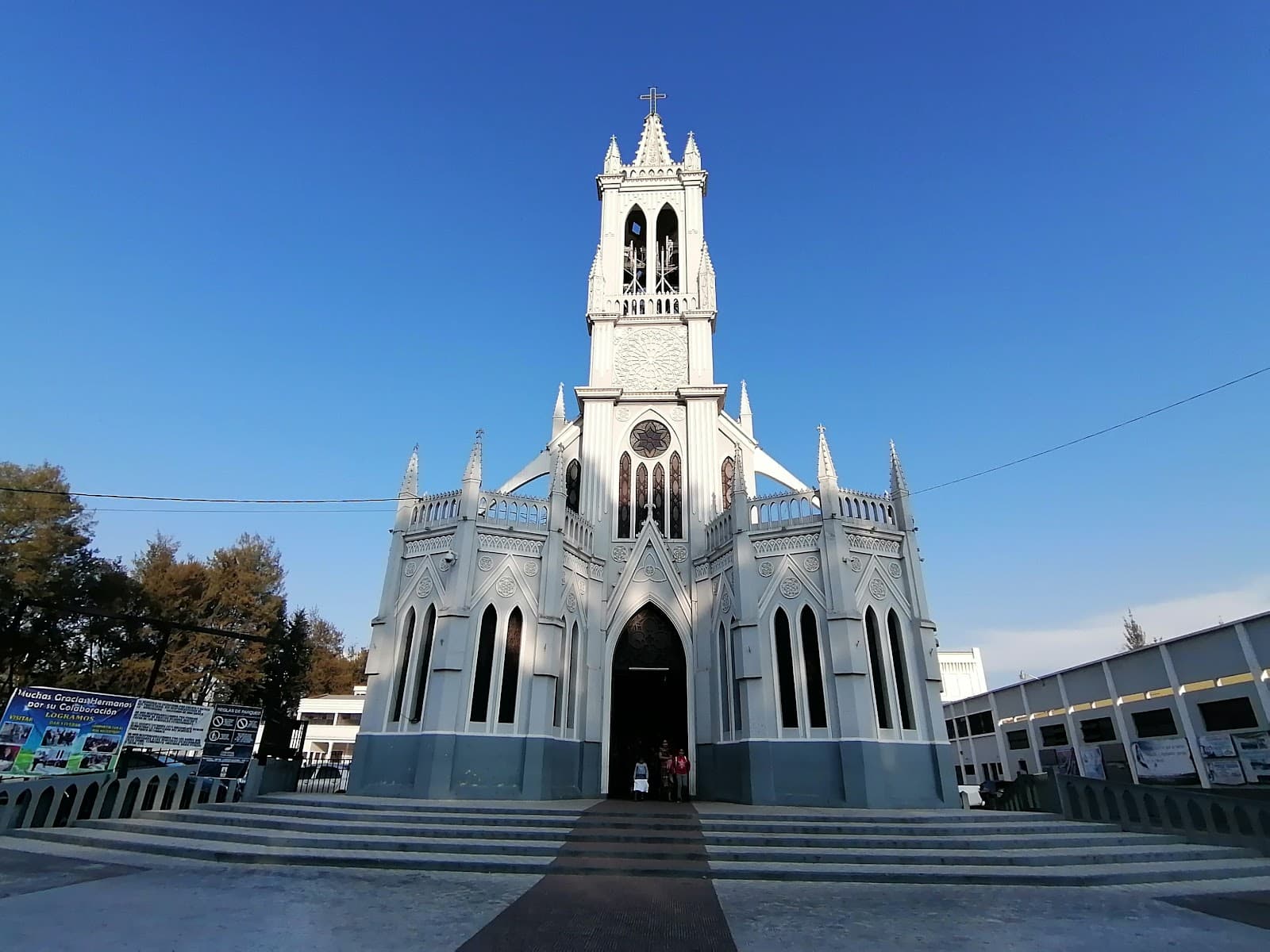
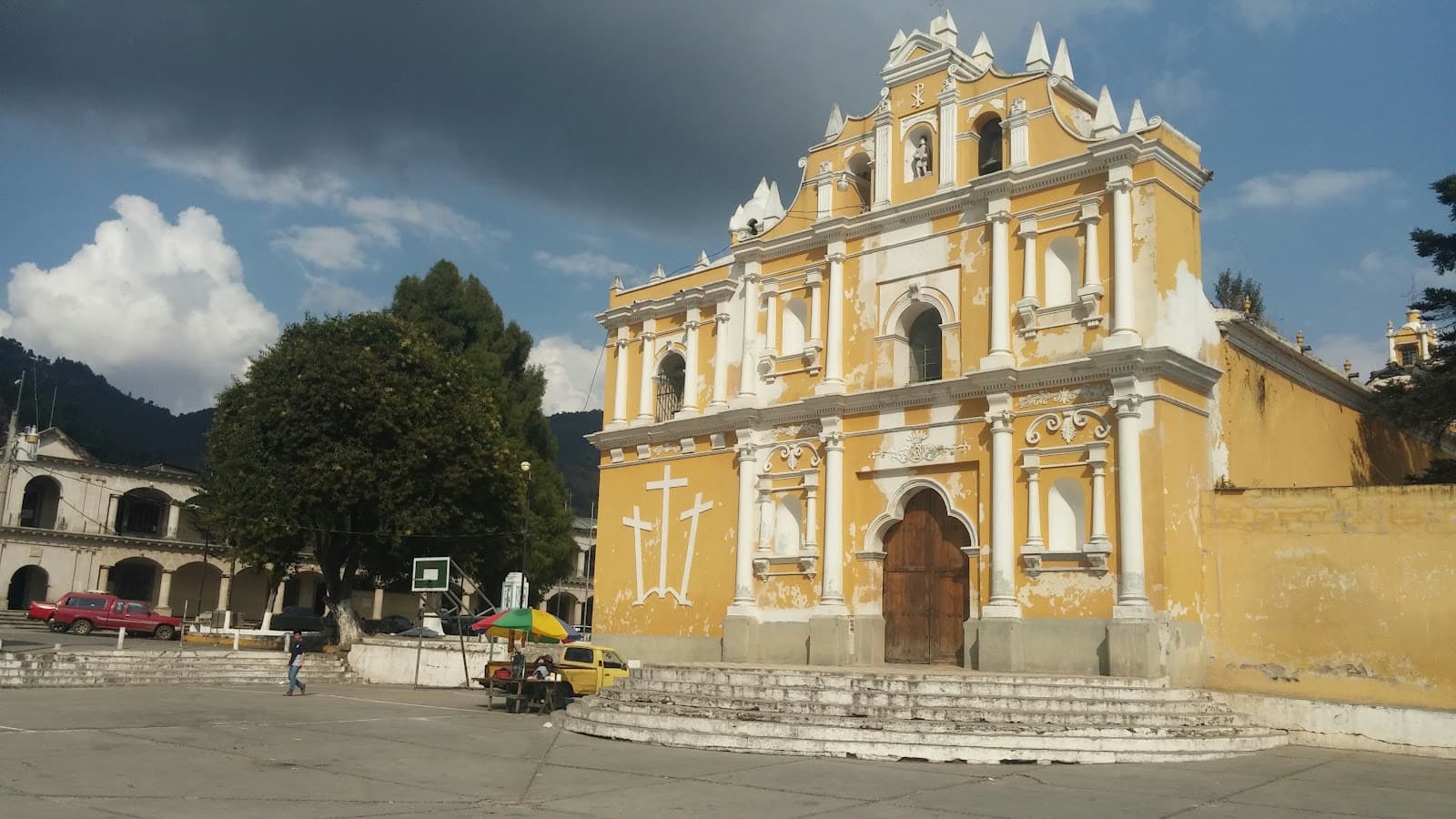
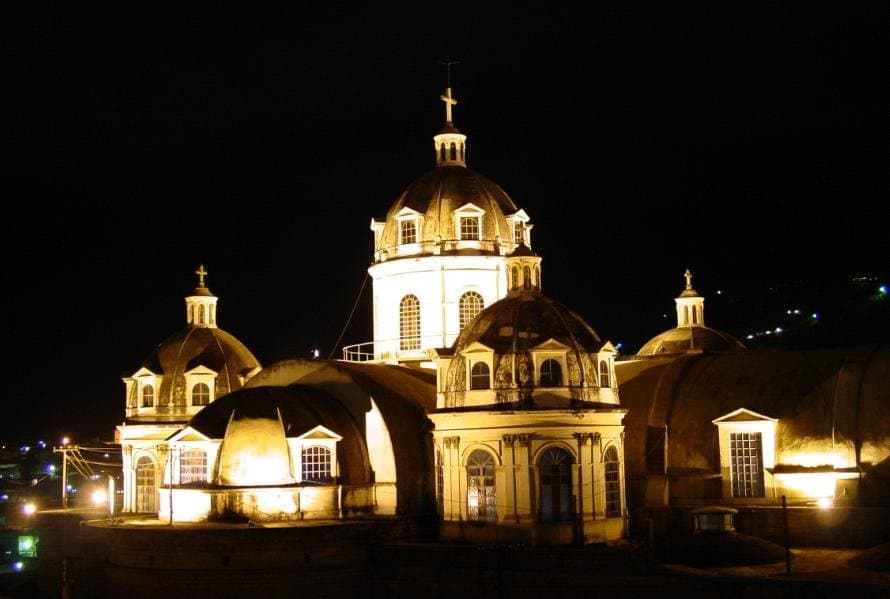
Iglesia de San Juan Bautista
Central Salcajá
A beautiful colonial church offering a peaceful respite and a glimpse into local religious life.
Plans like a pro.
Thinks like you
Planning Your Visit
Embrace the Local Pace
Market Day Buzz
Best Times
Insider Tips
from TikTok, Instagram & Reddit
🤝 Support Local Artisans
Buy directly from weavers to get the best prices and support their craft. Look for unique pieces!
🗣️ Learn Basic Spanish
A few phrases go a long way in connecting with locals and understanding their craft.
💧 Stay Hydrated
Guatemala can be warm. Carry water, especially when exploring the market or workshops.
📸 Ask Before Photographing
Always seek permission before taking photos of people or their work.
Tips
from all over the internet
🤝 Support Local Artisans
Buy directly from weavers to get the best prices and support their craft. Look for unique pieces!
🗣️ Learn Basic Spanish
A few phrases go a long way in connecting with locals and understanding their craft.
💧 Stay Hydrated
Guatemala can be warm. Carry water, especially when exploring the market or workshops.
📸 Ask Before Photographing
Always seek permission before taking photos of people or their work.
What Travellers Say
Reviews Summary
Salcajá is celebrated for its rich textile heritage and authentic cultural experience. Visitors praise the opportunity to witness traditional weaving firsthand and purchase beautiful, handcrafted items directly from artisans. The town offers a glimpse into genuine Guatemalan life, particularly vibrant on market days. Some find the pace slow, and English is not widely spoken, requiring some Spanish or patience.
What People Like
What People Dislike
Frequently Asked Questions
🚇 🗺️ Getting There
The easiest way to reach Salcajá from Quetzaltenango (Xela) is by taking a local 'microbus' or 'camioneta'. These are frequent and inexpensive. The journey is short, typically around 15-20 minutes. You can catch them from the main terminal in Xela. Some travelers also opt for taxis for more direct transport, but this will be more costly.
Yes, Salcajá is well-connected by public transport. From Guatemala City or other major hubs, you'll likely need to travel to Quetzaltenango first, and then take a local microbus to Salcajá. The network of buses in Guatemala is extensive.
Salcajá is a small town, and most attractions are within walking distance, especially around the central area. For longer distances or if you're tired, local tuk-tuks are available for short rides.
There are no direct buses from Antigua to Salcajá. You would typically need to take a bus from Antigua to Quetzaltenango and then transfer to a local microbus for Salcajá.
From Quetzaltenango, expect about 15-20 minutes. From Guatemala City, the bus journey to Quetzaltenango is around 3-4 hours, so add the short trip to Salcajá.
🎫 🎫 Tickets & Entry
No, Salcajá is a town, not a ticketed attraction. You do not need to purchase entry tickets to visit the town itself, its market, or its church. However, some private artisan workshops might have a small fee for demonstrations or tours.
Generally, visiting the workshops to browse or purchase is free. If you wish to see a demonstration of the weaving process, some artisans may charge a small fee, typically a few dollars, to cover their time and materials. It's always polite to ask.
The main market day is usually on Thursdays, with stalls setting up early in the morning and continuing through the afternoon. Smaller markets or vendors might be present on other days, but Thursday is the most vibrant. The church is generally open during daylight hours.
Absolutely! Buying directly from artisans is highly encouraged. It ensures you get authentic pieces and support the local community directly. Many workshops are open for visitors to browse and purchase.
No, the Iglesia de San Juan Bautista is a public church and does not have an admission fee. Visitors are welcome to enter and admire its architecture and peaceful atmosphere, but donations are always appreciated.
🎫 🛍️ Shopping & Crafts
Salcajá is renowned for its exquisite hand-woven textiles. Look for huipiles (traditional blouses), cortes (skirts), scarves, blankets, and wall hangings. You'll also find embroidered items and other local crafts.
The best place to find authentic textiles is directly from the artisan workshops scattered throughout the town. Many families have been weaving for generations. The central market also offers a variety of goods, but it's worth visiting individual studios for unique pieces.
Look for intricate patterns, natural dyes (though synthetic dyes are also common), and the quality of the weave. Ask the artisans about their process and the materials they use. Buying directly from them is the best way to guarantee authenticity.
Prices vary greatly depending on the complexity of the design, the size of the item, and the materials used. Simple scarves might start around $10-20 USD, while elaborate huipiles or blankets can range from $50 to several hundred dollars. Bargaining is possible but should be done respectfully.
While textiles are the main draw, you might also find local pottery, wooden crafts, and traditional food items at the market. However, the focus is overwhelmingly on the vibrant weaving traditions.
🍽️ 🍽️ Food & Dining
In Salcajá, you can find traditional Guatemalan staples like 'pepián' (a rich stew), 'jocón' (chicken in a green sauce), and various grilled meats. Look for 'tamales' and 'atol' (a warm corn-based drink) especially during market days. Fresh fruits and local breads are also readily available.
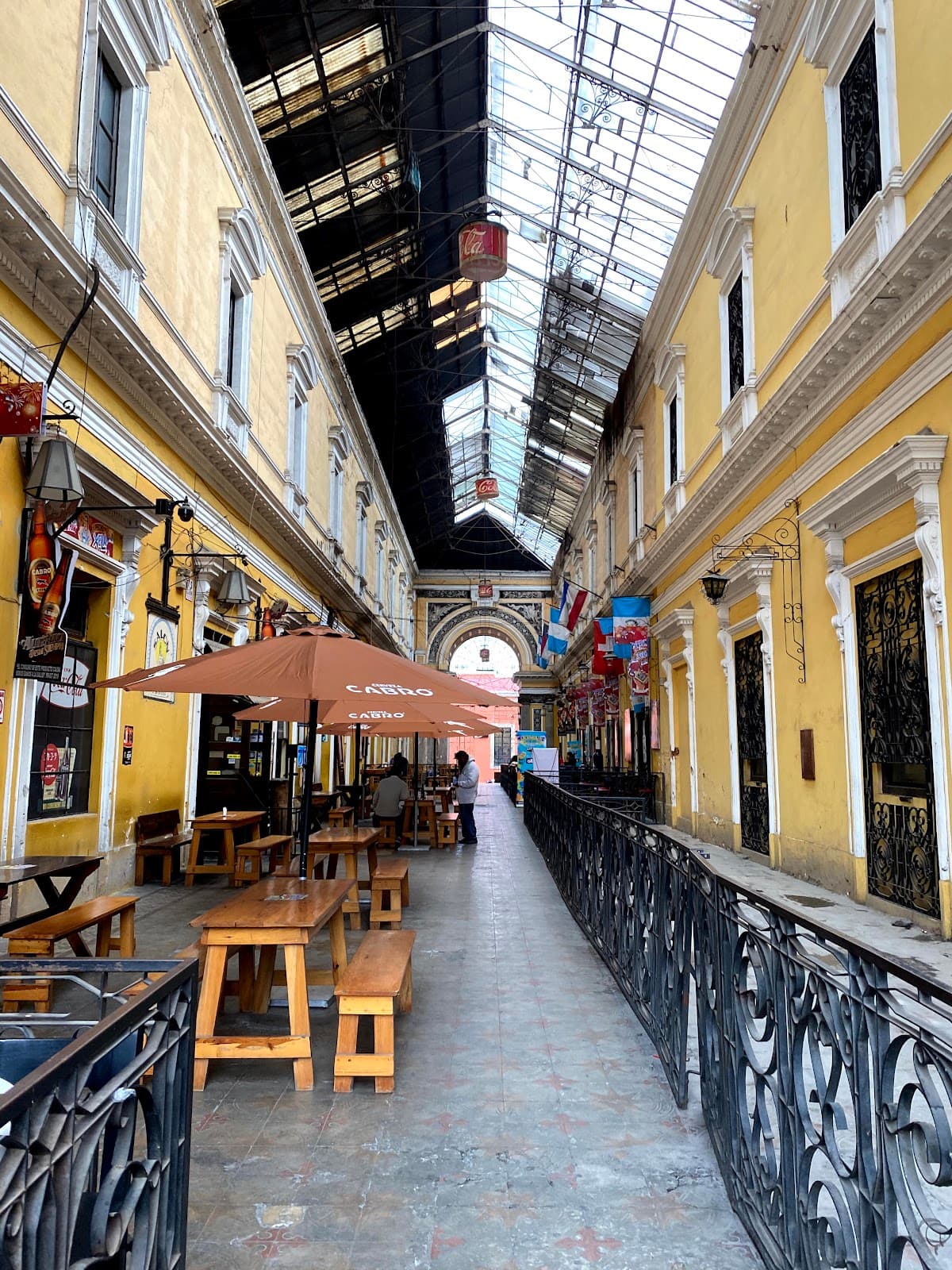
For authentic local flavors, seek out small 'comedores' (eateries) or stalls in the central market. These often offer delicious and affordable set meals ('platos del día'). There are also a few small restaurants in the town center offering a wider range of dishes.
While many traditional dishes are meat-based, you can often find vegetarian options like rice, beans, tortillas, and vegetable stews. It's best to ask at the comedores if they can prepare a dish without meat or if they have specific vegetarian choices.
Eating at local comedores or market stalls is very affordable, with meals often costing between Q25-Q50 (approximately $3-7 USD). Restaurants might charge slightly more, but it remains budget-friendly compared to tourist hubs.
Yes, you can find local coffee at most eateries. Small shops and market vendors also sell snacks like pastries, fruits, and local sweets. Look for 'panaderías' for fresh bread.
📸 📸 Photography
The vibrant colors of the hand-woven textiles are a photographer's dream. Capture the intricate details of the weaving process, the bustling market scenes, the colonial architecture of the church, and the everyday life of the town's residents.
It's always best practice to ask for permission before photographing people, especially artisans in their workshops. Many are happy to be photographed, especially if you show interest in their craft, and some may appreciate a small tip or a purchase.
Early morning light is often ideal for capturing the market's activity and the soft glow on the town. Late afternoon can also provide beautiful light for architectural shots and portraits. Midday sun can be harsh.
The central market on a busy day offers dynamic street photography. The courtyard and facade of the Iglesia de San Juan Bautista are picturesque. Wander through the streets to find colorful doorways and local scenes. Visiting a weaving workshop offers close-ups of the craft.
A versatile lens like a 24-70mm is great for capturing both wider scenes and details. A prime lens (like a 50mm) can be excellent for portraits and low-light situations in workshops or the church. A wide-angle lens can be useful for market scenes. Don't forget extra batteries and memory cards!



Social
from TikTok, Instagram & Reddit