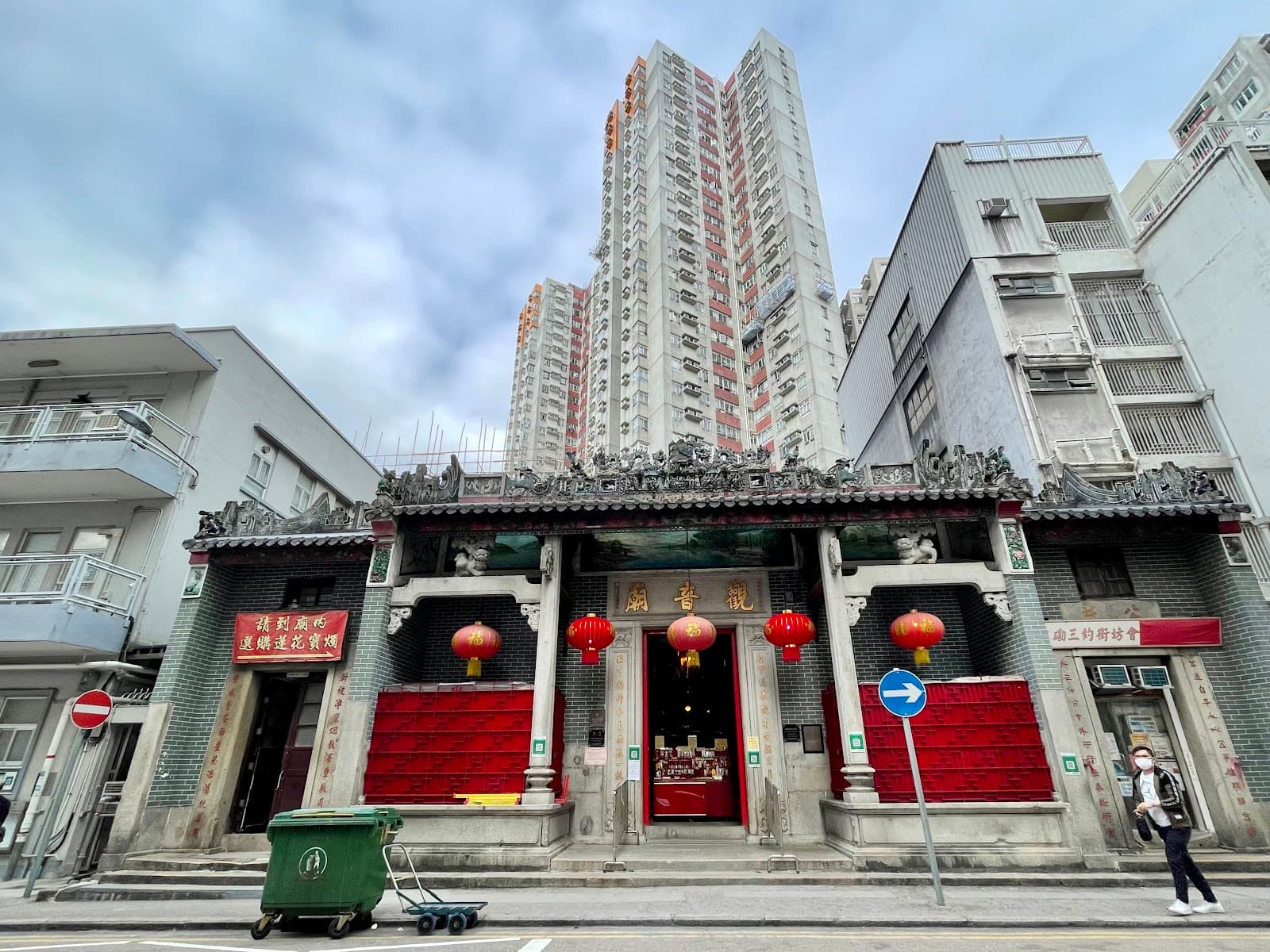
Hung Hom Kwun Yum Temple Kowloon Hong Kong
A historic 1873 temple dedicated to Kwun Yum, offering a glimpse into local faith amidst Kowloon's bustle.
Highlights
Must-see attractions

Social
From TikTok & Reddit
Best Time
Witness evening prayers
Hung Hom Kwun Yum Temple Kowloon Hong Kong
Best Time
Witness evening prayers
Highlights
Must-see attractions
A historic 1873 temple dedicated to Kwun Yum, offering a glimpse into local faith amidst Kowloon's bustle.
"The incense smoke can be intense, but it's a meaningful destination for worship and reflection."
😷 Bring a Mask
The incense smoke can be thick. A mask or cloth will make your visit much more comfortable.
🙏 Respectful Attire
Dress modestly out of respect for this active place of worship.
Highlights
Discover the most iconic attractions and experiences
Kwun Yum Statue
Main Hall
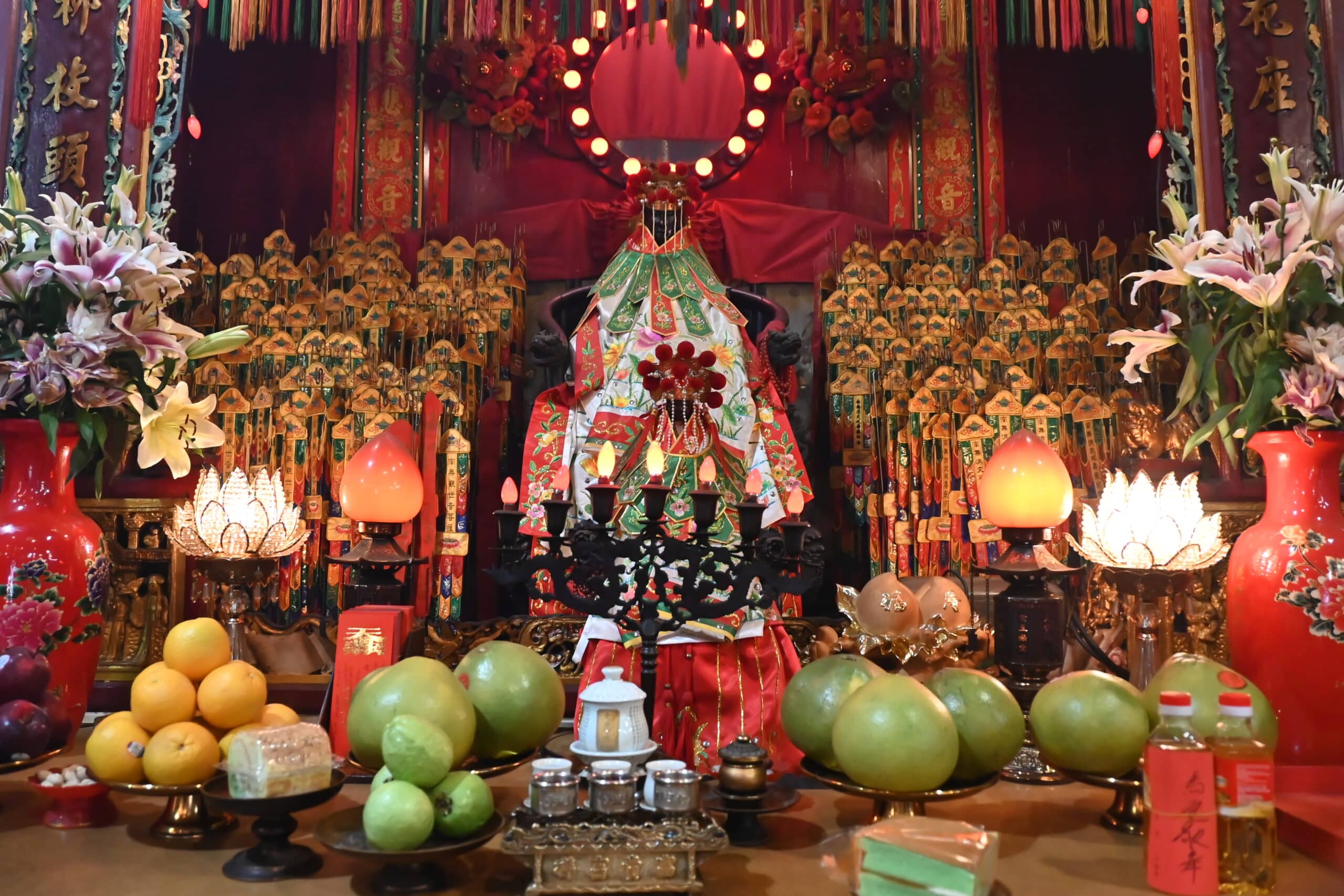
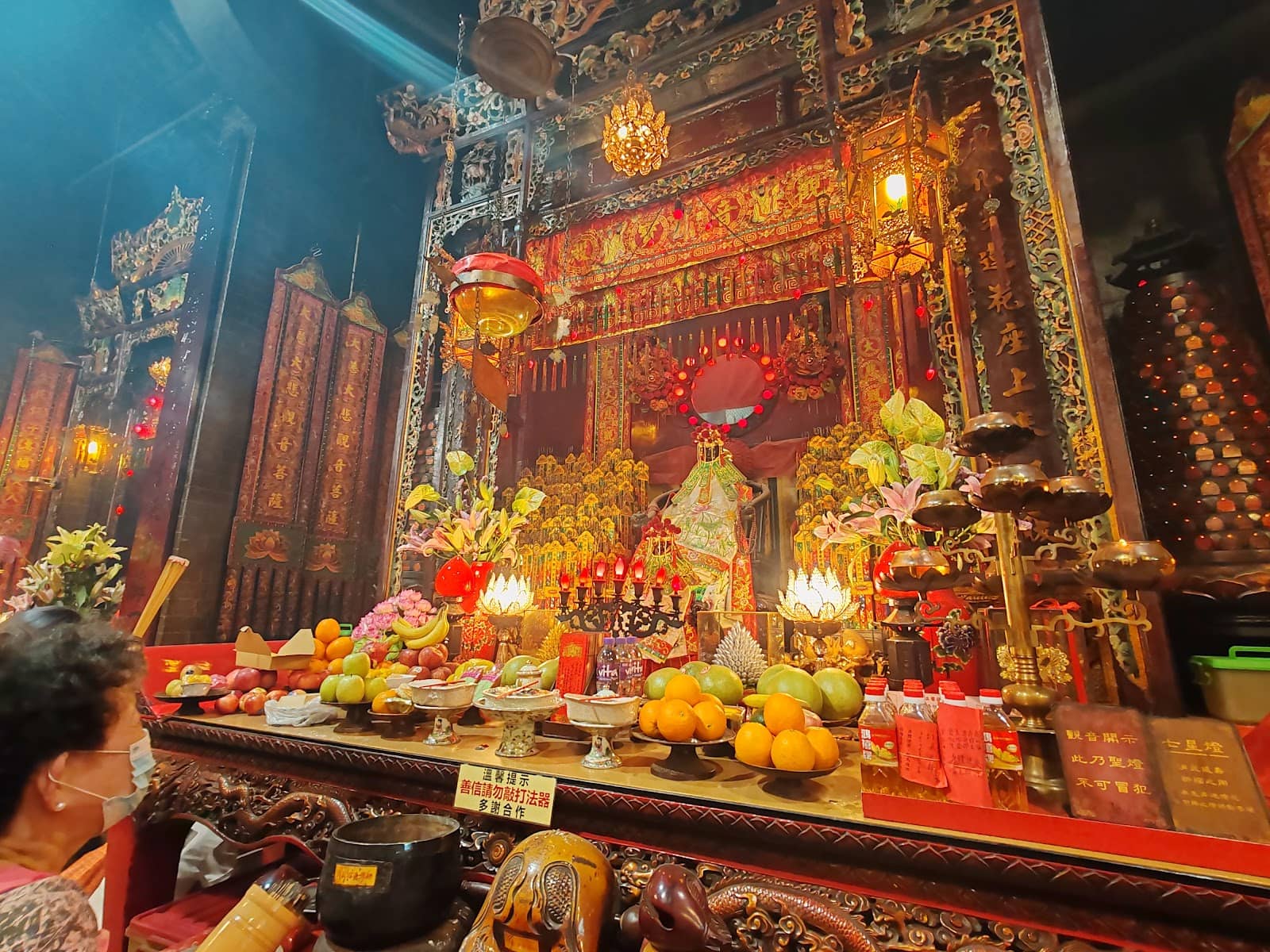
The central, revered statue of the Goddess of Mercy, drawing devotees seeking blessings and solace.
Traditional Temple Architecture
Exterior and Interior
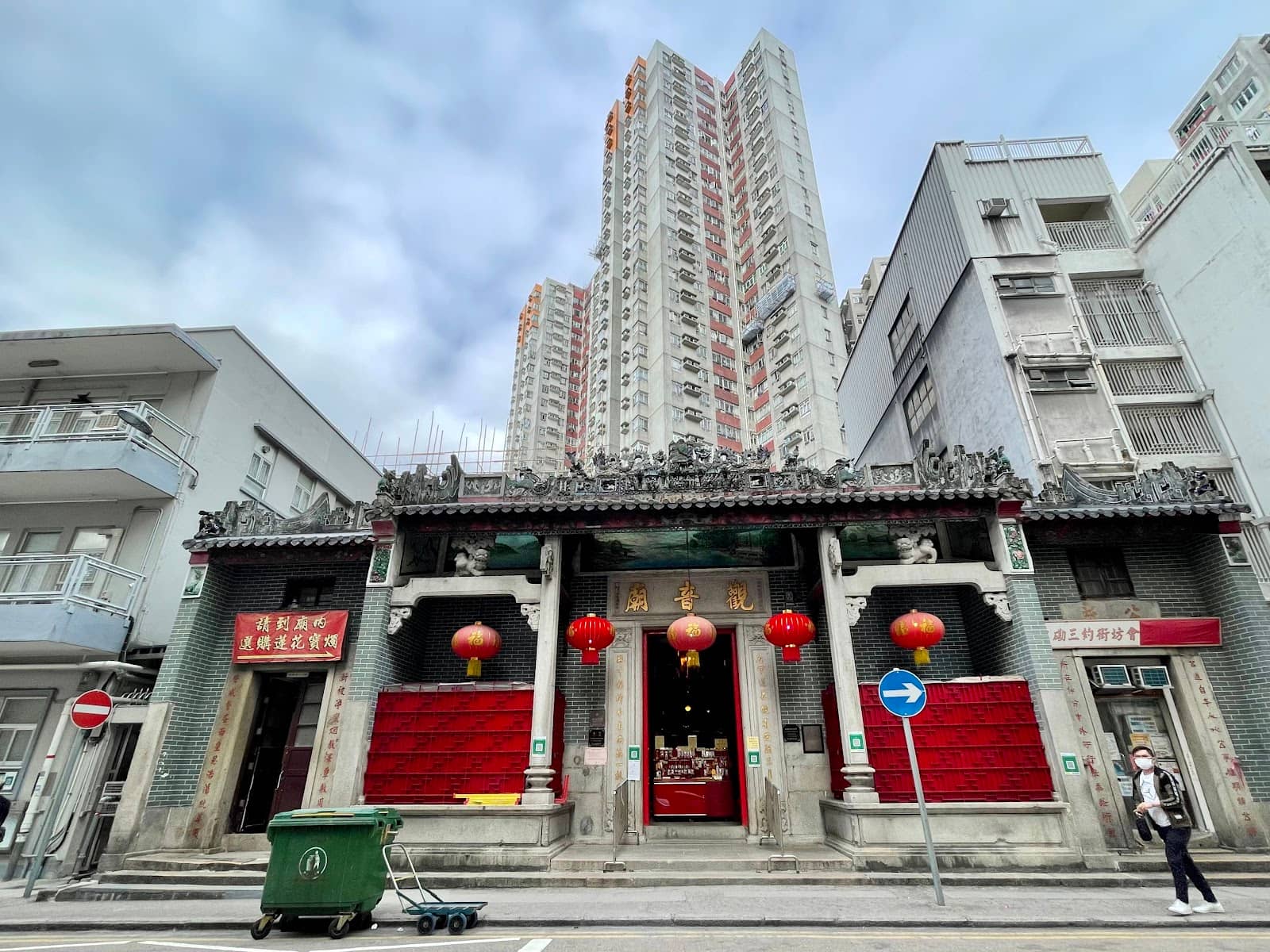
Experience the classic Chinese pavilion design, a tranquil architectural gem amidst urban Kowloon.
Devotee Offerings
Throughout the temple
Witness the vibrant displays of incense, flowers, and fruits offered by worshippers seeking good fortune.
Plans like a pro.
Thinks like you
Planning Your Visit
Navigating the Incense Haze
A Glimpse into Local Faith
Best Times
Insider Tips
from TikTok, Instagram & Reddit
😷 Bring a Mask
The incense smoke can be thick. A mask or cloth will make your visit much more comfortable.
🙏 Respectful Attire
Dress modestly out of respect for this active place of worship.
⏳ Allow Time for Reflection
While small, take a moment to absorb the spiritual atmosphere and observe local customs.
📸 Be Mindful of Photos
Capture the essence, but be discreet and avoid disrupting worshippers.
Tips
from all over the internet
😷 Bring a Mask
The incense smoke can be thick. A mask or cloth will make your visit much more comfortable.
🙏 Respectful Attire
Dress modestly out of respect for this active place of worship.
⏳ Allow Time for Reflection
While small, take a moment to absorb the spiritual atmosphere and observe local customs.
📸 Be Mindful of Photos
Capture the essence, but be discreet and avoid disrupting worshippers.
What Travellers Say
Reviews Summary
Hung Hom Kwun Yum Temple is a historically significant and spiritually active site, offering a glimpse into local worship. While many appreciate its authentic atmosphere and traditional architecture, the intense incense smoke is a recurring concern for visitors, with some finding it overwhelming. It's a place that offers a unique cultural experience for those prepared for its distinct environment.
"On my final day in Hong Kong, I visited four temples. Hung Hom Temple was my least favourite temple out of the four.
There were a lot of sketchy people and really narrow sidewalks.
I could only last 30 seconds inside due to the amount of smoke from the incense burning.
Out of the six temples I visited, this was the only one I would never return to."
Logan Saunders
"Hung Hom Kwun Yum Temple is a historically significant and culturally revered temple in Hong Kong, dedicated to Kwun Yum (Guan Yin), the Goddess of Mercy. She is widely worshipped by those seeking blessings for prosperity, success, and protection from misfortune.
Inside the temple, the statue of Kwun Yum is enshrined as the primary deity, drawing devotees who come to pay their respects and offer prayers. Additionally, the temple houses other revered Chinese deities, such as Cai Shen (the God of Wealth) and Yu Huang (the Jade Emperor), making it a spiritually significant site for a variety of blessings.
However, one notable aspect of the temple is the heavy presence of incense smoke, which can make breathing uncomfortable and cause eye irritation. The temple is frequently filled with worshippers lighting incense sticks as offerings, resulting in a thick haze throughout the premises. Visitors who are sensitive to smoke or have respiratory concerns may find it beneficial to bring a mask or a cloth to cover their nose and mouth.
Overall, Hung Hom Kwun Yum Temple is a deeply spiritual and sacred place, offering a profound cultural and religious experience. While the overwhelming incense smoke may be a challenge for some, those who can tolerate it will find the temple a meaningful destination for worship and reflection in Hong Kong."
Surakul
"The Kwun Yum Temple is the most famous among the great number of them in the territory. It was built in 1873. In 1909, a road was constructed to connect Hung Hom with Tsim Sha Tsui and Kowloon City. When workers were digging in the hilly areas, red water spouted from the ground. It was rumoured that the vein of the dragon that inhabited in that area had been ruptured as a result of the work. The workers were frightened to continue with the road construction. Despite laboratory findings that the colour of the water was due to a mixture of underground deposits of sulphur and mercury, the workers were still worried and donated money to renovate the temple in the belief that Kwun Yum would be able to help them to avert any subsequent disaster.
During the second World War, it was said that Hung Hom district was under bombardments, aiming at destroying the Whampoa Dock. There were heavy casualties in the adjacent school but those people taking shelter in the temple were unharmed. The residents in the area believed that it was a miracle of Kwun Yum.
Kwun Yum or Kwun Sai Yum (觀世音) is known for centuries as a deity of sympathy, compassion and mercy, hearing the pleas of those who are suffering. She is worshipped by people of both the Taoist and Buddhist religions. Kwun Yum in the earlier times was a male divinity, but evolved to be a female deity in Tang Dynasty (唐朝). Arising from a saying that Kwun Yum studied Taoist teachings on lotus blossoms, some Kwun Yum Temples are also called Lin Fa Kung or Palace of Lotus Flower (蓮花宮). Temples dedicated to Kwun Yum are often alternatively known as Shui Yuet Kung or Palace of Water and Moon (水月宮), which stands for all that is quiet and peaceful and detached from the material world.
Architecturally, the temple is a traditional Chinese temple. The front hall is shaped like a Chinese pavilion. The middle hall looks like a covered-year and the rear part is the main hall where the images of the deities are placed."
Cocowlyn
What People Like
What People Dislike
Frequently Asked Questions
🚇 🗺️ Getting There
The temple is accessible via public transport. Take the MTR to Hung Hom Station and it's a short walk. Alternatively, various bus routes serve the Hung Hom area.
Yes, it's located in the bustling Hung Hom district, close to Whampoa Garden and other local amenities.
You can take a bus or a short taxi ride from Tsim Sha Tsui to Hung Hom. The MTR is also a convenient option.
Parking can be challenging in Hung Hom. It's generally recommended to use public transportation.
Yes, ride-sharing apps are available in Hong Kong and can be a convenient way to reach the temple directly.
🎫 🎫 Tickets & Entry
No, admission to Hung Hom Kwun Yum Temple is free. It's a place of worship open to all.
The temple is generally open daily from morning until early evening. Specific hours can vary, but it's typically accessible throughout daylight hours.
There's no need to book tickets as entry is free and on a walk-in basis.
The temple can be busier on festival days dedicated to Kwun Yum, such as her birthday.
Donations are welcome and can be made at designated points within the temple to support its upkeep.
🎫 🧭 Onsite Experience
Expect a significant amount of incense smoke, as it's a core part of the worship. Visitors sensitive to smoke may want to wear a mask.
The primary deity is Kwun Yum (Goddess of Mercy), but other deities like Cai Shen (God of Wealth) are also present.
Yes, you can take photos, but be respectful of worshippers and avoid intrusive photography.
A visit can be brief, around 15-30 minutes, depending on how long you wish to observe or participate.
Basic facilities may be available, but it's advisable to use restrooms before or after your visit if you have specific needs.
🍽️ 🍽️ Food & Dining
The temple itself does not have food services. However, the surrounding Hung Hom area offers numerous local eateries and restaurants.
You can find classic Hong Kong snacks like milk tea and pineapple buns in nearby cafes.
Devotees often offer fruits and other food items as part of their prayers.
Yes, Hong Kong has a growing number of vegetarian and vegan-friendly restaurants, many of which can be found in the Hung Hom district.
Yes, incense sticks and other small offerings are typically available for purchase from vendors outside or within the temple grounds.
📸 📸 Photography
The main hall with the Kwun Yum statue and the traditional pavilion-style entrance are popular photo spots.
It's best to avoid using flash photography out of respect for the sacred space and worshippers.
A camera with good low-light performance is beneficial due to the incense smoke and indoor lighting.
Drone photography is generally not permitted in such urban and religious areas.
Use a slightly slower shutter speed to capture the ethereal movement of the smoke, but be mindful of your surroundings.
For Different Travelers
Tailored advice for your travel style
👨👩👧 Families with Kids
While there aren't specific child-centric activities, it can be an educational opportunity to introduce children to different cultural and religious practices in Hong Kong. Focus on the visual aspects of the temple architecture and the offerings, explaining the significance of Kwun Yum as a compassionate deity.
🧘 Solo Travelers & Spiritual Seekers
Be prepared for the incense smoke, which can be intense, but many find it adds to the mystical ambiance. Take your time to absorb the spiritual energy and reflect on the history and significance of Kwun Yum.
📸 Photography Enthusiasts

However, it's crucial to be discreet and respectful. Avoid using flash, and be mindful of worshippers' privacy. The smoke can create atmospheric effects, but also challenges for clear shots, so experiment with settings to capture the mood.
Deep Dives
In-depth insights and expert knowledge
The Spiritual Significance of Kwun Yum
At Hung Hom Kwun Yum Temple, the statue of Kwun Yum is the central focus, drawing devotees seeking blessings for prosperity, success, and protection from misfortune. The temple also houses other deities like Cai Shen (God of Wealth) and Yu Huang (Jade Emperor), making it a multifaceted spiritual destination for various blessings.
Many visitors find the temple a profound place for worship and reflection. While the intense incense smoke can be a challenge for some, the spiritual atmosphere and the opportunity to witness local devotion make it a meaningful experience for those who can tolerate the environment.
A Glimpse into Hong Kong's History
During World War II, the Hung Hom district faced heavy bombardments targeting the Whampoa Dock. While adjacent areas, including a school, suffered casualties, those taking shelter in the temple reportedly remained unharmed. This event further solidified the residents' belief in Kwun Yum's miraculous protection.
Architecturally, the temple embodies traditional Chinese temple design, featuring a pavilion-shaped front hall, a covered middle hall, and the main hall housing the deities. This historical context adds depth to a visit, offering a tangible connection to Hong Kong's past and the enduring faith of its people.
Navigating the Incense and Atmosphere
Travelers often advise bringing a mask or a damp cloth to cover your nose and mouth to mitigate the effects of the smoke. Despite this, many find the spiritual atmosphere and the opportunity to witness authentic local devotion to be a worthwhile experience.
It's important to approach the visit with an understanding of the temple's active religious function. While it's a place to explore, maintaining a respectful demeanor and being mindful of the devotees' prayers and rituals is key to appreciating the temple's true essence.
Social
from TikTok, Instagram & Reddit