Sham Shui Po Service Reservoir
Discover Hong Kong's 'mini Rome' - a historic Romanesque reservoir offering a unique architectural marvel and a glimpse into the city's past.
Highlights
Must-see attractions

Social
From TikTok & Reddit
Best Time
Avoid midday heat & crowds
Sham Shui Po Service Reservoir
Best Time
Avoid midday heat & crowds
Highlights
Must-see attractions
Discover Hong Kong's 'mini Rome' - a historic Romanesque reservoir offering a unique architectural marvel and a glimpse into the city's past.
"You almost forgot you're not in HK for a moment...pictures would lead you to believe you're in Rome or Greece."
👟 Wear Comfortable Shoes
The path up is steep; good footwear is essential for the climb.
💧 Stay Hydrated
Bring water, especially during warmer months, as there are no facilities inside.
Quick Facts
Hours
Rating
4.3 · 769 reviews
Type
Museum
Highlights
Discover the most iconic attractions and experiences
Romanesque Architecture
Interior of the reservoir
Marvel at the impressive granite columns and red brick arches, reminiscent of ancient Roman structures.

Historic Civil Engineering
Throughout the reservoir
Discover a century-old water supply system showcasing unique construction methods and concrete vaults.

Panoramic City Views
On the approach to the reservoir
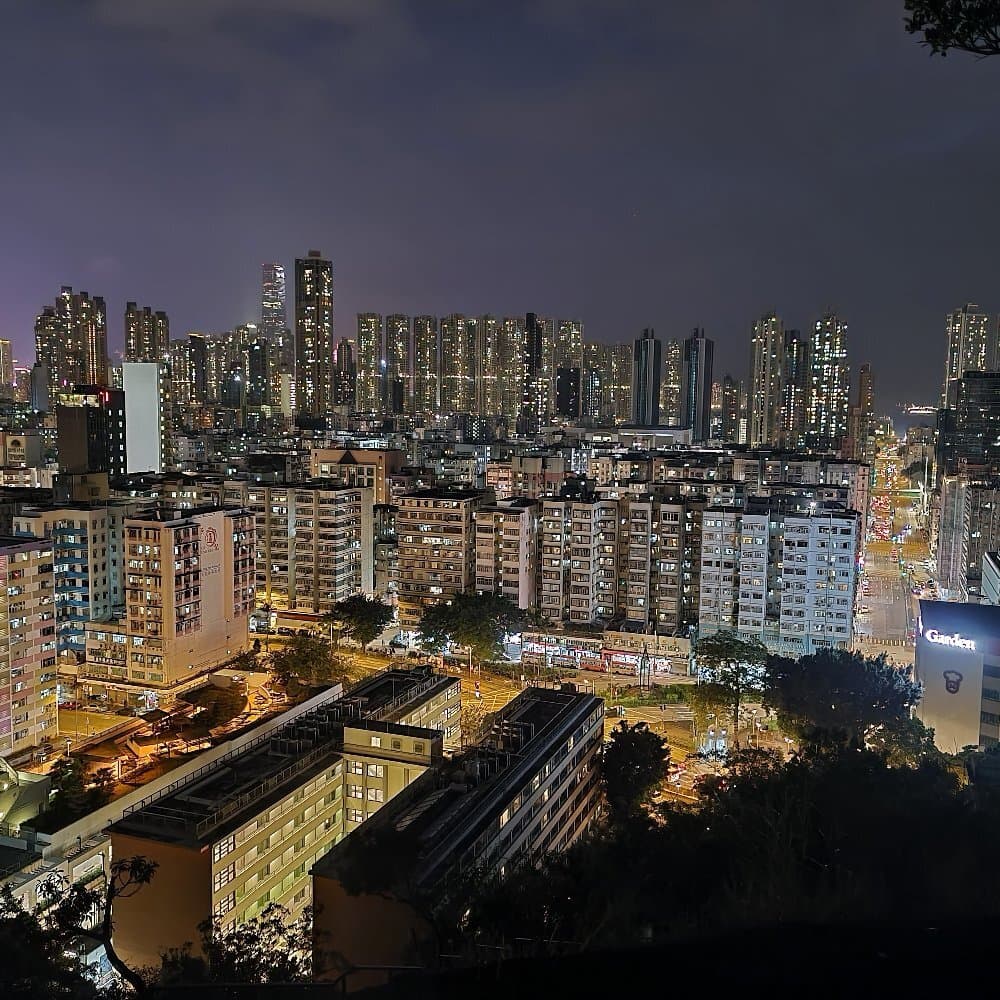
Enjoy scenic vistas of Hong Kong's urban landscape as you ascend the hill.
Plans like a pro.
Thinks like you
Planning Your Visit
Beat the Crowds & Heat
Free Entry, Guided Tours Optional
Best Times
Insider Tips
from TikTok, Instagram & Reddit
👟 Wear Comfortable Shoes
The path up is steep; good footwear is essential for the climb.
💧 Stay Hydrated
Bring water, especially during warmer months, as there are no facilities inside.
🦟 Mosquito Repellent
The trail can have mosquitoes, so pack repellent for a more comfortable visit.
📸 Capture the Architecture
The unique Romanesque style makes for stunning photos.
Tips
from all over the internet
👟 Wear Comfortable Shoes
The path up is steep; good footwear is essential for the climb.
💧 Stay Hydrated
Bring water, especially during warmer months, as there are no facilities inside.
🦟 Mosquito Repellent
The trail can have mosquitoes, so pack repellent for a more comfortable visit.
📸 Capture the Architecture
The unique Romanesque style makes for stunning photos.
⏳ Book Guided Tours Early
Free guided tours offer great insights but book months in advance.
What Travellers Say
Reviews Summary
Visitors praise the Sham Shui Po Service Reservoir for its stunning, unexpected Romanesque architecture and historical significance, calling it a hidden gem. While the climb is steep and the interior space is small, many find the unique visual experience and free admission well worth the effort. Some note the difficulty in booking guided tours.
"The former Sham Shui Po Reservoir 前深水埗配水庫(also known as the Bishop's Hill Reservoir) is a Grade II historic building with over a century of history. The public can visit on their own without prior reservation or by booking a guided tour. Built around 1904, the reservoir features Romanesque civil engineering, including:
Granite Columns: Rectangular stone columns carved from granite support the structure.
Red Brick Arches: Semicircular arches made of red brick connect the stone columns.
Concrete Vaults: The ceiling is a concrete vault.
These unique architectural elements led to its designation as a Grade I historic building in 2021."
Doug Ho
"What a gem 💎! You almost forgot you're not in HK for a moment...pictures would lead you to believe you're in Rome or Greece. Definitely worth walking up these steep steps and sweating for. Not a big place, infact some people will says spend as much time getting up there than being inside this big water tank! But what a tank it is. One of most beautifully build still around. Well done for keeping it."
Jimmy 9
"The area open to the public is pretty small and it takes only a few mins to walk through it. The Water Supplies Department offers free guided tours for visitors. However, due to its popularity, I was unable to secure a spot despite attempting to book several months in advance. Note that you need to hike a bit to reach the site, and beware of mosquitoes on the trail."
YippeeKewl
What People Like
What People Dislike
Frequently Asked Questions
🚇 🗺️ Getting There
The reservoir is located on Woh Chai Hill. You can reach it by public transport to Sham Shui Po and then follow signs for the reservoir. The final approach involves a hike up a hill. Some visitors recommend checking YouTube for detailed route guides. +1
Parking is limited in the immediate vicinity. It's generally recommended to use public transport and walk to the site.
After arriving in Sham Shui Po, you'll need to walk towards Woh Chai Hill. The path is generally marked, but having a map or following local guidance is helpful.
The access involves a steep climb up a hill and stairs, which may be challenging for those with mobility issues.
It's a moderate walk from Sham Shui Po MTR station, requiring you to navigate through urban streets before starting the ascent.
🎫 🎫 Tickets & Entry
No, admission to the Sham Shui Po Service Reservoir is completely free.
The reservoir is open to the public from 9 AM to 12 PM and 2 PM to 5 PM.
Yes, you can visit the reservoir independently without any prior reservation.
Guided tours are offered by the Water Supplies Department and can be booked through their official website. These are very popular and require booking well in advance.
While not always strictly enforced for independent visits, there might be a capacity limit, especially for guided tours.
📸 📸 Photography
The interior with its granite columns and red brick arches offers the most striking photographic opportunities, resembling Roman architecture.

Yes, photography is generally allowed inside the reservoir, allowing you to capture its unique historical architecture.
Natural light filtering into the reservoir can create dramatic effects. Midday light might be harsh, so consider the opening hours for softer light.
Drone usage is typically restricted in historical sites and urban areas in Hong Kong. It's best to check local regulations before attempting to fly a drone.
Consider a wider lens to capture the scale of the columns and arches. Adjust ISO for low-light conditions inside.
🎫 🏛️ History & Architecture
The reservoir was completed around 1904, making it over a century old and a significant piece of Hong Kong's early water infrastructure.
It features a distinctive Romanesque architectural style, characterized by its granite columns, red brick arches, and concrete vaults. +1
It's a Grade II historic building recognized for its unique civil engineering and architectural elements, preserving a piece of Hong Kong's past.
It was a crucial part of Hong Kong's early water supply system, providing clean water to areas like Kowloon Tong, Sham Shui Po, and Tai Hang Tung.
The reservoir was rediscovered and reopened to the public around 2020 after being decommissioned for several decades.
Social
from TikTok, Instagram & Reddit