Hungarian Museum of Transport
Journey through Hungary's industrial past with vintage vehicles and detailed metallurgy exhibits.
Highlights
Must-see attractions

Social
From TikTok & Reddit
Best Time
Fewer crowds, more relaxed viewing
Hungarian Museum of Transport
Best Time
Fewer crowds, more relaxed viewing
Highlights
Must-see attractions
Journey through Hungary's industrial past with vintage vehicles and detailed metallurgy exhibits.
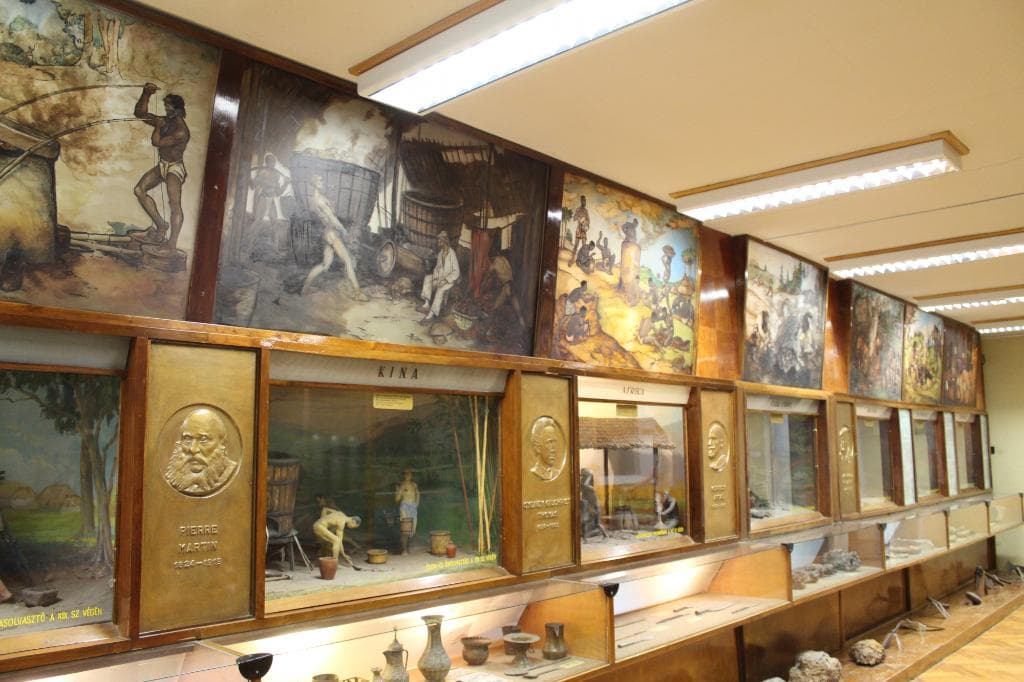
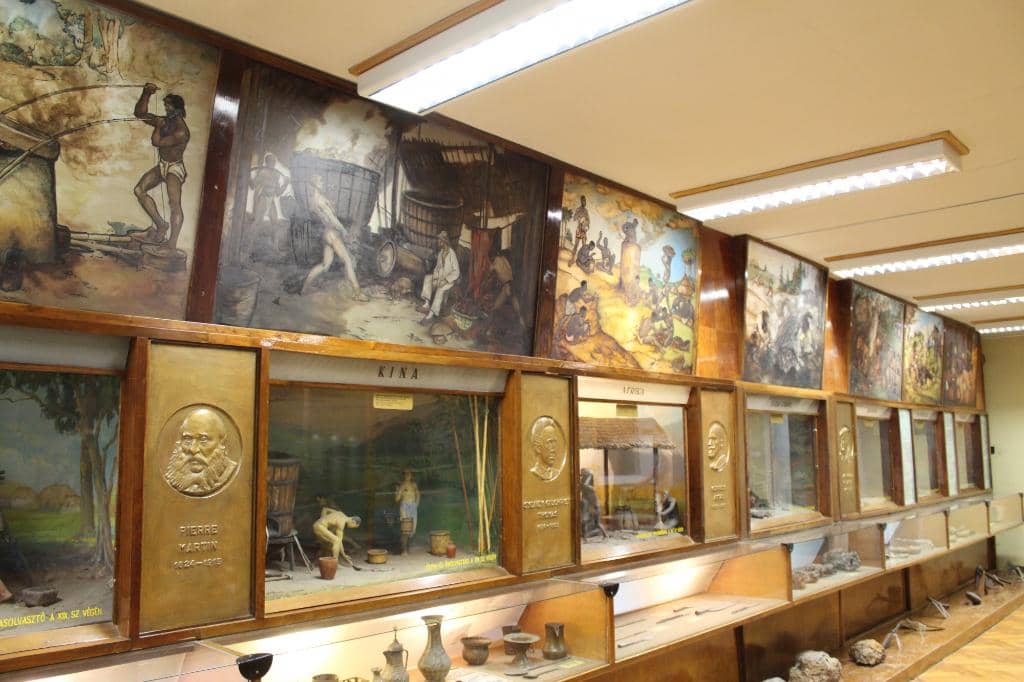
"An interesting small museum, mainly using models and dioramas, presents the development of iron metallurgy."
Allocate Enough Time
Don't rush! This museum offers a deep dive into history, so plan for at least 2-3 hours. :clock1:
Engage with Staff
The museologists are very knowledgeable and happy to share insights. :speech_balloon:
Quick Facts
Hours
Rating
4.8 · 148 reviews
Type
Museum
Highlights
Discover the most iconic attractions and experiences
Vintage Vehicle Collection
Main Exhibition Hall
Marvel at iconic Hungarian vehicles, including classic buses and automotive marvels from a past era.
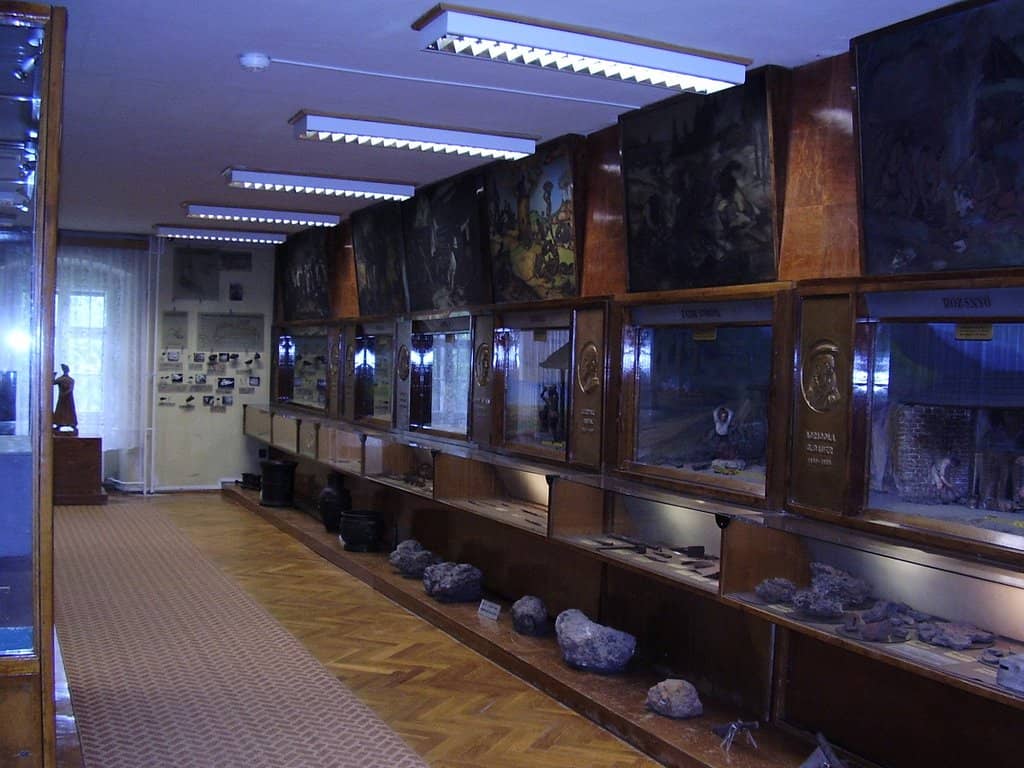
Metallurgy Exhibition
Metallurgy Section
Explore the evolution of iron metallurgy through detailed models and dioramas, from ancient times to today.
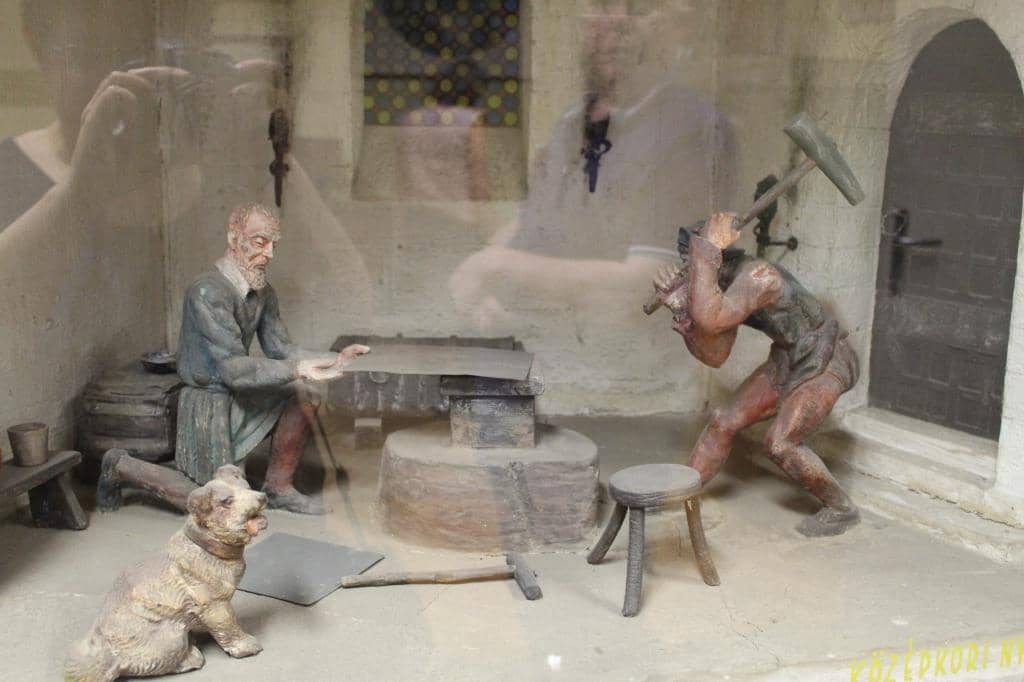
Historical Dioramas
Various Sections
Step back in time with meticulously crafted dioramas that bring historical scenes and industrial processes to life.
Plans like a pro.
Thinks like you
Planning Your Visit
Plan Your Visit to the Hungarian Museum of Transport
What to Expect at the Museum
Best Times
Insider Tips
from TikTok, Instagram & Reddit
Allocate Enough Time
Don't rush! This museum offers a deep dive into history, so plan for at least 2-3 hours. :clock1:
Engage with Staff
The museologists are very knowledgeable and happy to share insights. :speech_balloon:
Combine with Local Sites
Visit Felsőhámor and the Ómessa smelter for a fuller industrial history experience. :world_map:
Not for Interactive Seekers
If you prefer hands-on exhibits, this might not be your top choice. :thinking_face:
Tips
from all over the internet
Allocate Enough Time
Don't rush! This museum offers a deep dive into history, so plan for at least 2-3 hours. :clock1:
Engage with Staff
The museologists are very knowledgeable and happy to share insights. :speech_balloon:
Combine with Local Sites
Visit Felsőhámor and the Ómessa smelter for a fuller industrial history experience. :world_map:
Not for Interactive Seekers
If you prefer hands-on exhibits, this might not be your top choice. :thinking_face:
What Travellers Say
Reviews Summary
Visitors find the Hungarian Museum of Transport to be an interesting and well-maintained museum, particularly for its detailed exhibits on metallurgy and vintage vehicles. While some note it's not highly interactive, the informative displays and knowledgeable staff create a valuable historical experience. It's recommended for those who appreciate a deep dive into industrial heritage.
"If you are visiting, make time for this museum as well. It tells the story of a bygone era that will probably never return to Diósgyőr.
Metallurgy is a lovely and interesting world.
I recommend it not only to families interested in the subject!"
David Dr. Ivanyik
"A very interesting museum. Those who like the atmosphere of old museums will really enjoy the exhibition. Even the air in the museum reminded me of the smell of old museums. I don't recommend it to those who want something interactive. It brings back fond memories for the younger generation. The museologist is very nice and prepared!"
László Tóth
"Central Metallurgical Museum
An interesting small museum, mainly using models and dioramas, presents the development of iron metallurgy from ancient times to the present day."
Janovits Gábor
What People Like
What People Dislike
Frequently Asked Questions
🚇 🗺️ Getting There
The museum is accessible by public transport. Check local bus and train schedules for the most convenient routes. Parking may be limited, so public transit is often recommended.
Parking availability can vary. It's advisable to check with the museum directly or look for public parking lots in the vicinity.
From Budapest, you can typically take a train or bus to the nearest major town and then connect with local transport to reach the museum. Researching train routes in advance is recommended.
🎫 🎫 Tickets & Entry
Opening hours can vary seasonally. It's best to check the official museum website for the most up-to-date information on operating times and any special closures.
Admission fees can differ for adults, children, and concessions. Check the museum's official website for current ticket prices and any potential discounts.
Purchasing tickets online in advance is often recommended, especially during peak seasons, to save time and guarantee entry. Check the museum's website for online booking options.
Many museums offer discounts for students, seniors, and group bookings. Inquire directly with the museum or check their website for details on available concessions.
🎫 🧭 Onsite Experience
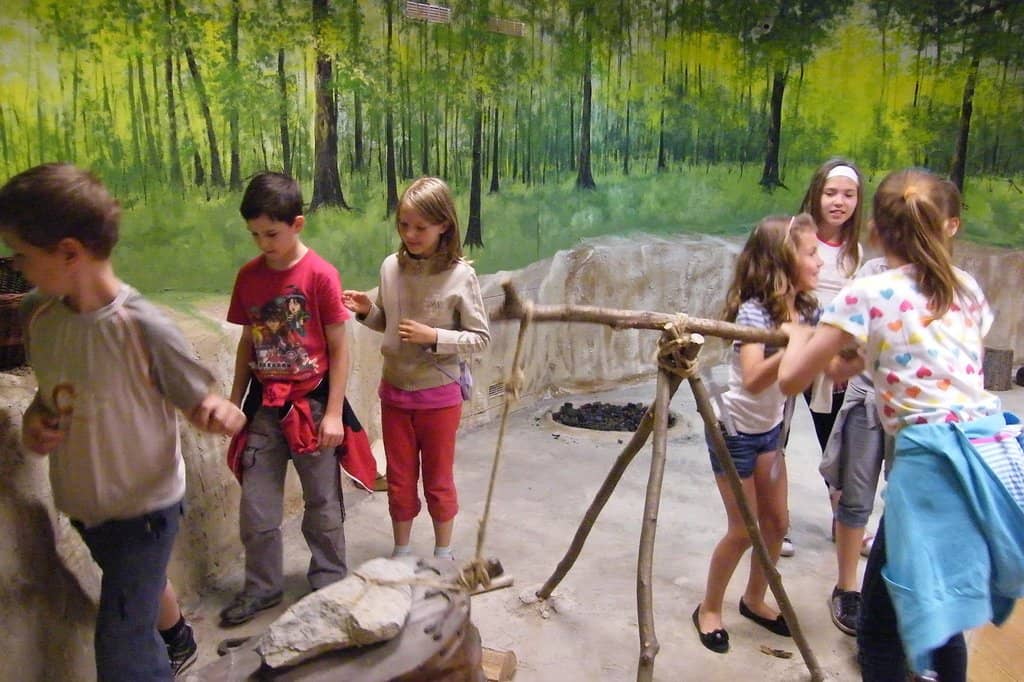
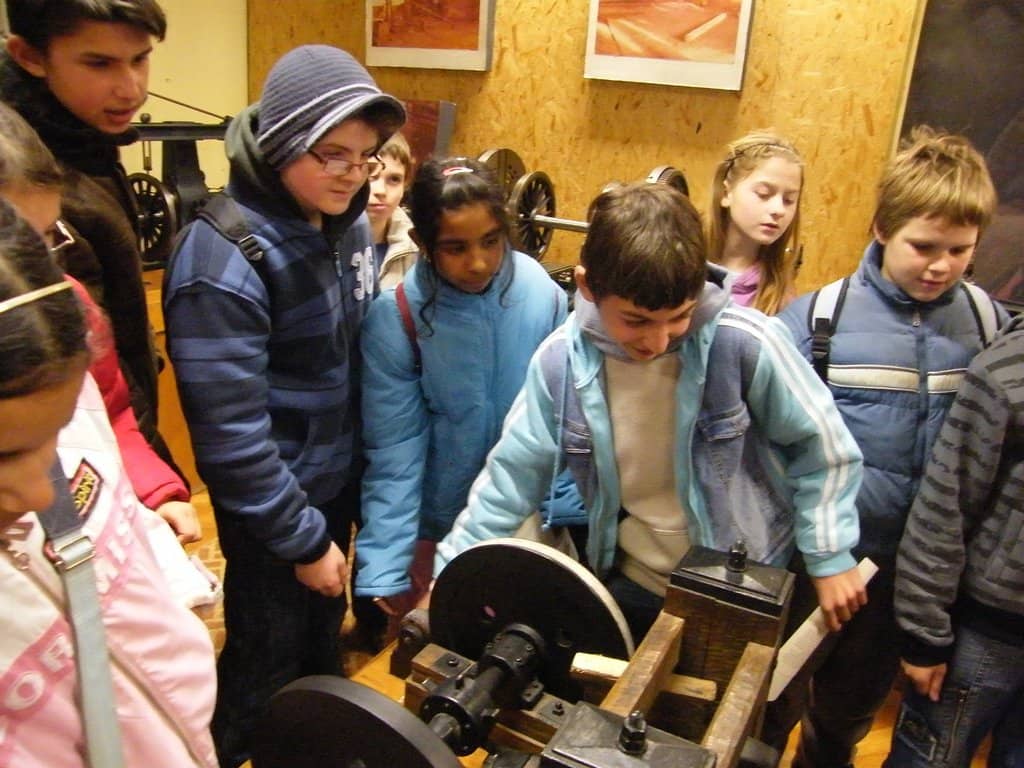
The museum focuses more on detailed displays, models, and informative boards rather than interactive exhibits. It's great for learning and appreciating history.
You'll find a comprehensive collection covering Hungarian transportation history, including vintage vehicles, and a detailed exhibition on metallurgy with models and dioramas.
Yes, families can enjoy the historical displays and the unique vehicles. While not highly interactive, the exhibits can spark curiosity in younger visitors.
To fully appreciate the exhibits, it's recommended to allocate at least 2-3 hours for your visit.
Information on guided tours may vary. It's best to check the museum's official website or inquire at the information desk upon arrival for availability and scheduling.
🍽️ 🍽️ Food & Dining
Typically, smaller museums may not have extensive dining facilities. It's advisable to check the museum's website or contact them directly to confirm if there's a cafe or restaurant on-site.
There are usually local eateries and cafes in the vicinity of tourist attractions. Exploring the surrounding area will likely reveal several dining choices.
📸 📸 Photography
Photography policies can differ. Generally, personal photography for non-commercial use is permitted, but flash photography might be restricted. Always check for signage or ask staff.
The vintage vehicles, especially the Ikarus buses, and the detailed dioramas offer excellent photographic opportunities.
Social
from TikTok, Instagram & Reddit