
Sabarmati Ashram
A serene sanctuary on the Sabarmati River, this ashram was Mahatma Gandhi's home and the heart of India's freedom struggle.
Highlights
Must-see attractions

Social
From TikTok & Reddit
Best Time
Fewer crowds, more peace
Sabarmati Ashram
Best Time
Fewer crowds, more peace
Highlights
Must-see attractions
A serene sanctuary on the Sabarmati River, this ashram was Mahatma Gandhi's home and the heart of India's freedom struggle.
"A visit to Sabarmati Ashram is not just a journey through space, but through time and ideals."

Park at the Entrance
Park directly at the Ashram entrance to save a long walk. 🚗
Allow Ample Time
Dedicate at least 2-3 hours to fully explore and absorb the history. 🕐

Quick Facts
Hours
Rating
4.6 · 41,464 reviews
Type
Place of Worship
Highlights
Discover the most iconic attractions and experiences
Hriday Kunj
Sabarmati Ashram
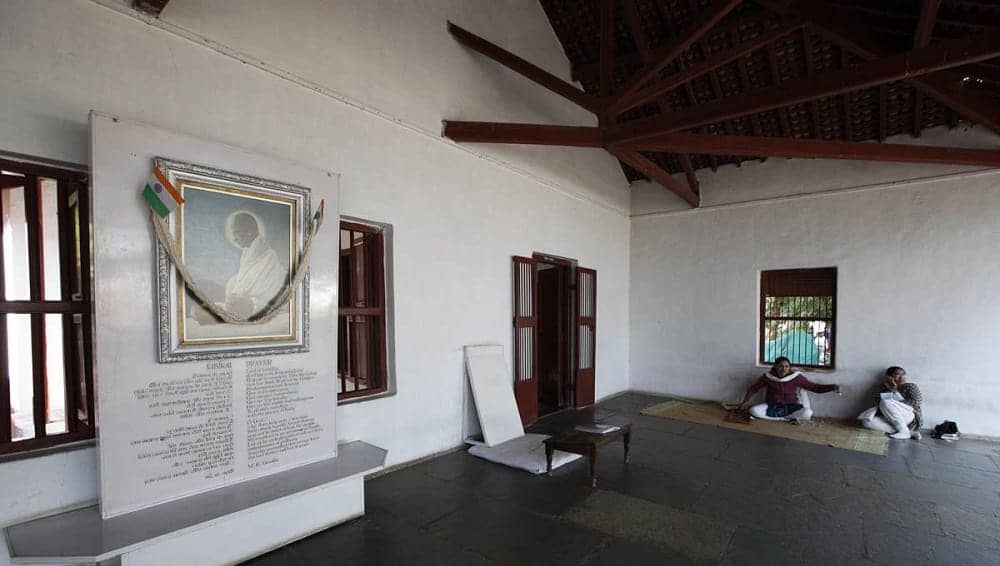
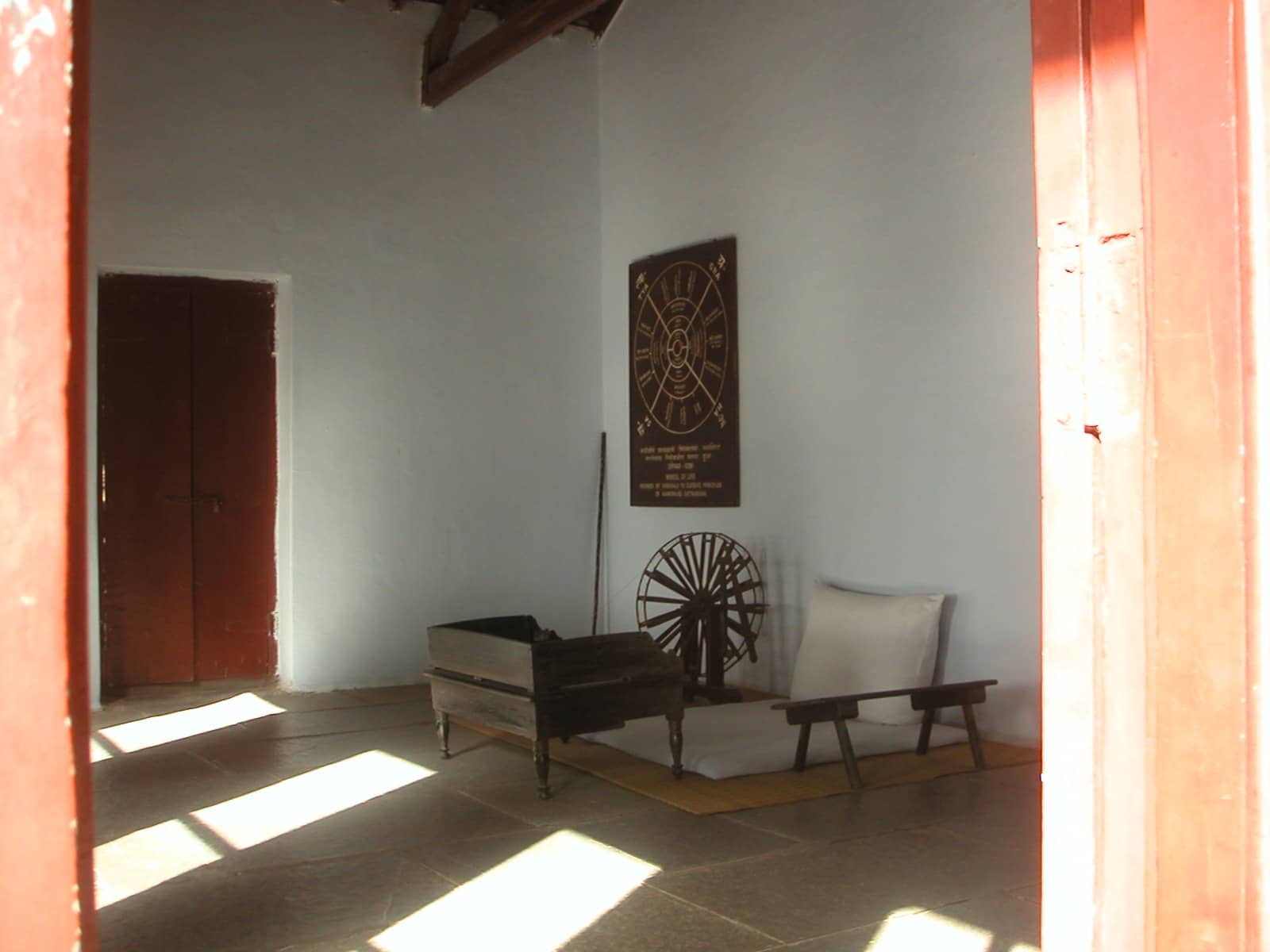
Gandhi's humble living quarters, offering a glimpse into his simple life and profound ideals.
Sabarmati Ashram Museum
Sabarmati Ashram
Explore exhibits detailing Gandhi's life, struggles, and the Indian independence movement.
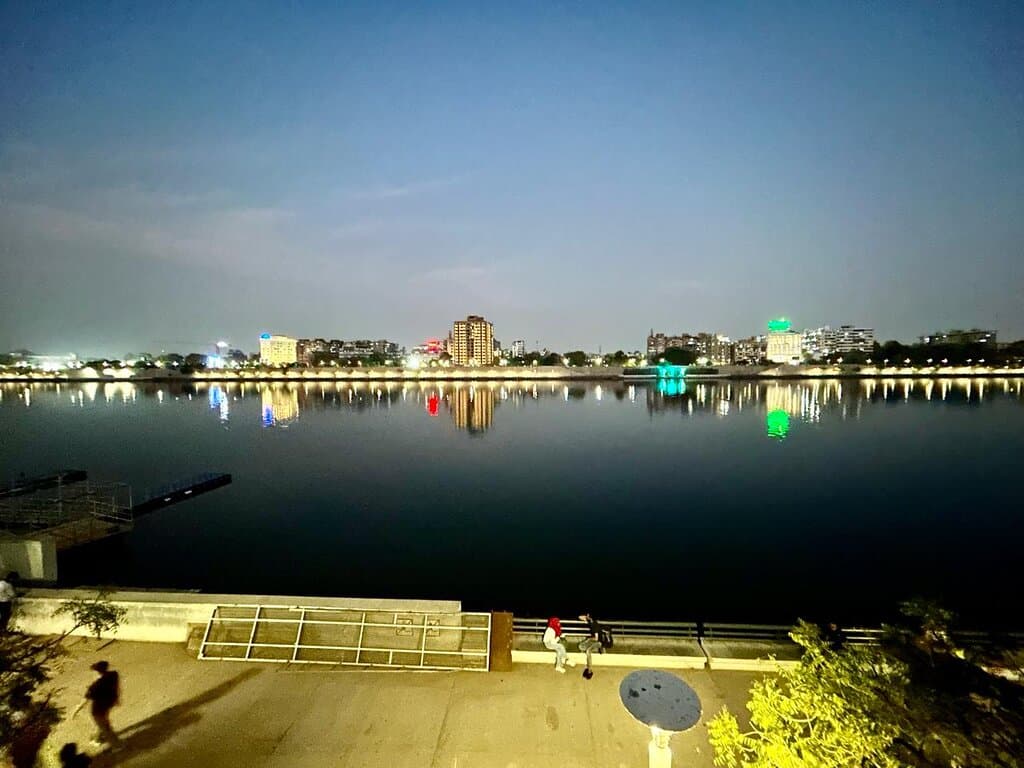
Sabarmati Riverfront
Adjacent to Sabarmati Ashram
Enjoy a peaceful walk along the riverbanks, especially beautiful during sunset.
Plans like a pro.
Thinks like you
Planning Your Visit
Timing Your Visit for Tranquility
Getting There & Parking
Best Times
Insider Tips
from TikTok, Instagram & Reddit
Park at the Entrance
Park directly at the Ashram entrance to save a long walk. 🚗
Allow Ample Time
Dedicate at least 2-3 hours to fully explore and absorb the history. 🕐
Embrace the Calm
Visit in the evening for a serene experience by the Sabarmati River. 🏞️
Respectful Attire
Dress modestly to show respect for this historic and spiritual site. 👗
Tips
from all over the internet
Park at the Entrance
Park directly at the Ashram entrance to save a long walk. 🚗
Allow Ample Time
Dedicate at least 2-3 hours to fully explore and absorb the history. 🕐
Embrace the Calm
Visit in the evening for a serene experience by the Sabarmati River. 🏞️
Respectful Attire
Dress modestly to show respect for this historic and spiritual site. 👗
Photography Etiquette
Be mindful of where photography is permitted; some areas may be restricted. 📷
What Travellers Say
Reviews Summary
Visitors consistently praise Sabarmati Ashram for its rich history, peaceful ambiance, and well-maintained grounds. It's lauded as a place that offers deep insights into Mahatma Gandhi's life and principles, making it a must-visit for understanding India's independence movement. Some note that while the Ashram is well-preserved, ongoing redevelopment might enhance its grandeur.
"I recently visited Sabarmati Gandhi Ashram and it was a very peaceful and meaningful experience. The place has a calm atmosphere and you can actually feel the simplicity with which Mahatma Gandhi lived. The museum inside is well maintained and displays his personal belongings, letters, photographs and important moments from India’s freedom struggle. Walking around the ashram gives a sense of history and inspiration at the same time. The view of the Sabarmati River adds to the serenity of the place. It is not just a tourist spot, but a place that reminds us of Gandhiji’s values and way of life. Definitely worth visiting."
Harish Nanda
"Gandhiji's Sabarmati Ashram, located on the banks of the Sabarmati River, is a must-visit for anyone interested in India's independence movement. This serene was Gandhi's home from 1917 to 1930, and it's where he planned the Dandi March. The ashram's museum showcases his life, with exhibits on his philosophy, letters, and personal belongings. The peaceful gardens and tranquil atmosphere make it a perfect spot for reflection. A visit here inspires and educates.
This place was really helpful for the students and the people who are interested in the history of India. Inside the ashram there is art gallery of the independence movement. There is a small museum there which exhibits the different verities of charkas.
The ashram was well maintained and clean."
Nihad U
"I recently had the chance to visit Gandhi Ashram with my fellow Local Guides, and it was a truly memorable experience. The moment you step into the premises, there’s a deep sense of peace that surrounds you — it feels like stepping back in time to the era of Mahatma Gandhi.
The museum is incredibly well-maintained, and walking through it while reading the display boards and admiring the oil paintings really gives you a glimpse into Bapu’s life, values, and struggles. Every corner of the Ashram carries a sense of calm and inspiration. It’s not just a historical place, but a space where you can reflect, learn, and feel connected to something much bigger than yourself.
If you’re in Ahmedabad or anywhere nearby, this is a must-visit spot — not just for history lovers, but for anyone seeking a peaceful and meaningful experience."
Syed Danish Arafat
What People Like
What People Dislike
Frequently Asked Questions
🚇 🗺️ Getting There
Sabarmati Ashram is located on Ashram Road in Ahmedabad. You can reach it by auto-rickshaw, taxi, or ride-sharing services. Many visitors find it convenient to use these options due to its central location. The Ashram is also accessible via well-developed riverfront roads. 
Yes, there is parking available. Travelers recommend parking directly at the Ashram entrance to avoid a long walk.
You can approach via Ashram Road or the well-developed Sabarmati Riverfront roads, which offer pleasant views.
While direct public bus routes might vary, auto-rickshaws and taxis are readily available and a common way to reach the Ashram.
The Ashram grounds are generally accessible, with pathways and ramps. However, it's always good to check for specific accessibility needs upon arrival.
🎫 🎫 Tickets & Entry
No, entry to Sabarmati Ashram is free. There are no fees or tickets imposed for visiting the Ashram itself.
Sabarmati Ashram is typically open from 8:30 AM to 6:30 PM daily. It's always a good idea to verify current timings before your visit.
No advance booking is required as the entry is free. You can visit anytime during the opening hours.
Yes, Sabarmati Ashram is generally open on public holidays, including Gandhi Jayanti, though it might be more crowded.
The main restriction is the closing time at 6:30 PM. It's advisable to arrive at least an hour before closing to explore adequately.
🎫 🧭 Onsite Experience
You can explore Gandhi's residence (Hriday Kunj), the museum detailing his life, the library, photo gallery, and walk along the Sabarmati Riverfront. The entire experience is designed to be reflective and informative.
It's recommended to allocate at least 2-3 hours to fully appreciate the history, exhibits, and peaceful ambiance of the Ashram.
Photography is generally allowed in most outdoor areas and the museum, but it's best to check for specific signage regarding restrictions in certain exhibits or buildings.
Sabarmati Ashram was Mahatma Gandhi's residence and the center of his non-violent struggle for India's independence, including the famous Dandi March.
While not explicitly mentioned as formal guided tours, the exhibits and descriptions within the museum provide detailed information. The peaceful atmosphere encourages self-exploration.
🍽️ 🍽️ Food & Dining
There are no significant food stalls or restaurants directly within the Ashram premises. Visitors usually dine outside the Ashram or at nearby eateries.
The area around Sabarmati Ashram and Ahmedabad offers a variety of Gujarati cuisine, street food, and cafes.
While not explicitly prohibited, it's generally advisable to consume outside the Ashram to maintain its sanctity and cleanliness.
Yes, Ahmedabad has many dining options. For recommendations, you might explore cafes like Cafe Nook or other local eateries mentioned in travel vlogs.
The Sabarmati Riverfront offers spaces where picnics might be possible, but check local regulations. The Ashram itself is more for quiet contemplation.
📸 📸 Photography
The Hriday Kunj, the museum exhibits, the serene campus with its greenery, and the Sabarmati Riverfront offer excellent photography opportunities.
While general photography is permitted, some specific exhibits or areas might have restrictions. Always look for signage.
Early mornings and late afternoons, especially during the golden hour, provide beautiful lighting and a peaceful atmosphere for photography.
Drone usage is typically prohibited at historical and sensitive sites like Sabarmati Ashram to ensure security and respect.
You can capture serene landscapes, historical artifacts, portraits reflecting peace, and the simple architecture of Gandhi's era.




Social
from TikTok, Instagram & Reddit