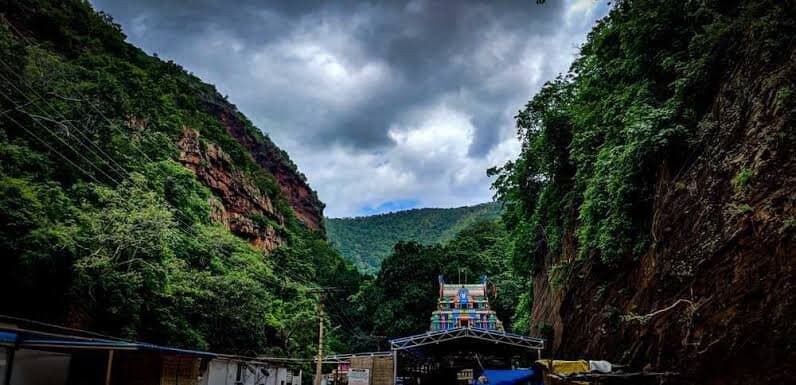
Ahobilam Temple Complex Nandyal
Sacred abode of Lord Narasimha, Ahobilam offers a spiritual journey through nine unique temples amidst the scenic Eastern Ghats.
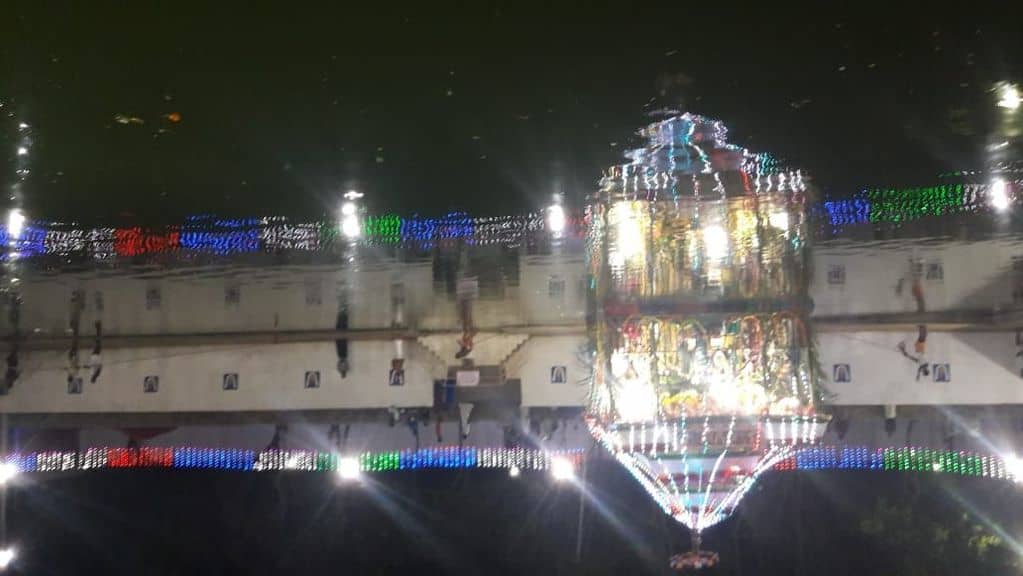
Highlights
Must-see attractions

Social
From TikTok & Reddit
Best Time
Pleasant weather, lush greenery
Ahobilam Temple Complex Nandyal
Best Time
Pleasant weather, lush greenery
Highlights
Must-see attractions
Sacred abode of Lord Narasimha, Ahobilam offers a spiritual journey through nine unique temples amidst the scenic Eastern Ghats.
"Enchanting, peaceful, and godly experience, a must-visit temple in one's lifetime."
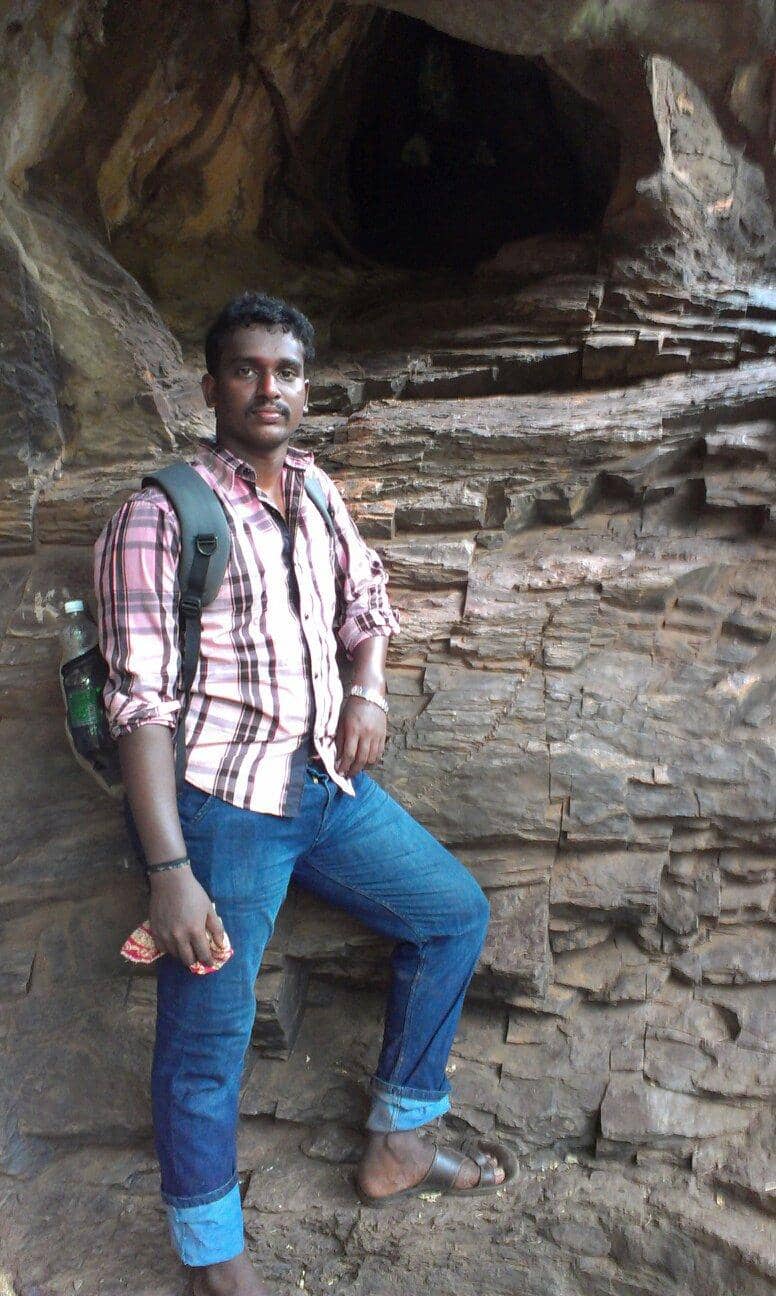
Hire a Local Guide
Essential for navigating Upper Ahobilam treks safely and understanding the temple lore.
Wear Comfortable Shoes
Sturdy footwear is a must for trekking through hills and uneven paths.
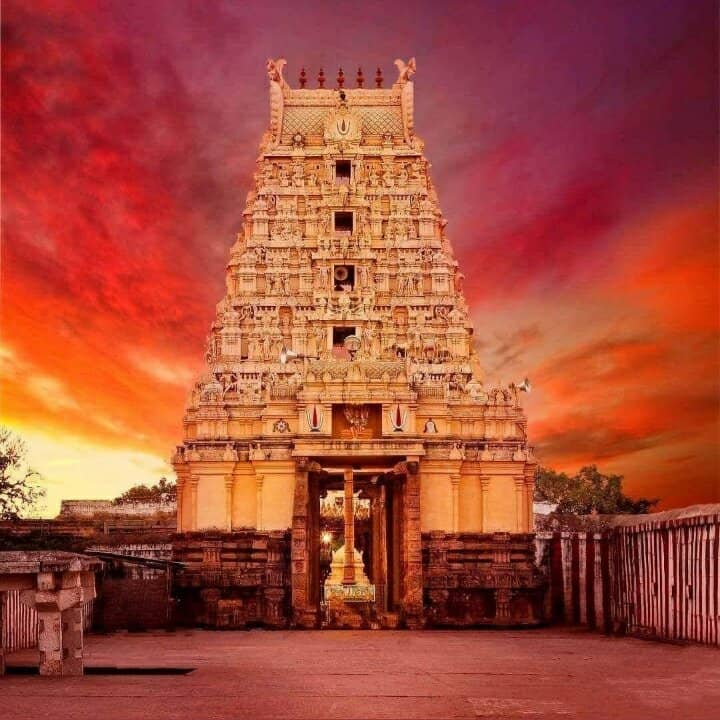
Quick Facts
Hours
Rating
4.7 · 4,466 reviews
Type
Hindu Temple
Website
ahobilamtemple.com/ahobilamHighlights
Discover the most iconic attractions and experiences
Diguva Ahobilam (Lower Ahobilam)
Main temple complex
Home to the peaceful Lakshmi Narasimha Swamy, installed by Lord Srinivasa himself. A divine start to your pilgrimage.
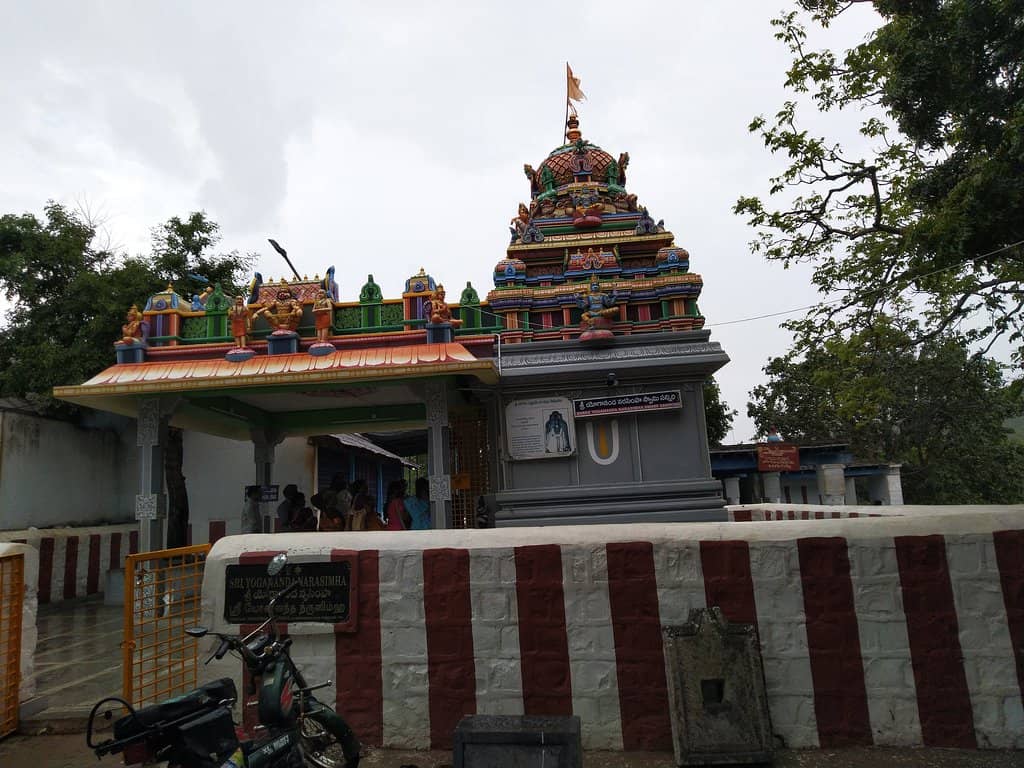
Upper Ahobilam Temples
Steep gorge, 8 km east of Lower Ahobilam
Explore the fierce forms of Narasimha across six temples, requiring treks through scenic, rugged terrain.
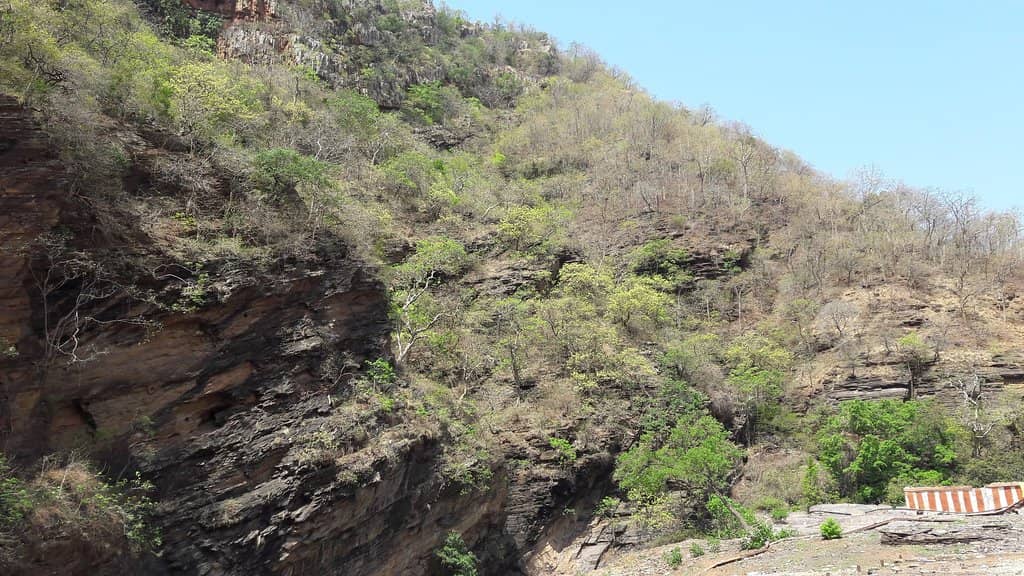
Nava Narasimha Kshetras
Spread across Ahobilam hills
Visit all nine sacred Narasimha temples for a complete spiritual journey, each with unique legends and forms.
Plans like a pro.
Thinks like you
Planning Your Visit
Plan Your Trek to Upper Ahobilam
Best Time for a Peaceful Visit
Best Times
Insider Tips
from TikTok, Instagram & Reddit
Hire a Local Guide
Essential for navigating Upper Ahobilam treks safely and understanding the temple lore.
Wear Comfortable Shoes
Sturdy footwear is a must for trekking through hills and uneven paths.
Carry Water & Snacks
Stay hydrated and energized, especially during treks. Limited facilities in Upper Ahobilam.
Respect Local Customs
Dress modestly and be mindful of temple rituals.
Tips
from all over the internet
Hire a Local Guide
Essential for navigating Upper Ahobilam treks safely and understanding the temple lore.
Wear Comfortable Shoes
Sturdy footwear is a must for trekking through hills and uneven paths.
Carry Water & Snacks
Stay hydrated and energized, especially during treks. Limited facilities in Upper Ahobilam.
Respect Local Customs
Dress modestly and be mindful of temple rituals.
Plan for More Than a Day
To truly experience all Nava Narasimha temples, dedicate at least two days.
What Travellers Say
Reviews Summary
Ahobilam is a spiritually charged pilgrimage site, lauded for its divine ambiance and the legendary tales of Lord Narasimha. Visitors are captivated by the unique Nava Narasimha temples and the natural beauty of the surrounding hills. While the treks in Upper Ahobilam are challenging, they are considered a rewarding adventure.
"Ahobilam Temple - Tirupati Tirumala InfoThe Diguva Ahobilam temple's history is tied to the legend of Lord Narasimha's incarnation, with the main deity, Lakshmi Narasimha Swamy, said to have been installed by Lord Srinivasa himself. The temple houses one of the three Narasimha idols located in Lower Ahobilam, with others spread throughout the surrounding hills as part of the Nava Narasimha Kshetras. While the exact construction date isn't specified, user reviews suggest the architecture dates to the 7th century, the 16th century, or as a marvel of the Kakatiya dynasty.
Key historical aspects:
Lord Narasimha's Incarnation: The site is legendary for Lord Narasimha emerging from a stone pillar to defeat the demon Hiranyakashipu and save his devotee, Prahlada.
Nava Narasimha Kshetras: Ahobilam is home to nine sacred Narasimha temples (Nava Narasimha Kshetras). Three of these are in Lower Ahobilam (Diguva Ahobilam), including the main temple, and the other six are in Upper Ahobilam.
Installation of the Deity: It is said that Lord Srinivasa himself installed the main deity at Diguva Ahobilam after seeking Narasimha's blessings, opting for the peaceful form in the lower region rather than the fierce form in Upper Ahobilam.
Architectural Significance: While dates vary in user accounts, the temple is considered a testament to ancient Indian architecture, with some users pointing to the 7th century and others the 16th century or Kakatiya dynasty influence.
Ahobila Matha: The temple later became the seat of the Ahobila Matha, a Vadakalai Sri Vaishnava monastery established in Ahobilam around 1400 CE."
Bhuvan MB
""Ahobilam is a beautiful and spiritually powerful pilgrimage site nestled in the Eastern Ghats, dedicated to Lord Narasimha. The temple complex offers a unique blend of rich mythology, stunning architecture, and breathtaking natural surroundings. Trekking through lush forests and waterfalls to visit the Nava Narasimha temples is an unforgettable adventure for devotees and nature lovers alike."
Ravali Ashok P
"A must visit temple in one's life time.
This is Lord Narasimha in his peaceful avatar with Goddess Lakshmi.
The sculptures in the temple is awesome .
The feel inside the temple is divine and peace."
Sreekanth R
What People Like
What People Dislike
Frequently Asked Questions
🚇 🗺️ Getting There
Ahobilam is approximately 70-80 km from Nandyal. You can hire a taxi or take a bus to Allagadda and then another local bus or auto-rickshaw to Ahobilam. Some travelers opt for cycling tours from Nandyal.
The distance is about 8 km. You can hire local jeeps or autos from Lower Ahobilam. Trekking is also an option for the adventurous, but be prepared for a steep and challenging path.
Limited public transport is available within Ahobilam itself. Auto-rickshaws and jeeps are the primary modes of transport for visiting the various temples, especially in Upper Ahobilam.
While you can drive to the base of Upper Ahobilam, the roads are narrow and steep. Parking might be limited. Many prefer to park in Lower Ahobilam and hire local transport or trek.
The nearest major railway station is Nandyal. The closest airports are Kurnool Airport (KLU) and Tirupati Airport (TIR), both requiring further road travel to Ahobilam.
🎫 🎫 Tickets & Entry
Generally, there is no entry fee for the main temples in Lower Ahobilam. However, donations are welcome. For specific pujas or special darshans, there might be separate charges.
The temples typically open early in the morning and close in the evening. Specific timings can vary, so it's advisable to check locally or with a guide.
No advance booking is usually required for general darshan. However, if you plan to participate in special events like Brahmotsavam, it's wise to inquire about arrangements.
Photography might be restricted inside the inner sanctums of some temples. It's best to observe local practices and signage.
Ahobilam is famous for its Nava Narasimha Kshetras, nine temples dedicated to different forms of Lord Narasimha. Visiting all nine is considered highly auspicious.
🎫 🧭 Onsite Experience
The Upper Ahobilam temples are spread out and require trekking. Hiring a local guide is highly recommended for safety and navigation. Be prepared for a challenging but rewarding experience.
To visit all the Nava Narasimha temples, including the treks in Upper Ahobilam, it's best to allocate at least two full days. A single day is possible but rushed.
Basic facilities are available in Lower Ahobilam. In Upper Ahobilam, facilities are scarce, so carry your own water and essentials.
Modest clothing is recommended, covering shoulders and knees, as it is a religious site. Comfortable trekking attire is suitable for the hills.
Lower Ahobilam is generally accessible for families. However, the treks in Upper Ahobilam can be strenuous for young children. Consider the physical capabilities of your family members.
🍽️ 🍽️ Food & Dining
There are a few local eateries and small restaurants in Lower Ahobilam offering South Indian cuisine. Options are limited, so carrying some snacks is advisable.
Yes, most eateries in Ahobilam serve vegetarian South Indian meals and snacks.
You can try traditional Andhra meals, idli, dosa, and vada. Simple, wholesome food is the norm.
Meal timings are generally aligned with South Indian traditions, with lunch served from around noon to 3 PM and dinner from 7 PM onwards.
Food options are extremely limited in Upper Ahobilam. It's best to eat in Lower Ahobilam before heading for the treks.
📸 📸 Photography
The temple architecture, the natural beauty of the hills, waterfalls (during monsoon), and the various Narasimha idols offer great photographic opportunities. 
Photography is usually permitted in the outer courtyards and premises, but often restricted inside the inner sanctums. Always check for signage.
Early morning and late afternoon offer the best light for photography, with softer shadows and a more serene atmosphere.
The treks in Upper Ahobilam can be challenging for photography due to uneven terrain and limited light in dense forest areas. Be prepared for varying conditions.
A versatile lens, a wide-angle for landscapes, and a telephoto for details can be useful. A sturdy tripod might be helpful for low-light conditions, but consider its portability for treks.
Social
from TikTok, Instagram & Reddit