
Sola Khamba Tomb of Sheikh Alauddin
A historical Mughal monument in Ajmer, renowned for its unique sixteen-pillar design and intricate white marble architecture.
Highlights
Must-see attractions

Social
From TikTok & Reddit
Best Time
Pleasant weather for exploring
Sola Khamba Tomb of Sheikh Alauddin
Best Time
Pleasant weather for exploring
Highlights
Must-see attractions
A historical Mughal monument in Ajmer, renowned for its unique sixteen-pillar design and intricate white marble architecture.
"Amazing monuments with heritage history, a significant archeological site."

Dress Modestly
Cover shoulders and knees out of respect for this historical mosque. 🙏
Visit Early or Late
Beat the heat and crowds by visiting in the morning or late afternoon. :sunwithface:

Quick Facts
Rating
4.8 · 10 reviews
Type
Mosque
Highlights
Discover the most iconic attractions and experiences
The Sixteen Pillars
Main structure
Admire the iconic 16 marble pillars supporting the roof, giving the tomb its unique name and architectural charm.
Mughal Architecture
Exterior and interior
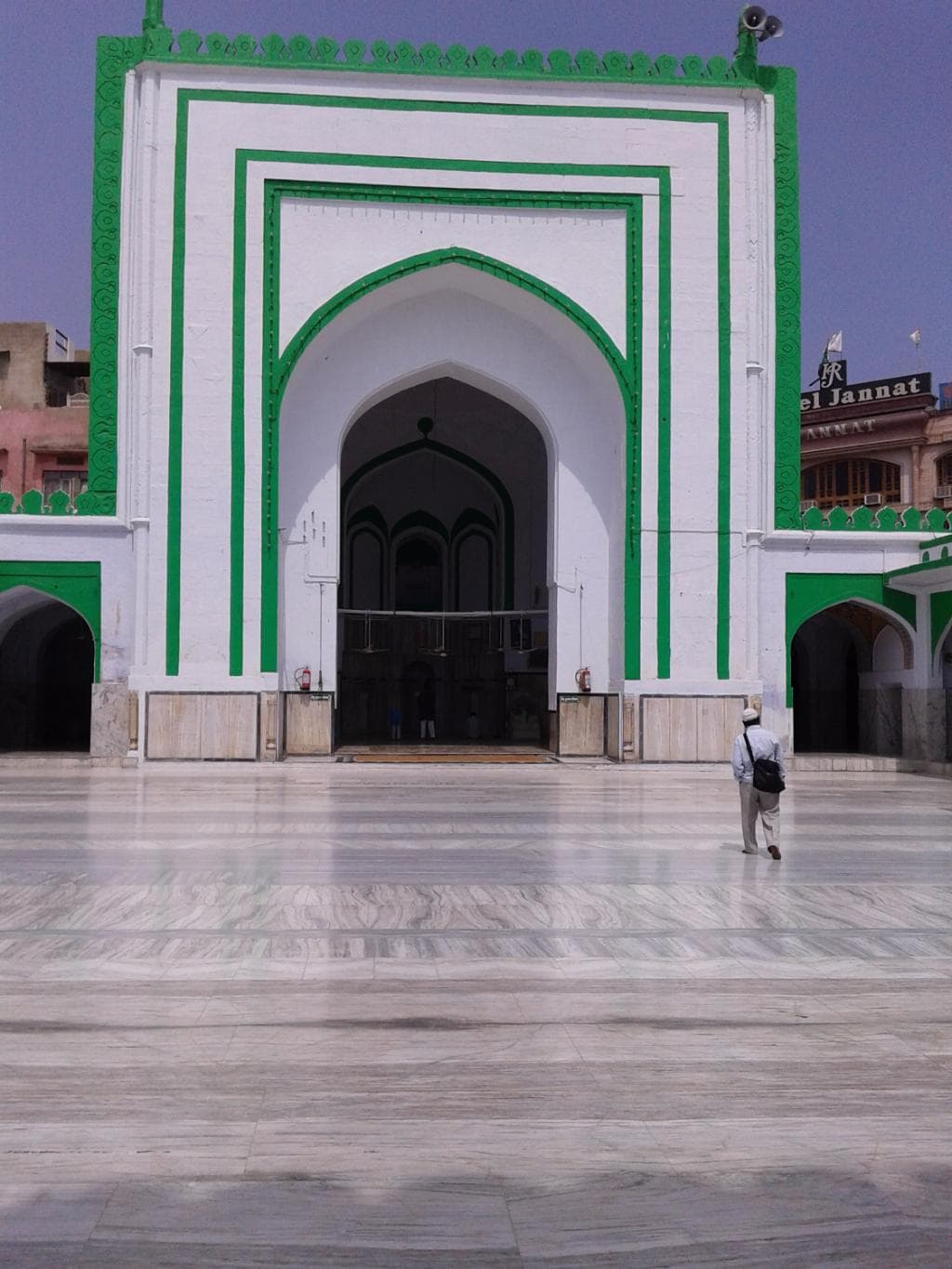
Appreciate the intricate white marble work and elegant arches characteristic of the Mughal era.

Historical Significance
Surrounding complex
Explore this significant historical monument built during Aurangzeb's reign, near the shrine of Khwaja Moinuddin Chishti.
Plans like a pro.
Thinks like you
Planning Your Visit
Timing Your Visit
Respectful Exploration
Best Times
Insider Tips
from TikTok, Instagram & Reddit
Dress Modestly
Cover shoulders and knees out of respect for this historical mosque. 🙏
Visit Early or Late
Beat the heat and crowds by visiting in the morning or late afternoon. :sunwithface:
Explore the Complex
Don't just see the tomb; explore the surrounding historical buildings. :magnifyingglasstilted_left:
Photography Tips
Capture the intricate marble work and architectural details during golden hour. :camerawithflash:
Tips
from all over the internet
Dress Modestly
Cover shoulders and knees out of respect for this historical mosque. 🙏
Visit Early or Late
Beat the heat and crowds by visiting in the morning or late afternoon. :sunwithface:
Explore the Complex
Don't just see the tomb; explore the surrounding historical buildings. :magnifyingglasstilted_left:
Photography Tips
Capture the intricate marble work and architectural details during golden hour. :camerawithflash:
What Travellers Say
Reviews Summary
Visitors find the Sola Khamba Tomb to be an average yet historically significant monument, appreciated for its Mughal architecture and the unique sixteen-pillar design. Its location near other major Ajmer attractions makes it a worthwhile stop for those interested in heritage.
"Sola Khamba Masjid is located behind Shahjahan's marble mosque and represents actually a complex of buildings near the shrine of Khwaja Moinuddin Chishti.This sola khamba is average historical building. It is located in Ajmer. This building is built in Mughal Era.Sola Khamba was built during the reign of Aurangzeb.It was named so because of the 16 pillars that support its roof.Constructed in white marble,the edifice has arches that rise four slender minarets from each corner."
Mr Rafeeq
"Historical Mosque.(Masjid)"
Wizard Cinematographer
"Amazing monuments with heritage history"
Mohsin Ali Warsi
What People Like
What People Dislike
Frequently Asked Questions
🚇 🗺️ Getting There
The Sola Khamba Tomb is located in Ajmer, Rajasthan, India. It's situated behind the Shahjahan's marble mosque, near the shrine of Khwaja Moinuddin Chishti. You can reach Ajmer by train or bus from major cities. From Ajmer city center, local auto-rickshaws or taxis can take you directly to the site.
While Ajmer is well-connected by public transport, reaching the Sola Khamba Tomb itself might require a short ride from the main city areas. Auto-rickshaws are a common and convenient option for local travel within Ajmer.
Auto-rickshaws are widely available and a popular choice for getting around Ajmer. Negotiate the fare before starting your journey. Some travelers also opt for cycle-rickshaws for shorter distances.
🎫 🎫 Tickets & Entry
Generally, entry to historical sites like the Sola Khamba Tomb is free, as it's considered an archeological site and a historical monument. However, it's always a good idea to check for any local regulations or small conservation fees that might be applicable.
As a historical monument, the Sola Khamba Tomb is typically open from sunrise to sunset. It's advisable to visit during daylight hours to fully appreciate its architecture and surroundings. There are no specific closing times mentioned, but it's best to confirm locally if possible.
No, advance booking is not usually required for the Sola Khamba Tomb as there is no entry fee. You can visit at your convenience during its operational hours.
Visitors are expected to dress modestly out of respect for the religious and historical nature of the site. Avoid loud noises and littering to preserve the sanctity and beauty of the monument.
🎫 🧭 Onsite Experience
The best time for photography at Sola Khamba Tomb is during the golden hours – early morning or late afternoon. The soft, warm light beautifully highlights the white marble and intricate carvings, creating stunning visual effects.
It's important to dress modestly when visiting the Sola Khamba Tomb, as it is a historical mosque and a place of reverence. Covering your shoulders and knees is recommended. Light, breathable clothing is suitable for the climate. :womaninturban:
A visit to the Sola Khamba Tomb can take anywhere from 30 minutes to an hour, depending on your interest in history and architecture. If you plan to explore the surrounding complex, allocate a bit more time.
While official guides might not always be present, local guides can often be found near major historical sites in Ajmer. Hiring a local guide can provide deeper insights into the history and architecture of the Sola Khamba Tomb.
The Sola Khamba Tomb, meaning 'Sixteen Pillar Tomb,' was built during the reign of Mughal emperor Aurangzeb. It is named for the sixteen pillars that support its roof and is a notable example of Mughal architecture in Ajmer, located near the revered shrine of Khwaja Moinuddin Chishti.
📸 📸 Photography
Focus on capturing the intricate details of the white marble, the elegant arches, and the symmetry of the sixteen pillars. The exterior shots during sunrise or sunset offer dramatic lighting.
Photography is generally allowed, but it's always respectful to avoid intrusive photography, especially if there are worshippers present. Tripods might be restricted in certain areas. Always be mindful of your surroundings. :camerawithflash:
A camera with good low-light performance is beneficial for early morning or late afternoon shots. A wide-angle lens can help capture the architectural grandeur, while a macro lens can focus on the detailed carvings. :iphone:



Social
from TikTok, Instagram & Reddit