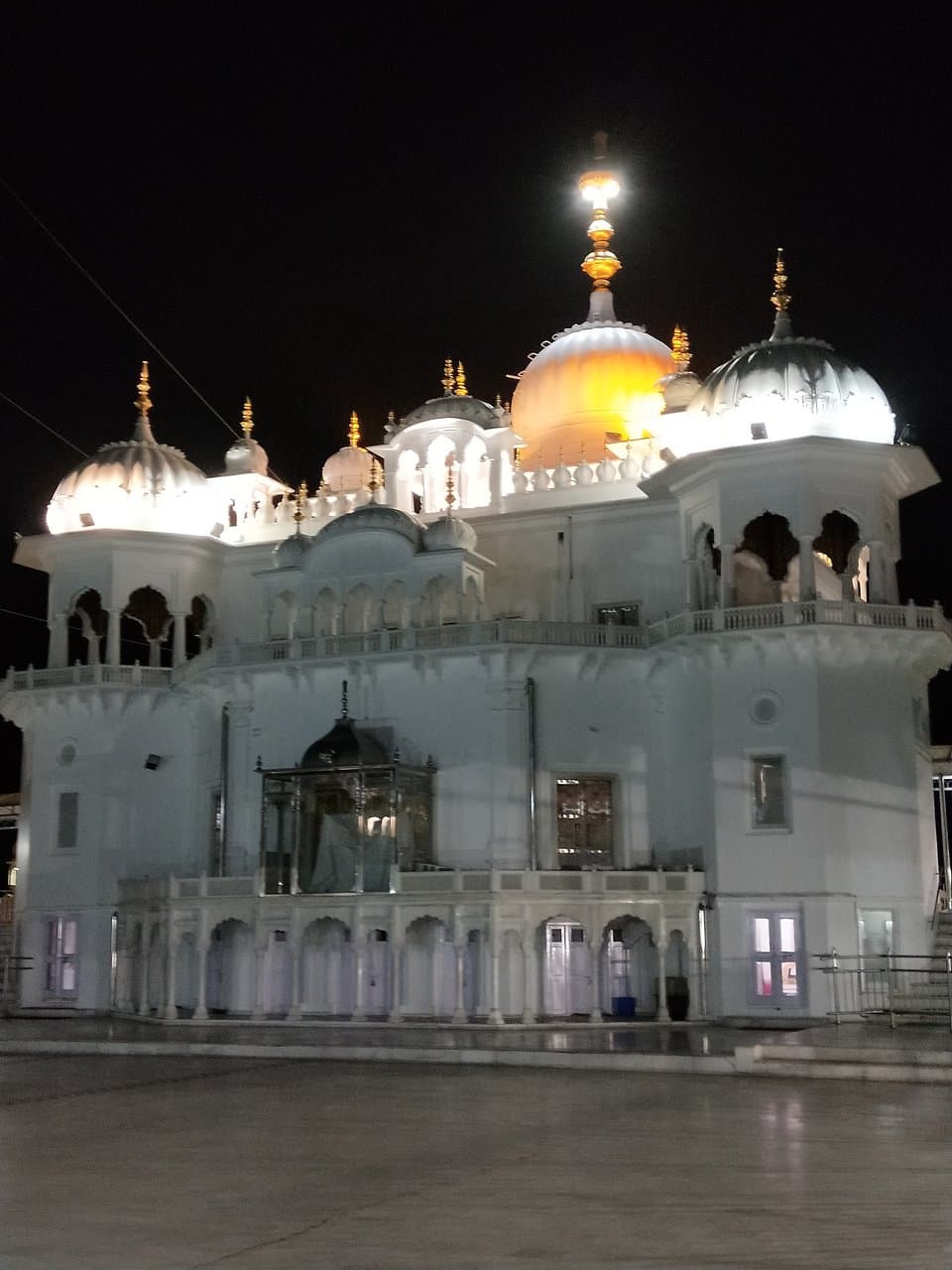
Takht Sri Keshgarh Sahib Anandpur
A sacred Sikh pilgrimage site, birthplace of the Khalsa, offering spiritual solace and rich historical insights in the Shivalik foothills.
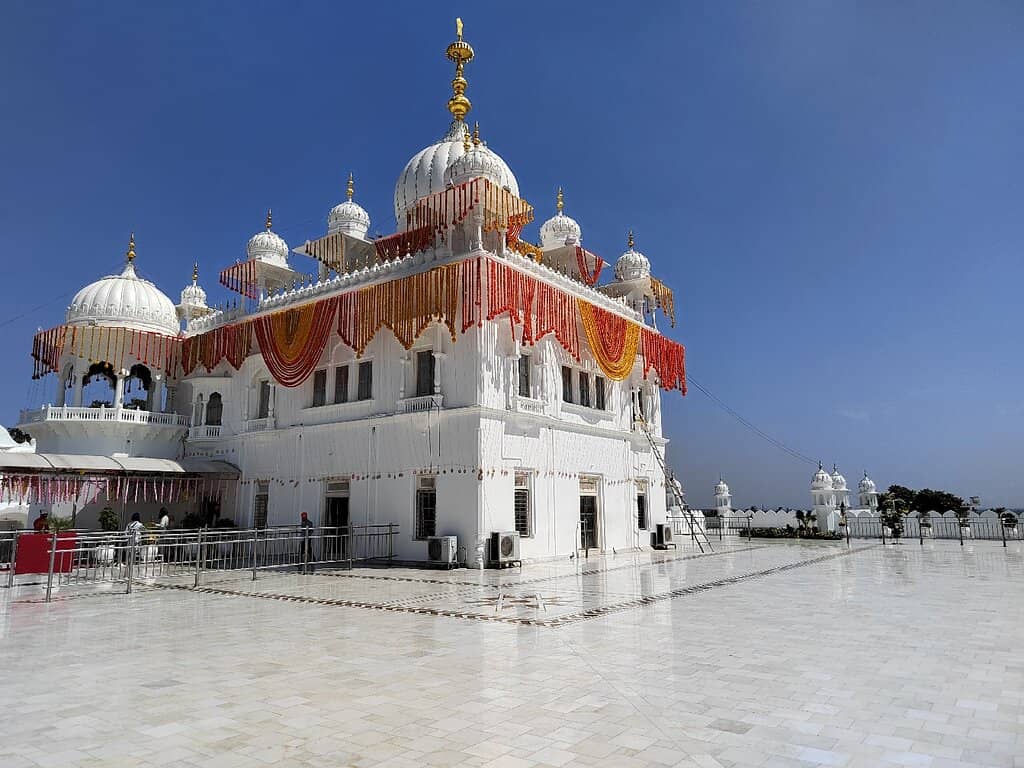
Highlights
Must-see attractions

Social
From TikTok & Reddit
Best Time
Peaceful atmosphere, fewer pilgrims
Takht Sri Keshgarh Sahib Anandpur
Best Time
Peaceful atmosphere, fewer pilgrims
Highlights
Must-see attractions
A sacred Sikh pilgrimage site, birthplace of the Khalsa, offering spiritual solace and rich historical insights in the Shivalik foothills.
"A must-visit for anyone seeking spiritual inspiration and Sikh history."
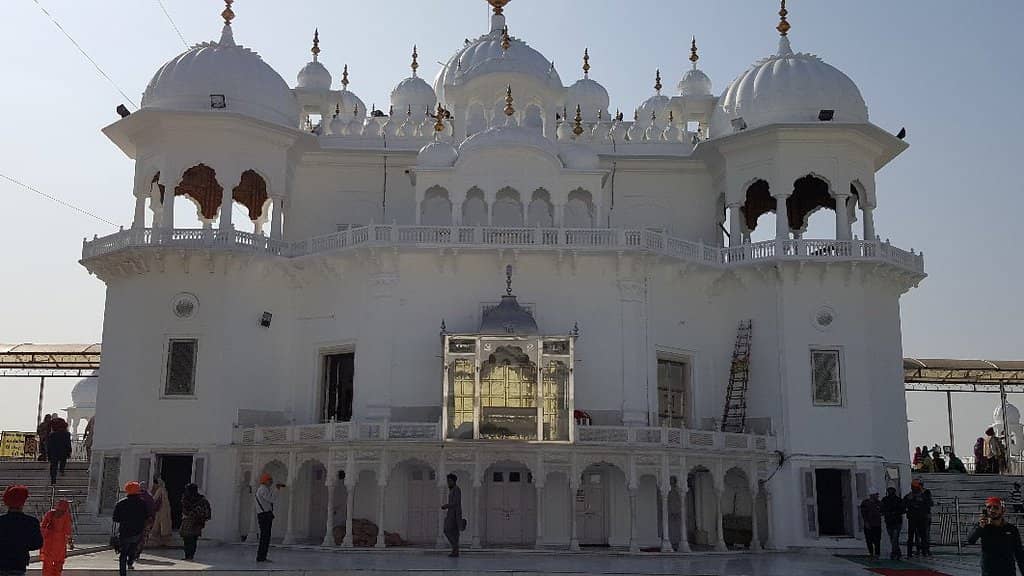
Respectful Attire is Key
Dress modestly, covering shoulders and knees. Head coverings are mandatory for all visitors inside the Gurdwara. 🙏
Free Langar Experience
Partake in the community kitchen for a delicious and free meal. It's a core part of Sikh hospitality. :spoon:
Quick Facts
Hours
Rating
4.9 · 11,788 reviews
Type
Place of Worship
Highlights
Discover the most iconic attractions and experiences
Birthplace of the Khalsa
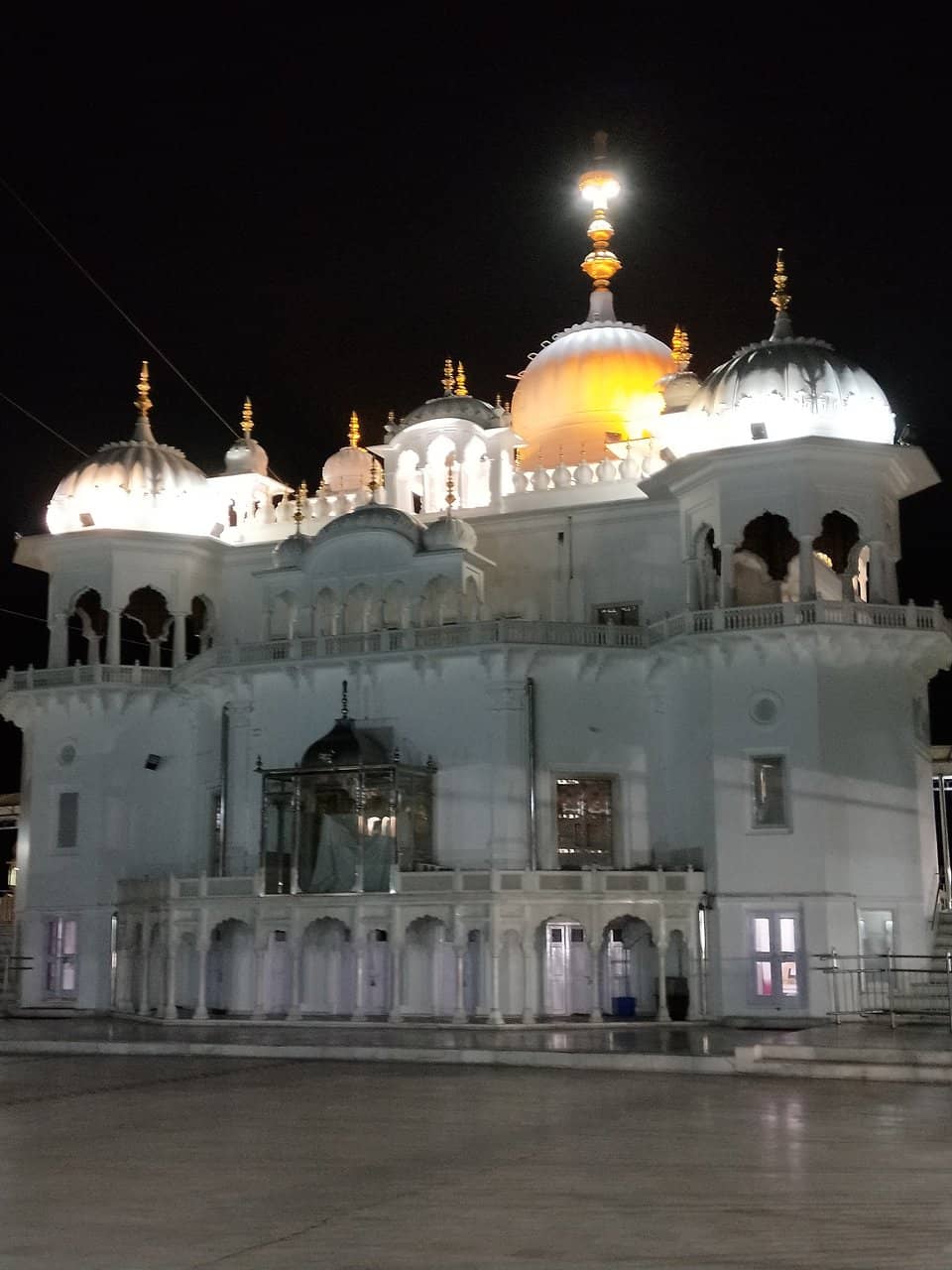
Main Shrine
Witness the sacred site where Guru Gobind Singh Ji founded the Khalsa Panth in 1699. A pivotal moment in Sikh history.
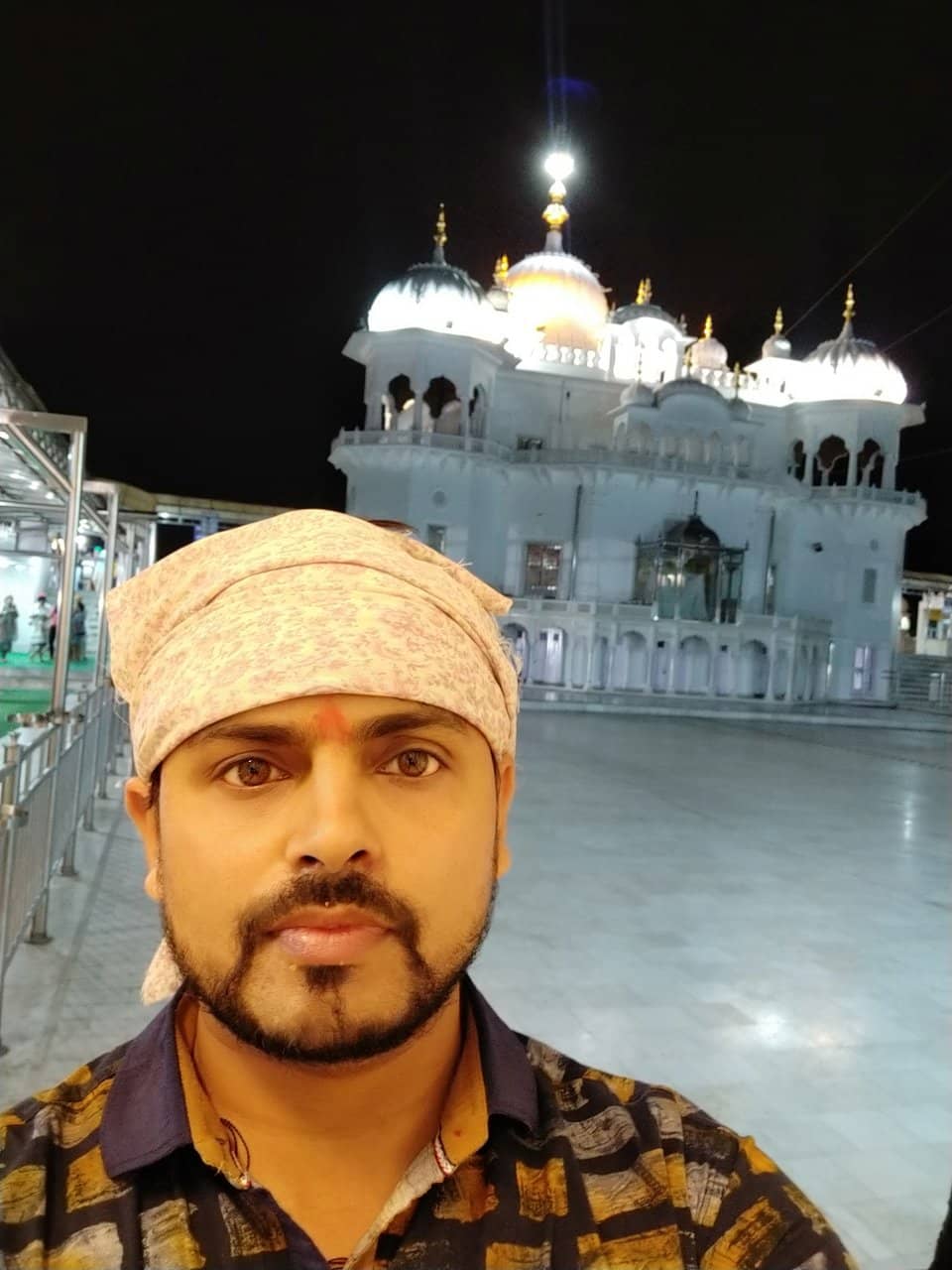
Historic Arms Display
Sanctum Sanctorum
See the sacred shastars (arms) used by Guru Gobind Singh Ji, including the Khanda for Amrit preparation.
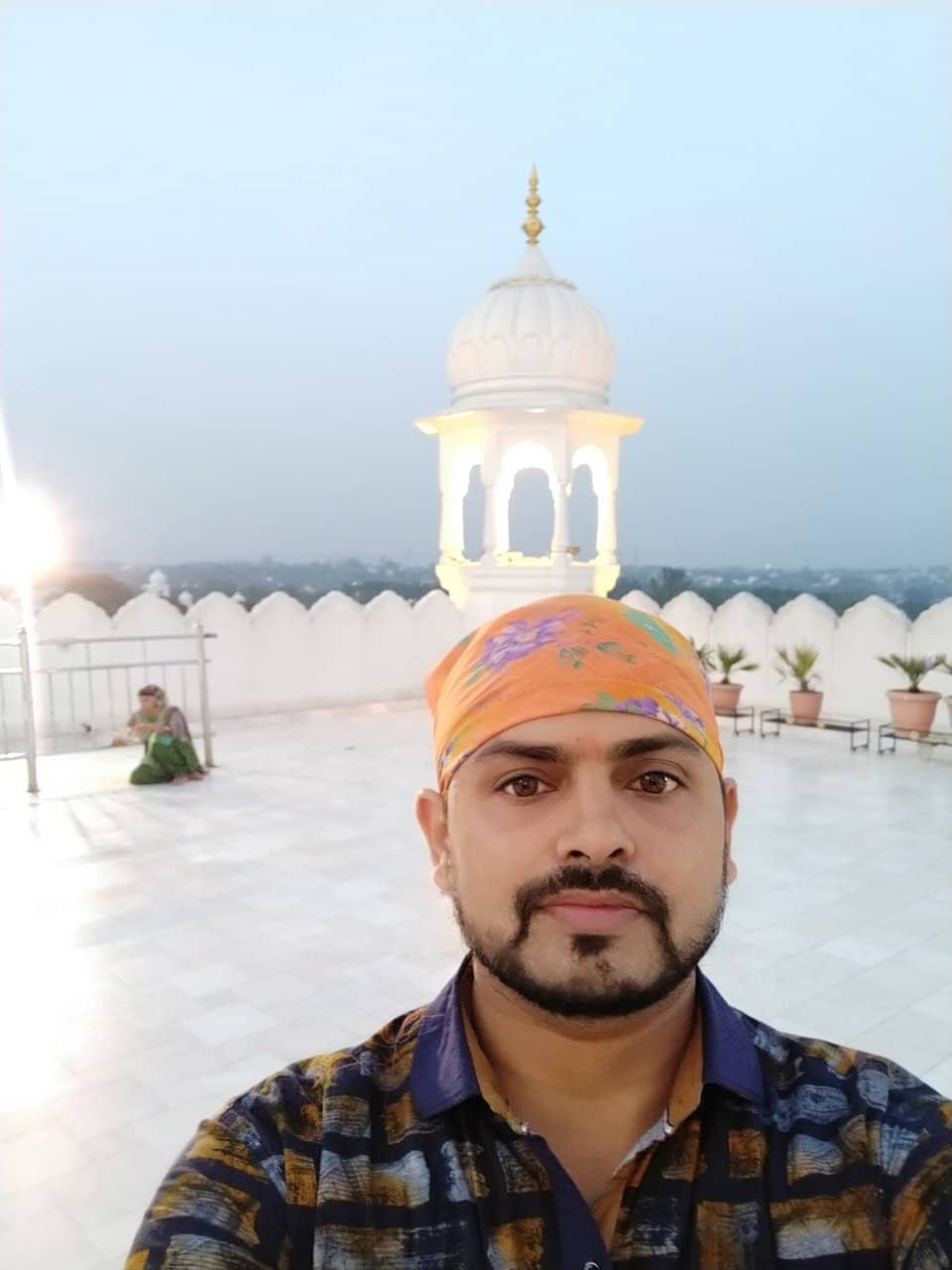
Virasat-e-Khalsa Museum
Near the Takht
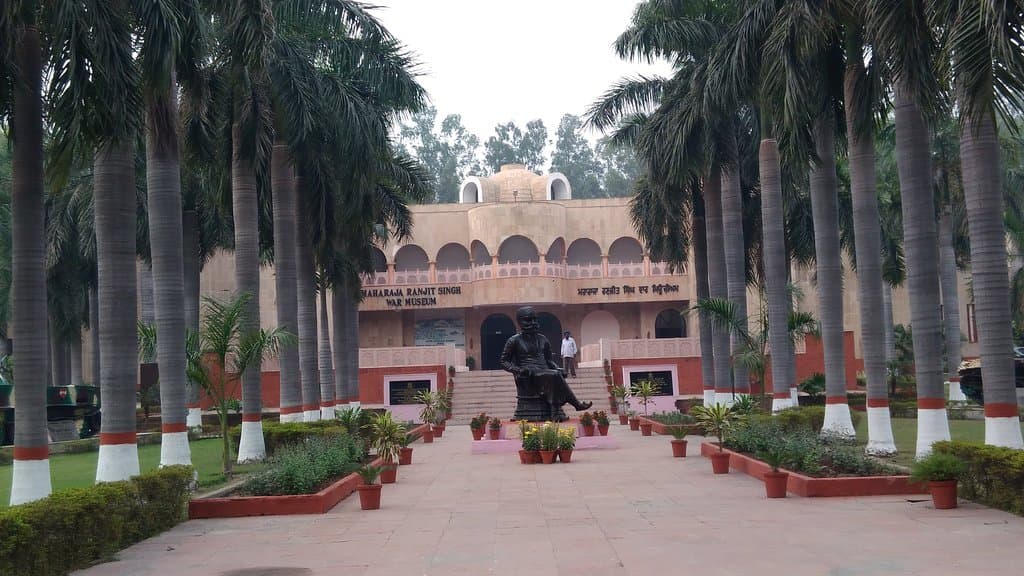
An immersive museum detailing Sikh history and the Khalsa's journey. A must-visit for understanding the heritage.
Panoramic Mountain Views
Upper Levels of the Complex
Enjoy breathtaking views of the Shivalik foothills and Naina Devi Mountain, especially serene during sunrise or sunset.
Plans like a pro.
Thinks like you
Planning Your Visit
Timing Your Visit for Serenity
Embrace Sikh Hospitality
Best Times
Insider Tips
from TikTok, Instagram & Reddit
Respectful Attire is Key
Dress modestly, covering shoulders and knees. Head coverings are mandatory for all visitors inside the Gurdwara. 🙏
Free Langar Experience
Partake in the community kitchen for a delicious and free meal. It's a core part of Sikh hospitality. :spoon:
Book Sarai in Advance
For overnight stays, book rooms at Dashmesh Nivas early, especially during festivals. 🛏️
Comfortable Walking Shoes
You'll be doing a lot of walking and climbing stairs, so comfortable footwear is essential. :athletic_shoe:
Tips
from all over the internet
Respectful Attire is Key
Dress modestly, covering shoulders and knees. Head coverings are mandatory for all visitors inside the Gurdwara. 🙏
Free Langar Experience
Partake in the community kitchen for a delicious and free meal. It's a core part of Sikh hospitality. :spoon:
Book Sarai in Advance
For overnight stays, book rooms at Dashmesh Nivas early, especially during festivals. 🛏️
Comfortable Walking Shoes
You'll be doing a lot of walking and climbing stairs, so comfortable footwear is essential. :athletic_shoe:
Capture the Serenity
Photography is allowed in most areas, but be mindful and respectful. Capture the spiritual vibe. :camerawithflash:
What Travellers Say
Reviews Summary
Visitors consistently praise Takht Sri Keshgarh Sahib for its profound spiritual significance as the birthplace of the Khalsa and its serene atmosphere. The historical relics and the immersive Virasat-e-Khalsa museum are highly appreciated. While the site is generally well-maintained, some find the crowds during major festivals to be overwhelming.
"Takht Sri Keshgarh Sahib in Anandpur Sahib is one of Sikhism’s five Takhts and the birthplace of the Khalsa in 1699, making it a premier site of faith, history, and identity for Sikhs worldwide . Set in the Shivalik foothills, it anchors Anandpur’s historic fort complex and hosts major gatherings such as Hola Mohalla each spring .
Why it mattersRecognized as one of the “Five Takhts,” Keshgarh Sahib is the seat from where Guru Gobind Singh inaugurated the Khalsa order on Vaisakhi in 1699, cementing its role as the tradition’s spiritual and temporal center in the region .
The site is intertwined with the lives of the ninth and tenth Gurus—Guru Tegh Bahadur and Guru Gobind Singh—rooting it deeply in the formative history of Sikh sovereignty and community discipline .
History and legacyAnandpur Sahib was established by Guru Tegh Bahadur (as Chak Nanaki) and later became the stage where Guru Gobind Singh created the Khalsa amid a mass Vaisakhi congregation in 1699 .
Guru Gobind Singh developed a defensive ring of qilas (forts) around the town—Kesgarh (central), Anandgarh, Lohgarh, Holgarh, Fatehgarh, and Taragarh—to protect the Sikh community during conflicts with the Mughals and hill rajas .The present-day Keshgarh Sahib complex dates to extensive reconstruction in the 20th century, with major works undertaken between 1936 and 1944 to shape the modern shrine layout.
Architecture and relics The complex rises in two tiers with an imposing gateway, a broad courtyard, and the main hall above, crowned by a fluted lotus dome and gilded finial with khanda symbolism .
Within the sanctum, historic shastars (arms) associated with Guru Gobind Singh are displayed, including the Khanda used to prepare Amrit, a katar, a saif, a musket, a karpa barchha, and a nagani spear, underscoring the site’s martial-spiritual synthesis .
Facilities include a sarovar for ablutions, a multi-level langar complex added in recent decades, and extensive lodging blocks (Dashmesh Nivas) to accommodate large congregations .
Spiritual experience Keshgarh Sahib is revered as the birthplace of the Khalsa and the locus where the first Khande-di-Pahul (Amrit initiation) was prepared and administered by Guru Gobind Singh to the Panj Piare, a foundational moment for Sikh discipline and identity .
The continuity of this legacy is expressed through the preservation of relics, ongoing congregational worship, and the enduring symbolism of the Nishan Sahib on the Takht premises .
Festivals and best time Hola Mohalla, instituted by Guru Gobind Singh, is a three-day martial-spiritual festival held in March, featuring processions near the Takht, kirtan, poetry, and Nihang displays of skill, drawing sangat for nearly a week of events .
Vaisakhi at Anandpur Sahib commemorates the 1699 revelation of the Khalsa, making this period especially meaningful for pilgrims visiting Keshgarh Sahib .
Visitor tips and access The shrine sits off the main Ropar–Nangal road, approached via stone pathways and steps through the darshani deorhi to the main complex on the hill .Practical access is straightforward: the nearest railway station is at Anandpur Sahib, the nearest major airport is Chandigarh (~100 km), and road distances are roughly 102 km from Chandigarh and about 60 km from Ropar .On busy festival days, plan for crowds and utilize the on-site sarai facilities, with traditional langar available to all visitors in keeping with Sikh hospitality and service"
Sarbjeet Singh
"Shri Anandpur Sahib 🏞️ in Ropar is a sacred and historic place deeply connected to Sikh heritage 🙏. Known as the birthplace of Khalsa Panth, it radiates divine peace and spiritual strength 🕊️. The gurudwaras here are beautifully maintained, and the view of the hills adds to the serenity 🌄. The annual Hola Mohalla festival brings vibrant energy and devotion 🎉. A must-visit for anyone seeking spiritual inspiration and Sikh history 🌼✨."
Jatin
"Anandpur Sahib is the site for the annual Hola Mohalla gathering and martial sports. Anandpur Sahib features a major festival and gathering of Sikhs every year on the occasion of Hola Mohalla, which is celebrated one day prior to Holi. This tradition dates back to the times of the 10th Guru, Guru Gobind Singh."
Anshul Sharma
What People Like
What People Dislike
Frequently Asked Questions
🚇 🗺️ Getting There
The nearest major airport is Chandigarh (~100 km). From Chandigarh, you can hire a taxi or take a bus to Anandpur Sahib. The journey by road typically takes about 2-3 hours.
Yes, Anandpur Sahib has its own railway station, making it accessible by train from various cities. From the station, auto-rickshaws or taxis can take you to the Takht.
Roads are generally well-maintained, especially the main routes from Chandigarh and Ropar. Traveling by car or bus is a common and convenient option.
Yes, there are ample parking facilities available at the complex, which is helpful for visitors arriving by private vehicles. 🚗
Auto-rickshaws and local taxis are readily available in Anandpur Sahib town to take you to Takht Sri Keshgarh Sahib, which is located on a hill. 🚕
🎫 🎫 Tickets & Entry
Entry to the Gurdwara complex is free for all visitors, reflecting the Sikh principle of open access and hospitality. 🎟️
The Gurdwara is generally open from early morning (around 4 AM) until late evening (around 10 PM), with specific timings for prayer ceremonies. It's advisable to check for any seasonal changes. 🕐
While entry is free, accommodation in the sarai (lodging) can fill up quickly. It's highly recommended to book your stay in advance if you plan to visit during major festivals like Hola Mohalla.
Photography is generally permitted in the outer areas and courtyards, but it's best to avoid flash photography inside the main prayer halls and be respectful of worshippers. :camerawithflash:
Visitors must dress modestly, covering shoulders and knees. Head coverings (scarves or handkerchiefs) are mandatory for everyone entering the Gurdwara premises. :scarf:
🎫 🧭 Onsite Experience
The complex offers a sarovar (holy pond) for ablutions, a large langar hall for free meals, and lodging facilities (Dashmesh Nivas) for visitors.
Yes, children are welcome. The site offers a great opportunity for them to learn about Sikh history and values. There are specific educational resources for kids. :child:
The displayed shastars (arms) are historically significant relics associated with Guru Gobind Singh Ji, symbolizing the martial aspect of Sikhism and the defense of righteousness.
To fully experience the Takht and the nearby Virasat-e-Khalsa museum, allocate at least half a day. If you plan to stay overnight, you'll need more time. :stopwatch:
While not explicitly advertised, some lodging areas might offer Wi-Fi. It's best to check upon arrival or rely on your mobile data for connectivity. :iphone:
🍽️ 🍽️ Food & Dining
The most prominent dining option is the free langar (community kitchen) within the Gurdwara complex, serving simple, wholesome vegetarian meals.
Yes, Anandpur Sahib town has several local eateries and dhabas offering Punjabi cuisine. These are usually affordable and offer a variety of dishes. :foodie:
Langar typically serves roti (flatbread), dal (lentils), sabzi (vegetable curry), and rice. The menu can vary slightly but is always vegetarian and prepared with devotion. 🍛
Donations are welcome and help sustain the langar service. You can contribute at designated donation counters within the Gurdwara complex. :moneywithwings:
The langar is prepared communally and is generally simple. While specific dietary accommodations are rare, the food is usually mild and suitable for most palates. :yum:
📸 📸 Photography
The main Gurdwara building, the courtyard, the gateway (Darshani Deorhi), and the panoramic views from the upper levels offer excellent photo opportunities. 📷
Drone usage is generally restricted in and around religious sites for security and privacy reasons. It's best to avoid flying drones without explicit permission. :noentrysign:
Sunrise and sunset offer beautiful lighting conditions. Weekday mornings provide fewer crowds, allowing for unobstructed shots. :sunriseovermountains:
Travelers often share photos of the majestic architecture, the spiritual atmosphere, the historic arms, and the scenic mountain views. :mountain_snow:
It is considered disrespectful to photograph individuals while they are praying or engaged in religious activities. Always seek permission or focus on the architecture and general ambiance. :person_praying:






Social
from TikTok, Instagram & Reddit