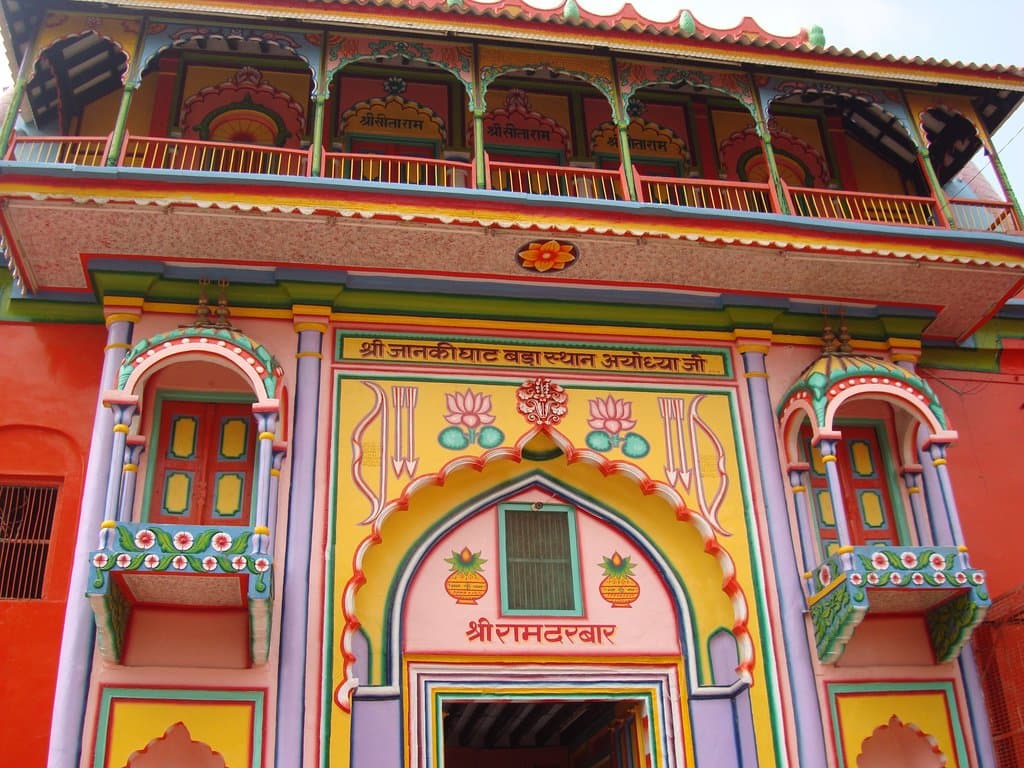
Ram Janmabhoomi Temple Complex
A sacred Hindu temple complex revered as the birthplace of Lord Ram, known for its stunning architecture and deep spiritual significance.
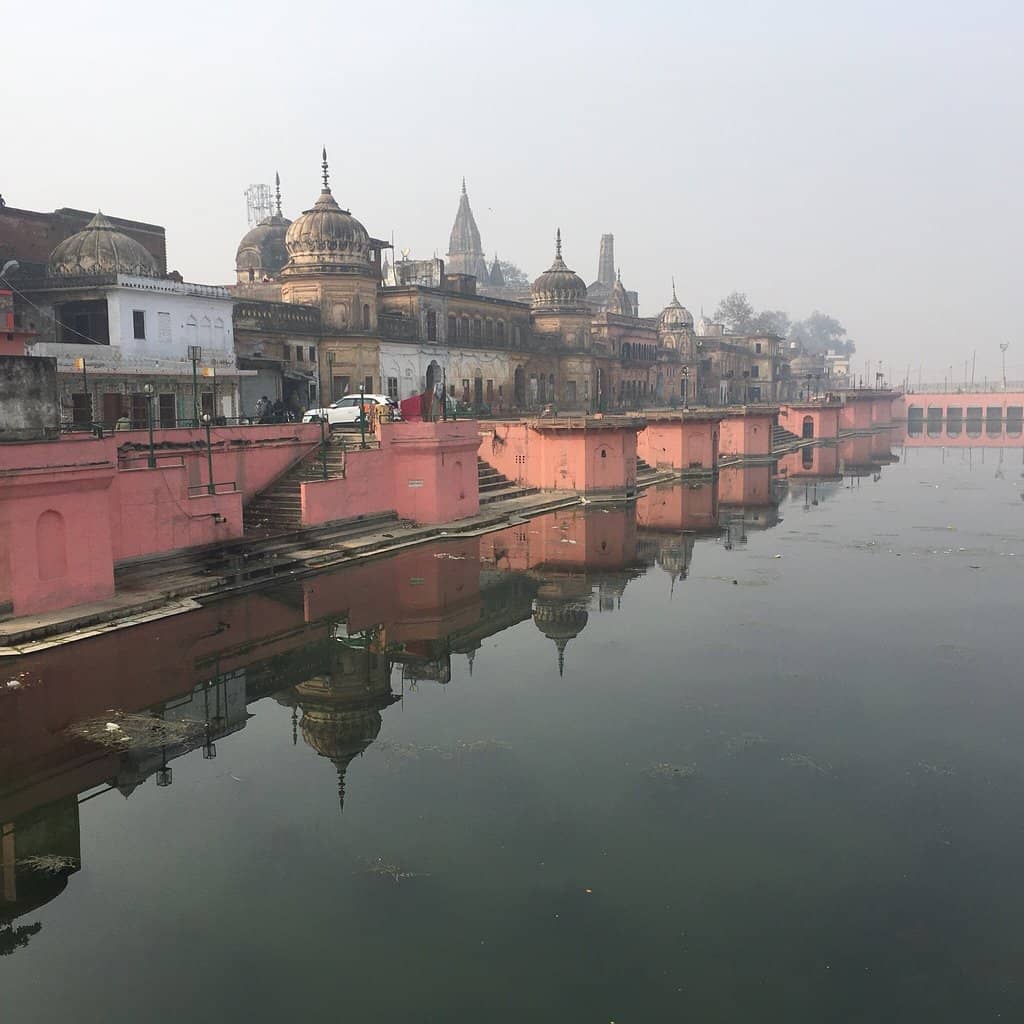
Highlights
Must-see attractions

Social
From TikTok & Reddit
Best Time
Pleasant weather for exploration
Ram Janmabhoomi Temple Complex
Best Time
Pleasant weather for exploration
Highlights
Must-see attractions
A sacred Hindu temple complex revered as the birthplace of Lord Ram, known for its stunning architecture and deep spiritual significance.
"The intricate carvings, stunning architecture, and serene ambiance have left me spellbound."

🎯 Book Passes in Advance
Secure free passes online or at the temple for smoother darshan. :admission_tickets:
👟 Locker Facilities Available
Deposit footwear and belongings in secure lockers before entering. :moneybag:
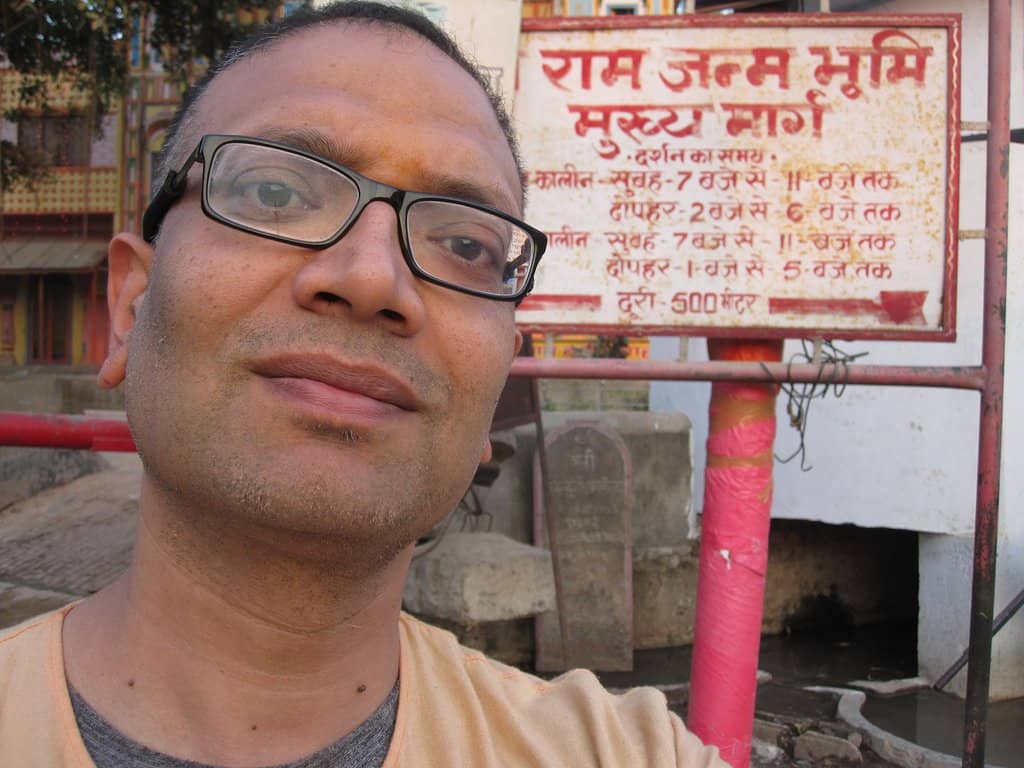
Highlights
Discover the most iconic attractions and experiences
Shree Ram Janmabhoomi Temple
Ayodhya, Uttar Pradesh
The sacred birthplace of Lord Ram, featuring stunning Nagara-style architecture and intricate carvings.
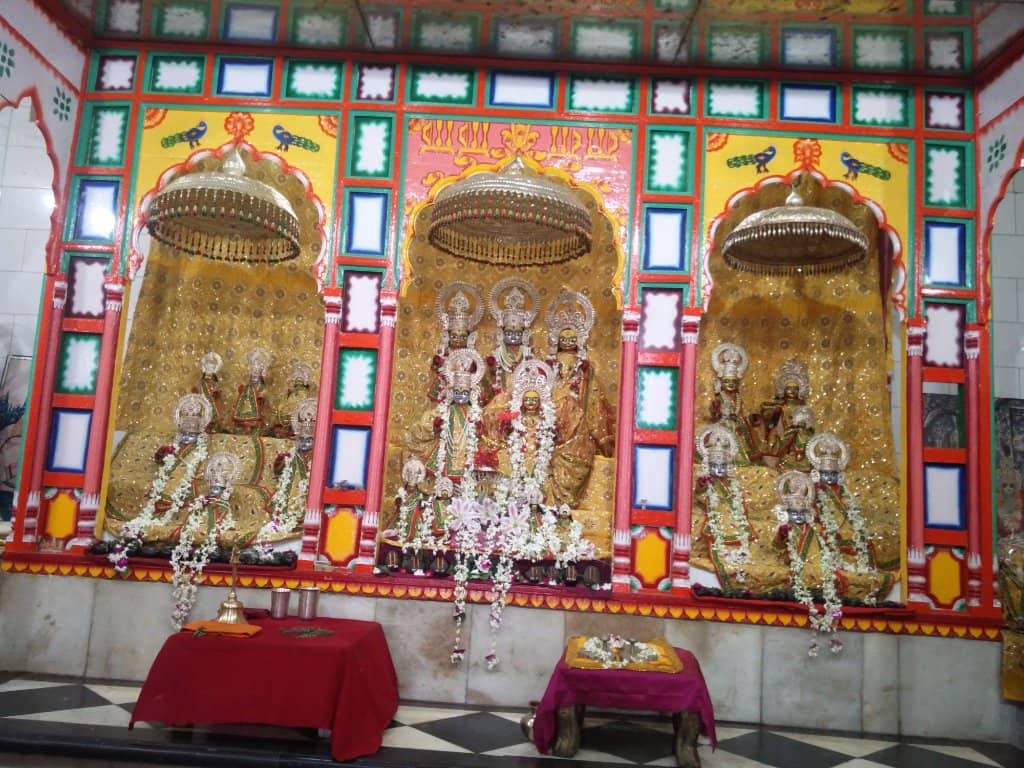
Ram Darbar
Inside the temple complex
A central attraction, depicting Lord Ram and his divine family, drawing immense devotion.
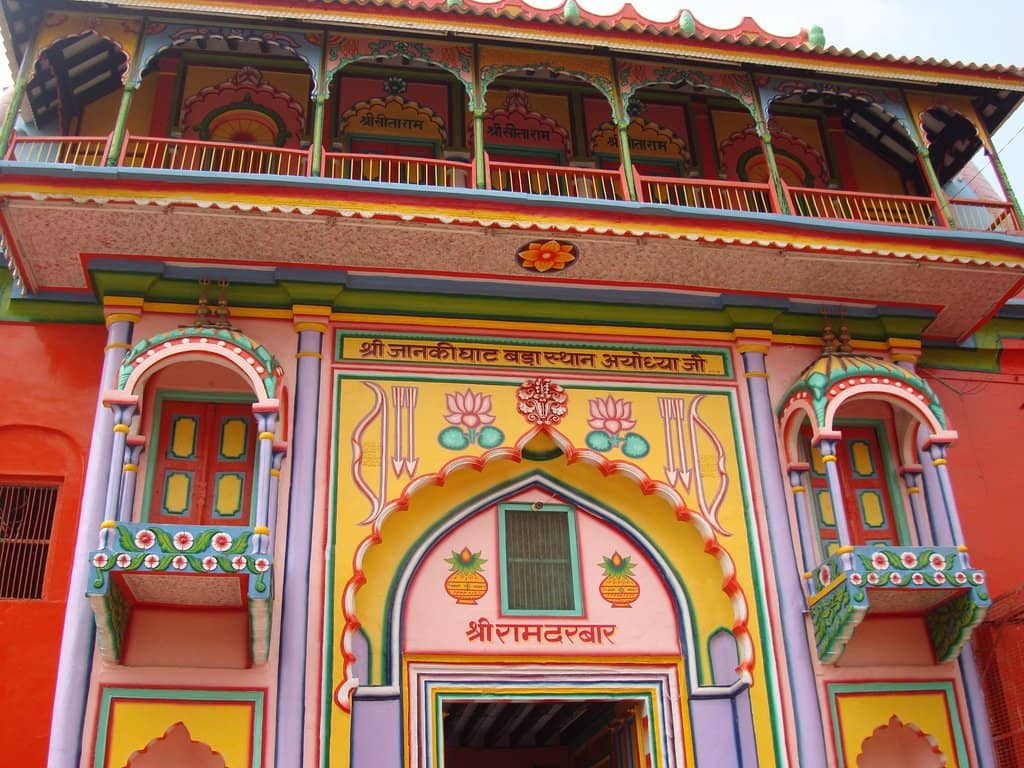
Squirrel Statue
Ram Janmabhoomi complex
A unique statue honoring the squirrel's role in the Ramayana, a popular spot for visitors.
Plans like a pro.
Thinks like you
Planning Your Visit
Plan Your Visit to Ram Janmabhoomi
Navigating Ayodhya's Spiritual Hub
Best Times
Insider Tips
from TikTok, Instagram & Reddit
🎯 Book Passes in Advance
Secure free passes online or at the temple for smoother darshan. :admission_tickets:
👟 Locker Facilities Available
Deposit footwear and belongings in secure lockers before entering. :moneybag:
🚶♀️ Visit Hanumangarhi First
Seek blessings at Hanumangarhi before Ram Janmabhoomi for spiritual permission. :pray:
📱 No Cameras Allowed
Photography is restricted inside the temple complex. :camerawithflash:
Tips
from all over the internet
🎯 Book Passes in Advance
Secure free passes online or at the temple for smoother darshan. :admission_tickets:
👟 Locker Facilities Available
Deposit footwear and belongings in secure lockers before entering. :moneybag:
🚶♀️ Visit Hanumangarhi First
Seek blessings at Hanumangarhi before Ram Janmabhoomi for spiritual permission. :pray:
📱 No Cameras Allowed
Photography is restricted inside the temple complex. :camerawithflash:
💧 Stay Hydrated
Water coolers and restrooms are conveniently located throughout the complex. :droplet:
What Travellers Say
Reviews Summary
Visitors describe the Ram Mandir as a divine and unforgettable experience, praising its breathtaking architecture and serene spiritual ambiance. The temple's cultural significance and the peaceful atmosphere are frequently highlighted, making it a must-visit for spiritual and cultural enrichment.
"A Divine Experience:-
"I'm utterly speechless after visiting the Ram Mandir in Ayodhya. The intricate carvings, stunning architecture, and serene ambiance have left me spellbound. This magnificent temple is a testament to the rich cultural heritage and spiritual significance of India.
What impressed me
- Beautiful Architecture: The temple's design and craftsmanship are truly breathtaking.
- Spiritual Ambiance: The peaceful atmosphere and sacred vibes make it perfect for introspection and devotion.
- Cultural Significance: Ram Mandir holds immense historical and cultural importance, making it a must-visit destination.
Overall Experience
My visit to Ram Mandir was an unforgettable experience that has deepened my connection with my roots and faith. I highly recommend it to anyone seeking spiritual enlightenment or cultural enrichment ."
Aadinan 16
"🌺 श्री राम जन्मभूमि मंदिर, अयोध्या 🌺
“लिखना आरंभ करने से पहले मैं श्री हनुमान जी से तथा श्री राम जी से आज्ञा लेता हूँ। ऐसे धार्मिक और भावनात्मक स्थानों का वर्णन अवश्य करना चाहिए, ताकि लोगों की जिज्ञासा और श्रद्धा शांत हो सके। प्रभु की प्रेरणा से यह शब्द लिख रहा हूँ।”
🌺 Ram Mandir, Ayodhya – A Divine Experience Beyond Words 🌺
The holy land of Ayodhya radiates divinity, and at its heart stands the magnificent Shree Ram Mandir, a living symbol of faith, history, and devotion. Built on the sacred birthplace of Lord Shri Ram, the temple’s architecture is awe-inspiring, blending timeless Indian craftsmanship with graceful modernity. The moment one steps inside, the air itself feels charged with spirituality—as though you are truly standing before Prabhu Shri Ram himself.
The darshan experience is beautifully managed, with wide corridors, serene surroundings, and every facility thoughtfully provided. Lockers are available for belongings, drinking water and restrooms are placed all around, and wheelchairs ensure darshan is accessible to all. The security personnel and local people are kind and respectful, adding to the peaceful atmosphere. Cameras are not permitted inside, but the intricate artistry and sacred presence remain etched in the heart far beyond what any lens could capture.
As you walk towards the temple, the streets come alive with cheerful monkeys and the warmth of devotees chanting “Jai Shri Ram!” Everywhere, there is a sense of belonging, of devotion, of unity. Truly, this is not just a temple—it is a spiritual landmark that connects you deeply to India’s eternal heritage.
✨ Tips for Devotees ✨
Prefer leaving your vehicle at the hotel and take the dedicated autos available for darshan.
Secure lockers are provided for footwear and belongings.
Visit Hanumangarhi before Ram Janmabhoomi to seek the blessings and permission of Shri Hanuman Ji.
Every step here feels like grace, every moment like a blessing. Visiting Ram Mandir is not merely a journey—it is a soulful homecoming.
🙏 Jai Shri Ram! 🙏"
Paras Allawadi
"The Ayodhya Ram Mandir, also known as Ram Janmabhoomi Temple, is a sacred Hindu pilgrimage site located in Ayodhya, Uttar Pradesh, India. It's revered as the birthplace of Lord Ram and is a symbol of devotion, cultural heritage, and national unity.
Key Features:
- Location: Ram Janmabhoomi, Ayodhya, Faizabad district, Uttar Pradesh, India
- Architecture: Nagara style, with 392 intricately carved pillars and 44 doors, decorated with images of Hindu gods
- Structure: 161 feet tall, 380 feet long, and 250 feet wide, with three floors, each 20 feet high
- Area: 2.7 acres within a 70-acre complex
- Construction: Built using Bansi Paharpur sandstone and Makrana marble, without any steel or iron
Temple Timings:
- Morning Darshan: 7:00 AM - 12:00 PM
- Evening Darshan: 1:00 PM - 9:00 PM (or 2:00 PM - 7:00 PM, slightly varying timings reported)
- Aarti Timings:
- Mangal Aarti: 4:00 AM
- Shringar Aarti: 6:00 AM
- Shayan Aarti: 10:00 PM (entry pass needed)
Visiting Information:
- Best Time to Visit: October to March for pleasant weather
- How to Reach: Ayodhya is well-connected by air, rail, and road; nearest airport is Ayodhya Airport or Chaudhary Charan Singh International Airport in Lucknow
- Accommodation: Various hotels, Dharamshalas, and homestays available near the temple
- Entry Pass: Free passes available online or at the temple premises; VIP passes can be arranged for faster access
¹ ² ³
History and Significance:
- Consecration Ceremony: Held on January 22, 2024, with Prime Minister Narendra Modi performing the pran pratishtha ritual
- Construction Status: Phase 1 (main temple) completed and open to the public; additional phases still under construction
- Cultural Importance: A symbol of faith, unity, and resilience, representing India's rich cultural heritage ⁴ ⁵"
Prakash Kumar PK
What People Like
What People Dislike
Frequently Asked Questions
🚇 🗺️ Getting There
Ayodhya is accessible by air, rail, and road. The nearest airport is Ayodhya Airport (AYJ), or you can fly into Lucknow's Chaudhary Charan Singh International Airport (LKO) and take a taxi or bus (approx. 3-hour drive).
A popular option is to drive from Lucknow to Ayodhya, which takes about 3 hours.
It's recommended to leave your vehicle at your hotel and use dedicated autos for visiting the temple to avoid hassle [^Review].
From Ayodhya railway station, you can hire auto-rickshaws or taxis to reach the Ram Janmabhoomi Temple complex. The journey is relatively short.
Local auto-rickshaws and cycle rickshaws are common for getting around Ayodhya. Some areas might have shuttle services for pilgrims.
🎫 🎫 Tickets & Entry
Entry to the Ram Janmabhoomi Temple is free. However, you can obtain free 'Sugam Darshan' passes online or at the temple premises for a smoother experience [^Review]. VIP passes might also be arranged for faster access.
Morning darshan is typically from 7:00 AM to 12:00 PM, and evening darshan is from 1:00 PM to 9:00 PM (timings can slightly vary) [^Review]. Aarti timings are also scheduled throughout the day.
Waiting times can be significant, especially for non-booked devotees, sometimes extending for many hours. Arriving early or securing a pass can help reduce your wait.
Cameras, mobile phones, and other electronic devices are not permitted inside the temple. Lockers are available to store these items and footwear [^Review].
Yes, modest clothing is recommended. Visitors should dress respectfully, covering shoulders and knees, to show reverence for the sacred site.
🎫 🧭 Onsite Experience
The temple is built in the Nagara style, standing 161 feet tall with intricate carvings on 392 pillars and 44 doors, depicting Hindu deities [^Review]. It's constructed using Bansi Paharpur sandstone and Makrana marble without steel or iron.
Besides the main temple, visitors can see the Ram Darbar and a unique statue of a squirrel, which is a popular attraction.
Yes, wheelchairs are available to ensure darshan is accessible to all visitors [^Review].
Yes, after darshan, you can receive prasad. The Sita Rasoi (kitchen) also offers khichdi prasad, which you can have as much as you like [^Review].
Security is very high at the temple complex, with police personnel present to ensure safety and order [^Review].
🍽️ 🍽️ Food & Dining
There are several eateries and restaurants in Ayodhya offering local cuisine. The Sita Rasoi within the temple complex also serves prasad.
Yes, vegetarian food is widely available in Ayodhya, catering to the preferences of pilgrims and visitors.
You can find a range of dining options, from local street food stalls to modest restaurants, offering affordable meals.
Trying local North Indian dishes and sweets is recommended. The khichdi prasad at Sita Rasoi is a unique experience [^Review].
Most eateries near the temple operate from morning until late evening, with some closing after lunch or dinner hours.
📸 📸 Photography
No, photography is strictly prohibited inside the Ram Janmabhoomi Temple complex [^Review].
While photography is restricted inside, the exterior architecture and the surrounding areas offer beautiful views. The squirrel statue is also a popular photo spot.
Early morning or late afternoon can offer softer light for exterior shots, but be mindful of security and any restrictions in specific areas.
Besides the Ram Mandir, the ghats of the Saryu River and other temples in Ayodhya can offer picturesque scenes.
Mobile phones are not allowed inside the temple premises. You will need to deposit them in the lockers before entering.
For Different Travelers
Tailored advice for your travel style
👨👩👧 Families with Kids
Keep in mind that photography is not allowed, so engage your children by talking about the stories of Lord Ram and the significance of the temple. The squirrel statue is often a point of interest for younger visitors.
Plan your visit during less crowded times, like weekdays, to make the experience more comfortable for the whole family. Pack light and utilize the locker facilities for any essentials.🙏 Devout Pilgrims
Consider visiting Hanumangarhi temple first to seek blessings before entering the main temple complex [^Review]. Embrace the devotional chants of 'Jai Shri Ram' and immerse yourself in the spiritual ambiance. Remember to dress modestly and be prepared for high security. The temple offers a profound connection to faith and heritage, making it a deeply fulfilling destination.
📸 Photography Enthusiasts
For the best light, consider visiting during the golden hours of sunrise or sunset for exterior shots. Be mindful of local regulations and respect any restricted zones. The journey to Ayodhya itself, with its spiritual vibe and bustling streets, can also provide interesting candid shots, but always seek permission before photographing individuals.
Deep Dives
In-depth insights and expert knowledge
The Architecture of Ram Janmabhoomi Temple
Every inch of the temple is adorned with meticulous craftsmanship. It features 392 pillars and 44 doors, each intricately carved with images of Hindu gods and goddesses, narrating stories from scriptures. The sheer detail and artistry involved in these carvings are a testament to the skill of the artisans and the deep devotion poured into its creation. The 70-acre complex surrounding the main temple further enhances the spiritual experience, offering a serene and expansive environment for pilgrims and visitors alike.
Visitors often remark on the breathtaking beauty and craftsmanship of the temple's design [^Review]. The blend of traditional aesthetics with modern engineering ensures that the temple is not only a place of worship but also an architectural marvel. The careful selection of materials and the precision in construction contribute to its timeless appeal, making it a significant landmark in India's cultural landscape.
Planning Your Spiritual Journey to Ayodhya
To manage the influx of visitors, it's advisable to book your darshan passes in advance [^Review]. These passes can be obtained online or at the temple premises and help in reducing wait times. While entry is free, these passes streamline the process. Remember that photography is strictly prohibited inside the temple complex [^Review], so be prepared to deposit your cameras and phones at the designated locker facilities. These lockers are also available for footwear and other belongings [^Review].
Many visitors suggest visiting Hanumangarhi temple before heading to Ram Janmabhoomi [^Review]. This is considered a traditional practice to seek the blessings and permission of Lord Hanuman before visiting the birthplace of Lord Ram. The overall atmosphere in Ayodhya is described as divine and devotional, with many people chanting 'Jai Shri Ram'.
The Significance of Ram Janmabhoomi
+1 For centuries, this site has been a focal point of faith and devotion, representing a deep connection to ancient Indian heritage and spiritual traditions.The construction and consecration of the temple, particularly the 'Pran Pratishtha' ceremony on January 22, 2024, were monumental events, celebrated across India and by the global Hindu diaspora.
The temple's existence is deeply intertwined with the Ramayana, the ancient Sanskrit epic that narrates the life and deeds of Lord Ram. The stories and teachings from the Ramayana continue to inspire millions, and the temple serves as a physical embodiment of these narratives. The presence of elements like the squirrel statue, honoring its role in the Ramayana, further emphasizes this connection.
Social
from TikTok, Instagram & Reddit