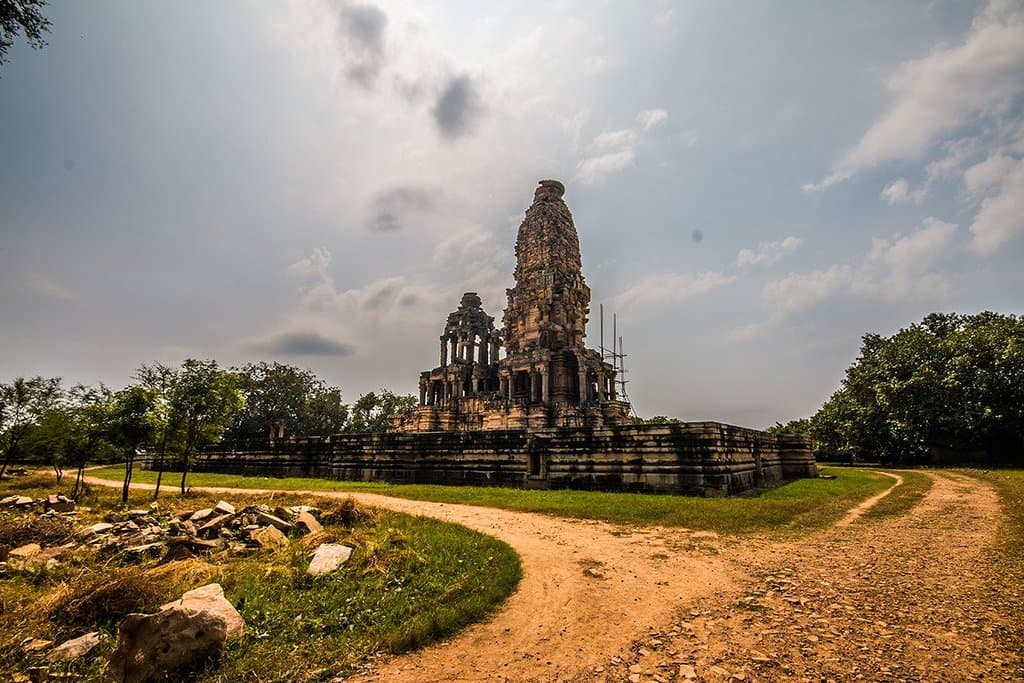
Kakanmath Temple Sihoniya
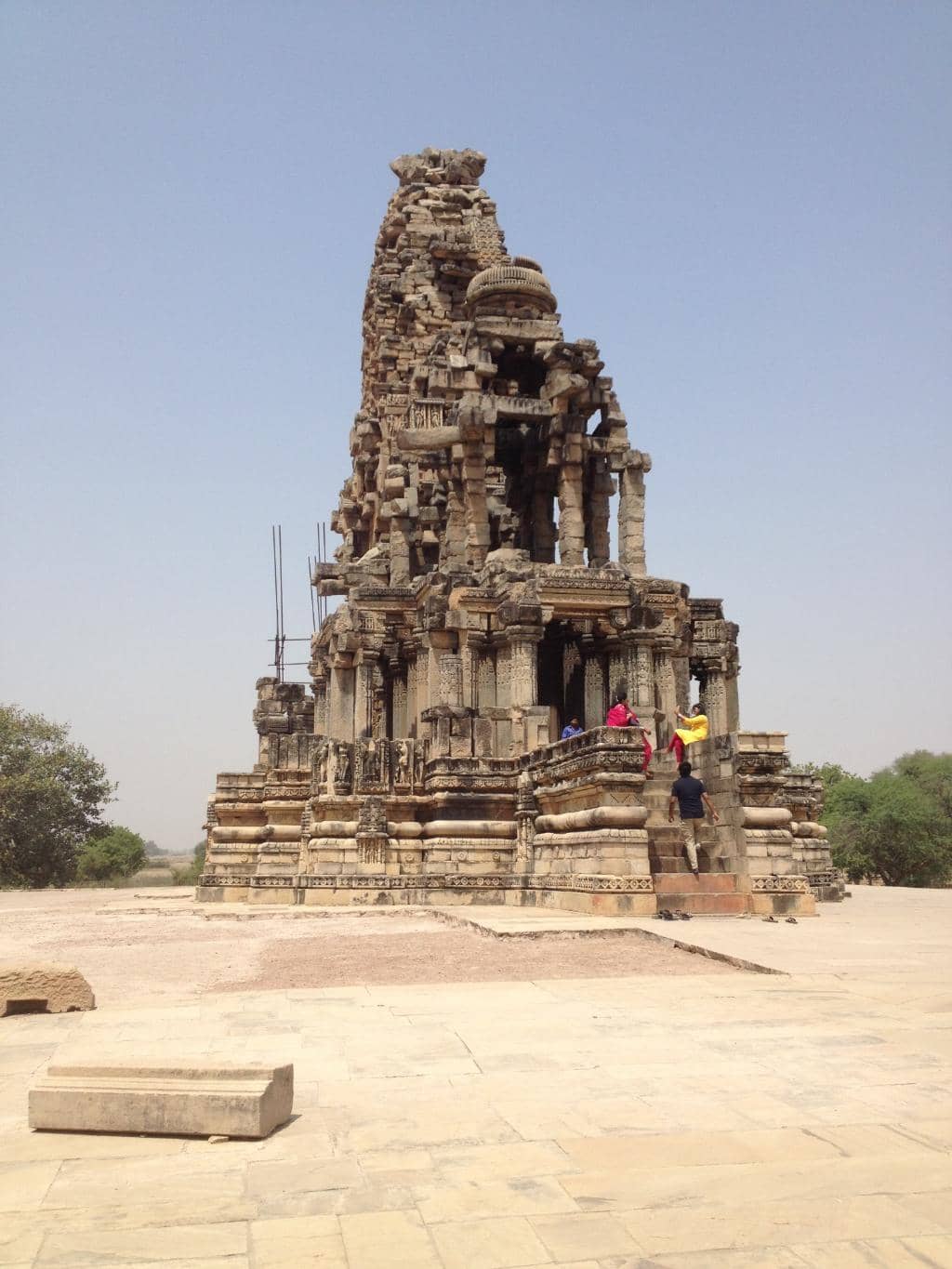
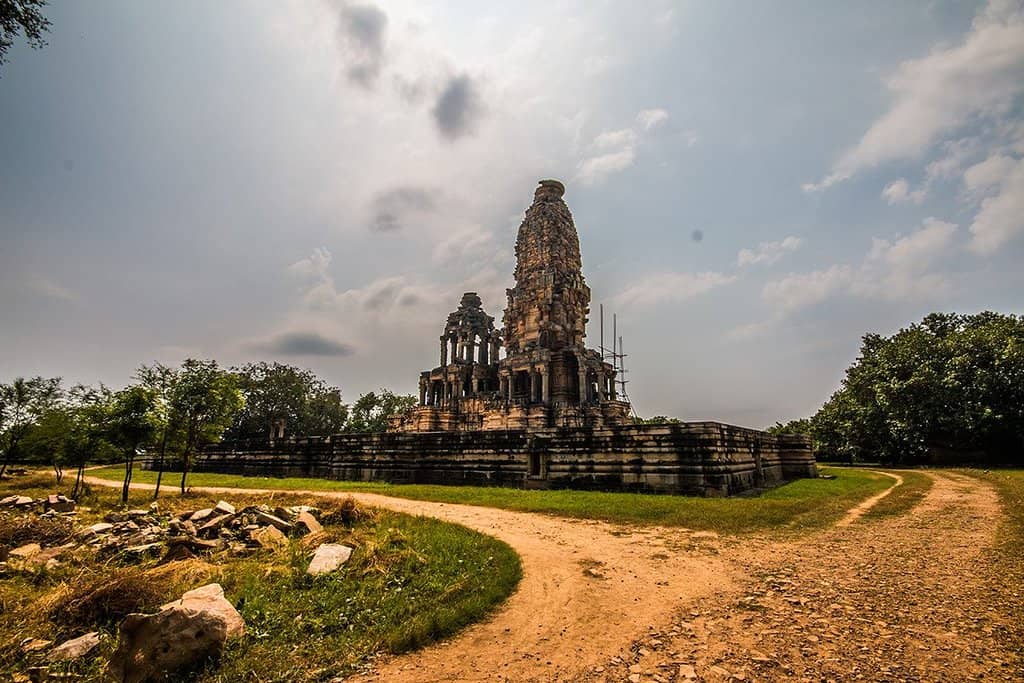
An 11th-century marvel of mortar-less construction and intricate carvings, shrouded in legends of overnight ghost builders.
Highlights
Must-see attractions

Social
From TikTok & Reddit
Best Time
Pleasant weather for exploration
Kakanmath Temple Sihoniya
Best Time
Pleasant weather for exploration
Highlights
Must-see attractions
An 11th-century marvel of mortar-less construction and intricate carvings, shrouded in legends of overnight ghost builders.
"A partially ruined but mesmerizing architectural wonder with a fascinating ghost story."
🚗 Hire a Private Vehicle
Connectivity is decent but a private vehicle is best for reaching this hidden gem.
⏳ Allow Ample Time
Explore the ruins and soak in the legends; it's a place that rewards patient observation.
Quick Facts
Rating
4.5 · 1,388 reviews
Type
Hindu Temple
Highlights
Discover the most iconic attractions and experiences
Mortar-less Construction
Entire Temple
Marvel at the ancient engineering where massive stone blocks interlock without mortar, defying gravity and time.
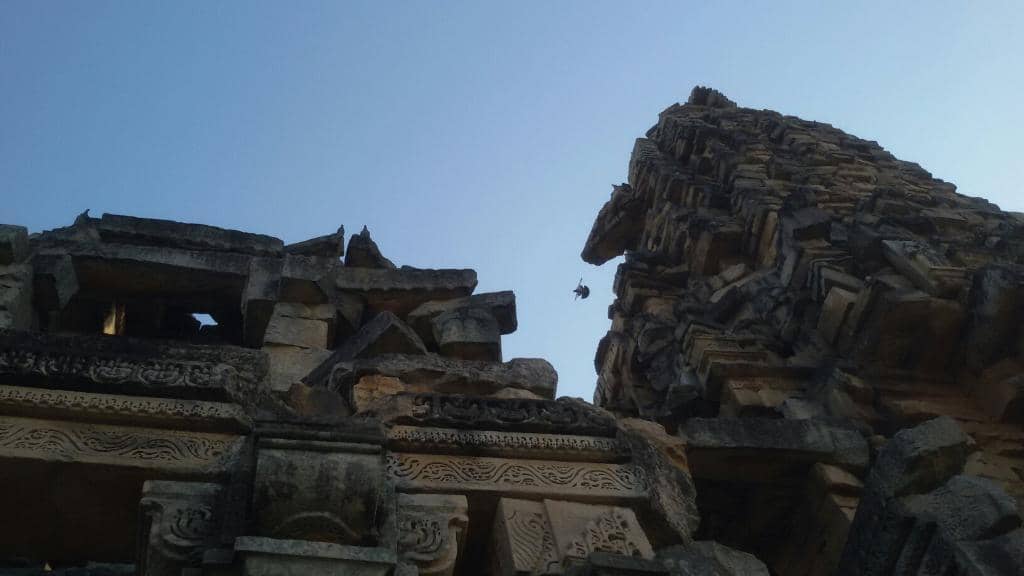
Intricate Stone Carvings
Temple Walls and Pillars
Admire the detailed carvings that adorn the temple walls and pillars, showcasing the exquisite craftsmanship of the 11th century.
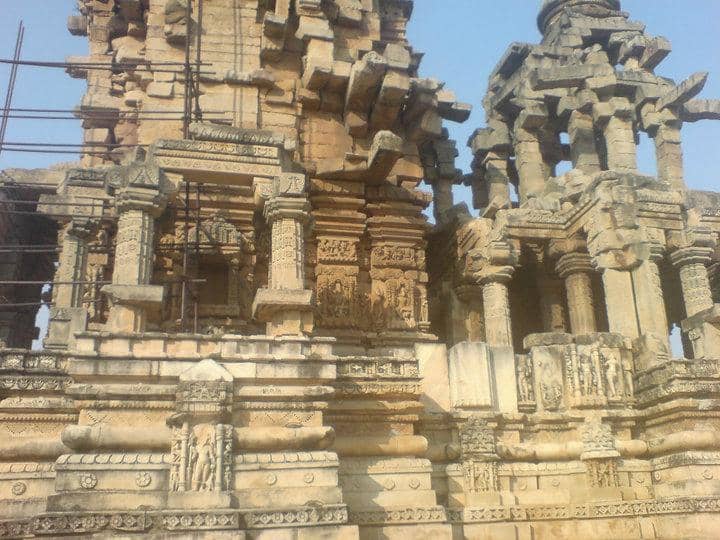
The Legend of the Spirits
Temple Grounds
Immerse yourself in the local folklore that claims the temple was built overnight by ghosts or divine spirits.
Plans like a pro.
Thinks like you
Planning Your Visit
The Ghostly Overnight Build
Getting There & What to Expect
Best Times
Insider Tips
from TikTok, Instagram & Reddit
🚗 Hire a Private Vehicle
Connectivity is decent but a private vehicle is best for reaching this hidden gem.
⏳ Allow Ample Time
Explore the ruins and soak in the legends; it's a place that rewards patient observation.
📸 Capture the Details
Focus on the intricate carvings and unique construction for stunning photos.

📜 Learn the Legends
Ask locals or research the fascinating stories behind its construction.
Tips
from all over the internet
🚗 Hire a Private Vehicle
Connectivity is decent but a private vehicle is best for reaching this hidden gem.
⏳ Allow Ample Time
Explore the ruins and soak in the legends; it's a place that rewards patient observation.
📸 Capture the Details
Focus on the intricate carvings and unique construction for stunning photos.
📜 Learn the Legends
Ask locals or research the fascinating stories behind its construction.
What Travellers Say
Reviews Summary
Visitors are captivated by the Kakanmath Temple's unique mortar-less construction and intricate 11th-century carvings, often marveling at the legends of its supernatural origins. While its partially ruined state is noted, the remaining structure is considered an architectural wonder and a significant historical landmark.
"Nice temple but now in ruins .....with passage of time dedicated to god Shiva and main shivlingam is in the sanctum ..."
Vikram singh parihar
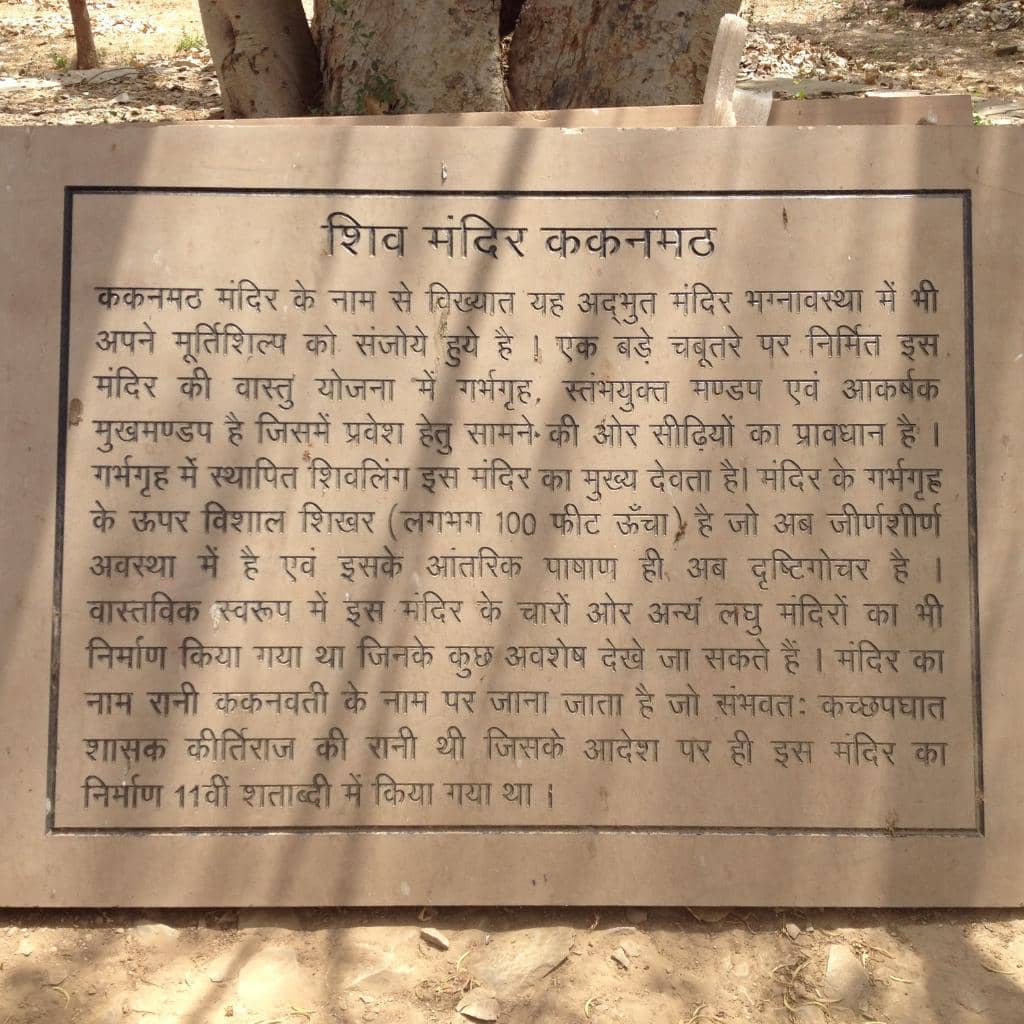
"The Kakanmath Temple is a fascinating historical site located in Sihoniya, in the Morena district of Madhya Pradesh, India.
* Historical Significance:
* It's an 11th-century Shiva temple.
* It was built by the Kachchhapaghata ruler Kirttiraja.
* The temple reflects the architectural styles of that era.
* Architectural Marvel:
* The temple is known for its impressive and intricate carvings.
* It's notable for its apparent lack of mortar in its construction, which adds to its mystique.
* The remaining structure gives a glimpse into the advanced craftsmanship of the time.
* Location:
* The temple is situated in the village of Sihoniya.
* It's accessible from Gwalior, making it a potential day trip destination.
* Legends:
* There are folk legends that connect the temple's name to a queen named Kakanavati or Kakanade.
* Also there is a thought that the name comes from the words kanak(gold) and math(shrine).
* Current State:
* The temple is partially ruined, but its remaining structure still showcases its former grandeur.
In essence, the Kakanmath Temple is a significant historical and architectural landmark that offers a glimpse into India's medieval past."
Neeraj Sharma
"It’s a hidden gem of Morena, Madhya Pradesh..beautiful place away from city.."
Gaurav Agnihotri
What People Like
What People Dislike
Frequently Asked Questions
🚇 🗺️ Getting There
Kakanmath Temple is located in Sihoniya, Morena district, Madhya Pradesh. It's about 30 km from Morena and 70 km from Gwalior. The best way to reach it is by hiring a private vehicle, as public transport connectivity is limited.
Yes, Kakanmath Temple can be a feasible day trip from Gwalior, especially if you have your own transport. The journey takes around 1.5 to 2 hours one way.
Given its somewhat remote location, traveling by car or hiring a taxi is highly recommended for a comfortable visit to Kakanmath Temple.
Direct bus services to Kakanmath Temple are scarce. It's advisable to check local bus routes to Sihoniya village and then arrange for local transport or walk if distances are short.
The nearest major cities are Gwalior and Morena. Gwalior is a significant railway junction and airport, making it a convenient starting point for your visit.
🎫 🎫 Tickets & Entry
Currently, there is no entry fee mentioned for Kakanmath Temple. It's a historical site open for exploration.
The temple is generally open from sunrise to sunset, allowing visitors to explore its ruins and marvel at its architecture throughout the day.
No advance booking is required for Kakanmath Temple as there is no entry fee. You can visit anytime during its open hours.
The temple is partially ruined, but efforts are made to preserve its historical significance. While not fully restored, its unique structure is still impressive.
Official guides may not always be available. It's a good idea to research the temple's history and legends beforehand or hire a local guide if possible.
🎫 🏛️ Onsite Experience
Kakanmath Temple is renowned for its unique mortar-less construction, where massive stone blocks are intricately fitted together. It also features stunning 11th-century carvings and a mysterious, partially ruined upper structure.
The most popular legend is that the temple was built overnight by ghosts or spirits. Another story links its name to Queen Kakanavati or Kakanade.
Absolutely! The temple's unique architecture, intricate carvings, and the surrounding rural landscape offer excellent photographic opportunities.
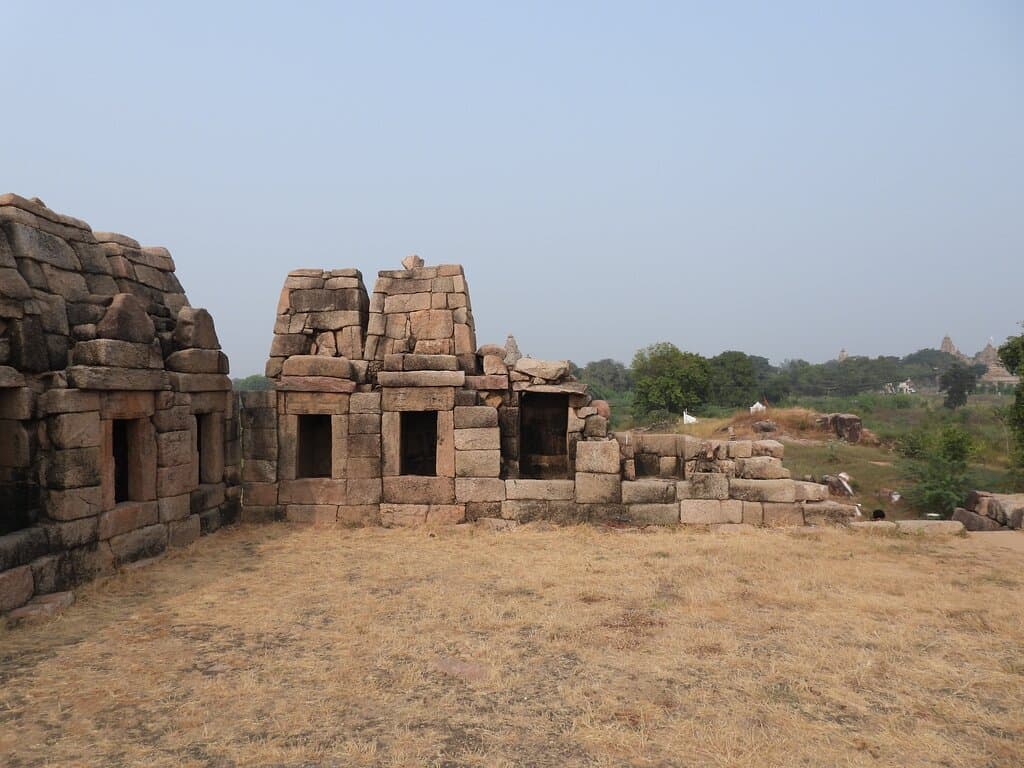
The temple is partially ruined, with the upper half and dome not in good condition. However, the lower half and its detailed carvings are remarkably preserved, offering a glimpse into its past grandeur.
Wear comfortable clothing and sturdy shoes, as you'll be exploring a historical site with uneven terrain. Modest attire is recommended out of respect for the religious significance of the temple.
🍽️ 🍽️ Food & Dining
There are very limited dining options directly at Kakanmath Temple. It's advisable to carry your own snacks and water or plan to eat in Gwalior or Morena before or after your visit.
You might find small local eateries in nearby villages like Sihoniya, but options are basic. For a wider variety of food, Gwalior offers more choices.
The Morena district, like much of Madhya Pradesh, offers traditional North Indian cuisine. Expect dishes like dal baati, roti, and various vegetable curries.
📸 📸 Photography
Focus on the intricate carvings on the walls and pillars, the unique interlocking stone structures, and the overall grandeur of the partially ruined temple. The surrounding rural landscape also offers scenic shots.
Drone photography regulations can vary. It's best to check with local authorities or the site management before flying a drone to avoid any issues.
Early morning or late afternoon offers the best natural light for photography, creating dramatic shadows and highlighting the temple's textures.
Generally, photography is allowed in the open areas of the temple complex. However, always be respectful of the site's sanctity and avoid intrusive photography.
A wide-angle lens is great for capturing the scale of the temple, while a macro lens can highlight the intricate details of the carvings. A tripod can be useful for low-light conditions.



Social
from TikTok, Instagram & Reddit