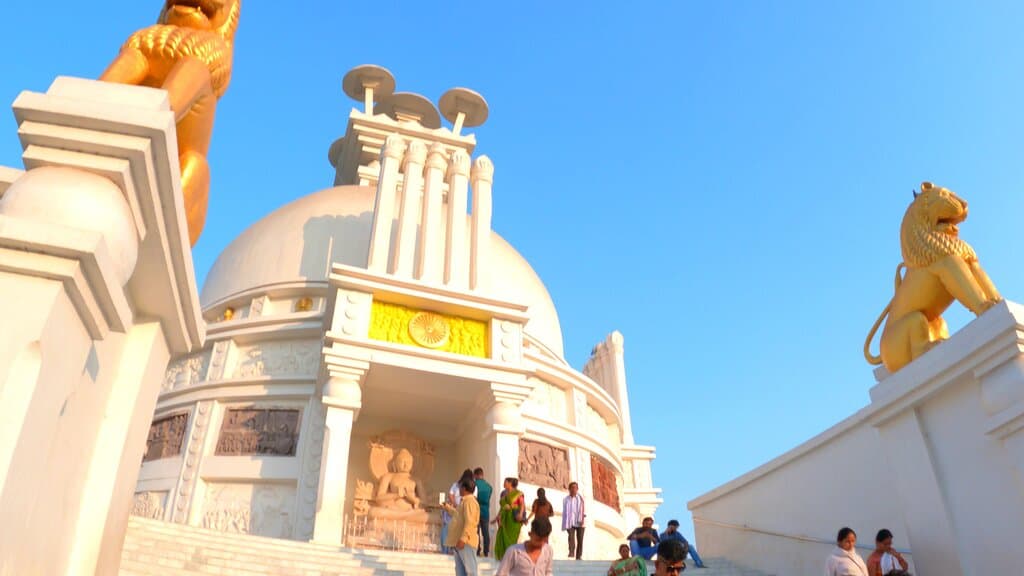
Dhauli Shanti Stupa
A striking white Peace Pagoda on Dhauli Hill, marking Emperor Ashoka's conversion to Buddhism after the Kalinga War.
Highlights
Must-see attractions

Social
From TikTok & Reddit
Best Time
Serene atmosphere, fewer crowds
Dhauli Shanti Stupa
Best Time
Serene atmosphere, fewer crowds
Highlights
Must-see attractions
A striking white Peace Pagoda on Dhauli Hill, marking Emperor Ashoka's conversion to Buddhism after the Kalinga War.
"A must-visit for its tranquility and architectural beauty, offering a serene experience."
🎯 Wear comfortable shoes
You'll be walking around the hill and stupa. :athletic_shoe: #dhauli #odisha
📸 Capture the serenity
The white stupa against the sky is incredibly photogenic. :camerawithflash: #peace #bhubaneswar
Quick Facts
Hours
Rating
4.5 · 27,954 reviews
Type
Place of Worship
Highlights
Discover the most iconic attractions and experiences
The Dhauli Shanti Stupa
Dhauli Hill
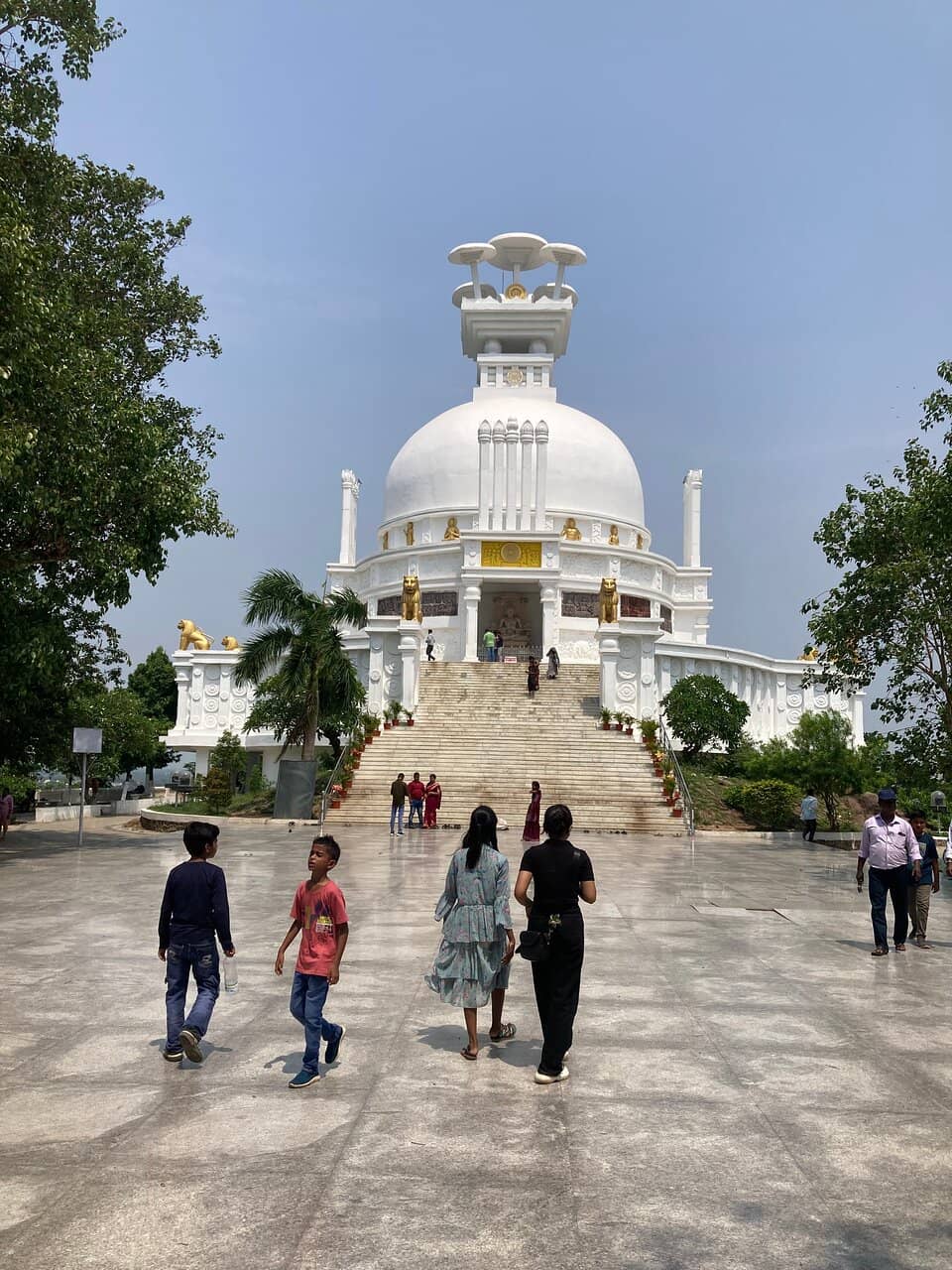
A striking white dome symbolizing peace, built on the historic Kalinga War battlefield.
Ashoka's Rock Edicts
Near the Stupa
Ancient inscriptions detailing Emperor Ashoka's transformation and his embrace of Buddhism.
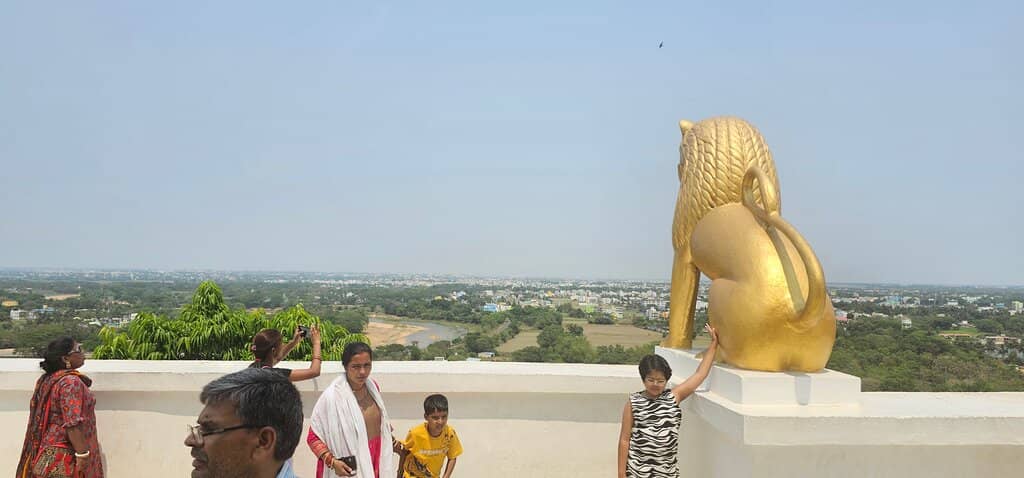
Panoramic Views
Top of Dhauli Hill
Enjoy breathtaking vistas of the Daya River and the surrounding landscape.

Buddha Statues
Around the Stupa
Four statues depicting key stages of Buddha's life: birth, enlightenment, first sermon, and nirvana.
Plans like a pro.
Thinks like you
Planning Your Visit
Timing Your Visit for Tranquility
Understanding the Significance
Best Times
Insider Tips
from TikTok, Instagram & Reddit
🎯 Wear comfortable shoes
You'll be walking around the hill and stupa. :athletic_shoe: #dhauli #odisha
📸 Capture the serenity
The white stupa against the sky is incredibly photogenic. :camerawithflash: #peace #bhubaneswar
📜 Understand the history
Learn about Ashoka's conversion to Buddhism for a deeper experience. 📚 #history #buddhism
🧘♀️ Embrace the peace
It's a place for quiet reflection and meditation. :lotus_position: #spiritual #tranquility
Tips
from all over the internet
🎯 Wear comfortable shoes
You'll be walking around the hill and stupa. :athletic_shoe: #dhauli #odisha
📸 Capture the serenity
The white stupa against the sky is incredibly photogenic. :camerawithflash: #peace #bhubaneswar
📜 Understand the history
Learn about Ashoka's conversion to Buddhism for a deeper experience. 📚 #history #buddhism
🧘♀️ Embrace the peace
It's a place for quiet reflection and meditation. :lotus_position: #spiritual #tranquility
🚗 Parking available
Good parking facilities are available near the entrance. 🚗 #traveltips
What Travellers Say
Reviews Summary
Visitors consistently praise Dhauli Shanti Stupa for its profound peace and stunning white architecture, highlighting it as a serene escape with significant historical importance. While some note limited exploration options inside the stupa, the overall experience is described as tranquil and visually striking, making it a recommended stop for its historical narrative and calming atmosphere.
"I recently visited the Dhauli Shanti Stupa as part of my Puri tour, and it was truly a serene experience! The peaceful surroundings and stunning architecture of the stupa are breathtaking. The white and gold color scheme is visually striking.
Highlights:
- Peaceful Ambiance: Perfect for meditation and relaxation.
- Beautiful Architecture: The stupa's design and colors are impressive.
- Buddha Statue : The statue is beautifully crafted.
Suggestion:
- Accessibility: There seems to be no clear entrance or option to explore the inside of the stupa. Consider providing clearer signage or access for visitors.
Overall, Dhauli Shanti Stupa is a must-visit for its tranquility and architectural beauty."
Rishabh Singh
"The Dhauli Shanti Stupa, located near Bhubaneswar in Odisha, holds great historical and spiritual significance. It is believed to be the site of the Kalinga War (261 BCE), where Emperor Ashoka witnessed massive bloodshed that changed his heart. Deeply moved, Ashoka renounced violence and embraced Buddhism, spreading messages of peace and compassion. The Japanese Buddhist Sangha later built the white Peace Pagoda (Shanti Stupa) here in 1972, symbolizing harmony and non-violence. Surrounded by ancient rock edicts of Ashoka and serene landscapes, Dhauli Shanti Stupa stands as a reminder of transformation, peace, and the universal message of brotherhood.
Experience: Not much to explore, but it is a peaceful and pleasant place to visit. The four statues of Buddha each depict a story. I am not sure if private vehicles are allowed near the temple, as we traveled there on a small government bus.
The four Buddha statues at Dhauli Shanti Stupa (Peace Pagoda), Odisha represent the four significant stages of Lord Buddha’s life. Each statue is placed facing one direction of the stupa, symbolizing peace and compassion:
Birth of Buddha (Lumbini) – Depicts the moment of Siddhartha Gautama’s birth.
Enlightenment (Bodh Gaya) – Represents Buddha attaining enlightenment under the Bodhi tree.
First Sermon (Sarnath) – Symbolizes the "Dharmachakra Pravartan" (Turning of the Wheel of Dharma) when he first taught the path.
Mahaparinirvana (Kushinagar) – Depicts Buddha’s final departure from the world, symbolizing eternal peace.
These statues together narrate Buddha’s journey and convey the message of non-violence, compassion, and universal peace."
sankalp agarwal
"Dhauli Shanti Stupa, also known as the Peace Pagoda, is a symbol of transformation and tranquility located on the banks of the Daya River near Bhubaneswar, Odisha. It marks the historic site of the brutal Kalinga War fought by Emperor Ashoka in the 3rd century BCE. According to legend, the river turned red with blood, and the immense loss of life filled Ashoka with remorse. It was here that he renounced violence and embraced Buddhism, dedicating his life to peace and dharma.
In the 1970s, the Japanese Buddhist organization Nipponzan Myohoji, in collaboration with the Odisha government, built the Shanti Stupa to spread the message of non-violence. The white domed structure gleams elegantly against the sky, adorned with sculptures depicting Buddha’s life and Ashoka’s conversion. Today, Dhauli Shanti Stupa is not just a tourist attraction but a spiritual landmark. It stands as a timeless reminder that even the mightiest ruler can choose peace over power, and that true victory lies in compassion."
Indronil Ghosh
What People Like
What People Dislike
Frequently Asked Questions
🚇 🗺️ Getting There
Dhauli Shanti Stupa is located about 8 km south of Bhubaneswar. You can easily reach it by hiring a taxi or an auto-rickshaw from the city center. Many visitors also opt for local buses, which are an economical choice. Some tours from Puri also include Dhauli as a stop.
Yes, local buses are available from Bhubaneswar to Dhauli. While private vehicles are convenient, buses offer a budget-friendly option for travelers.
Dhauli Shanti Stupa is approximately 80-90 km from Puri. It's often included as a day trip destination from Puri, combining it with other attractions.
The drive from Bhubaneswar to Dhauli offers pleasant views of the surrounding countryside. While not a dramatic scenic route, it's a peaceful journey along the Daya River.
Ride-sharing apps like Ola and Uber are generally available in Bhubaneswar and can be used to book a cab to Dhauli Shanti Stupa.
🎫 🎫 Tickets & Entry
No, there is no entry fee to visit Dhauli Shanti Stupa. It's a free-to-access historical and spiritual site, making it an accessible attraction for all visitors.
Dhauli Shanti Stupa is generally open from sunrise to sunset. It's advisable to check local timings closer to your visit, but it's typically accessible throughout daylight hours.
Currently, there is no clear entrance or option to explore the inside of the stupa itself. Visitors can admire its exterior and the surrounding grounds.
Photography is generally allowed at Dhauli Shanti Stupa, but it's always good practice to be respectful of the spiritual nature of the site. Avoid intrusive photography, especially during prayer times.
Visiting during weekdays and early mornings or late afternoons usually results in fewer crowds, allowing for a more peaceful experience.
🎫 🧭 Onsite Experience
You can admire the magnificent white Peace Pagoda, explore the ancient Ashoka rock edicts, enjoy panoramic views from the hill, and observe the four Buddha statues depicting significant life stages. It's a place for quiet contemplation and appreciating history. 
It's built on the site of the Kalinga War, where Emperor Ashoka renounced violence and embraced Buddhism. The stupa symbolizes peace and transformation.
Basic facilities like restrooms are usually available for visitors. It's always a good idea to carry hand sanitizer.
The main stupa area is accessible, but navigating the entire hill might be challenging for those with significant mobility issues. The path to the stupa is generally manageable.
The four statues represent the birth, enlightenment, first sermon, and Mahaparinirvana (final departure) of Lord Buddha, each symbolizing a key aspect of his journey.
🍽️ 🍽️ Food & Dining
There are typically no major restaurants or food stalls directly at the Dhauli Shanti Stupa site. It's advisable to eat before or after your visit in Bhubaneswar or Puri.
When in Bhubaneswar, try local delicacies like 'Chhena Poda' (a baked cheese dessert), 'Gupchup' (pani puri), and various savory snacks from local vendors.
Yes, Bhubaneswar and Puri offer numerous vegetarian food options, from simple eateries to more elaborate restaurants serving traditional Odia cuisine.
It's highly recommended to carry your own water bottle, especially during warmer months, and perhaps some light snacks for your visit.
The city of Bhubaneswar has a wide array of dining options, from street food stalls to fine-dining restaurants, offering both local and international cuisines.
📸 📸 Photography
The white stupa itself, especially against a clear blue sky or during sunset, is a prime subject. The panoramic views from the hill and the Ashoka edicts also offer great photographic opportunities.
Drone photography is generally not permitted at most historical and religious sites in India without prior official permission. It's best to avoid using drones.
Early morning or late afternoon offers the best light for photography, with softer shadows and a more serene ambiance. The golden hour before sunset is particularly beautiful.
Many visitors capture the full white stupa from the base, or frame it with the surrounding greenery. Shots from the top of the hill overlooking the Daya River are also popular.
Yes, you can take photos of the Buddha statues, but always be mindful and respectful of the sacred nature of these figures.


Social
from TikTok, Instagram & Reddit