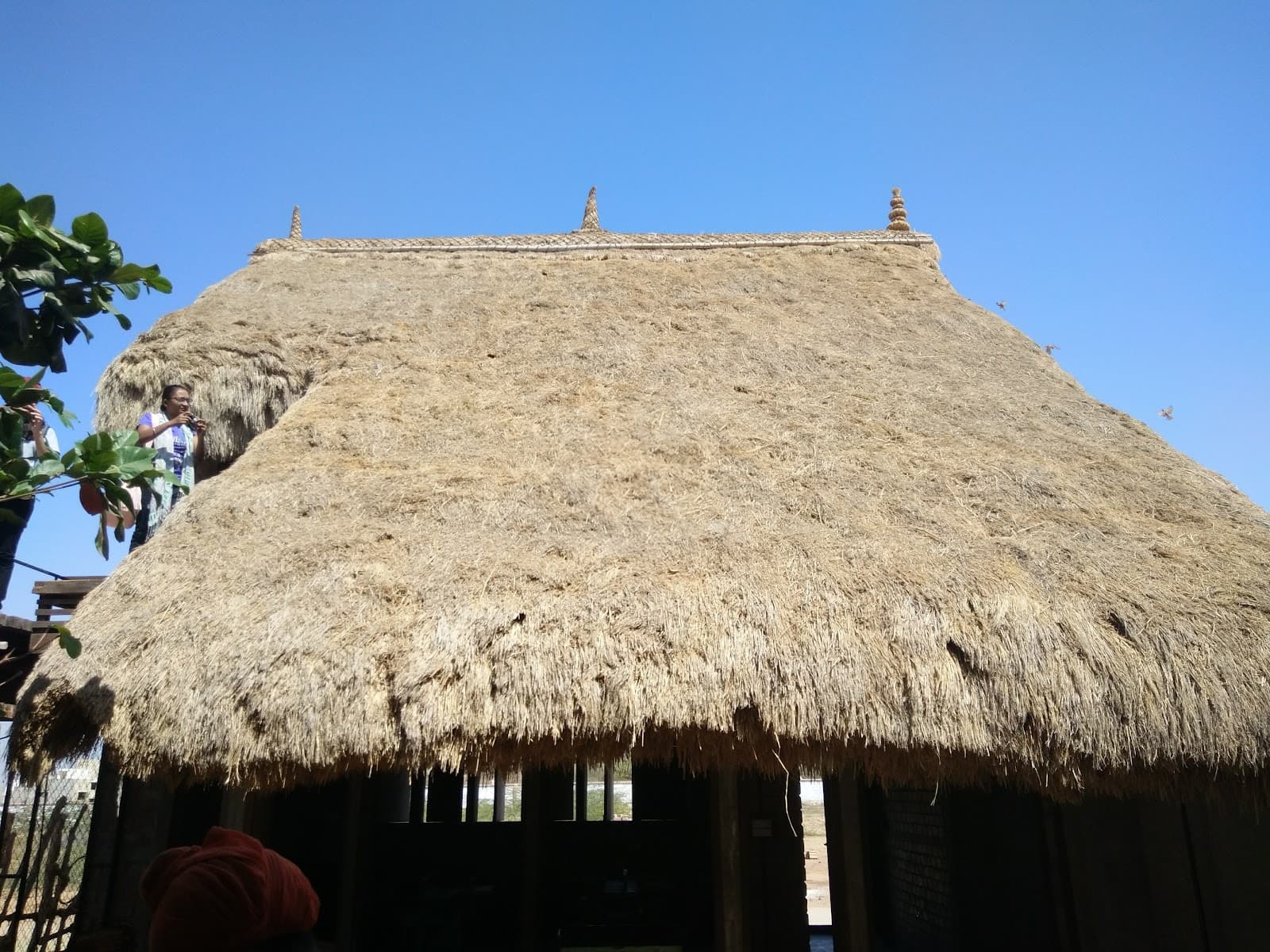
Hunnarshala Campus
A living laboratory for sustainable architecture, Hunnarshala Campus showcases innovative use of local materials and community-driven building.
Highlights
Must-see attractions

Social
From TikTok & Reddit
Best Time
Cooler atmosphere, fewer crowds
Hunnarshala Campus
Best Time
Cooler atmosphere, fewer crowds
Highlights
Must-see attractions
A living laboratory for sustainable architecture, Hunnarshala Campus showcases innovative use of local materials and community-driven building.
"An excellent place to learn and research about construction, local materials, and design."
Wear comfortable shoes
You'll be exploring the campus, so comfy footwear is a must! :athletic_shoe:
Ask about workshops
Check their schedule for hands-on learning opportunities in carpentry and masonry. :hammerandwrench:
Quick Facts
Hours
Rating
4.6 · 290 reviews
Highlights
Discover the most iconic attractions and experiences
Innovative Building Materials
Throughout the campus
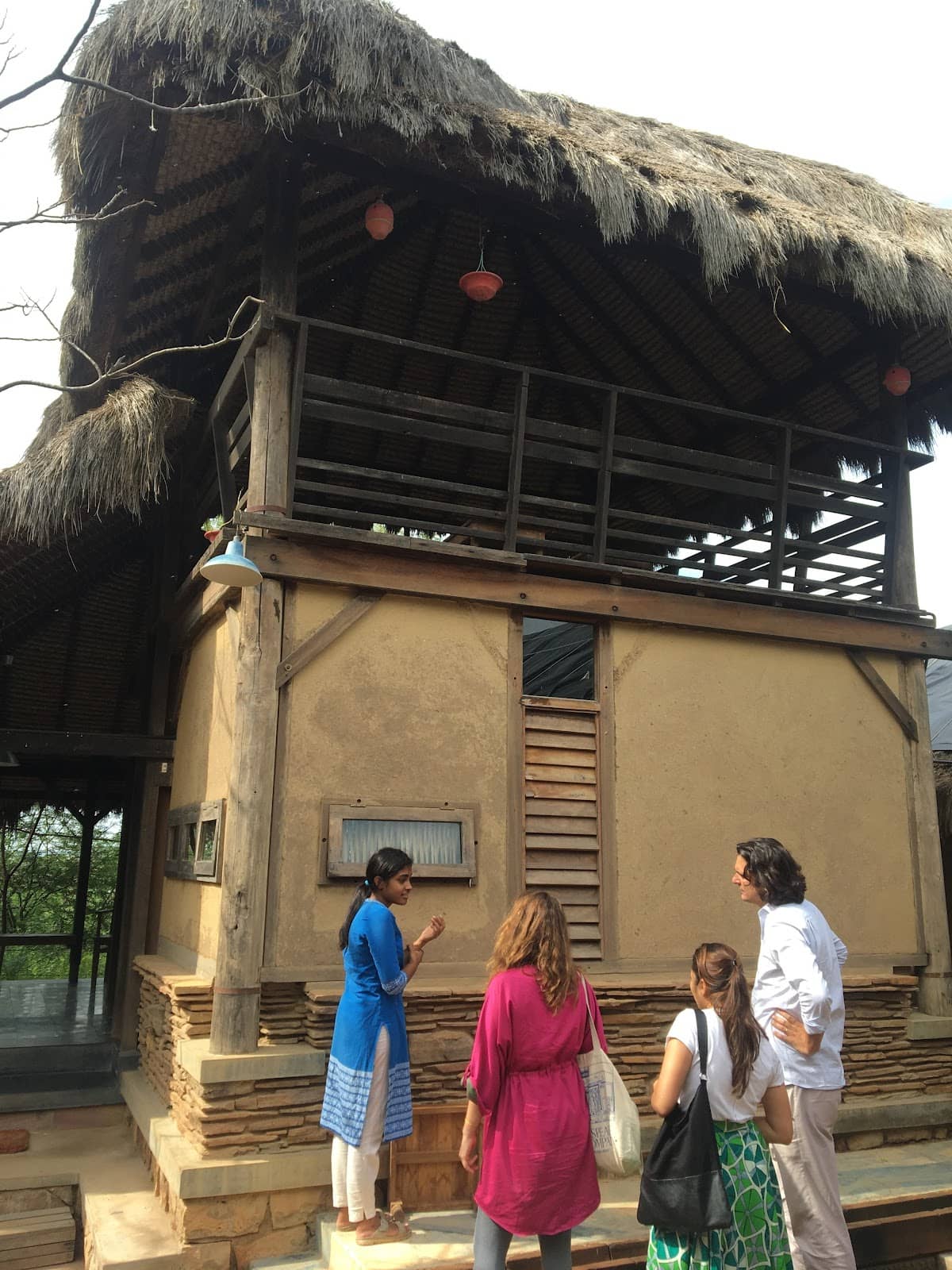
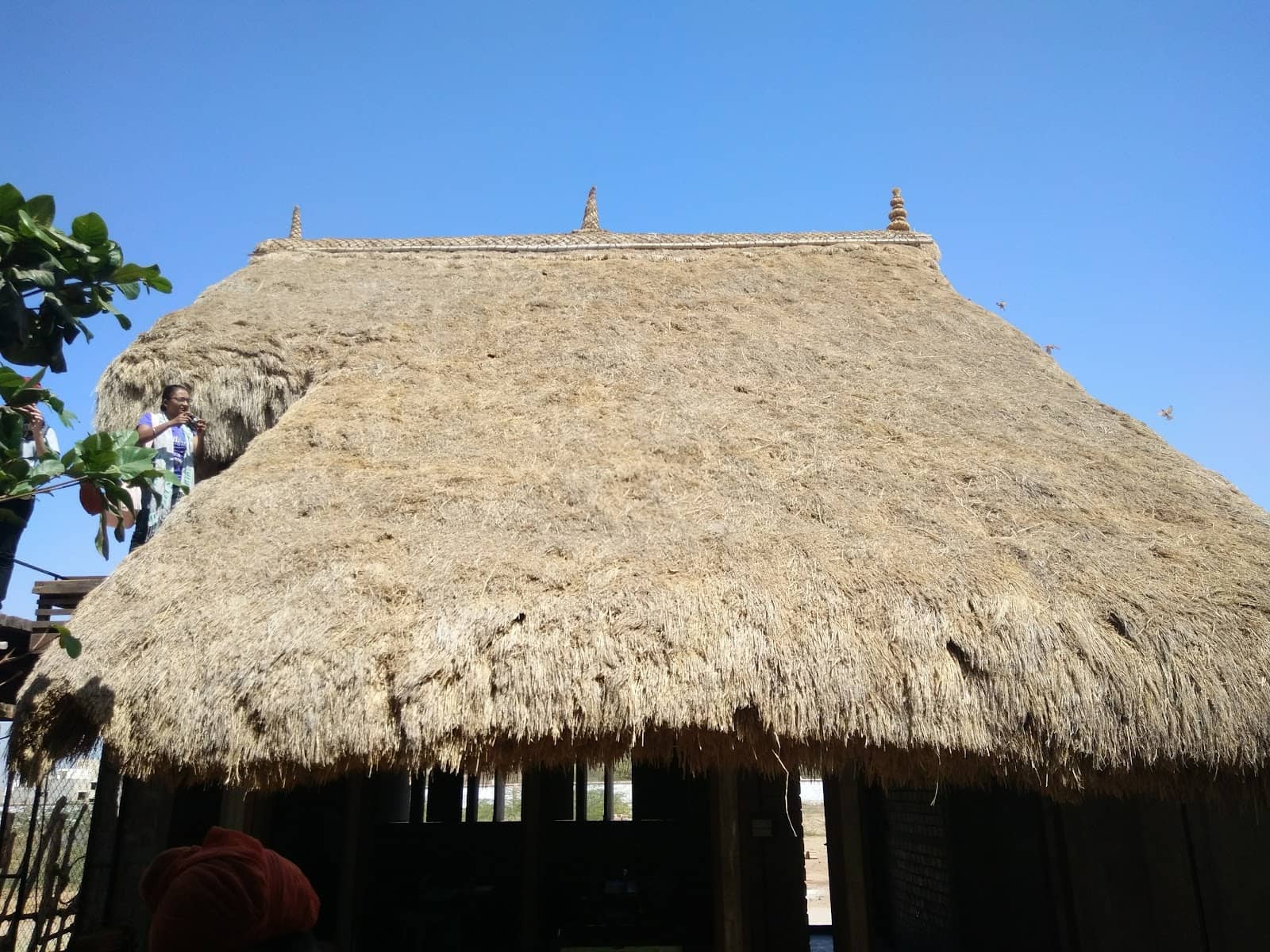
See structures built with clay, mud, wood, and palm leaves. A true showcase of sustainable and recycled materials.
Rammed Earth Construction
Various structures
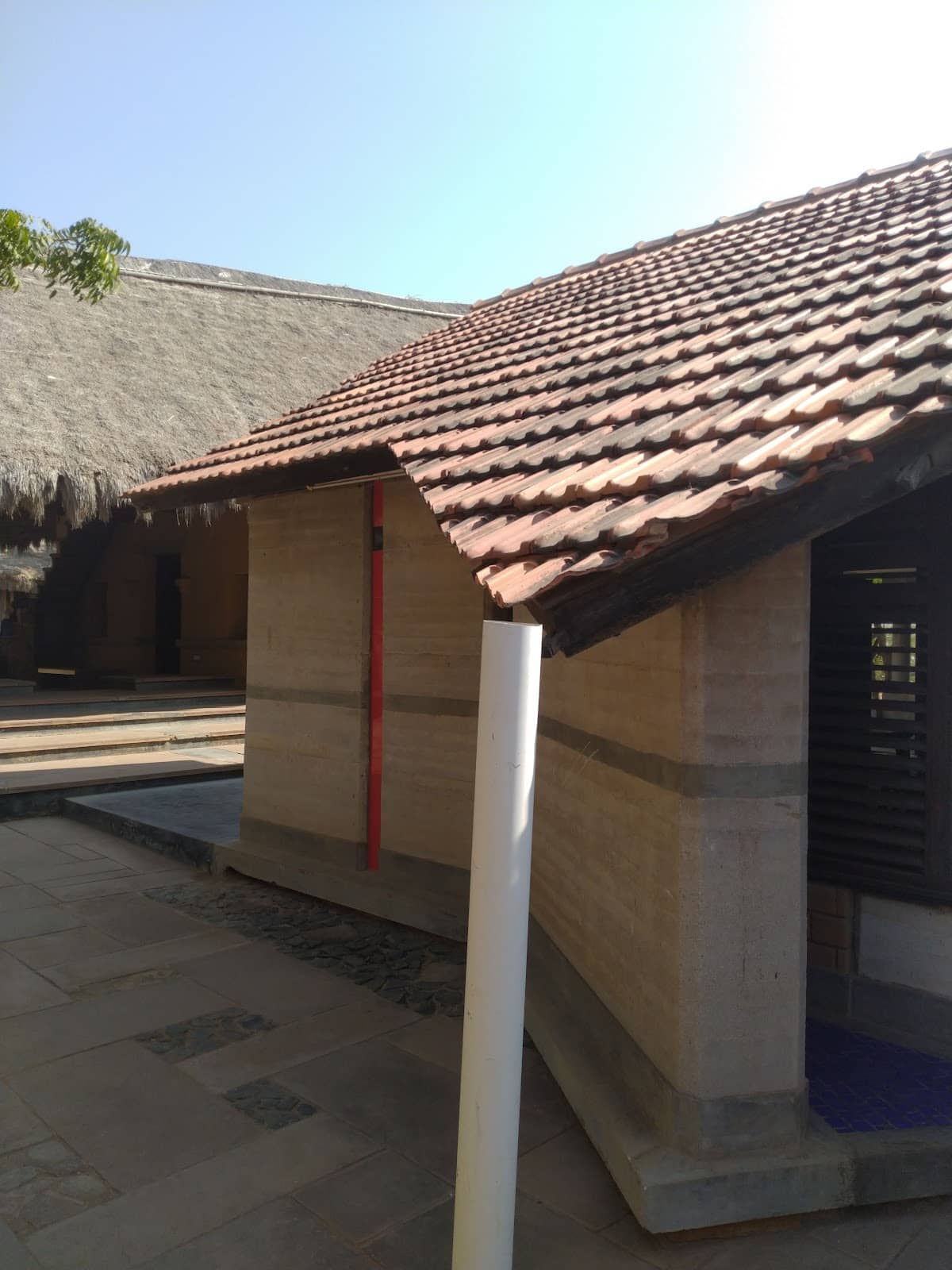
Witness expert collaborations on rammed earth techniques, a testament to blending science with traditional knowledge.
Artisan Empowerment
Workshops and community spaces
Experience how Hunnarshala fosters local talent, integrating artisans into high-quality building projects.
Plans like a pro.
Thinks like you
Planning Your Visit
Embrace Sustainable Architecture
Engage with Community-Driven Projects
Best Times
Insider Tips
from TikTok, Instagram & Reddit
Wear comfortable shoes
You'll be exploring the campus, so comfy footwear is a must! :athletic_shoe:
Ask about workshops
Check their schedule for hands-on learning opportunities in carpentry and masonry. :hammerandwrench:
Appreciate natural cooling
The use of natural materials makes the campus cool and satisfying. Enjoy the atmosphere! :sunwithface:
Connect with the mission
Understand their work with communities and focus on social and cultural aspects. ❤️
Tips
from all over the internet
Wear comfortable shoes
You'll be exploring the campus, so comfy footwear is a must! :athletic_shoe:
Ask about workshops
Check their schedule for hands-on learning opportunities in carpentry and masonry. :hammerandwrench:
Appreciate natural cooling
The use of natural materials makes the campus cool and satisfying. Enjoy the atmosphere! :sunwithface:
Connect with the mission
Understand their work with communities and focus on social and cultural aspects. ❤️
What Travellers Say
Reviews Summary
Visitors consistently praise Hunnarshala Campus as an inspiring hub for sustainable architecture and community-focused development. The innovative use of local and recycled materials, particularly clay and mud, creates a unique and satisfying atmosphere. It's highly recommended for students and anyone interested in eco-friendly building practices.
"An excellent place to learn and research about construction, local materials, material aspects and design. Also usage of old materials and recycling them. Must visit for all students....."
Sunil Bhosale
"Very inspired by this organization which works for people with the people, helps to rebuild their habitat with keeping in mind of social and culture aspects and the local material provideding work for local people.
You should visit the campus and see the different building materials used and ways of using it. Its good for architecture students it also conducts work shops and also has a school for students who want to learn carpentery and masonary."
prakash jhamtani
"A good place for architecture students to learn about alternative building construction and the use of unconventional materials!"
Prinishya Nadar
What People Like
What People Dislike
Frequently Asked Questions
🚇 🗺️ Getting There
Hunnarshala Campus is located in Bhuj, Gujarat. You can reach Bhuj by air, train, or bus. From Bhuj city, local taxis or auto-rickshaws can take you directly to the campus. It's advisable to check the latest public transport options closer to your travel date.
While Bhuj is well-connected, direct public transport to the campus itself might be limited. Taxis and ride-sharing services are generally available within Bhuj city to reach the campus.
Bhuj has an airport with flights from major Indian cities. It's also a major railway junction. Buses are another popular option for inter-city travel.
🎫 🎫 Tickets & Entry
While Hunnarshala is an active research and learning center, visits are generally welcomed. It's recommended to contact them in advance to inquire about any visitor policies or if specific entry fees apply, especially if you plan to attend workshops.
As an active campus, specific public visiting hours might not be rigidly defined. It's best to reach out to Hunnarshala directly to confirm the best times to visit and explore the campus.
For general exploration, a prior booking might not be strictly necessary, but it's always a good idea to inform them of your visit. If you're interested in specific workshops or guided tours, booking in advance is highly recommended.
Yes, workshops and educational programs conducted by Hunnarshala typically have associated fees. These fees cover materials, expert guidance, and the learning experience. Details are usually available on their official website or by contacting them directly.
🎫 🏛️ Onsite Experience
You can explore innovative buildings made from natural materials like clay and mud, learn about rammed earth construction, and understand their community-driven approach to habitat rebuilding. They also offer workshops on carpentry and masonry.
Absolutely! It's a fantastic place for architecture students to learn about alternative building construction, unconventional materials, and sustainable design principles. Many reviews highlight its value for students.
They extensively use natural materials such as clay, mud, wood, fabrics, and palm leaves for roofing. Their expertise includes rammed earth construction and the recycling of old materials.
Generally, photography for personal use is allowed, but it's always respectful to ask for permission, especially if you are photographing people or specific ongoing projects. Be mindful of the working environment.
Due to the use of natural materials like clay and mud, the atmosphere is described as cool and satisfying. It offers a unique and calming experience.
🍽️ 🍽️ Food & Dining
The campus itself may not have a dedicated restaurant. However, you can find local eateries and dhabas in Bhuj city offering authentic Gujarati cuisine. It's advisable to carry snacks or plan your meals in advance.
In Bhuj, you can enjoy traditional Gujarati thalis, local snacks, and regional specialties. Look for places that offer fresh, local ingredients.
📸 📸 Photography
The unique architectural designs, the textures of natural materials like mud and clay, and the vibrant community interactions offer excellent photographic opportunities. Focus on the details of the construction and the surrounding environment.
While personal photography is usually permitted, it's always best practice to be respectful of the ongoing work and the people on campus. Ask for permission before taking close-up shots of individuals or sensitive areas.
Social
from TikTok, Instagram & Reddit