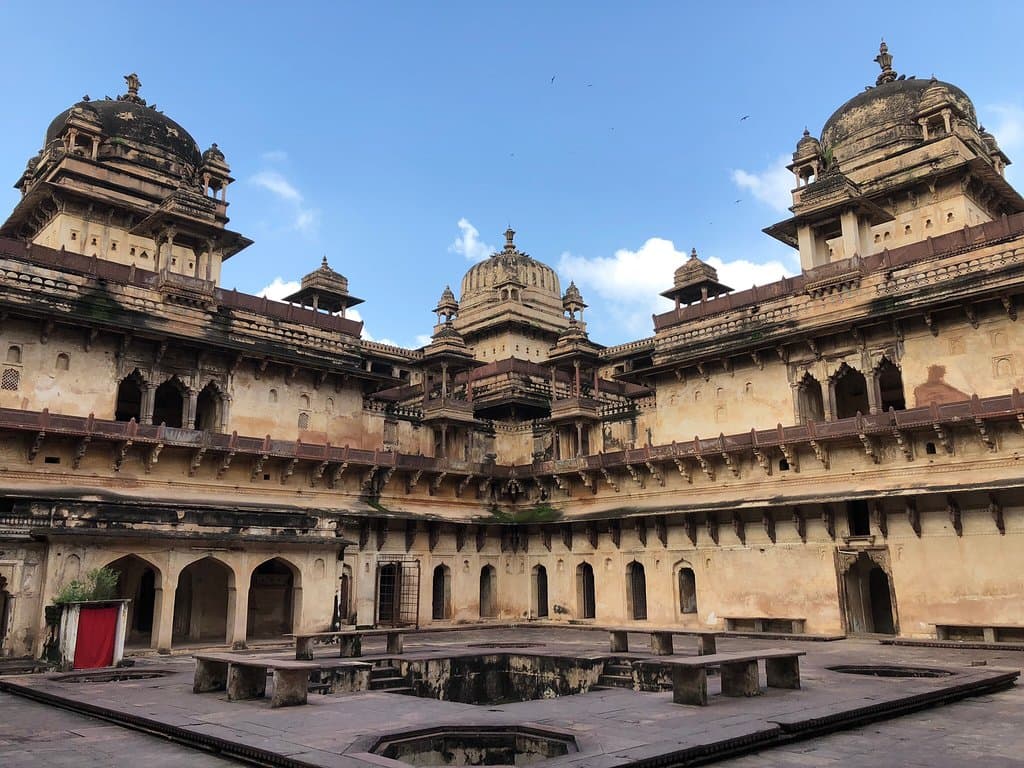
Raja Mahal Chandragiri
Explore the Raja Mahal, a 11th-century Vijayanagar marvel, once the empire's capital and site of a pivotal pact with the British.
Highlights
Must-see attractions

Social
From TikTok & Reddit
Best Time
Fewer crowds, cooler temperatures
Raja Mahal Chandragiri
Best Time
Fewer crowds, cooler temperatures
Highlights
Must-see attractions
Explore the Raja Mahal, a 11th-century Vijayanagar marvel, once the empire's capital and site of a pivotal pact with the British.
"A silent witness to royal legacies, Chandragiri Fort offers a glimpse into a powerful past."
Wear comfortable shoes
You'll be doing a lot of walking around the fort and palace. :athletic_shoe:
Carry water
Stay hydrated, especially during warmer months. There are limited facilities inside. :droplet:
Quick Facts
Hours
Rating
4.9 · 10 reviews
Type
Museum
Highlights
Discover the most iconic attractions and experiences
Raja Mahal
Inside Chandragiri Fort
A stunning three-story palace showcasing Vijayanagar architecture, now an archaeological museum.
Durbar Hall
Raja Mahal
The historic hall where a pivotal pact granting land for Fort St. George was signed.
Fort Walls and Moat
Chandragiri Fort perimeter
Explore the ancient fortifications that once protected this royal seat.
Plans like a pro.
Thinks like you
Planning Your Visit
Timing Your Visit
Understanding the History
Best Times
Insider Tips
from TikTok, Instagram & Reddit
Wear comfortable shoes
You'll be doing a lot of walking around the fort and palace. :athletic_shoe:
Carry water
Stay hydrated, especially during warmer months. There are limited facilities inside. :droplet:
Explore the museum
The Raja Mahal houses an archaeological museum with artifacts from the Vijayanagar period. :museum:
Appreciate the architecture
Notice the Hindu architectural elements and the resemblance to Hampi's Lotus Palace. :classical_building:
Tips
from all over the internet
Wear comfortable shoes
You'll be doing a lot of walking around the fort and palace. :athletic_shoe:
Carry water
Stay hydrated, especially during warmer months. There are limited facilities inside. :droplet:
Explore the museum
The Raja Mahal houses an archaeological museum with artifacts from the Vijayanagar period. :museum:
Appreciate the architecture
Notice the Hindu architectural elements and the resemblance to Hampi's Lotus Palace. :classical_building:
What Travellers Say
Reviews Summary
Visitors praise Raja Mahal Chandragiri for its historical significance and well-preserved architecture, particularly the Raja Mahal itself which now houses an informative museum. Many appreciate the glimpse into the Vijayanagar Empire's past and the quiet atmosphere. Some note the lack of visitors compared to nearby Tirupati.
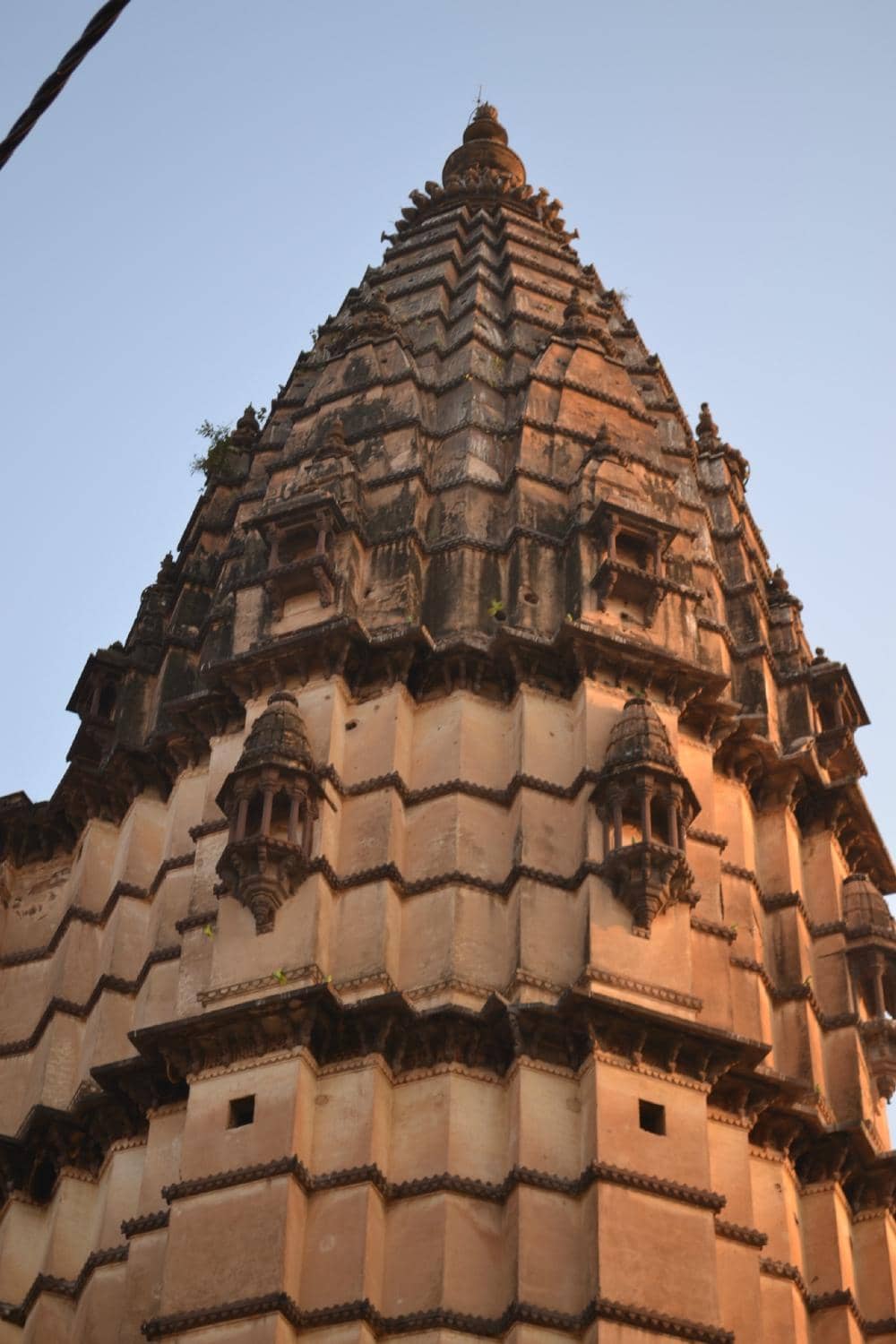
"The Raja Mahal Palace is an example of architecture of Vijayanagar period. It is a three storeyed structure with a durbar hall in the middle. The crowning towers represents the Hindu architectural elements. The palace was constructed using stone, brick, lime mortar and devoid of timber. The palace bears a striking resemblance to the Lotus Palace in Hampi, and houses a small museum run maintained by ASI. It was in this Durbar Hall where the pact of granting lands for Fort St. George to the British was signed by Vijayanagar King Sri Rangaraya. The fort later grew into modern day metropolis of Chennai."
Vikas Singh
"Reached Raja Mahal (King's Palace). Built in 1000 A.D. by King Immadi Narasimha Yadava Rayalu.
It gained prominence under the Vijayanagar Empire after the fall of Penukonda in 1585 to the Nizam of Golconda.
It is beautifully maintained by the Archeological Survey of India.
Chandragiri Fort became the 4th and final capital of the Vijayanagar Empire. It is now a museum.
I did not see any visitors. There are millions of pilgrims in Tirupati just 20 kms away.
The fort is a three storeyed structure. Upstairs is the Durbar Hall of the King. The deed granting land to the British for Fort St. George in Madras was signed here in 1639. Krishnadevaraya also met his future wife Chinnamma Devi here. You can see an ornate door to the Durbar Hall.
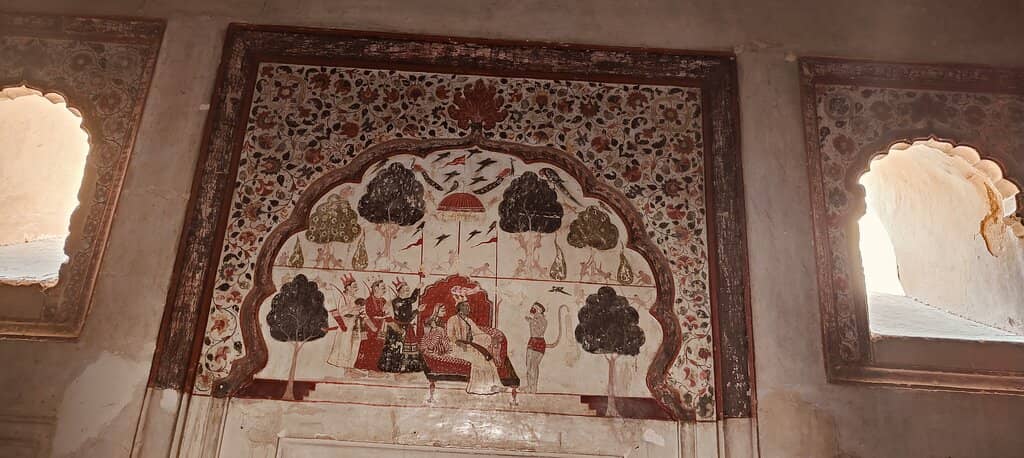
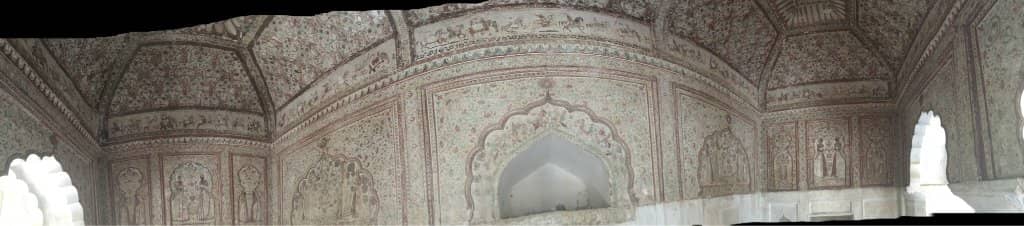
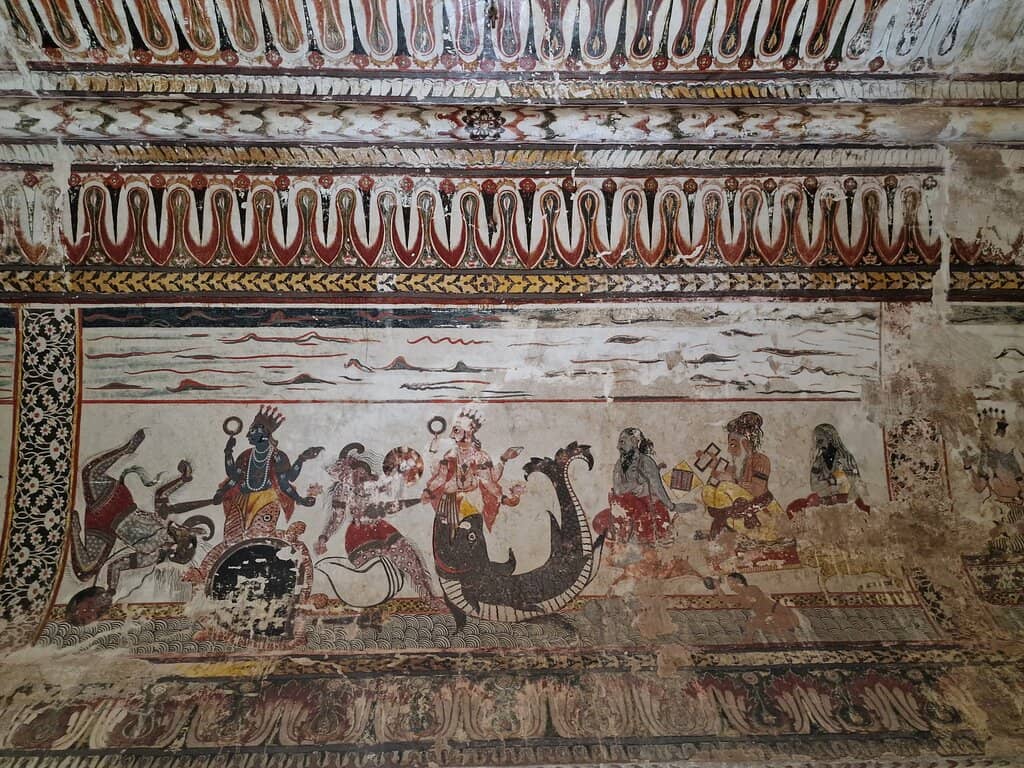
You can see an alcove, now a gallery for heritage paintings.
There is a cannon from Krishnadevaraya's time in the 1500's.
You can see a headless Vishnu excavated in Chandragiri. There are plenty of headless idols. They couldn't answer why."
Shyam Kodavarthi
"Palace converted in museum."
Vivek Khare
What People Like
What People Dislike
Frequently Asked Questions
🚇 🗺️ Getting There
Raja Mahal Chandragiri is located in Chandragiri, about 20 km from Tirupati. You can hire a taxi or take a local bus from Tirupati to reach the fort. Many visitors combine a trip to Chandragiri with their Tirupati pilgrimage.

Yes, there is parking available near the entrance of Chandragiri Fort, making it convenient for those traveling by private vehicle.
Local buses frequently run from Tirupati to Chandragiri, making it an accessible option for budget travelers.
Many visitors use Chandragiri as a day trip from Tirupati. Exploring the fort and its surroundings can be done on foot once you arrive.
While official guided tours might not always be readily available, the information boards and the museum provide insights into the fort's history. Local guides may also be available.
🎫 🎫 Tickets & Entry
Entry fees for Chandragiri Fort and the Raja Mahal museum are generally nominal. It's advisable to check the latest fees upon arrival as they can vary.
Chandragiri Fort is typically open from morning to evening. However, it's best to confirm the exact timings before your visit, as they might change seasonally.
Advance booking is usually not required for Chandragiri Fort. Tickets can be purchased at the entrance.
The museum within Raja Mahal is generally open on weekends, but it's always a good idea to verify the operating hours, especially on public holidays.
Photography is usually allowed inside the fort and museum, but check for any specific signage regarding restrictions on flash photography or certain exhibits.
🎫 🏛️ Onsite Experience
Inside Chandragiri Fort, you'll find the Raja Mahal (King's Palace), which houses an archaeological museum, and the Rani Mahal. The fort also has ancient walls, a moat, and remnants of temples.
Raja Mahal Chandragiri was the fourth and final capital of the Vijayanagar Empire. It's historically significant as the site where the pact granting land for Fort St. George (Chennai) to the British was signed in 1639.
The fort and the Raja Mahal are beautifully maintained by the Archaeological Survey of India, preserving its historical integrity.
Basic facilities like restrooms are usually available. It's recommended to carry your own water bottle as water points might be limited.
Wear comfortable shoes and take your time to explore the different levels of the Raja Mahal and walk along the fort walls to get a sense of its grandeur.
📸 📸 Photography
The architecture of the Raja Mahal itself, the views from the fort walls, and the Durbar Hall offer excellent photography opportunities. The surrounding landscape also provides scenic backdrops.
Drone usage regulations can be strict. It's advisable to check with local authorities or the ASI before flying a drone at Chandragiri Fort.
Late afternoons offer beautiful golden hour lighting, perfect for capturing the fort's grandeur. Early mornings can also provide soft, diffused light.
Photography of artifacts in the museum is generally permitted, but avoid using flash to protect the delicate items.
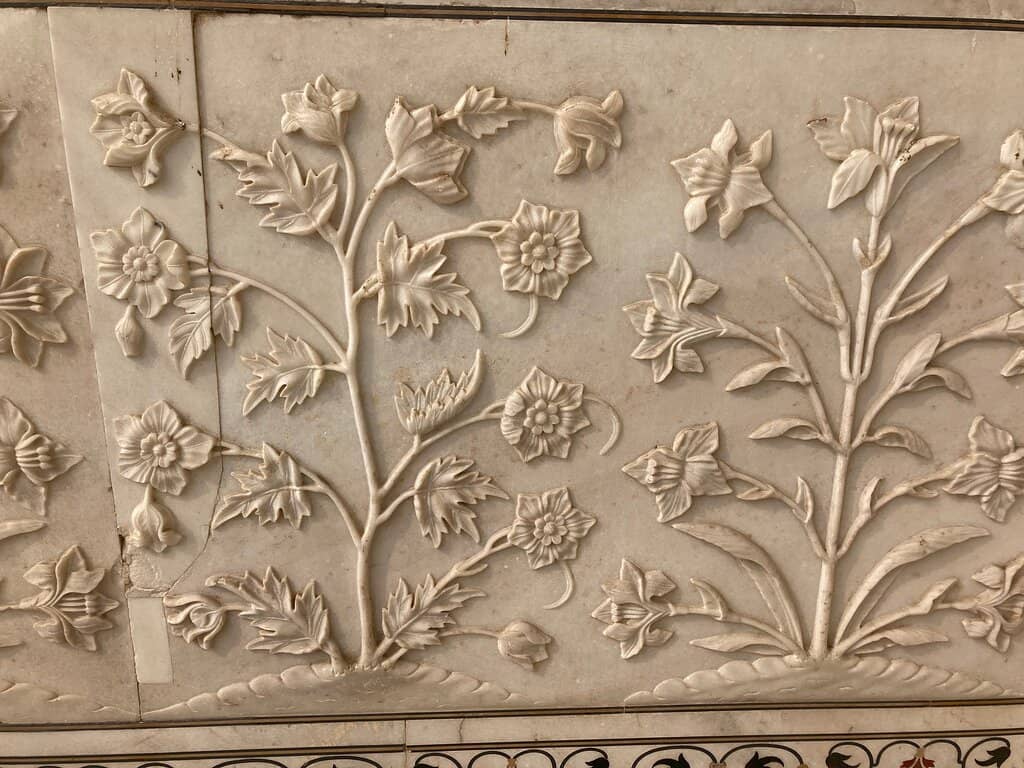
Focus on the intricate carvings, the three-story structure of the Raja Mahal, the ornate door to the Durbar Hall, and any remaining heritage paintings.




Social
from TikTok, Instagram & Reddit