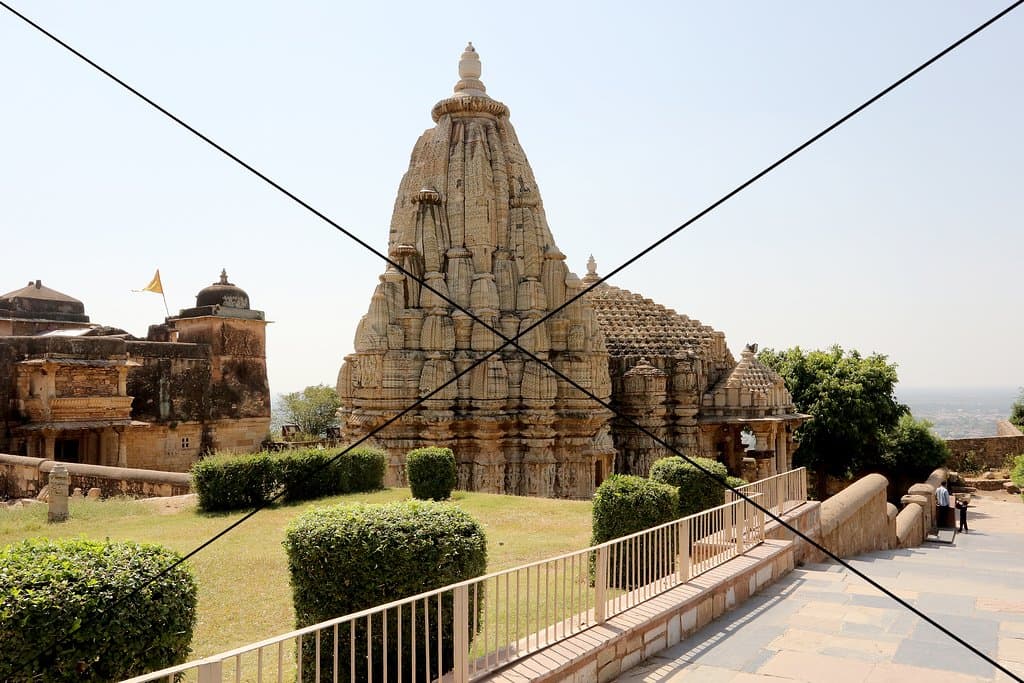
Samadhishvara Temple
An 11th-century Shiva temple in Chittorgarh Fort, famed for its intricate carvings and unique three-faced idol.
Highlights
Must-see attractions

Social
From TikTok & Reddit
Best Time
Fewer crowds, peaceful atmosphere
Samadhishvara Temple
Best Time
Fewer crowds, peaceful atmosphere
Highlights
Must-see attractions
An 11th-century Shiva temple in Chittorgarh Fort, famed for its intricate carvings and unique three-faced idol.
"A must-visit for history and culture lovers, offering a serene spiritual vibe amidst ancient architecture."
Wear Comfortable Shoes
You'll be doing a lot of walking within Chittorgarh Fort. :athletic_shoe:
Visit Early or Late
Avoid midday heat and crowds for a more serene experience. 🌅 🌇
Quick Facts
Hours
Rating
4.7 · 196 reviews
Type
Hindu Temple
Highlights
Discover the most iconic attractions and experiences
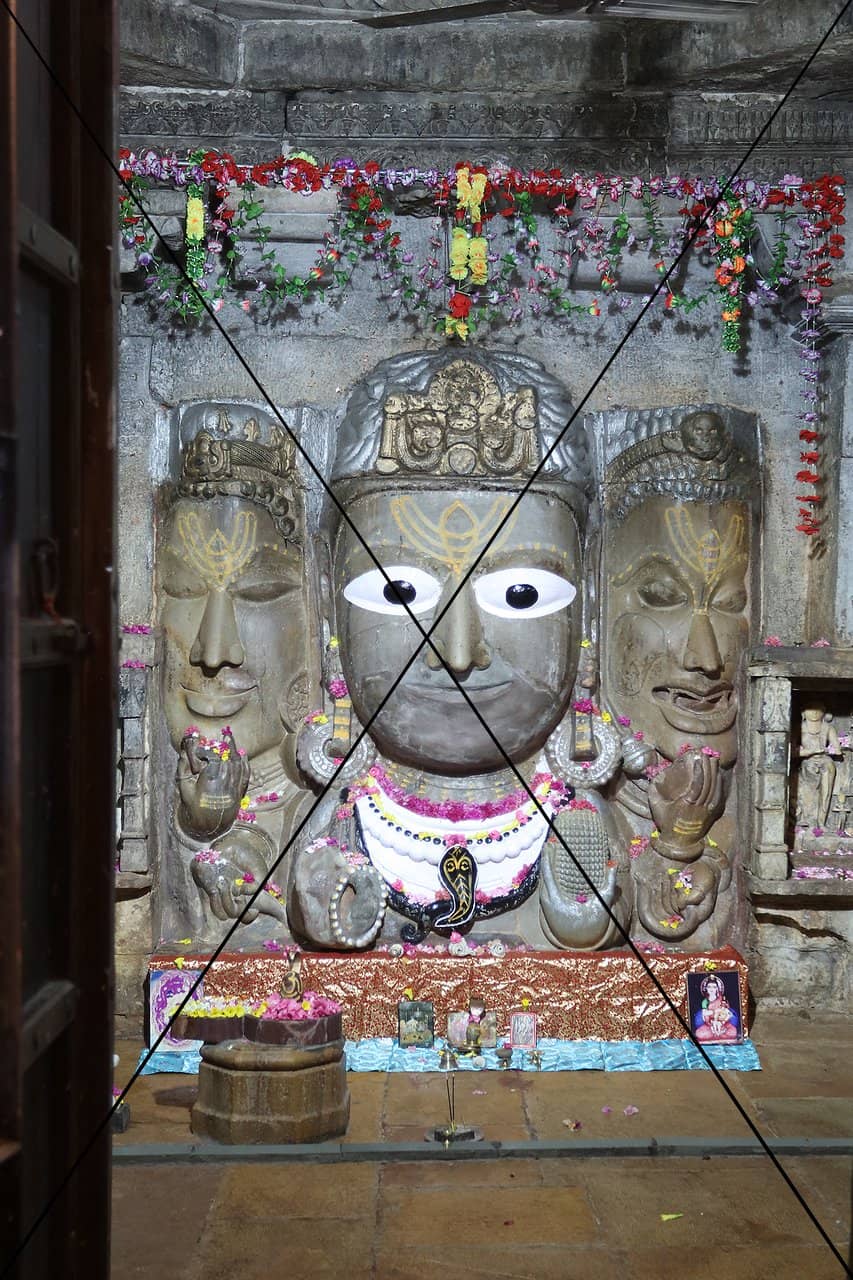
Three-Faced Shiva Idol
Inner Sanctum
Witness the unique idol of Shiva with three distinct faces, each conveying a different emotion. A truly remarkable piece of ancient artistry.
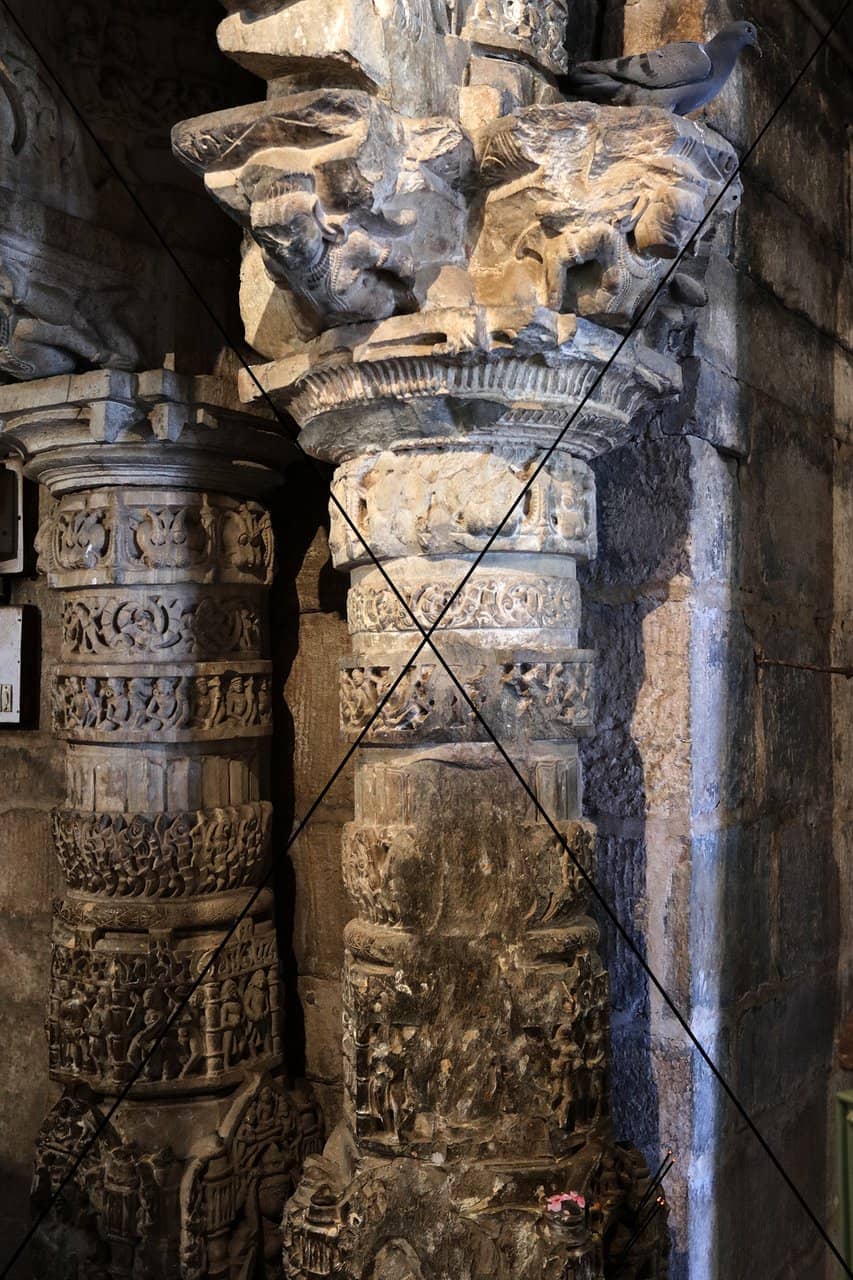
Intricate Stone Carvings
Exterior Walls and Pillars
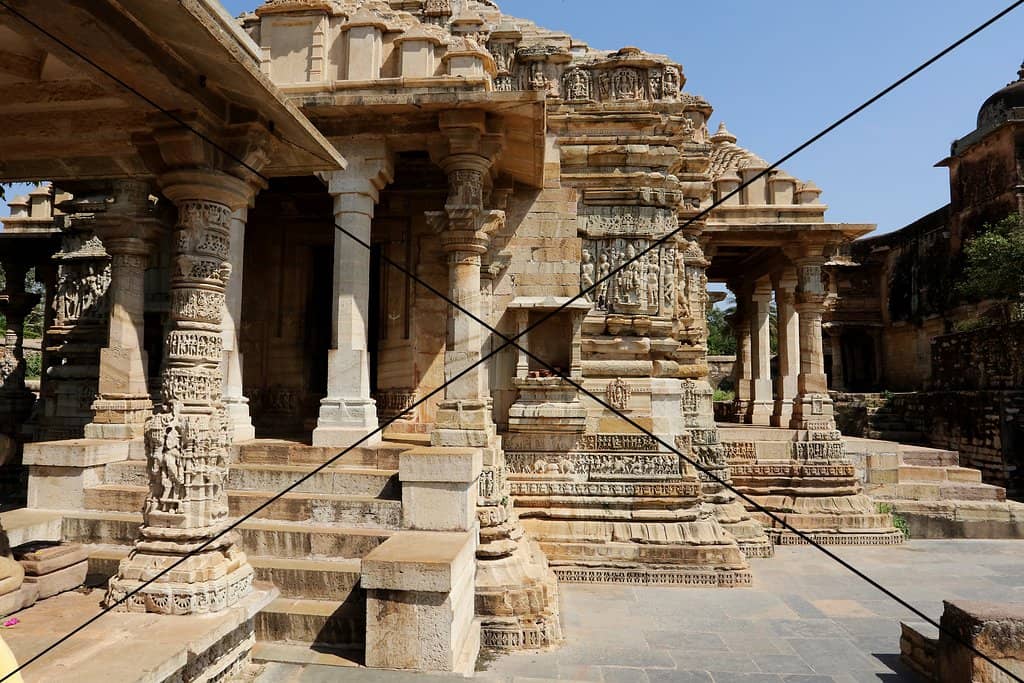
Admire the detailed Rajput-era craftsmanship on every surface, depicting deities and mythological scenes. A feast for the eyes.
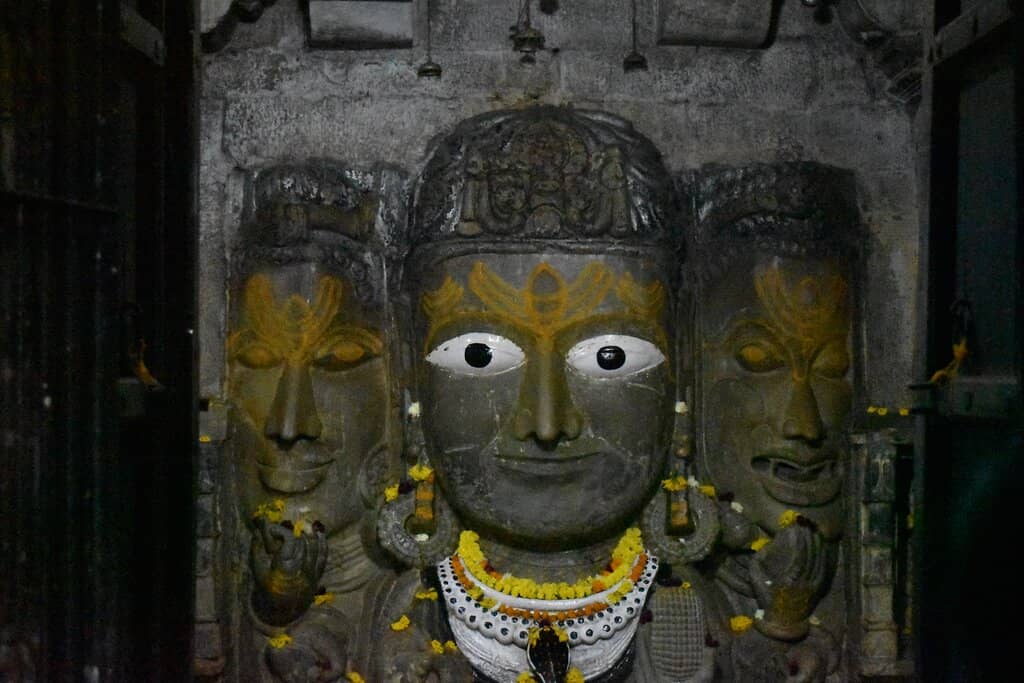
Architectural Grandeur
Temple Structure
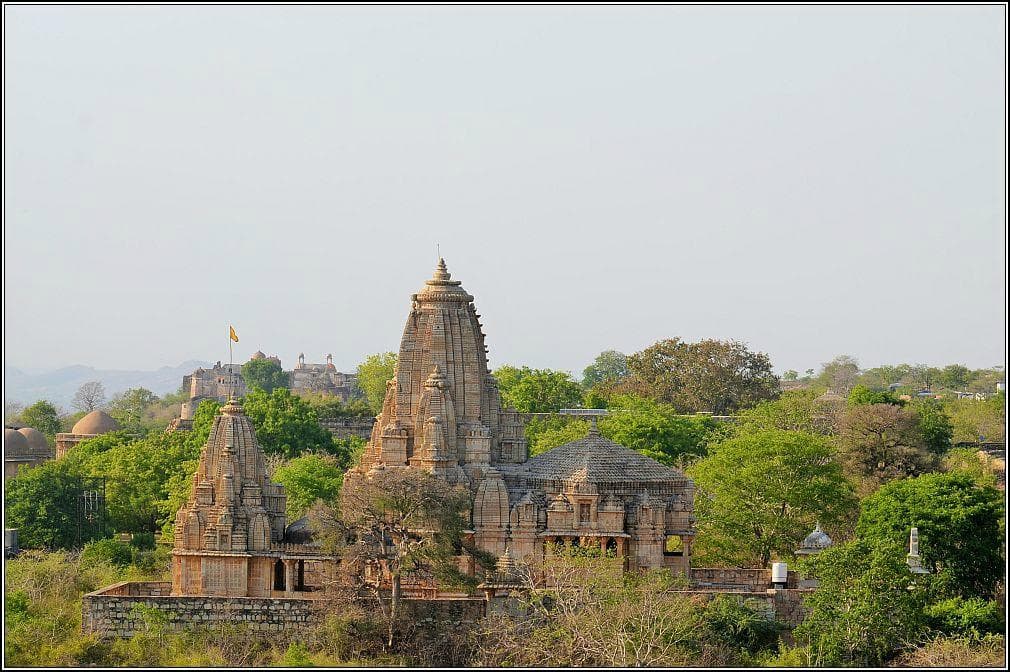
Appreciate the Nagara-style architecture, featuring a towering shikhara and a tiered mandapa, showcasing fine stone workmanship.
Plans like a pro.
Thinks like you
Planning Your Visit
Timing Your Visit to Samadhishvara Temple
Exploring Chittorgarh Fort
Best Times
Insider Tips
from TikTok, Instagram & Reddit
Wear Comfortable Shoes
You'll be doing a lot of walking within Chittorgarh Fort. :athletic_shoe:
Visit Early or Late
Avoid midday heat and crowds for a more serene experience. 🌅 🌇
Explore the Fort Complex
The temple is just one part of Chittorgarh Fort's rich history. :world_map:
Respectful Attire
Dress modestly when visiting this sacred site. 🙏
Tips
from all over the internet
Wear Comfortable Shoes
You'll be doing a lot of walking within Chittorgarh Fort. :athletic_shoe:
Visit Early or Late
Avoid midday heat and crowds for a more serene experience. 🌅 🌇
Explore the Fort Complex
The temple is just one part of Chittorgarh Fort's rich history. :world_map:
Respectful Attire
Dress modestly when visiting this sacred site. 🙏
What Travellers Say
Reviews Summary
Visitors praise the Samadhishvara Temple for its stunning Rajput-era architecture, intricate stone carvings, and the unique three-faced Shiva idol. Its historical significance, particularly its connection to Maharani Padmini, adds a poignant layer. The temple offers a peaceful spiritual ambiance within the grand Chittorgarh Fort.
"Samadhishwar Mahadev Temple is an ancient and beautifully carved temple located inside the Chittorgarh Fort. The architecture reflects fine stone workmanship of the Rajput period. Surrounded by peaceful nature and historic monuments, it offers a calm and spiritual vibe, making it a must-visit spot for history and culture lovers."
kishor parmar
"Samadhiswar Mahadev Temple is a historic Shiva temple located within the magnificent Chittorgarh Fort in Rajasthan. Dedicated to Lord Shiva, it is believed to have been built in the 11th century by Raja Bhoj. The temple is known for its splendid architecture, featuring intricately carved pillars, beautiful sculptures, and a sanctum housing the Shivalinga. Surrounded by fort walls and overlooking scenic views, the temple is not only a sacred place for devotees but also a fine example of Rajput-era craftsmanship. It remains a peaceful spiritual spot, attracting pilgrims and history enthusiasts alike."
Priyanka Mahato
"Located within the historic Chittorgarh Fort, the Samadhisvara Mahadev Temple stands as a testament to medieval Indian architecture. Originally constructed in the 11th century by King Bhoja, its foundations reveal a long and complex history of renovation and re-consecration, including a notable restoration by Maharana Mokal in 1428, which gave the temple its current form.
The temple's exterior is a magnificent showcase of intricate craftsmanship. Every available surface is adorned with elaborate carvings depicting various deities, celestial beings, and mythological scenes. The delicate carvings on the pillars and walls are particularly striking, demonstrating the skill of the artisans who painstakingly brought these stories to life in stone.
The architectural design follows the classical Nagara style, with a towering curvilinear shikhara that draws the eye upward. The structure is built from a light-colored stone, which glows in the sunlight and highlights the fine details of the sculptures. The tiered mandapa, or hall, provides a grand entrance leading to the inner sanctum.
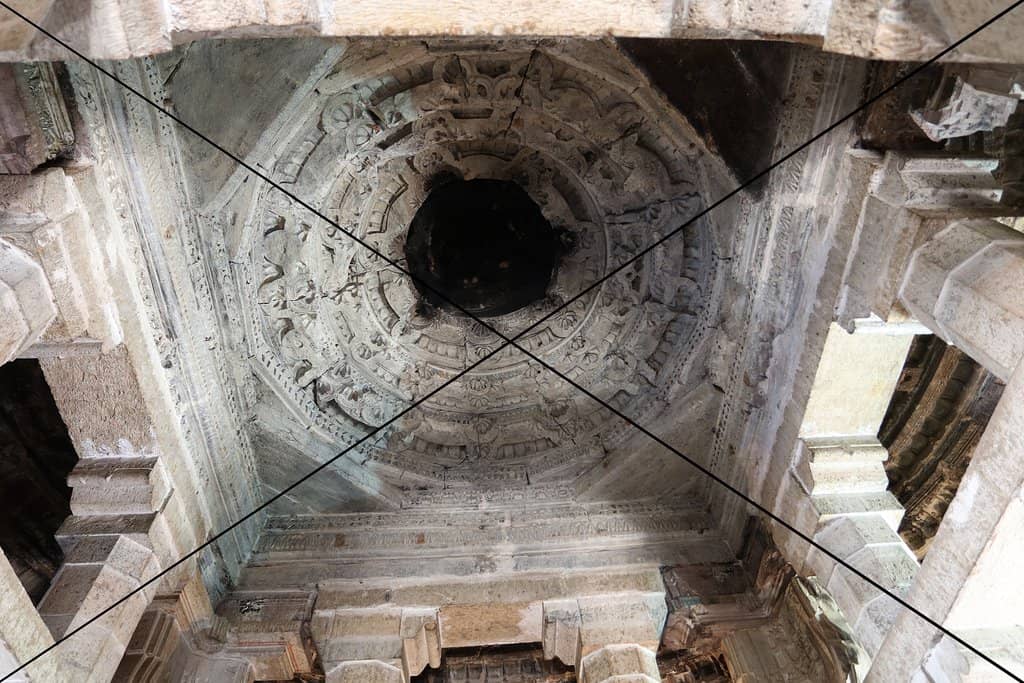
Inside, the sanctum houses a massive lingam, the principal object of worship. While the exterior is rich with visual narratives, the interior maintains a sense of serene reverence, a calm space for devotion. The ornamental details, though subtle, are meticulously crafted and add to the spiritual atmosphere.
Overall, the Samadhisvara Mahadev Temple is a profound blend of historical significance and artistic excellence. Its layered history is visible in its architecture, and its detailed carvings offer a silent narrative of faith and tradition, making it a truly remarkable site within the vast landscape of the fort."
Rizwan Uddin
What People Like
What People Dislike
Frequently Asked Questions
🚇 🗺️ Getting There
The Samadhishvara Temple is located within the Chittorgarh Fort in Rajasthan, India. You'll need to reach Chittorgarh city first, which is well-connected by road and rail. From the city, hire a taxi or auto-rickshaw to the fort entrance. Once inside the fort, the temple is a short walk or can be reached by local transport available within the fort premises.
Yes, there is parking available at the base of Chittorgarh Fort. From there, you can hire a Tonga (horse-drawn carriage) or a jeep to take you up to the fort complex, where the Samadhishvara Temple is located.
To explore the vast Chittorgarh Fort and reach the Samadhishvara Temple, you can hire a Tonga, a jeep, or even walk. Many visitors opt for Tongas for a more traditional experience and to cover distances easily.
🎫 🎫 Tickets & Entry
Yes, there is an entry fee for Chittorgarh Fort, which includes access to the Samadhishvara Temple and other monuments within the complex. It's advisable to check the latest ticket prices at the fort's entrance.
The Samadhishvara Temple generally follows the opening hours of Chittorgarh Fort. The fort is typically open from sunrise to sunset. It's best to confirm the exact timings upon arrival or check with local authorities.
While general entry to the fort and temple is covered by the entry ticket, specific charges might apply for professional photography or videography equipment. It's recommended to inquire at the ticket counter.
🎫 🏛️ Onsite Experience
The Samadhishvara Temple is renowned for its unique three-faced Shiva idol, intricate Rajput-era stone carvings, and its historical significance as a site of prayer for Maharani Padmini before Jauhar. It's a beautiful blend of art, history, and spirituality. 
It is generally advised not to touch ancient idols or carvings to preserve them for future generations. Please observe respectfully.
Chittorgarh Fort, including the area around Samadhishvara Temple, has uneven terrain and stairs. Accessibility might be challenging for individuals with significant mobility issues.
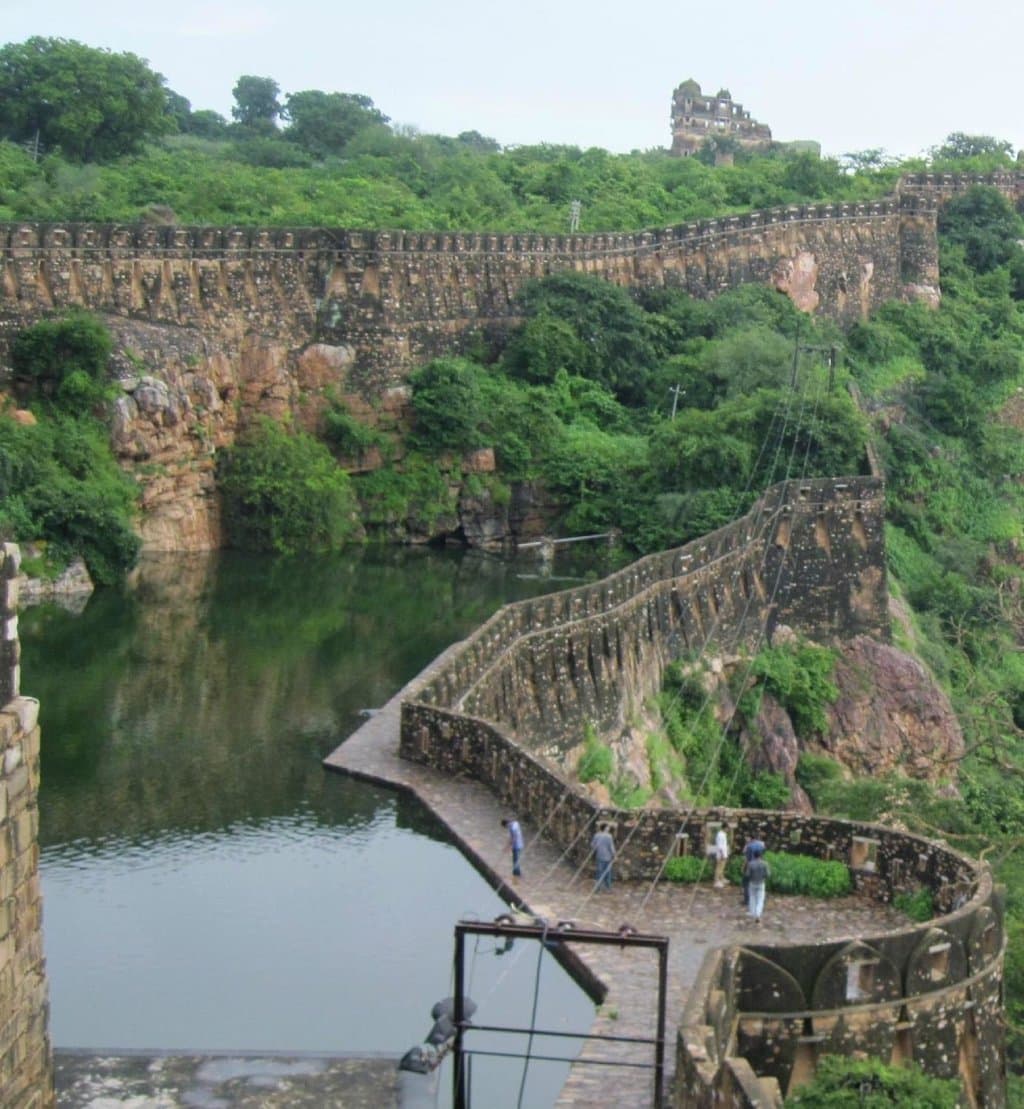
The Gomukh Kund is a sacred water tank located near the Samadhishvara Temple. It's a significant feature within the fort, often associated with religious rituals and the temple's spiritual ambiance.
📸 📸 Photography
Photography is generally permitted within Chittorgarh Fort, including the Samadhishvara Temple premises. However, it's always good practice to be discreet and respectful, especially inside the inner sanctum.
The intricate carvings on the exterior walls and pillars offer fantastic photographic opportunities. The three-faced Shiva idol inside is also a key subject, though capturing it might require careful lighting and angles.
Late afternoons are ideal for photography as the golden hour light beautifully illuminates the stone carvings, bringing out their intricate details. Early mornings can also offer soft, diffused light.

Social
from TikTok, Instagram & Reddit