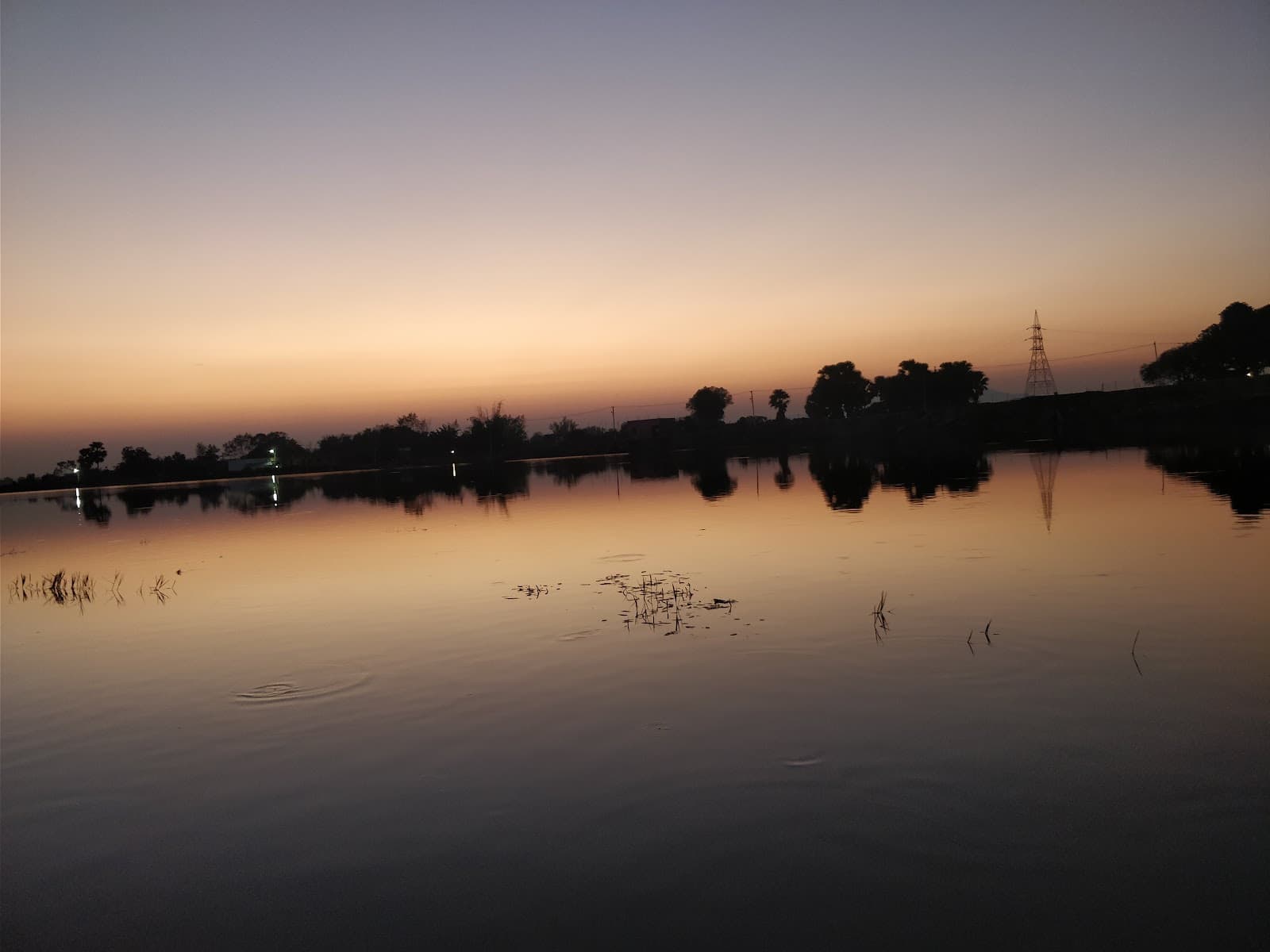
Lake Manasarovar
A sacred high-altitude lake in Tibet, revered by multiple religions and offering stunning views of Mount Kailash. A profound pilgrimage destination.
Highlights
Must-see attractions

Social
From TikTok & Reddit
Best Time
Pleasant weather for yatra
Lake Manasarovar
Best Time
Pleasant weather for yatra
Highlights
Must-see attractions
A sacred high-altitude lake in Tibet, revered by multiple religions and offering stunning views of Mount Kailash. A profound pilgrimage destination.
"The spiritual energy and breathtaking beauty of Lake Manasarovar make it an unforgettable pilgrimage."
💧 Stay Hydrated
Drink plenty of water to combat altitude sickness. Carry a reusable water bottle!
🚶♀️ Acclimatize Slowly
Don't rush your ascent. Allow your body to adjust to the high altitude.
Quick Facts
Rating
4.4 · 59 reviews
Type
Natural Feature
Highlights
Discover the most iconic attractions and experiences
Sacred Lake Views
Shoreline of Lake Manasarovar
Witness the breathtaking, serene turquoise waters reflecting the majestic Himalayas. A truly spiritual experience.
Mount Kailash Panorama
Viewpoints around Lake Manasarovar
Gaze upon the awe-inspiring Mount Kailash, considered the abode of Lord Shiva. The views are simply divine.

Pilgrimage Circumambulation (Parikrama)
Around Lake Manasarovar
Embark on a sacred Kora (circumambulation) for spiritual merit. The full parikrama is a challenging yet rewarding journey.
Plans like a pro.
Thinks like you
Planning Your Visit
Prepare for High Altitude
Best Travel Season
Best Times
Insider Tips
from TikTok, Instagram & Reddit
💧 Stay Hydrated
Drink plenty of water to combat altitude sickness. Carry a reusable water bottle!
🚶♀️ Acclimatize Slowly
Don't rush your ascent. Allow your body to adjust to the high altitude.
🧥 Pack Warm Layers
Weather can change rapidly. Be prepared for cold temperatures, even in summer.
🙏 Respect the Sacredness
This is a holy site. Maintain silence and respect local customs and traditions.
Tips
from all over the internet
💧 Stay Hydrated
Drink plenty of water to combat altitude sickness. Carry a reusable water bottle!
🚶♀️ Acclimatize Slowly
Don't rush your ascent. Allow your body to adjust to the high altitude.
🧥 Pack Warm Layers
Weather can change rapidly. Be prepared for cold temperatures, even in summer.
🙏 Respect the Sacredness
This is a holy site. Maintain silence and respect local customs and traditions.
🧳 Travel Light
You'll be doing a lot of walking. Pack only essentials for easier travel.
What Travellers Say
Reviews Summary
Visitors consistently praise the profound spiritual atmosphere and breathtaking natural beauty of Lake Manasarovar, often describing it as a once-in-a-lifetime pilgrimage. However, some note that cleanliness can be an issue in certain areas, with a call for better waste management. The challenging journey and basic facilities are also frequently mentioned.
"Everything is fine, just some of the pier should be cleaned by you guys."
Anmol Yadav (RaoSahab)
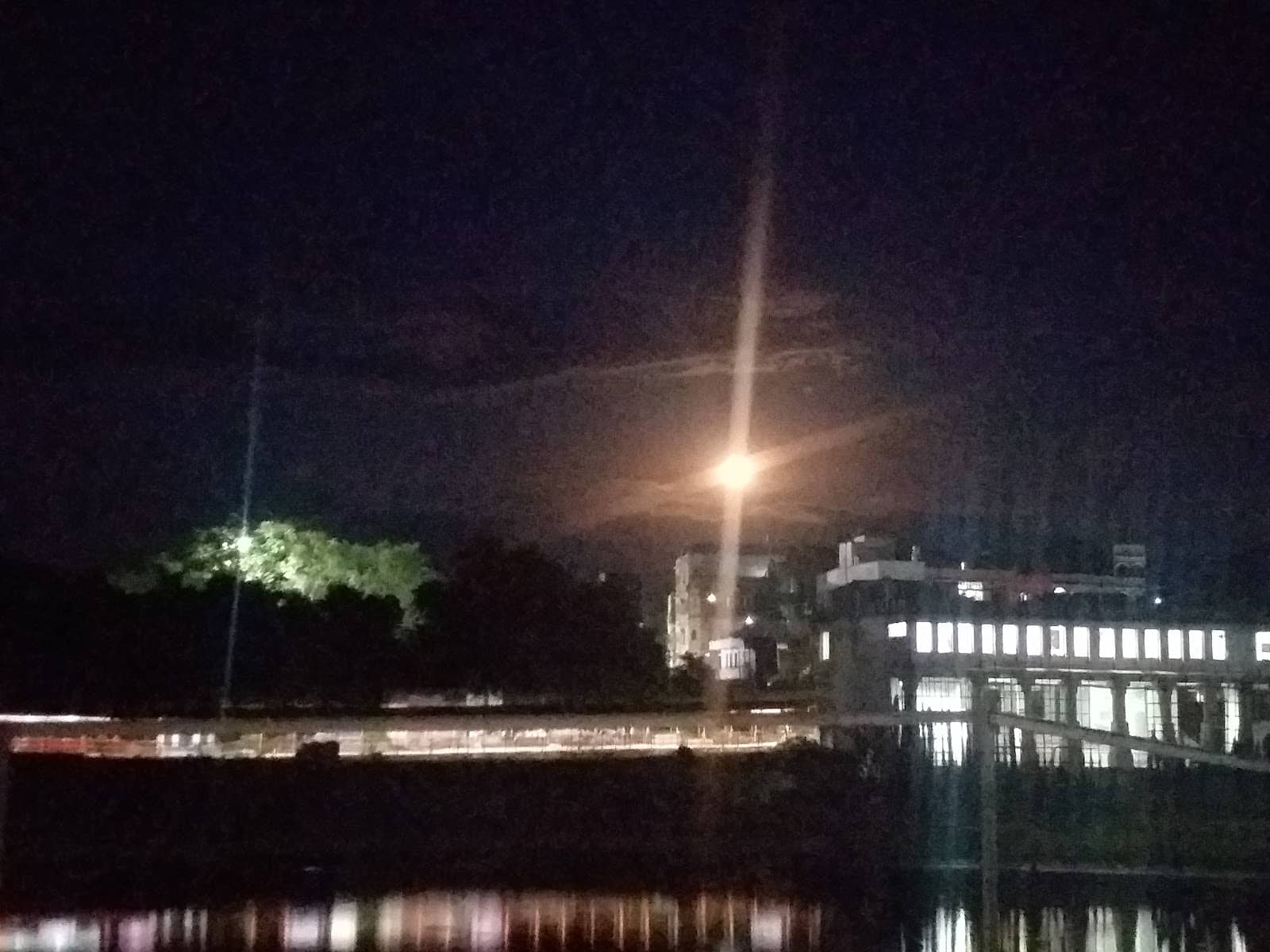
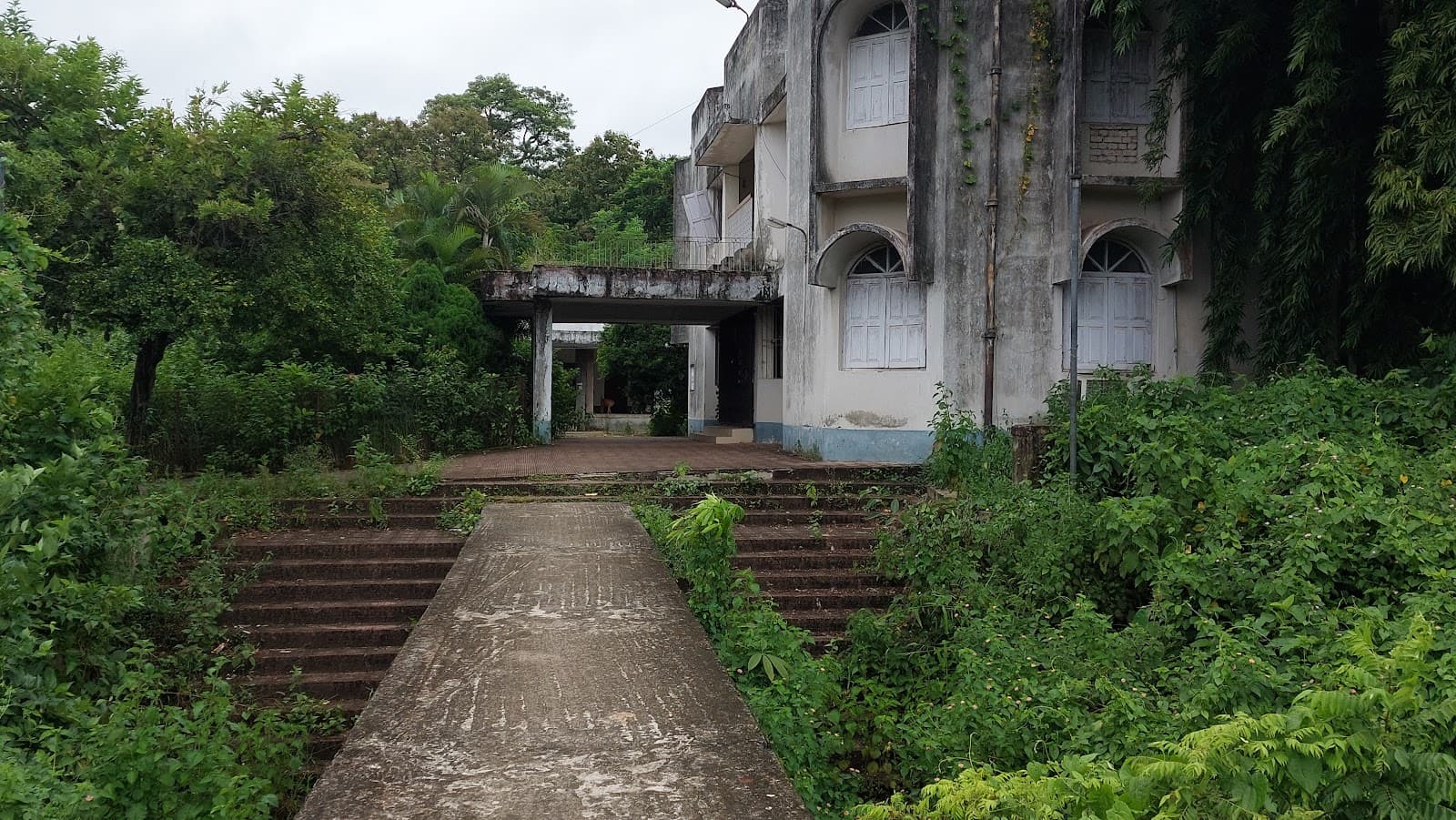
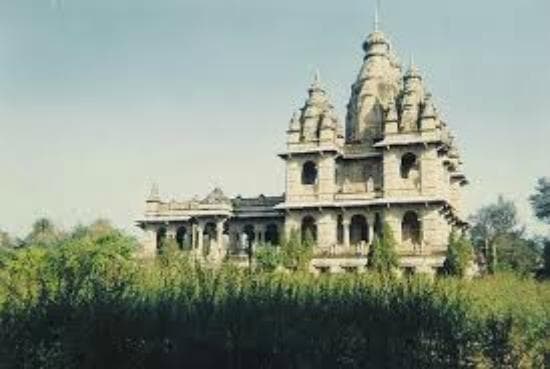
"Mansarovar lake is beside shivganga said to be built by army of Raja Man Singh.
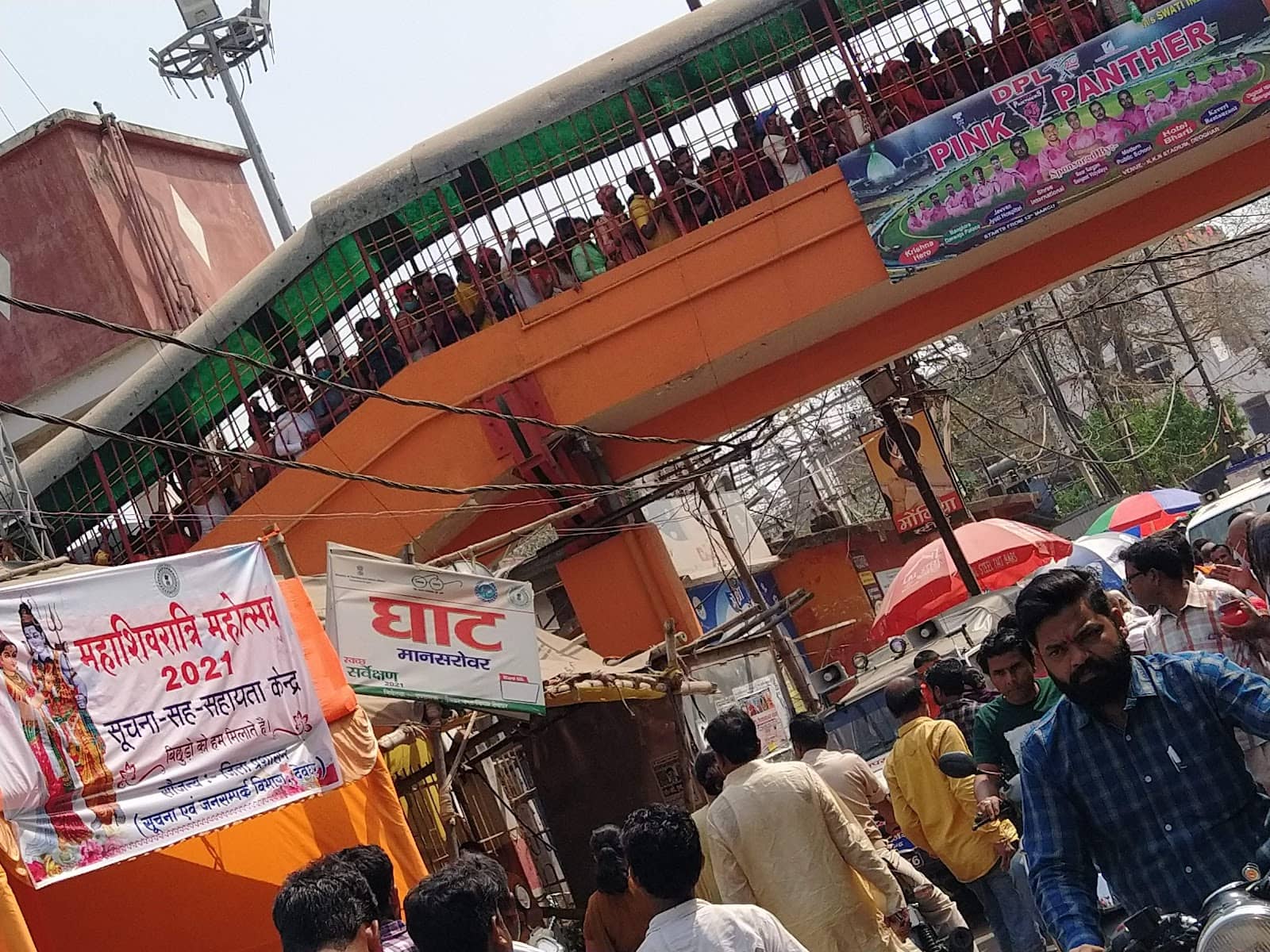
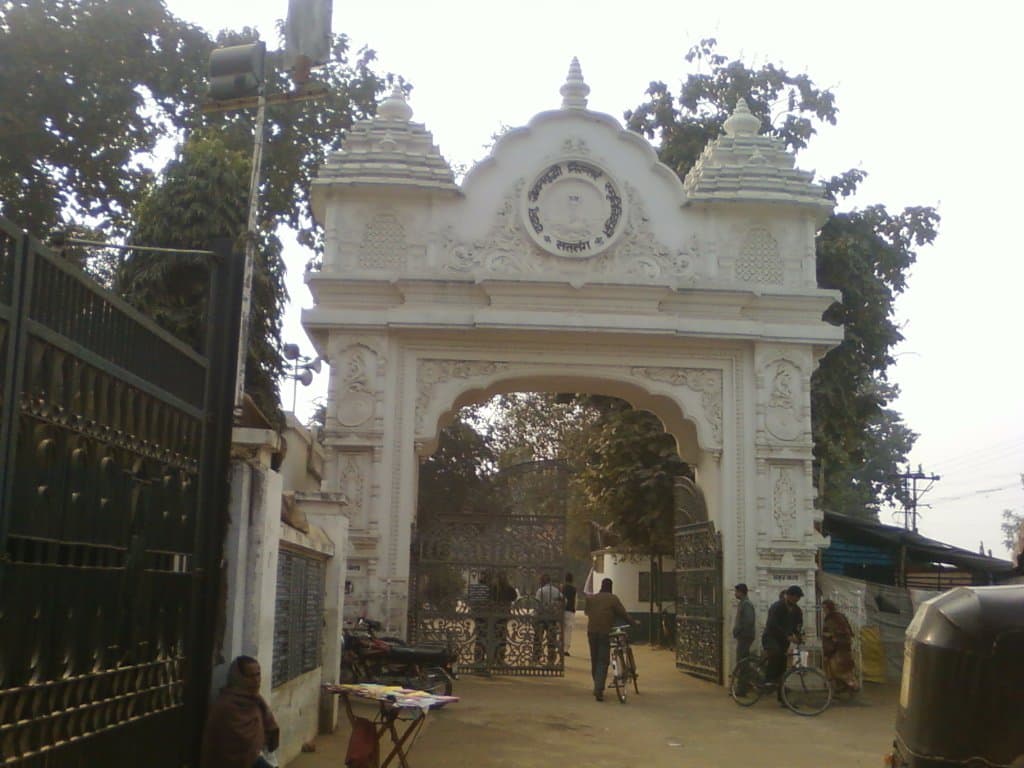
The queue complex is being made over this lake to control the crowd comes during Shrawani Mela."
Ajay Bhardwaj
"mansarover is pond near deoghar called shivganga here you can go for filling water"
Abhishek Kumar
What People Like
What People Dislike
Frequently Asked Questions
🚇 🗺️ Getting There
The most common route for the Kailash Mansarovar yatra involves flying into Kathmandu, Nepal, and then taking a flight or overland journey to the Tibetan Autonomous Region of China. From there, organized tours typically arrange transportation to Lake Manasarovar and Mount Kailash. Some routes also exist from India, often involving trekking.
From Kathmandu, you can opt for a flight to Lhasa or Shigatse in Tibet, followed by a drive. Alternatively, overland tours are available, which can be more scenic but take longer. These tours are usually part of a package that includes permits and guides.
Independent travel to Lake Manasarovar is generally not permitted for foreigners. You must book your trip through a registered tour operator, as permits are required for entry into the region.
The travel time can vary significantly depending on your starting point and mode of transport. From Kathmandu, the journey to Lake Manasarovar can take anywhere from 3 to 7 days, including acclimatization stops.
Always check the latest travel advisories from your country's foreign office. Due to the remote location and high altitude, it's essential to be well-prepared and aware of potential risks.
🎫 🎫 Tickets & Entry
Yes, a special permit is required for all foreign nationals to enter the Tibetan Autonomous Region and visit Lake Manasarovar and Mount Kailash. These permits are typically arranged by your tour operator as part of the package.
The cost of the Kailash Mansarovar yatra varies widely depending on the tour operator, duration, and inclusions. Expect costs to range from USD 2,000 to USD 5,000 or more. This usually covers permits, accommodation, transport, and meals.
It's advisable to book your trip at least 3-6 months in advance, especially if you plan to travel during the peak season (May-October). Permits and tour slots can fill up quickly.
While the main permit covers entry to the region, there might be minor local fees or charges at specific points of interest around the lake, though these are usually minimal and often included in tour packages.
You will typically need a valid passport, visa for China, passport-sized photographs, and an application form provided by your tour operator. Specific requirements can vary.
🎫 🧭 Onsite Experience
Lake Manasarovar is situated at an altitude of approximately 4,590 meters (15,060 feet) above sea level. This high altitude necessitates careful acclimatization to avoid altitude sickness.
The primary activity is spiritual pilgrimage, including circumambulation (Kora) of the lake. You can also enjoy the serene views, meditate, and visit nearby monasteries. Some travelers also take holy dips in the lake.
Basic guesthouses and lodges are available near the lake, especially in areas like Chiu Monastery. These are often simple accommodations catering to pilgrims. Most organized tours include accommodation.
Many pilgrims perform a 'parikrama' or circumambulation around the lake, which is considered highly auspicious. Visiting nearby monasteries and engaging in meditation can also deepen the spiritual experience.
Facilities are basic. Expect simple lodging, limited dining options, and basic sanitation. It's advisable to carry your own toiletries and any personal medications.
📸 📸 Photography
The entire shoreline offers stunning views. Key spots include viewpoints near Chiu Monastery for panoramic shots of the lake with Mount Kailash in the background, and areas offering reflections of the Himalayas.
Early mornings offer calm waters and beautiful sunrise light, perfect for capturing reflections. Late afternoons can also provide dramatic lighting as the sun sets behind the mountains.
Photography is generally allowed in open areas. However, always be respectful when photographing monasteries or religious ceremonies, and ask for permission if unsure.
A wide-angle lens is great for capturing the vast landscapes. A telephoto lens can be useful for isolating Mount Kailash. Consider a sturdy tripod for low-light conditions and long exposures.
Drone usage is often restricted in sensitive religious and border areas. It's best to check with your tour operator or local authorities before attempting to fly a drone.




Social
from TikTok, Instagram & Reddit