
Ghanpur Group of Temples Kotagullu
Explore over 20 ancient temples showcasing the intricate Kakatiya architectural style, a historical gem in a state of natural decay.
Highlights
Must-see attractions

Social
From TikTok & Reddit
Best Time
Enjoy cooler temperatures
Ghanpur Group of Temples Kotagullu
Best Time
Enjoy cooler temperatures
Highlights
Must-see attractions
Explore over 20 ancient temples showcasing the intricate Kakatiya architectural style, a historical gem in a state of natural decay.
"Even in its decrepit state, the temples explain the value of Kakatiya architectural style."
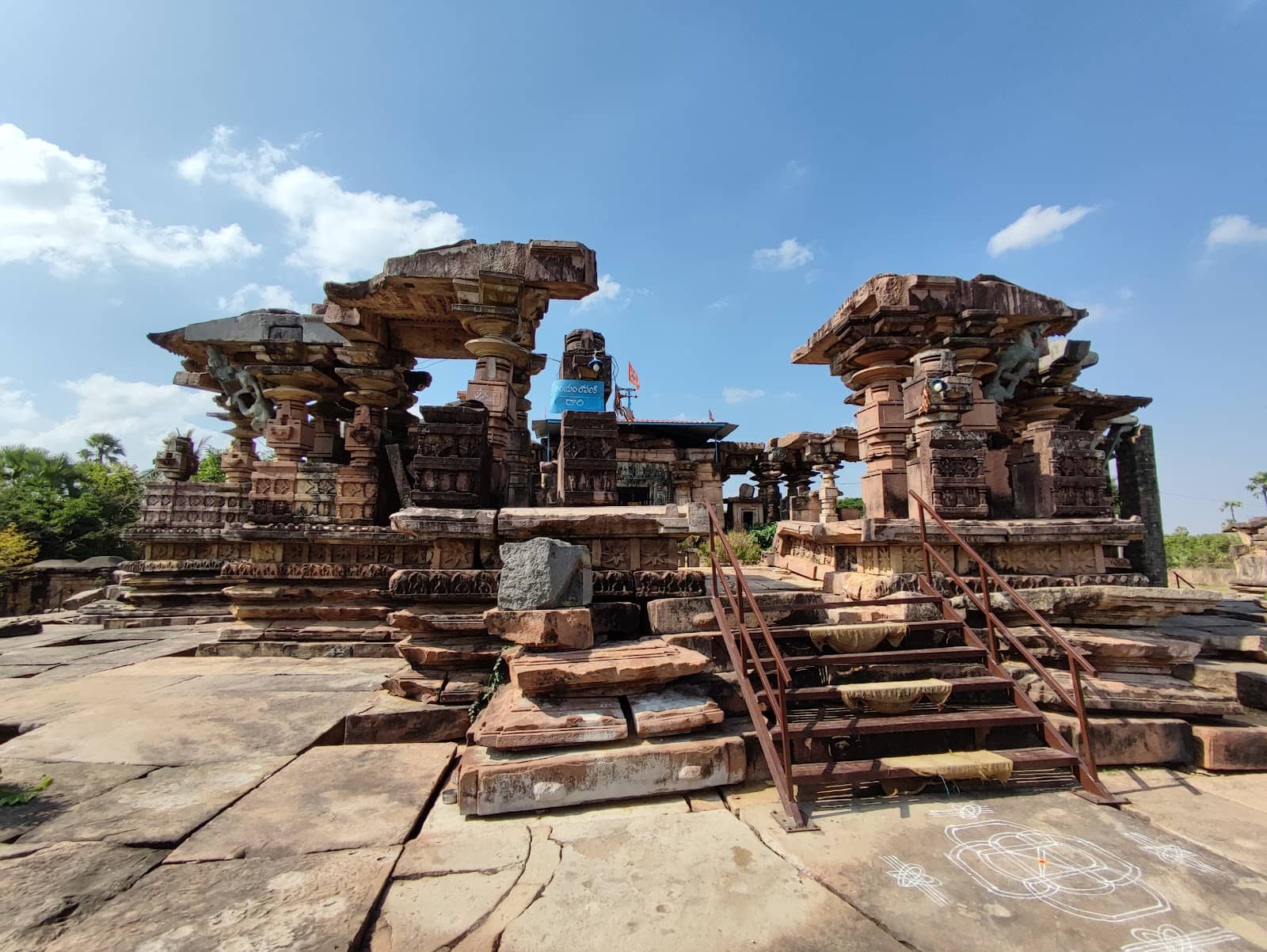
🏛️ Explore all 20+ temples
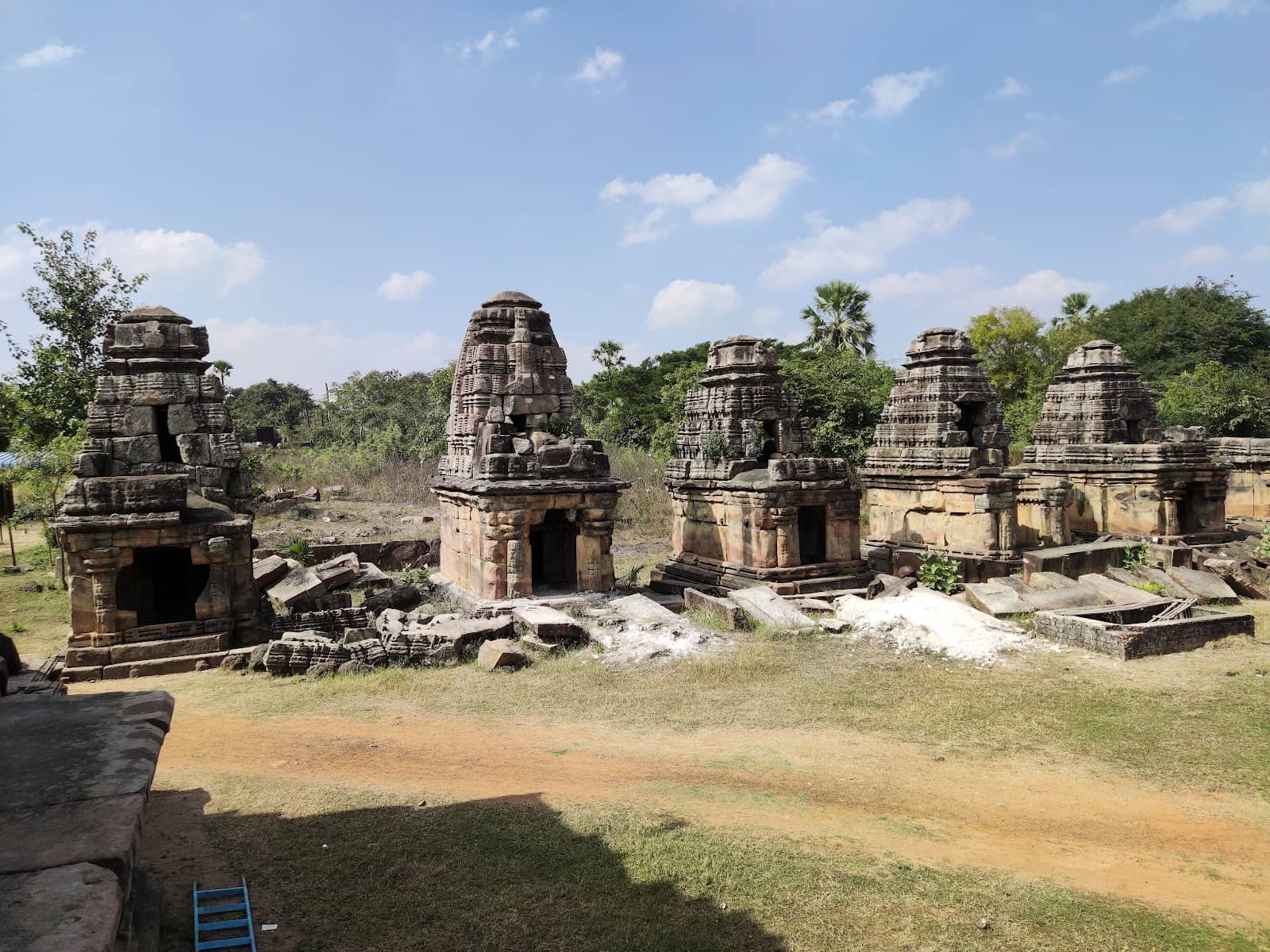
Varying in size and design, each temple offers a unique perspective on Kakatiya architecture. Don't miss the smaller shrines!
🚶♂️ Wear comfortable shoes
The site is spread out, and you'll be doing a lot of walking on uneven terrain. :athletic_shoe:
Quick Facts
Hours
Rating
4.6 · 533 reviews
Type
Hindu Temple
Highlights
Discover the most iconic attractions and experiences
Main Shiva Temple
The most magnificent temple, dedicated to Lord Shiva, is the centerpiece of the group and a testament to Kakatiya craftsmanship.
Intricately Carved Rishabas
Two beheaded Rishabas (bulls) with detailed carvings of malas and bells stand in the open-air maha mandapam.
Sculptural Details
Admire sculptures of female deities, dancers, musicians, Madanikas, lions, and even erotic images on the front walls.
Plans like a pro.
Thinks like you
Planning Your Visit
Kakatiya Architectural Marvels
Preservation & Restoration Needs
Best Times
Insider Tips
from TikTok, Instagram & Reddit
🏛️ Explore all 20+ temples
Varying in size and design, each temple offers a unique perspective on Kakatiya architecture. Don't miss the smaller shrines!
🚶♂️ Wear comfortable shoes
The site is spread out, and you'll be doing a lot of walking on uneven terrain. :athletic_shoe:
📸 Respect copyright
Photos are beautiful but copyrighted. Use them respectfully and avoid unauthorized distribution. :camerawithflash:
💧 Carry water
Especially during warmer months, staying hydrated is key. There are limited facilities on-site. :droplet:
Tips
from all over the internet
🏛️ Explore all 20+ temples
Varying in size and design, each temple offers a unique perspective on Kakatiya architecture. Don't miss the smaller shrines!
🚶♂️ Wear comfortable shoes
The site is spread out, and you'll be doing a lot of walking on uneven terrain. :athletic_shoe:
📸 Respect copyright
Photos are beautiful but copyrighted. Use them respectfully and avoid unauthorized distribution. :camerawithflash:
💧 Carry water
Especially during warmer months, staying hydrated is key. There are limited facilities on-site. :droplet:
What Travellers Say
Reviews Summary
Visitors find the Ghanpur Group of Temples to be a historically significant site showcasing impressive Kakatiya architecture, despite its dilapidated condition. The main Shiva temple and intricate carvings are highlights, though many note the urgent need for restoration to preserve this valuable heritage.
"The Ghanpur group of Temples comprise of more than 20 temples. All of them vary in size as well as design. Of all these temples, the main temple which is dedicated to Lord Shiva is the most magnificent and is the main reason why you must visit this place. Anybody even remotely interested in Indian historical architecture and culture must visit this temple.
There is always history behind marvelous pieces of architecture and Ghanpur temples also portray very rich culture. Even though being in decrepit state , the temples explains you the value of architectural style of Kakatiya’s."
ROHITH KUMAR REDDY
"A very ancient temple built by Kakatiyas, primarily Ganapati Deva. This is a group of 20 temples with the main temple dedicated to Lord Shiva. Some of the temples need restoration as this place has a great scope for tourism."
Ravindra Vangipuram
"This Ganapeshwaralayam at Kota Gullu is near the Ramappa Temple, in a higly dilapidated condition. Two beheaded Rishabas are in the open to sky maha mandapam facing the sanctum sanctorum. The Rishabas are intricately carved malas and bells similar to Ramappa Temple. A Shiva Linga on a square avudayar is at the centre of the sanctum sanctorum. The Shiva Lingam is under worship and Maha Shivaratri is also celebrated.
ARCHITECTURE
The temple consists of sanctum sanctorum, and open to sky maha mandapam, with three side entrances with porch. The door jambs of the sanctum sanctorum has the sculptures of Dwarapalakas and attendants. The sanctum sanctorum and mandapas are with adhistanam on a 4 feet raised platform. The sanctum sanctorum is without vimana. There are many sub sannidhis /parivara sannidhis around the temple and none of them has the images.
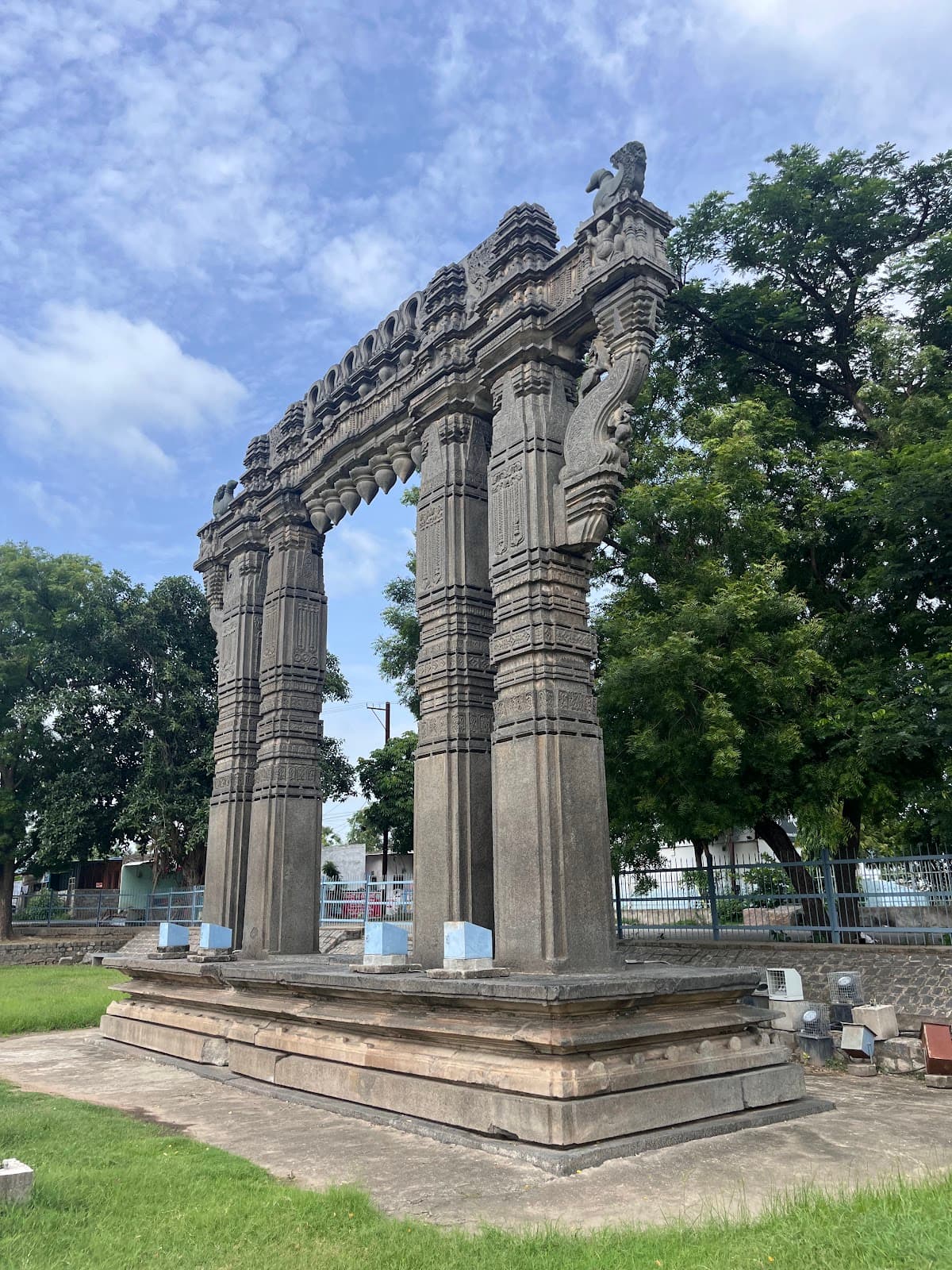
The maha mandapa/ardha mandapa pillars are carved as per the Kakatiya architecture and supports beams without roof.
The front side walls has the beautiful sculptures of female Goddess, Dancers, Musicians, Madanikas, lions, and erotic images. The jalas are with intricate carvings.
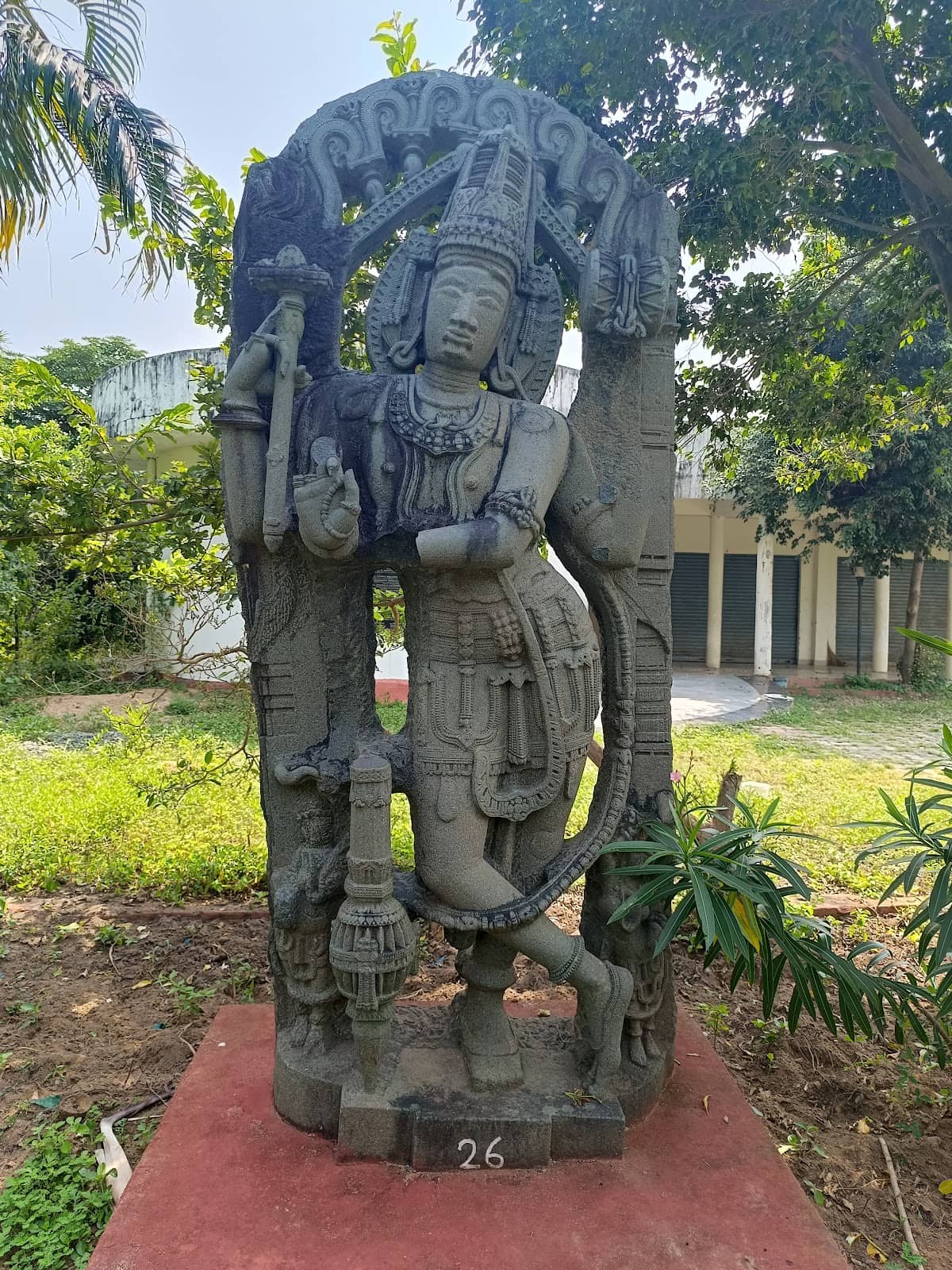
Inscription stones, statues are installed on platforms, about 200 meters in front of the temple. The statues contains Shiva and Vishnu’s various forms in standing postures."
Veludharan
What People Like
What People Dislike
Frequently Asked Questions
🚇 🗺️ Getting There
The Ghanpur Group of Temples is located near Ramappa Temple. You can hire a taxi or auto-rickshaw from Warangal or nearby towns. It's advisable to combine your visit with Ramappa Temple as they are in proximity.
While direct public transport might be limited, you can take a bus to nearby towns and then arrange local transport. Hiring a private vehicle is the most convenient option for exploring the group of temples.
The temples are spread out, so walking is feasible for nearby ones. For those further apart, a hired vehicle or even a bicycle can be useful for navigating the site efficiently.
According to visitor feedback, there is no ticket required to enter the Ghanpur Group of Temples. It's a free-access historical site.
As an open historical site, there are no strict opening or closing hours. However, it's best to visit during daylight hours for safety and better viewing.
🎫 🎫 Tickets & Entry
No, visitors have reported that there are no entrance fees or tickets required to explore the Ghanpur Group of Temples. It's a freely accessible historical monument.
There are no booking requirements as it's an open historical site. You can visit anytime during daylight hours without prior reservation.
Visiting in the early morning or late afternoon on weekdays is generally recommended to avoid larger crowds and enjoy a more peaceful experience.
While there isn't a strict dress code, it's advisable to dress modestly out of respect for the religious and historical significance of the site. Covering shoulders and knees is a good practice.
Hiring a local guide can enhance your understanding of the history and architecture. While not mandatory, it's recommended for a deeper appreciation of the site.
🎫 🧭 Onsite Experience
The temples are in a dilapidated state, with many fallen pillars and stones. However, their architectural grandeur is still evident, making them worth a visit for history enthusiasts.
The main attraction is the magnificent Shiva temple. Other highlights include intricately carved Rishabas, sculptures of deities, dancers, and musicians on the walls.
Facilities are minimal. It's advisable to carry your own water and snacks. Restrooms might be scarce, so plan accordingly.
Yes, the ancient architecture and sculptures offer excellent opportunities for photography. However, be mindful of copyrighted images and use them respectfully.
Built by the Kakatiyas, primarily Ganapati Deva, these temples showcase the architectural style of the era and offer insights into the rich culture of ancient India.
📸 📸 Photography
The main Shiva temple's facade, the intricately carved Rishabas, and the detailed sculptures on the walls offer excellent photographic opportunities. Capture the scale of the ruins against the sky.
While general photography is allowed, some visitors mention that photos are copyrighted. It's best to use your photos for personal use and avoid unauthorized commercial distribution.
Early morning or late afternoon light provides softer shadows and a more dramatic effect on the ancient stone structures, enhancing photographic appeal.
Drone usage is generally restricted at historical and archaeological sites to preserve their integrity and for security reasons. It's best to check local regulations before attempting to fly a drone.
Focus on architectural details, the textures of the ancient stone, and the interplay of light and shadow. Capturing the scale of the ruins and the surrounding landscape can also be very impactful.
Social
from TikTok, Instagram & Reddit