Karera Bird Sanctuary
A natural forest area near NH 44, offering roadside birdwatching and a dense forest adventure, though lacking facilities and the iconic Great Indian B...
Highlights
Must-see attractions

Social
From TikTok & Reddit
Best Time
Lush greenery, vibrant atmosphere
Karera Bird Sanctuary
Best Time
Lush greenery, vibrant atmosphere
Highlights
Must-see attractions
A natural forest area near NH 44, offering roadside birdwatching and a dense forest adventure, though lacking facilities and the iconic Great Indian Bustard.
"Drove 40km from Gwalior, only to find a mark on NH 44 and nothing else. Totally disappointed."
🚗 Drive-By Birding
The best way to see birds is often from your car along NH 44. Keep your eyes peeled!
🗺️ Prepare for Minimal Facilities
No staff or clear trails. It's a natural area, so be self-sufficient and manage expectations.
Quick Facts
Hours
Rating
3.7 · 74 reviews
Type
Wildlife Refuge
Highlights
Discover the most iconic attractions and experiences
Roadside Birdwatching
Along NH 44
Spot diverse birdlife from the comfort of your vehicle as you drive by. A convenient way to experience the sanctuary's avian population.
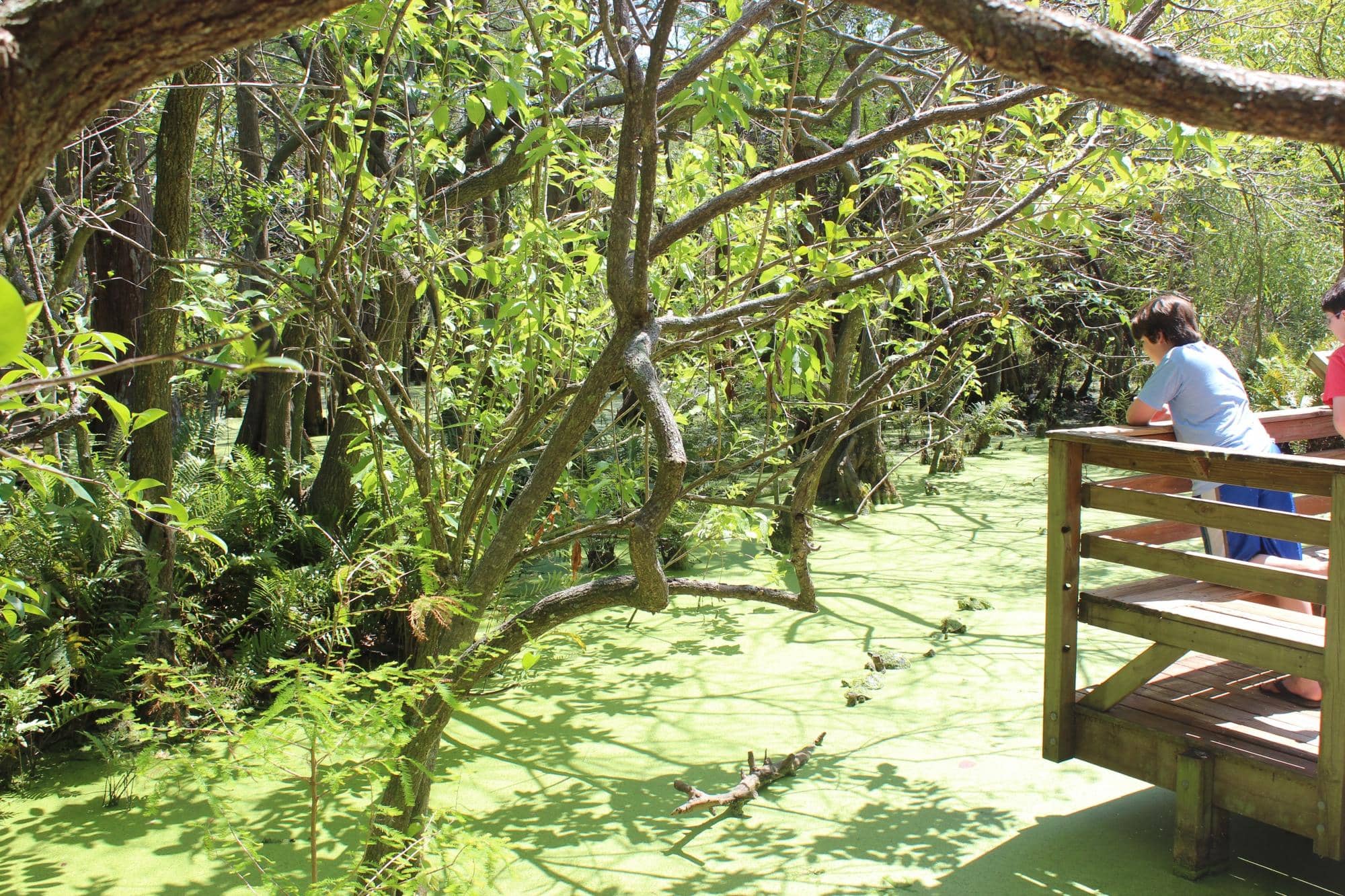
Dense Forest Exploration
Within the sanctuary
Experience the thrill of an untamed, dense forest, especially vibrant during the monsoon season. An adventure for the intrepid.
Plans like a pro.
Thinks like you
Planning Your Visit
Manage Expectations: It's a Natural Habitat
Accessibility & Amenities
Best Times
Insider Tips
from TikTok, Instagram & Reddit
🚗 Drive-By Birding
The best way to see birds is often from your car along NH 44. Keep your eyes peeled!
🗺️ Prepare for Minimal Facilities
No staff or clear trails. It's a natural area, so be self-sufficient and manage expectations.
🚫 No Great Indian Bustard
The sanctuary is no longer known for Great Indian Bustards since 2011.
🌿 Embrace the Adventure
Enjoy the dense forest, especially in the rain, for an adventurous experience without fear of wild animals.
Tips
from all over the internet
🚗 Drive-By Birding
The best way to see birds is often from your car along NH 44. Keep your eyes peeled!
🗺️ Prepare for Minimal Facilities
No staff or clear trails. It's a natural area, so be self-sufficient and manage expectations.
🚫 No Great Indian Bustard
The sanctuary is no longer known for Great Indian Bustards since 2011.
🌿 Embrace the Adventure
Enjoy the dense forest, especially in the rain, for an adventurous experience without fear of wild animals.
What Travellers Say
Reviews Summary
Visitors often express disappointment with Karera Bird Sanctuary due to a lack of facilities, signage, and the absence of the Great Indian Bustard. While some appreciate the dense forest and potential for roadside bird sightings, many feel it's not worth a special trip, especially after driving significant distances.
"Nothing is there, even nobody knows about it. We drove all the way 40 Kilometers from Gwalior but were totally disappointed. Only a mark on NH 44 is there. Apart from it nothing.."
santoshkumar saroj
"Nothing like wildlife sanctuary, not a single person to attend. Dense forest not safe for walk not a single trail or track to move. One can view the birds while traveling by road, not worth for a special or planned visit"
sameer chaudhary
"Is there anything? Not even a noticeboard!!!. We too drove all the way 40 Kilometers from Gwalior..All in vain and only to return back. Nobody passingby seemed to have any clue of a wildlife sanctuary. Heavily disappointed."
wilfred godfrey
What People Like
What People Dislike
Frequently Asked Questions
🚇 🗺️ Getting There
Karera Bird Sanctuary is located approximately 40 kilometers from Gwalior, accessible via NH 44. Many visitors drive their own vehicles. Be aware that signage can be minimal, so having GPS or a local guide is advisable. +1
Public transport options are limited, and the sanctuary is best reached by private vehicle. Local buses might pass by NH 44, but getting to specific points within the sanctuary might be challenging without your own transport.
The main access is via NH 44, which is generally well-maintained. However, venturing off the main road into the sanctuary itself might involve unpaved or rougher terrain, especially during the monsoon season.
Dedicated parking facilities are not clearly marked. Visitors typically park their vehicles along the roadside near the NH 44 access points.
Availability of ride-sharing services might be inconsistent, especially for the return journey. It's recommended to arrange transport in advance or have a reliable vehicle.
🎫 🎫 Tickets & Entry
There is no clear information regarding ticket purchases. Visitors have reported a lack of attendance and official presence, suggesting entry might be informal or free. +1
Official opening hours are not specified. As it's a natural habitat, it's generally accessible during daylight hours. However, due to the lack of facilities, it's best to visit during the day.
Based on visitor experiences, there doesn't appear to be a formal entrance fee or ticketing system in place. +1
No, guided tours or safaris are not available. The sanctuary is a natural area, and visitors explore independently.
Visitors have reported a complete absence of visitor centers, notice boards, or staff to provide information. +1
🎫 🐦 Onsite Experience
While the Great Indian Bustard is no longer present, the sanctuary is home to various other bird species. Many visitors spot birds from the roadside.
There are no marked trails or established paths for walking within the sanctuary. The area is described as dense forest, making exploration without a guide potentially difficult and unsafe.
While some visitors find the dense forest adventurous, it's important to note the lack of marked trails and potential for wildlife. It's recommended to stay near the road or be cautious if venturing deeper. +1
There are virtually no facilities. Visitors should come prepared with their own food, water, and any necessary supplies.
Yes, photography is permitted. However, without dedicated viewpoints or hides, most photography will likely be from your vehicle or the roadside.
🍽️ 🍽️ Food & Dining
No, there are no food facilities within the sanctuary. It's advisable to eat before you arrive or carry your own food and drinks.
Dining options are scarce directly around the sanctuary. You'll likely need to travel back towards Gwalior or find small eateries along NH 44.
While there are no designated picnic areas, you could potentially have a picnic from your vehicle. Ensure you take all your trash with you.
📸 📸 Photography
The most accessible 'spots' are from your vehicle along NH 44, where you can observe and photograph birds without disturbing their habitat.
A telephoto lens is highly recommended for capturing birds from a distance. Binoculars are also essential for spotting them in the dense foliage.
The dense forest can make spotting and photographing birds difficult. Limited access and lack of trails mean you'll be photographing from a distance or from the roadside.



Social
from TikTok, Instagram & Reddit