
Kaushambi Uttar Pradesh
Step back in time at Kaushambi, Uttar Pradesh, an ancient city rich in history, once a capital and a hub for Buddhism and Jainism.
Highlights
Must-see attractions

Social
From TikTok & Reddit
Best Time
Pleasant weather for exploration
Kaushambi Uttar Pradesh
Best Time
Pleasant weather for exploration
Highlights
Must-see attractions
Step back in time at Kaushambi, Uttar Pradesh, an ancient city rich in history, once a capital and a hub for Buddhism and Jainism.

Carry Water & Sun Protection
The sun can be intense. Stay hydrated and protected, especially when exploring the ruins. :droplet: :sunwithface:
Hire a Local Guide
Enhance your understanding of the history. Guides offer invaluable insights into the site's significance. :man_teacher:

Quick Facts
Highlights
Discover the most iconic attractions and experiences
Akshaya Vata
Near the Ashoka Pillar
A sacred banyan tree, believed to be immortal and a site of immense spiritual significance.
Ashoka Pillar
Main archaeological site
A majestic pillar erected by Emperor Ashoka, a testament to ancient Mauryan architecture.

Kaushambi Museum
Adjacent to the archaeological site
Discover artifacts and relics unearthed from the ancient city, offering insights into its past.
Plans like a pro.
Thinks like you
Planning Your Visit
Navigating Kaushambi
Best Time to Explore
Best Times
Insider Tips
from TikTok, Instagram & Reddit
Moving to Ghaziabad for college, and people from UP have mixed opinions
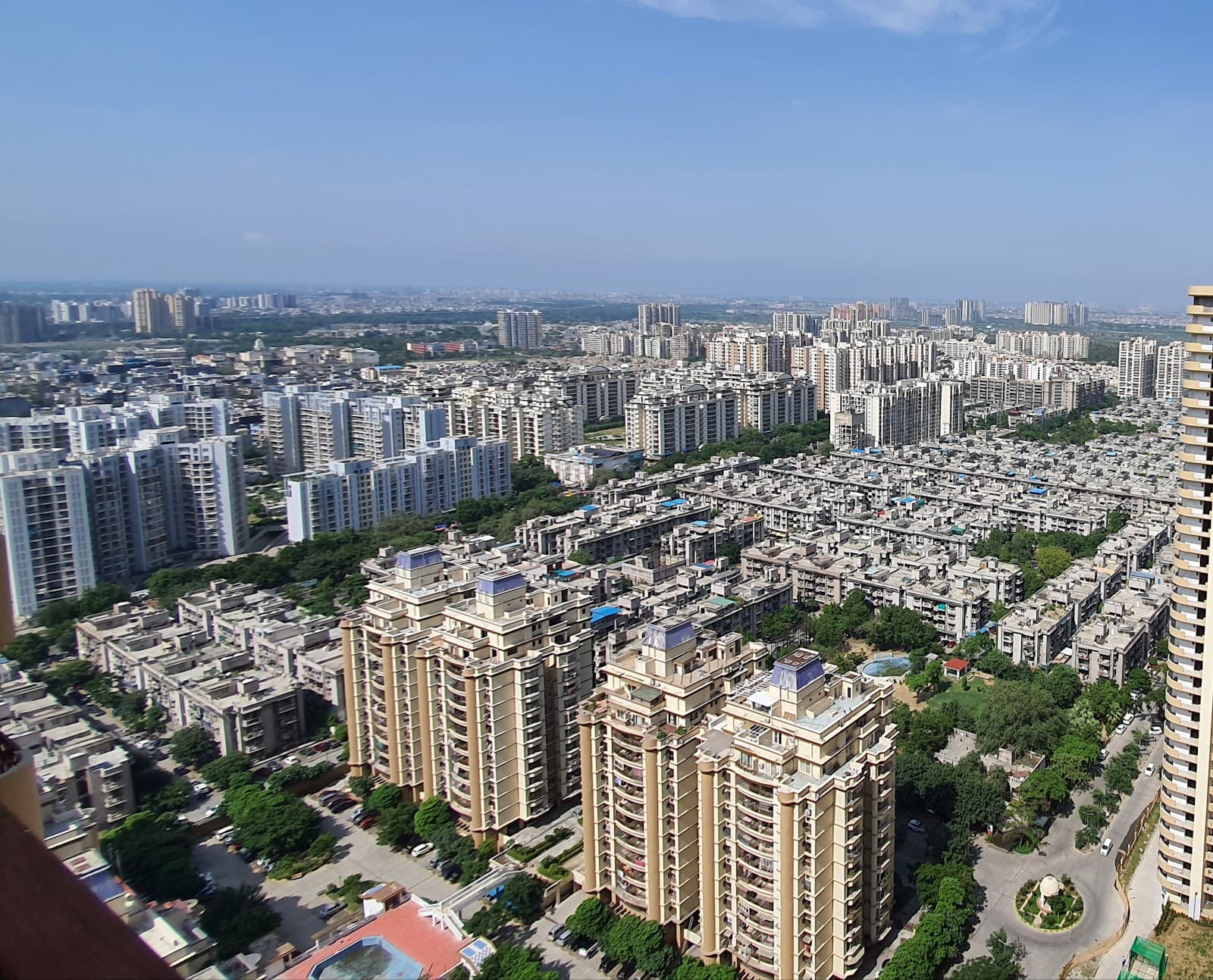
throwaway account. will delete acc in 24 hrs. moving from WB to ghaziabad and will live in a PG for college however practically everyone is saying its a dangerous place. so i did my own research with whatever is available on the internet and Ghaziabad seems almost like any…
Carry Water & Sun Protection
The sun can be intense. Stay hydrated and protected, especially when exploring the ruins. :droplet: :sunwithface:
Hire a Local Guide
Enhance your understanding of the history. Guides offer invaluable insights into the site's significance. :man_teacher:
Rank 11?
Some parts are clean, like rajnagar and rdc but many aren't
Worst experience in Delhi on my very first visit
I am from lucknow and i have got admission in Hansraj College DU... So i came to Delhi with my father to organise my accommodation.... So we boarded a private Bus( booked ) to Delhi from Lucknow and we reached Delhi by early morning .... And this bus returned the same day…
Wear Comfortable Shoes
You'll be doing a lot of walking on uneven terrain. Prioritize comfort for your exploration. :athletic_shoe:
Respect the Sacred Sites
Many areas hold religious importance. Dress modestly and be mindful of local customs. 🙏
Thinking of buying your own house is so demotivating!
We have a budget of 1.2 cr. We are getting NOTHING in gurgaon or Noida in this budget. All we are getting are flats which don't even have enough space for family of 3. Everything is so demotivating. Note : we don't have any kind of property from either side of the family. So…
Tips
from all over the internet
Carry Water & Sun Protection
The sun can be intense. Stay hydrated and protected, especially when exploring the ruins. :droplet: :sunwithface:
Hire a Local Guide
Enhance your understanding of the history. Guides offer invaluable insights into the site's significance. :man_teacher:
Wear Comfortable Shoes
You'll be doing a lot of walking on uneven terrain. Prioritize comfort for your exploration. :athletic_shoe:
Respect the Sacred Sites
Many areas hold religious importance. Dress modestly and be mindful of local customs. 🙏
What Travellers Say
Reviews Summary
Kaushambi is recognized for its significant historical and religious importance, offering a deep dive into ancient Indian civilization. Visitors appreciate the tangible connection to the past through the Ashoka Pillar and archaeological ruins. However, the site's underdeveloped infrastructure, limited amenities, and basic food options are frequently cited drawbacks.
What People Like
What People Dislike
Frequently Asked Questions
🚇 🗺️ Getting There
Kaushambi is accessible by road and rail. The nearest major railway station is in Allahabad (Prayagraj), about 60 km away. From Allahabad, you can hire a taxi or take a bus to Kaushambi. The nearest airport is also in Allahabad. Road connectivity is good, with regular bus services from major cities in Uttar Pradesh.
Within Kaushambi, auto-rickshaws and local buses are available for short distances. For exploring the archaeological sites and surrounding areas, hiring a private car or a taxi is recommended for convenience and flexibility.
While direct long-distance transport might be limited, Kaushambi is well-connected to nearby major cities like Allahabad and Kanpur. You can find frequent bus services from these hubs.
Travel times vary greatly depending on your starting point. From Allahabad, expect around 1.5 to 2 hours by road. From Kanpur, it can take approximately 3-4 hours. Planning your journey in advance is advisable.
Kaushambi is accessible, but it's not as developed for tourism as some other historical sites in India. Basic infrastructure is available, but it requires some planning, especially regarding transport and accommodation.
🎫 🎫 Tickets & Entry
Yes, there is an entry fee for the main archaeological sites and the Kaushambi Museum. It's advisable to check the current ticket prices at the site or with local authorities upon arrival.
The archaeological sites and museum typically open in the morning and close in the late afternoon or early evening. It's best to confirm the exact timings, as they can vary seasonally.
Generally, no special permits are required for general tourist visits to Kaushambi. However, if you plan on conducting any research or extensive photography, it's wise to inquire about specific regulations.
Currently, online ticket booking facilities for Kaushambi are not widely available. Tickets are usually purchased on-site at the ticket counters.
Information on discounts for students or seniors is not always readily advertised. It's recommended to inquire at the ticket counter about any available concessions.
🎫 🏛️ Onsite Experience
The key attractions include the ancient ruins of the city, the Ashoka Pillar, the Akshaya Vata (sacred banyan tree), and the Kaushambi Museum, which houses excavated artifacts.
To explore the main sites thoroughly, allocate at least half a day to a full day. This allows time for visiting the museum and absorbing the historical significance of the ruins.
Basic facilities like restrooms are usually available at the main entry points and the museum. It's still a good idea to carry your own water bottle, as availability might be limited within the expansive ruins.
Photography is generally permitted at the archaeological sites, but there might be restrictions inside the museum or for specific artifacts. Always check for signage or ask local staff.
Kaushambi was a major city during ancient India, flourishing as a center of trade, politics, and religion, particularly during the Mauryan and Gupta periods. It's mentioned in ancient texts and was a significant Buddhist and Jain pilgrimage site.
🍽️ 🍽️ Food & Dining
Food options directly at the Kaushambi archaeological site are very limited. It's best to plan your meals in nearby towns like Manjhanpur or wait until you reach a larger city like Allahabad for a wider variety of restaurants and eateries.
The region offers traditional North Indian cuisine. Look for local dhabas or eateries in nearby towns for authentic flavors. Dishes like dal, roti, sabzi, and regional sweets are common.
Expect simple, local eateries (dhabas) in the towns surrounding Kaushambi. For more diverse dining, you'll need to travel to larger cities like Allahabad, which offers a range of restaurants from casual to more upscale.
Yes, vegetarian food is widely available throughout Uttar Pradesh, including in the towns around Kaushambi. Most local eateries will have plenty of vegetarian options on their menu.
Given the limited food availability at the site itself, carrying some snacks and water is highly recommended, especially if you plan to spend several hours exploring the ruins.
📸 📸 Photography
The Ashoka Pillar, the ancient ruins with their unique architecture, and the serene Akshaya Vata tree offer excellent photographic opportunities. The Kaushambi Museum also has interesting artifacts to capture.
Early morning or late afternoon provides the best natural light for photography, creating softer shadows and a more atmospheric feel. Avoid midday sun, which can be harsh.
Photography is generally allowed at the outdoor sites. However, check for specific signage regarding photography inside the museum or of certain sensitive artifacts. Tripods might require special permission.
A versatile lens (like a 24-70mm equivalent) is useful for capturing both wide shots of the ruins and details. A wide-angle lens can be great for the expansive landscapes. Consider a polarizing filter to manage glare.
Drone usage is typically restricted at historical and archaeological sites due to security and preservation concerns. It's highly unlikely to be permitted without explicit, official authorization.





Social
from TikTok, Instagram & Reddit