
Great Himalayan National Park
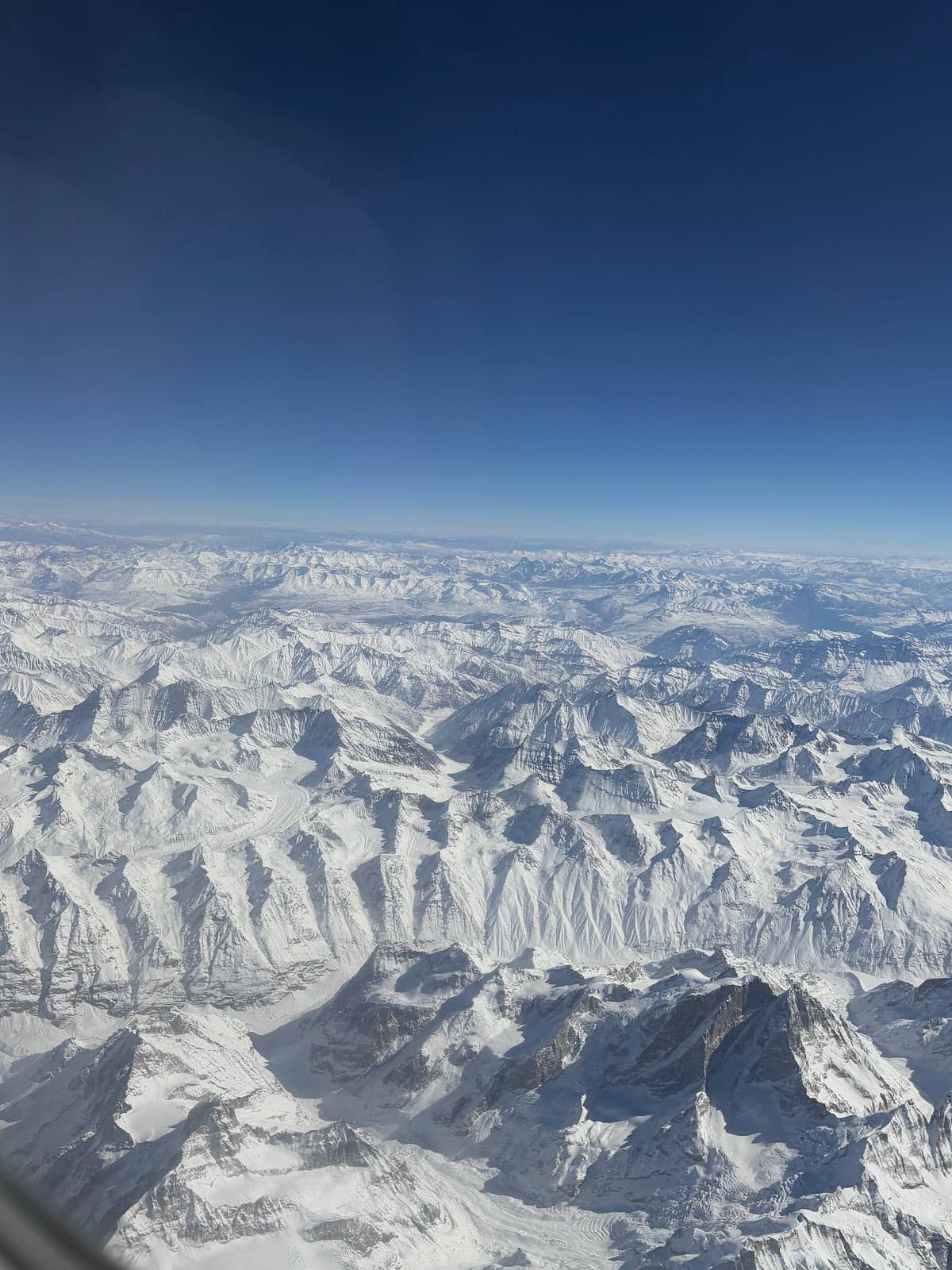
A UNESCO World Heritage Site in Himachal Pradesh, offering pristine Himalayan landscapes, rich biodiversity, and serene trekking.

Highlights
Must-see attractions

Social
From TikTok & Reddit
Best Time
Spring bloom, pleasant weather
Great Himalayan National Park
Best Time
Spring bloom, pleasant weather
Highlights
Must-see attractions
A UNESCO World Heritage Site in Himachal Pradesh, offering pristine Himalayan landscapes, rich biodiversity, and serene trekking.
"The most beautiful place to lose and find yourself. Hard to believe such magic still exists :)"
Book Homestays in Advance
Homestays in villages like Gushaini and Sainj are popular. Book ahead, especially during peak seasons. :housewithgarden:
Pack for All Weather
Mountain weather changes rapidly. Layers are key for trekking and exploring GHNP. :cloud:

Highlights
Discover the most iconic attractions and experiences
Shangarh Meadows
Sainj Valley
Vast, natural stadium-like meadows perfect for picnics and gentle hikes. A gateway to GHNP treks.
Tirthan Valley
Kullu Region
A UNESCO World Heritage Site offering pristine beauty, diverse wildlife, and serene trekking.

Biodiversity Hotspot
Western Himalayas
Home to rare species like snow leopards and vibrant birdlife, including the Monal pheasant.
Plans like a pro.
Thinks like you
Planning Your Visit
Permits and Access
Responsible Tourism
Best Times
Insider Tips
from TikTok, Instagram & Reddit
Book Homestays in Advance
Homestays in villages like Gushaini and Sainj are popular. Book ahead, especially during peak seasons. :housewithgarden:
Pack for All Weather
Mountain weather changes rapidly. Layers are key for trekking and exploring GHNP. :cloud:
Carry Reusable Water Bottles
Minimize plastic waste. Many places offer filtered water refills. :recycle:
Trekking Permits Required
For core park access, permits and forest guards are mandatory. Explore eco-zones for easier access. :ticket:
Tips
from all over the internet
Book Homestays in Advance
Homestays in villages like Gushaini and Sainj are popular. Book ahead, especially during peak seasons. :housewithgarden:
Pack for All Weather
Mountain weather changes rapidly. Layers are key for trekking and exploring GHNP. :cloud:
Carry Reusable Water Bottles
Minimize plastic waste. Many places offer filtered water refills. :recycle:
Trekking Permits Required
For core park access, permits and forest guards are mandatory. Explore eco-zones for easier access. :ticket:
Birdwatching Paradise
Bring binoculars! GHNP is rich in avian life, a delight for birdwatchers. :bird:
What Travellers Say
Reviews Summary
Visitors rave about the Great Himalayan National Park's breathtaking natural beauty, dense forests, and abundant birdlife, calling it a place to 'lose and find yourself.' The pristine environment and serene atmosphere are consistently praised. However, concerns are raised about the impact of tourism, particularly plastic waste and loud music in natural settings, urging for more mindful travel.
"The most beautiful place to lose and find yourself. The forests are dense and rich and lush, water flows through giving everything life— the bird diversity is such fun to chase, I cannot believe any of it is real.
You can stay in villages around, Homestays are always available, hostels too— and then hike around from some base location. You will always find people doing treks and expeditions, people in the village know and have contacts always.
Hope it doesn’t get ruined by cheap tourism. Garbage is a common problem.
Be mindful of plastic consumption, everything non biodegradable is burnt.
some people play music really loud and assert themselves too much in a location— it is better to integrate.
Hard to believe such magic still exists :)"
Aditi Mascarenhas
"Amazing place to go, surrounded by pine an cedar trees along with the snow covered Mountains. Love the peace and the beauty this place holds. Got to know from a local that treks are close for people after cover, however research scholars are only allowed to with prior permission and can go insidethe national park with forest guards only. As a normal tourist you can visit Sainj valley, Shangarh village, Teerthan valley, and close by villages without permit."
Vaish P
"Great Himalayan National Park (GHNP) near Banjar, often share glowing reviews of their experiences. The park’s pristine natural beauty, diverse wildlife, and serene environment leave a lasting impression on many.
Adventurous visitors may appreciate the park’s trekking routes, which range from moderate to challenging. The trails offer breathtaking views of snow-capped peaks, alpine meadows, and dense forests.
Interactions with local communities in nearby villages like Gushaini and Sainj add a cultural dimension to the visit. You may often speak of the warm hospitality and insights into traditional Himachali lifestyles."
Sushant Rana
What People Like
What People Dislike
Frequently Asked Questions
🚇 🗺️ Getting There
The nearest airport is Bhuntar (Kullu), about 50 km away. From Delhi, you can take a Volvo bus to Aut, then a cab or local bus to Sainj Valley or Tirthan Valley. The roads are generally good, offering scenic drives.
Inside the national park, travel is strictly on foot. For accessing the eco-zones like Tirthan and Sainj valleys, local buses and taxis are available.
Motorable roads do not extend into the core park area. You can drive to the gateway towns and villages like Sainj, Shangarh, and Gushaini, from where you'll need to trek.
Shangarh is located about 20 km uphill from Sainj Valley. The drive is scenic and roads are well-maintained.
The closest railway station is Joginder Nagar, approximately 143 km away. Another option is Shimla, which is further but well-connected by road.
🎫 🎫 Tickets & Entry
Yes, a permit is required to enter the core area of GHNP. Strict rules are in place to protect the ecosystem. +1 You can visit the surrounding eco-zones like Tirthan and Sainj valleys without a special permit.
Permit fees can vary. It's best to check with the park authorities or local forest offices for the most current pricing.
Entry points are typically managed by forest check posts. The main access points are usually via the Sainj and Tirthan valleys.
Day visits are possible to the eco-zones. For treks into the core park, longer stays and permits are necessary.
The park is generally open year-round, but access can be restricted during heavy snowfall in winter or monsoon season due to landslides.
🎫 🏞️ Onsite Experience
Popular trails include the Tirthan Valley Trek, Sainj Valley Trek, and Pin-Parvati Pass. For shorter hikes, consider trails around Shangarh or Rolla.
GHNP is home to over 375 fauna species, including snow leopards, Himalayan tahr, blue sheep, and musk deer. Birdlife is abundant, with over 200 species like the Monal pheasant. +1
Yes, many local guides and trekking agencies operate in the Tirthan and Sainj valleys, offering guided treks and expeditions.
Inside the core park, facilities are minimal to preserve the environment. Eco-lodges and campsites are available in the surrounding valleys.
Absolutely! The park offers stunning landscapes, diverse flora and fauna, and dramatic mountain vistas, making it a photographer's paradise.
🍽️ 🍽️ Food & Dining
You'll find local eateries and dhabas in villages like Gushaini, Sainj, and Shangarh. Homestays often provide delicious home-cooked Himachali meals.
Expect traditional Himachali cuisine, often featuring local vegetables, grains like rajma and siddu, and simple dals. Trout is also a specialty in Tirthan Valley.
No, there are no restaurants inside the core national park area to maintain its pristine nature. Dining options are available in the gateway villages.
Yes, vegetarian dishes are widely available, as most local cuisine relies on fresh produce and grains.
Yes, especially if you plan on trekking. Carrying energy bars, nuts, and dried fruits is a good idea for longer hikes. :apple: :nuts:
📸 📸 Photography
Shangarh Meadows, the dense forests, glacial streams, and panoramic mountain views from trekking trails offer incredible photo opportunities. 
A versatile lens (like a 24-70mm), a telephoto lens for wildlife, and a wide-angle lens for landscapes are useful. Don't forget extra batteries and memory cards. :camerawithflash:
Early mornings and late afternoons offer the best light for landscape and wildlife photography, with softer shadows and warmer tones. :sunrise: :city_sunset:
While generally encouraged, avoid disturbing wildlife or damaging flora. Drone usage might be restricted, so check park regulations. :noentrysign:
Always ask for permission before photographing people. Respect their privacy and cultural norms. :peopleholdinghands:
For Different Travelers
Tailored advice for your travel style
👨👩👧 Families with Kids
+1 Many homestays in these areas are family-friendly and can arrange gentle nature walks or short, easy hikes suitable for younger children. 💰 Budget Travelers
🚶♀️ Solo Travelers
Deep Dives
In-depth insights and expert knowledge
Trekking in Great Himalayan National Park
When planning your trek, consider the season. Spring (March-June) and autumn (September-November) offer the most pleasant weather conditions with clear skies and moderate temperatures.
Biodiversity and Wildlife of GHNP
GHNP is a sanctuary for numerous species, including elusive snow leopards, Himalayan tahr, blue sheep, and musk deer.
Sustainable Tourism and Local Culture
To ensure the preservation of this pristine environment, responsible practices are essential. Travelers are urged to minimize their plastic consumption, as non-biodegradable waste is often burned, posing environmental risks.
Social
from TikTok, Instagram & Reddit